Where Wyoming’s Gray Wolf Trophy Boundary Runs
For many hunters, the complexities of Wyoming's wolf management can feel like navigating a maze blindfolded. Understanding where you can hunt wolves and under what regulations is absolutely critical, not just for compliance, but for ensuring a safe and ethical hunt. This guide will meticulously break down the boundaries and rules governing gray wolf hunting in Wyoming, helping you confidently distinguish between the Trophy Game Area and the Predator Zone.
Understanding Wyoming's Gray Wolf Management Philosophy
Wyoming's approach to gray wolf management is unique, carving out distinct zones with vastly different hunting regulations. This isn't just bureaucratic red tape; it's a direct result of historical legal battles and the state's efforts to balance conservation with public safety and livestock protection. Essentially, the state divides Wyoming into two main areas for wolf management: the Trophy Game Area (TGA) and what's known as the "Predator Zone." The philosophical difference between these two zones dictates everything from licensing to season dates, and even what you can do with a wolf you harvest.
In the Trophy Game Area, wolves are managed similarly to other big game species like elk or deer. This means specific hunting seasons, licensing requirements, bag limits, and strict reporting protocols. The idea here is to manage the population through regulated hunting, recognizing wolves as a valuable wildlife resource within certain ecological parameters. It's a structured approach, akin to what you'd expect for any other trophy animal.
However, step outside that TGA, and wolves immediately fall into the "predator" category. In the Predator Zone, they can be taken at any time, with virtually any legal weapon, and often without a license. This dual approach stems from the history of wolf reintroduction and their subsequent delisting from the Endangered Species Act, leading to a compromise that allows for intensive management where conflicts with livestock or other wildlife are more prevalent, while still affording them trophy game status in specific regions. Understanding this foundational difference is the first, crucial step for any aspiring wolf hunter in Wyoming.
Defining the Gray Wolf Trophy Game Area Boundary
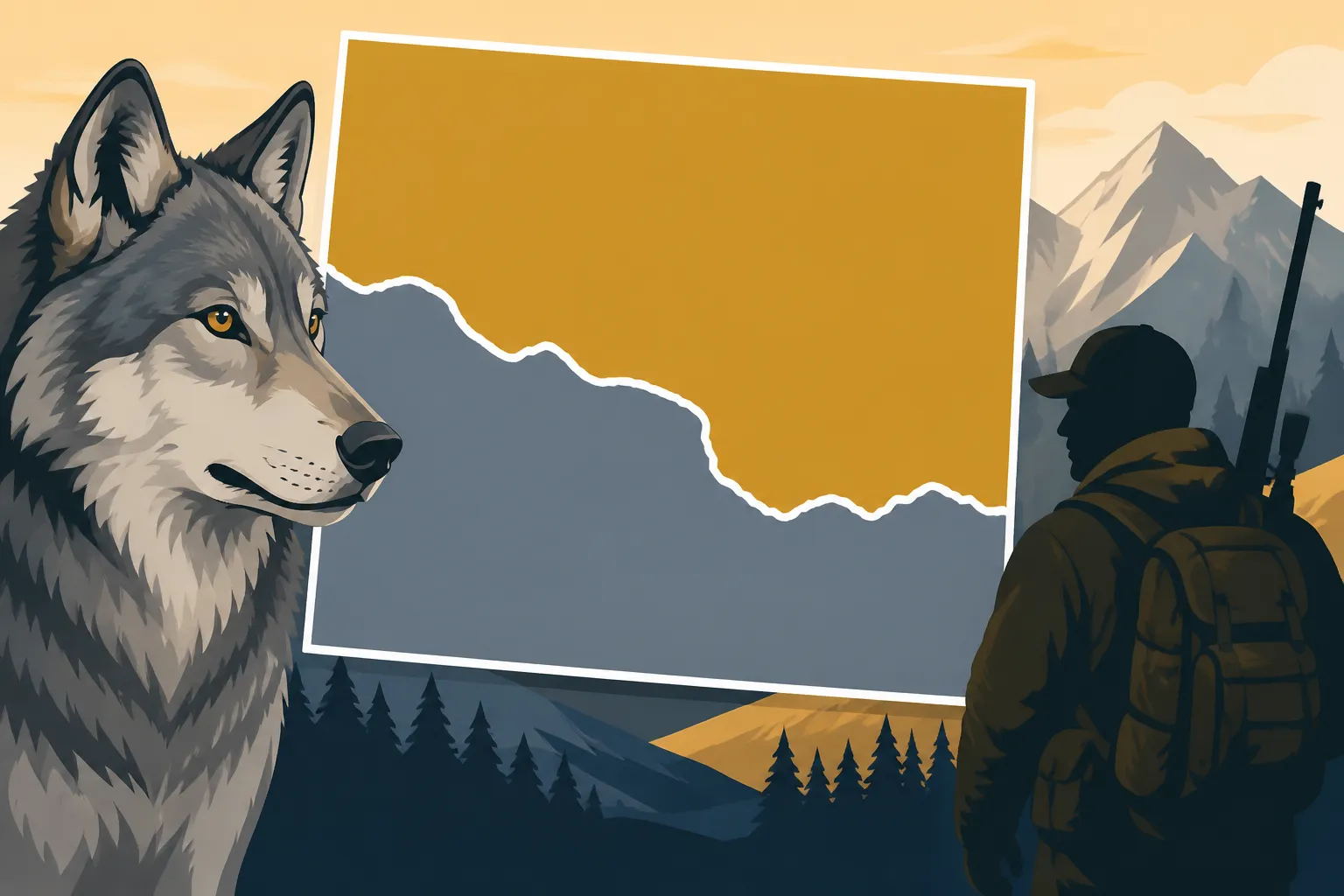
Pinpointing the exact boundary of Wyoming's Gray Wolf Trophy Game Area (TGA) is paramount, as crossing it without knowing changes everything about how you can legally hunt a wolf. The TGA essentially covers the northwestern corner of Wyoming, primarily encompassing areas where wolves are a more intrinsic part of the natural ecosystem, and where they were initially reintroduced.
Starting from the northern border, the TGA generally includes all of Yellowstone National Park, though hunting inside the park itself is, of course, strictly prohibited. The boundary then extends south from the park's eastern and western edges. On the west, it often follows the border of Grand Teton National Park, wrapping around these federal lands. From there, it typically traces significant geographical and man-made features. For instance, the Continental Divide often plays a major role, as do various highways and county lines that create clear demarcation points on the map.
A critical segment of this boundary runs along the eastern edge of the Wind River Indian Reservation, which itself has its own distinct hunting regulations, often requiring tribal permits. East of the national parks, the boundary generally follows major highways like U.S. Highway 26/287 and U.S. Highway 20/26 as they weave through communities such as Dubois and Riverton, often including the mountainous terrain north of these roads. Further south, the boundary then typically heads west along lines defined by other highways, often including a portion of U.S. Highway 189 or other county roads, eventually connecting back to the Idaho state line. It's not a perfectly straight line, but a meandering path defined by specific geographic markers, roads, and land ownership boundaries.
For hunters, visualizing this on a map is non-negotiable. Tools like GoHunt are incredibly useful for hunters, as they allow you to overlay these specific boundaries onto satellite or topographic maps, making it easy to see exactly where you stand. You can zoom in on specific hunt areas and understand the exact line that separates trophy game management from predator status. Before you even set foot in the field, use these mapping resources, along with official regulations, to firmly grasp Where Wyoming's Gray Wolf Trophy Boundary Runs. It's crucial to consult the Wyoming Game and Fish Department's official hunt area maps and regulations for the most current and precise boundary descriptions, as these can occasionally see minor adjustments.
Hunting Regulations Within the Trophy Game Area
Once you’ve firmly identified yourself as being within Wyoming's Gray Wolf Trophy Game Area (TGA), you're operating under a completely different set of rules than if you were just a few miles east. In the TGA, wolves are classified as trophy game, which means they are managed with the same seriousness and structure as elk or moose. This classification brings with it several important requirements that every hunter must adhere to.
First and foremost, you'll need a specific wolf hunting license. This isn't an over-the-counter affair you can just pick up; it's a limited quota license that must be applied for. You'll need to participate in the draw process, just as you would for other big game animals. There are specific application periods, and drawing a tag is based on a lottery system, so luck plays a significant role. It's wise to plan well in advance and understand What a Wyoming Wolf Hunting License Costs and the deadlines involved. Once you secure a license, you'll be assigned to a specific hunt area, and your license will dictate the bag limit, which is typically one wolf per hunter per calendar year in the TGA.
Season dates within the TGA are also tightly regulated. Unlike the year-round open season in the Predator Zone, TGA wolf seasons have specific opening and closing dates, which can vary slightly by hunt area. These seasons are designed to coincide with times when hunting pressure is manageable and to avoid conflicts with other wildlife or sensitive periods. For instance, some areas might have an archery-only period followed by a general firearms season, much like Wyoming Elk Season Dates Are Set Hunt Area by Hunt Area. Check the official Wyoming Game and Fish Department regulations booklet for the exact dates for your chosen hunt area. Successful hunters in the TGA also face strict reporting requirements. You must report your harvest within a specified timeframe, often within 24-48 hours, and you may be required to present the skull and pelt to a game warden for inspection and tagging, similar to what's expected for bears or mountain lions. This helps biologists monitor the population and gather vital data. Finally, remember that all general hunting regulations regarding legal shooting hours, fair chase, and vehicle use, which are outlined in publications like Wyoming Legal Shooting Hours for Big Game, apply rigorously within the TGA.
The Predator Zone: Different Rules, Different Game
Stepping outside the designated Trophy Game Area and into the "Predator Zone" changes the game entirely when it comes to gray wolf hunting in Wyoming. In this vast majority of the state, wolves are legally classified as predatory animals, alongside coyotes and skunks. This reclassification carries significant implications for hunters, offering both more freedom and a different set of ethical considerations. The rules for hunting wolves in the Predator Zone are, by design, far less restrictive. This is where The Predator Zone Wolf Rules Explained truly shine in their contrast to TGA regulations.
One of the most striking differences is the lack of a license requirement. You do not need to apply for a tag, wait for a draw, or pay a specific wolf license fee to hunt wolves in the Predator Zone. If you have a valid hunting license for any other species, or even if you're just a resident without one, you can legally pursue wolves in this zone, provided you adhere to all other state and federal laws regarding firearm possession and land access. This reflects the state's view that wolves in these areas are actively managed to mitigate conflicts with livestock and other game species.
Furthermore, there are no specific closed seasons in the Predator Zone; wolves can be hunted year-round. This flexibility allows landowners and hunters to address wolf depredation issues as they arise. Weapon choice is also largely unrestricted. While the TGA might have archery or firearms-specific seasons, in the Predator Zone, almost any legal firearm, bow, or even trapping methods can be employed, subject to local ordinances and individual land ownership rules. However, while the regulations are minimal, ethical hunting practices remain paramount. Just because you can shoot a wolf any way you like doesn't mean you should. Responsible hunters still strive for clean kills and respect for the animal. Additionally, accessing public lands, whether it's BLM or Wyoming State Trust Land Hunting, still requires adherence to those specific access rules, and trespassing on private land is, of course, strictly forbidden. Always use tools like GoHunt to confirm land ownership boundaries and obtain permission if needed, even for predator hunting.
Here's a quick comparison of the key differences:
| Feature | Trophy Game Area (TGA) | Predator Zone |
|---|---|---|
| Location | Northwestern Wyoming (Yellowstone, Grand Teton corridor) | Most of the rest of Wyoming, outside the TGA |
| Management Status | Trophy Game Animal | Predatory Animal |
| License Required | Yes, limited quota wolf license (drawn) | No, generally no license required |
| Season Dates | Specific opening and closing dates (vary by hunt area) | Year-round open season |
| Bag Limit | Typically one wolf per calendar year | No set bag limit (within ethical and practical limits) |
| Reporting Harvest | Mandatory reporting and often biological inspection/tagging | Generally no official reporting requirement |
| Weapon Restrictions | General hunting weapon rules apply (e.g., legal firearms, bows) | Generally any legal weapon (firearms, bows, traps, etc.) |
| Sale of Carcass/Pelt | Restrictions apply; often prohibited without special permit | Can typically sell pelts or carcasses (check specific regulations on this) |
| Land Access Rules | Standard public/private land access rules apply | Standard public/private land access rules apply (e.g., BLM Holds 27,860 Square Miles of Wyoming) |
Navigating the nuances of wolf hunting in Wyoming requires diligence and a deep understanding of these zonal distinctions. Always cross-reference the information with the official Wyoming Game and Fish Department regulations, which are updated annually. Tools like GoHunt can visually help you understand these complex boundaries, but the printed regulations are always the ultimate authority. By doing your homework, you ensure a legal, ethical, and successful wolf hunt, wherever you choose to pursue it in Wyoming.
Disclaimer
This article is for general informational purposes only and does not constitute professional advice. Laws, prices and regulations vary by location and change over time. Consult a qualified professional for guidance on your specific situation.