Mountain Lion Harvest Reporting Requirements
You've just completed a thrilling mountain lion hunt in Wyoming. The adrenaline is still coursing through your veins, and the pride of taking such an elusive animal is immense. But before you start dreaming of taxidermy pedestals, there's a critical step that often gets overlooked in the excitement: understanding and fulfilling the harvest reporting requirements. Failing to properly report your mountain lion harvest can turn a moment of triumph into a significant headache, potentially leading to legal trouble and undermining the very conservation efforts that make hunting possible. This guide will walk you through the essential steps, deadlines, and reasons behind Wyoming's mountain lion harvest reporting rules, helping you navigate the process smoothly and responsibly.
Why Reporting is Crucial for Mountain Lion Management
It might seem like a bureaucratic formality, but every single mountain lion harvest reported to the Wyoming Game and Fish Department is a vital piece of a much larger puzzle. These reporting requirements aren't there to make your life harder; they are the backbone of sound wildlife management and the conservation of mountain lion populations across the state. Without accurate and timely data, biologists are essentially flying blind, making it incredibly difficult to set sustainable quotas and ensure healthy cat populations for generations to come.
Understanding Population Health and Quotas
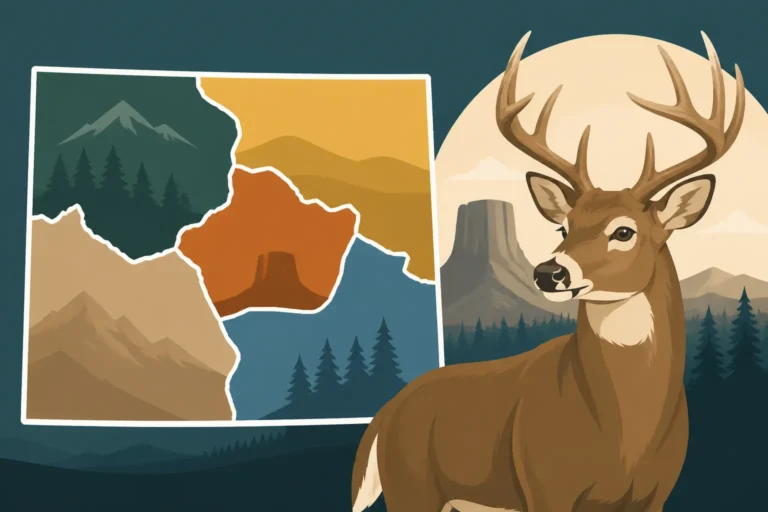
Mountain lions are notoriously reclusive, making them one of the most challenging big game species to study. Unlike elk or deer, which can often be counted with aerial surveys or trail cameras in specific areas, lions blend into their environment with incredible skill. This means that harvest data, combined with other research methods, becomes absolutely indispensable for estimating population numbers, understanding age structures, and assessing overall health within different Mountain Lion Quotas by Hunt Area. Each reported harvest provides biologists with critical information about the specific animal taken—its age, sex, weight, and general condition. This individual data point, when compiled with hundreds of others, creates a comprehensive picture of the population dynamics within a particular hunt area.
Imagine trying to manage a business without knowing how many products are being sold or how much inventory you have on hand. It would be chaos! Wildlife management is no different. By tracking harvests, the Wyoming Game and Fish Department can monitor whether quotas are being met too quickly, or if populations are declining in certain areas. This allows them to make informed decisions about future seasons, adjusting quotas, changing season dates, or even closing areas to hunting if necessary to protect the resource. Your act of reporting isn't just about tagging your animal; it's a direct contribution to the scientific understanding and conservation of these magnificent predators.
Preventing Overharvest and Protecting the Resource
The goal of modern wildlife management, particularly for species like mountain lions, is to ensure sustainable harvest. This means taking enough animals to manage populations effectively, prevent conflicts with livestock, and maintain ecosystem balance, but never so many that the long-term health of the species is jeopardized. Proper reporting is the primary mechanism to achieve this delicate balance. When a hunter reports their harvest, it gets logged against the specific quota for that hunt area. Once a quota is met, that area is immediately closed to further hunting, preventing overharvest.
Without diligent reporting, this system simply wouldn't work. If hunters delay reporting, or worse, fail to report altogether, it creates a lag in the data. This lag could mean that by the time official numbers catch up, more animals have been taken than intended, exceeding the sustainable quota. This is why the deadlines for reporting are so strict and why they are taken so seriously by game wardens. Every hunter has an ethical responsibility to contribute to the conservation framework that allows them to hunt in the first place. By promptly reporting your mountain lion, you're not just complying with the law; you're actively participating in the stewardship of Wyoming's wildlife, ensuring that future generations will also have the opportunity to pursue these incredible animals.
The Immediate Steps After a Mountain Lion Harvest
So, you've successfully harvested a mountain lion. Congratulations! Now, let's talk about the critical steps you need to take right away. The time immediately following your harvest is crucial, and understanding these requirements will ensure a smooth process and keep you in compliance with Wyoming law. It's not just about taking the animal; it's about following through with your responsibilities as a hunter.
Notifying Wyoming Game and Fish
The very first and most important step after harvesting a mountain lion in Wyoming is to immediately notify the Wyoming Game and Fish Department. This isn't something you can put off for a few days; it's an urgent requirement. The specific timeframe can vary, so always double-check the current regulations for the most up-to-date information, but typically, you'll need to make this notification within 24 to 48 hours of your harvest. This initial contact is vital because it begins the official record-keeping process and alerts the department that a lion has been taken in a specific hunt area, allowing them to track the quota.
How do you do this? The easiest way is usually by phone. You'll need to contact a regional Game and Fish office or a local game warden. Many hunters carry the phone numbers for these offices or wardens in their hunting pack or programmed into their cell phone. Be prepared to provide key details such as your name, license number, the date and exact location of the harvest, and the sex of the animal. They may also ask about the method of take, whether you were Hound Hunting for Mountain Lions, and other pertinent information. This phone call sets the stage for the next crucial step: getting your animal inspected and sealed.
Presenting the Carcass for Inspection
After you've made your initial notification, the next step is to present the mountain lion carcass, or specific parts of it, to an authorized Game and Fish representative for inspection. This typically needs to happen within a few days of the harvest—again, consult the current regulations for the precise deadline, which might be 72 hours or 5 days, for example. This inspection is mandatory, and it's where the state gathers essential biological data from your harvested animal. You can't just take the hide home and process it yourself; it must be checked by the department.
When you present the animal, you'll generally need to bring the skull and the hide, ensuring that both are kept in a condition suitable for inspection. For instance, the skull should remain attached to the hide until inspected, or if detached, the hide must still include the skull plate. Evidence of sex must also be clearly visible, so do not remove these distinguishing features before inspection. During this process, a Game and Fish biologist or warden will gather measurements, extract a premolar tooth for aging the cat, and verify the sex. This biological sample for aging is crucial for population models, helping to determine the age structure of the lion population. They'll confirm that the animal was taken legally and then issue the necessary paperwork and physical seal.
Deadline for Reporting and Inspection
Understanding and adhering to the deadlines for both initial notification and the full inspection is non-negotiable. These aren't suggestions; they are legal requirements. While the exact hours or days can fluctuate, the principle remains constant: swift action is required. For example, if you harvest a lion on a Friday evening, you might need to make that initial phone call by Saturday evening, and have the full inspection completed by early the following week. It's your responsibility as the hunter to know these specific timeframes and plan accordingly.
Missing these deadlines can result in significant legal consequences, ranging from fines to the confiscation of your trophy and potential loss of hunting privileges. The Game and Fish Department takes these reporting rules seriously because they are fundamental to effective wildlife management and maintaining sustainable lion populations. It’s not always convenient, especially if you're hunting in remote areas, but it's part of the commitment you make when you pull the trigger or release an arrow. Planning for these reporting steps is just as important as planning your actual hunt. Many experienced hunters will already have a plan for how and where they will get their lion checked before they even head into the field, utilizing resources like the GoHunt platform to find local Game and Fish offices or contact numbers.
Checking and Sealing Your Mountain Lion Hide
Once you've made your initial contact with Wyoming Game and Fish and are preparing for the official inspection, there are a few more things to understand about the checking and sealing process itself. This isn't just a quick glance; it's a detailed procedure designed to gather vital data and ensure the legality of your harvest for all future handling and transport.
The Importance of the Pelt Seal
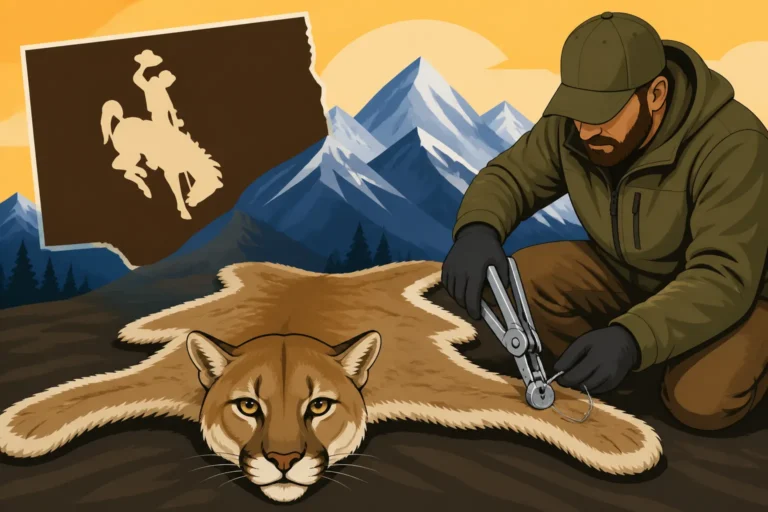
The pelt seal is essentially the state's stamp of approval on your mountain lion harvest. After the inspection is complete and all data has been collected, the Game and Fish representative will affix a physical seal to your lion's hide. This seal is usually a durable tag or rivet that is permanently attached to the hide itself. Why is this so important? This seal serves as official proof that your mountain lion was legally harvested, reported, and inspected according to Wyoming regulations. It's your official "passport" for the hide.
Without this seal, transporting your mountain lion hide, whether it's to a taxidermist, a tanner, or across state lines, can become a major legal issue. Law enforcement or wildlife agencies in other jurisdictions will look for this seal as confirmation of legal origin. Attempting to transport an unsealed hide can lead to confiscation, fines, and accusations of illegal take. Think of it as the final step in validating your hunting experience, ensuring that your hard-earned trophy is recognized as legitimate and can be preserved or utilized without any legal entanglement down the road. This also fulfills the Mountain Lion Pelt Sealing Requirement.
Data Collection During Inspection
The inspection process is where the real science happens. When you bring your mountain lion to a Game and Fish office or meet with a warden, they're not just looking at it. They're meticulously collecting data that contributes to a statewide understanding of the species. This typically involves several key actions:
- Verifying Sex: The warden will confirm the sex of the animal, as this is crucial for population models and quota management.
- Taking Measurements: They may measure the total length of the cat, tail length, and other dimensions.
- Extracting a Tooth: One of the most critical steps is the extraction of a premolar tooth. This tooth contains growth rings, much like a tree, which biologists can analyze to accurately determine the age of the mountain lion. This age data is invaluable for understanding recruitment rates, mortality, and the overall age structure of the population, which in turn helps in setting sustainable harvest quotas.
- Checking Physical Condition: The warden may also note the general physical condition of the animal, looking for signs of disease, injury, or robust health.
All of this information is meticulously recorded and entered into the state's wildlife management database. This isn't just for this year's harvest; it's part of an ongoing, long-term study of mountain lion populations. Your contribution during this inspection directly impacts the accuracy of these studies and the future of mountain lion hunting in Wyoming.
Transporting Your Trophy Legally
Once your mountain lion hide has been inspected and properly sealed, you're cleared for legal transport. This seal gives you the peace of mind that you can move your trophy from the field to a taxidermist or home without fear of violating regulations. It’s important to keep the hide and skull, along with the attached seal, intact until you reach your final destination for processing or taxidermy. If you plan to send the hide to an out-of-state taxidermist or tanner, make sure to keep records of the inspection and seal number, as well as any shipping documentation.
Remember, the seal is your proof. Don't remove it or allow it to be removed until it is absolutely necessary for the final processing of the hide by a professional. Should you encounter any questions from law enforcement during transport, having the sealed hide readily available, along with your license and tag, will ensure a smooth interaction. Responsible transportation of your trophy is the final step in a lawful and ethical hunt, completing the cycle of harvest, reporting, and utilization.
What Happens if You Don't Report Your Harvest?
It can be tempting, especially after a tough hunt, to simply want to pack up and head home with your trophy. However, ignoring the mountain lion harvest reporting requirements in Wyoming is a serious misstep that carries significant ramifications. This isn't just about minor paperwork; it touches upon legal compliance, conservation ethics, and the future of hunting opportunities for everyone.
Legal Consequences and Penalties
Let's not mince words: failing to report a mountain lion harvest in Wyoming is a violation of state law, and the consequences can be severe. It’s not just a minor infraction. You could face hefty fines, which can easily run into the hundreds or even thousands of dollars. Beyond monetary penalties, you risk the confiscation of your hard-earned trophy. Imagine losing that magnificent hide and skull simply because you neglected a reporting deadline.
Even more significantly, you could lose your hunting privileges. Wyoming, like many states, has a system where wildlife violations can lead to suspension or revocation of hunting licenses, not just in Wyoming, but potentially in other states through interstate compacts. This means a lapse in judgment on a mountain lion report could keep you out of the field for years, impacting your ability to pursue any big game species. Game wardens take these rules very seriously because they are critical to wildlife management and preventing illegal take. They are always on the lookout for non-compliance, so don't assume you can slip under the radar.
Impact on Future Hunting Opportunities
Beyond the personal legal ramifications, failing to report your mountain lion harvest has a ripple effect that impacts the entire hunting community and the species itself. As we discussed, harvest data is the cornerstone of responsible management. If a significant number of mountain lion kills go unreported, the data becomes incomplete and inaccurate. Biologists will then have an incorrect picture of the population numbers, age structures, and overall health of the species in various hunt areas.
This inaccuracy can lead to flawed management decisions. For example, if unreported harvests lead biologists to believe that fewer lions are being taken than actually are, they might set quotas that are too high for the actual population. This could lead to overharvest in specific areas, potentially pushing populations down to unhealthy levels. Conversely, if there are many unreported takes, they might mistakenly believe the population is robust and then under-allocate tags in subsequent seasons, limiting legitimate hunting opportunities for law-abiding hunters. Your failure to report not only harms you but compromises the integrity of the entire system designed to sustain mountain lion hunting for everyone.
Ethical Responsibilities of a Hunter
At its core, hunting is about respect—respect for the animal, respect for the land, and respect for the tradition. Part of that respect, particularly in modern conservation, involves fulfilling your ethical responsibilities as a hunter. Reporting your harvest promptly and accurately is a fundamental ethical duty. It’s a commitment to being a responsible steward of the wildlife resource.
Responsible hunters understand that they are part of a larger system that ensures the future of hunting. This means adhering to rules, contributing to conservation efforts, and upholding the reputation of hunters as ethical conservationists. Organizations and initiatives, such as those promoted by GoHunt, consistently emphasize the importance of ethical conduct and compliance with regulations as paramount to preserving our hunting heritage. When you don't report your harvest, you not only break the law but you also undermine the ethical framework that binds the hunting community. It's a disservice to the animal, to your fellow hunters, and to the conservation principles that make big game hunting in Wyoming such a cherished pursuit.
Here's a quick summary to help you keep track of these vital steps:
| Step | Action | Typical Deadline (Check Current Regulations) | Importance |
|---|---|---|---|
| Initial Notification | Contact Wyoming Game and Fish Department (Regional Office or Game Warden) | Within 24-48 hours of harvest | Crucial for quota tracking and initiating the official harvest record. Prevents overharvest. |
| Present for Inspection | Bring the mountain lion (skull and hide with evidence of sex) to an authorized G&F representative | Within 72 hours to 5 days of harvest | Essential for biological data collection (age, sex, health), ensuring sustainable management and population monitoring. |
| Obtain Pelt Seal | Ensure the G&F representative affixes the official seal to the hide after inspection and data collection | Immediately after successful inspection | Legal validation of your harvest, required for lawful transport, possession, and processing of the trophy. Proof of compliance with Wyoming's Mountain Lion Pelt Sealing Requirement. |
| Maintain Records & Transport Legally | Keep all documentation, transport sealed hide to taxidermist/tanner | Ongoing until processing is complete | Ensures continued legal compliance and peace of mind when moving your trophy; prevents legal issues with interstate transport or possession. |
Remember, the thrill of the hunt is just one part of the experience. The responsibility that follows is just as important, if not more so, in safeguarding these incredible animals and the hunting opportunities they provide.
Disclaimer
This article is for general informational purposes only and does not constitute professional advice. Laws, prices and regulations vary by location and change over time. Consult a qualified professional for guidance on your specific situation.