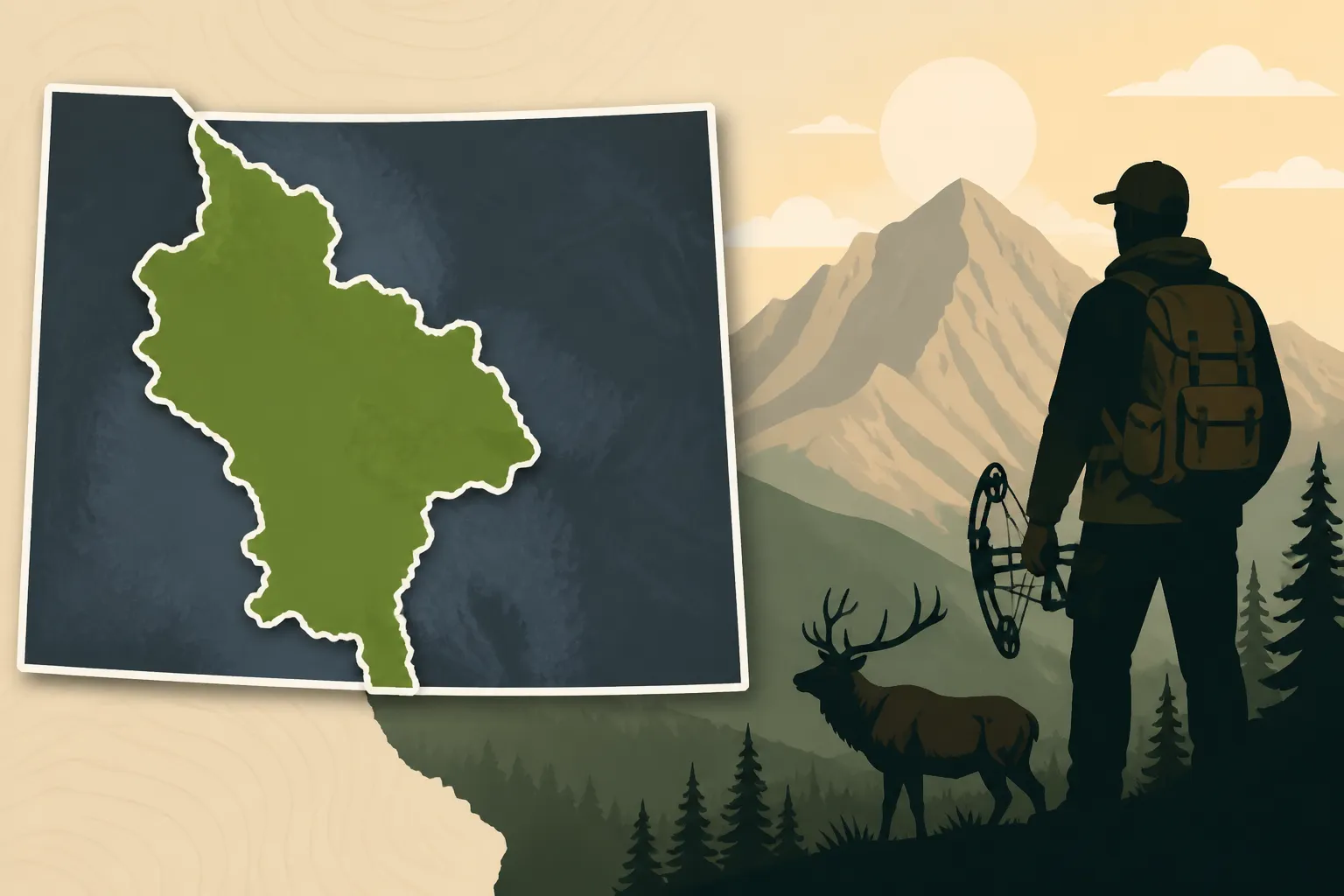
Where the Shoshone Wilderness Boundaries Sit
Hunting in Wyoming's vast public lands offers incredible opportunities, but it also comes with the challenge of understanding complex regulations and ever-shifting boundaries. Knowing exactly where you can go, what you can do, and what rules apply is absolutely critical, especially when you step into a designated wilderness area. This guide is here to help you get a firm grasp on the Shoshone Wilderness boundaries and what that means for your next hunting adventure.
Understanding the Shoshone National Forest and its Wilderness Areas
Navigating the Shoshone National Forest can feel like trying to map an ocean – it's immense, diverse, and full of hidden depths. For hunters, a clear understanding of its structure, particularly where its designated wilderness areas lie, is paramount to a successful and legal hunt.
The Larger Context of the Shoshone National Forest
Imagine an area of wild beauty stretching over 2.4 million acres, bordering Yellowstone and Grand Teton National Parks. That's the Shoshone National Forest for you. It was the nation's very first national forest, established way back in 1891, and it's a place steeped in history and natural grandeur. From towering peaks like those in the Absaroka, Wind River, and Beartooth ranges to deep valleys carved by ancient glaciers, it offers an incredible variety of terrain. This vastness means diverse ecosystems, which in turn supports a wide array of wildlife, including elk, mule deer, moose, bighorn sheep, and both black bears and grizzlies. It's a land of extremes, with harsh winters and surprisingly mild summers, making preparation key for any venture into its depths.
Within this massive forest, various management designations exist. Some areas are managed for timber, others for recreation, and still others are set aside as designated wilderness. These designations dictate everything from road access to the type of hunting experience you can expect. Understanding this mosaic is the first step in planning a trip to the Shoshone. You might drive through a section with maintained roads and campgrounds, then quickly find yourself on a trail leading deep into an area where motorized vehicles are strictly forbidden. The rules shift the moment you cross those invisible, yet legally binding, lines. Hunting the Shoshone in Northwest Wyoming can be an experience of a lifetime, but only with proper planning.
Pinpointing the Shoshone Wilderness
The Shoshone Wilderness isn't a single, monolithic block. Instead, it comprises several distinct wilderness areas within the larger Shoshone National Forest. The most prominent of these are parts of the North Absaroka Wilderness, Washakie Wilderness, and Popo Agie Wilderness. Each of these was designated by Congress under the Wilderness Act of 1964, a landmark piece of legislation designed to preserve certain federal lands in their natural, untrammeled condition. This designation means these areas are "where man himself is a visitor who does not remain." That philosophy underpins all the regulations that govern them.
The key thing to grasp is that while the entire Shoshone National Forest is public land, not all of it is wilderness. The wilderness designation applies specific, stringent rules primarily aimed at preserving natural processes and offering primitive recreation. This includes a ban on motorized vehicles, mechanized transport like bicycles, and sometimes even limits on group size or camp locations. For a hunter, this means your approach, your gear, and your overall strategy must change significantly compared to hunting in a non-wilderness part of the national forest. It's about trading convenience for wildness, and in many ways, an even more profound hunting experience. Wyoming Wilderness Areas and the Guide Rule is a concept deeply intertwined with these designations.
Navigating the Boundaries: What Every Hunter Needs to Know
Understanding that boundaries exist is one thing; knowing how to identify and respect them in the field is another challenge entirely. Wyoming’s vast landscapes don't always offer clear-cut fences or obvious signs, especially deep in the backcountry.
Physical and Geographic Markers
Out in the field, the Shoshone Wilderness boundaries are often marked by a combination of natural features and subtle signs. You might find a ridge line, a specific drainage, or a major river serving as a boundary. Sometimes, you'll encounter actual signs posted at trailheads or along major travel corridors where the wilderness boundary intersects with a road or a well-used path. These signs are often rustic, wooden, and blend into the environment, so you need to be observant. Look for language like "Entering Wilderness Area" or "Wilderness Boundary." However, relying solely on physical signs is a gamble, especially in remote areas where signs might be missing, vandalized, or simply never installed due to the rugged terrain.
Additionally, topographical maps are your best friend. They show elevations, drainages, and other features that can act as boundaries. Learning to read contour lines and identify landforms will help you mentally map the wilderness perimeter. A compass and paper map are still indispensable, especially when batteries die or GPS signals falter. Cross-referencing what you see on the ground with your map will give you confidence in your location. Remember, the legal boundary is the boundary, whether it's marked with a sign or not. Ignorance of the boundary is not a defense if you violate wilderness rules.
Digital Tools for Boundary Verification
In today's hunting world, digital mapping applications have become invaluable for boundary verification. Tools like onX Hunt and GoHunt provide detailed, layered maps that show wilderness boundaries with remarkable precision. These apps use GPS technology to pinpoint your exact location in relation to these lines. You can literally see yourself moving across the map, knowing precisely when you are about to enter or exit a designated wilderness area. This capability is a game-changer for ethical and legal hunting.
I always recommend downloading offline maps of your hunting area before heading out, especially for wilderness hunts. Cell service is non-existent in many parts of the Shoshone. With an offline map on your device, you retain all the boundary information and your GPS location, even without a signal. You can mark waypoints, measure distances, and plan your routes with confidence, ensuring you avoid inadvertent trespass into prohibited zones or areas with different regulations. These apps also often layer in public land ownership, which is crucial in areas like Wyoming where public and private parcels can be a patchwork.
The Critical Impact of Wilderness Rules on Hunting
The moment you cross into a designated wilderness area, the rules of engagement change dramatically. The most significant shift is the ban on motorized vehicles. This means no ATVs, dirt bikes, e-bikes, or even vehicles on trails designated as wilderness. Even something as seemingly benign as a mountain bike is considered "mechanized transport" and is prohibited. This immediately forces hunters to rely on foot travel or pack stock, such as horses or mules, for access and game retrieval. This significantly increases the physical demands of a hunt and alters your range and logistics.
Beyond travel, wilderness rules can also affect camping, group size, and even how you manage your waste. While hunting itself is generally permitted in wilderness areas (with valid tags and following state regulations), the method of hunting must align with wilderness principles. This means a focus on self-reliance, minimal impact, and primitive recreation. It's not just about what's legal, but about embracing the spirit of the wild. Motorized Limits Inside Wyoming Wilderness are a strict reality you must contend with.
Practical Considerations for Hunting Within the Shoshone Wilderness
Hunting in the Shoshone Wilderness is an unparalleled experience, offering solitude and a true test of skill. However, it requires meticulous planning and a deep respect for the unique regulations that govern these pristine lands.
Permitted Access and Travel Methods
When you commit to hunting inside the Shoshone Wilderness, you're signing up for a truly primitive experience. The golden rule is clear: no motorized or mechanized travel. Your two primary modes of transport will be your own two feet or the traditional method of pack animals. This means if you're planning a multi-day hunt, you'll either be carrying everything on your back – tent, sleeping gear, food, water, and hopefully, your game meat – or you'll need to arrange for a horse or mule pack string. This is where outfitters specializing in wilderness pack trips become invaluable for many hunters, especially those from out of state or those lacking their own stock.
This restriction impacts everything from scouting to game retrieval. You can't just drive an ATV to check a distant ridge line. Every mile is earned, every step intentional. This naturally funnels hunters towards different strategies; long-range glassing from outside the wilderness boundary and then packing in, or deep, multi-day excursions to find undisturbed animals. It forces you to slow down, pay attention to the terrain, and truly immerse yourself in the wild. If you're considering horses, ensure you understand Pack Stock Rules Inside Wilderness Areas, as there are specific guidelines for their use and impact.
Planning Your Hunt: Maps, Permits, and Logistics
Successful wilderness hunting begins long before you set foot on the trail. First, comprehensive maps are non-negotiable. Invest in high-quality topographical maps of your chosen hunt area, and as mentioned, utilize digital tools like onX Hunt with downloaded offline maps. Identify potential water sources, escape routes, and areas of dense timber or open basins that might hold game. You also need to understand the specific hunt area regulations for the species you're pursuing. Where Wyoming's Huntable Public Land Actually Sits highlights the importance of detailed mapping.
Next, permits. While you won't need a special permit just to enter the Shoshone Wilderness for hunting, you absolutely need your valid Wyoming hunting license and species-specific tags. Additionally, some wilderness areas or specific portions within them might have special regulations regarding camping, campfires, or group size. Always check the current year's Wyoming Game and Fish regulations and consult with the local Forest Service office covering your specific hunting area for any additional wilderness-specific rules. Logistics include everything from food and water planning (how much you need, how you'll filter or treat water), to emergency communication (satellite messengers are highly recommended), and a robust first-aid kit.
Respecting the Wilderness Ethic
Hunting in the Shoshone Wilderness isn't just about bagging an animal; it's about connecting with the land on its most primal level. This experience comes with a deep responsibility to uphold the wilderness ethic and Leave No Trace principles. This means packing out everything you pack in, including all trash, spent casings, and any non-natural items. It means properly disposing of human waste by burying it at least 6-8 inches deep and 200 feet from water, trails, and campsites. It means minimizing your impact on vegetation and soil, and keeping campsites small and discreet.
Beyond physical impact, the wilderness ethic also applies to your behavior. Maintain respectful distances from other users, manage your calls and sounds appropriately, and always prioritize wildlife welfare and habitat. This commitment to low-impact, ethical practices ensures that these incredible wild places remain wild for future generations of hunters and outdoor enthusiasts. It's a privilege to hunt in such areas, and with that privilege comes the duty to protect them. Hunting the Shoshone in Northwest Wyoming is a profound experience that demands this level of respect.
Here's a quick comparison of key differences when hunting inside vs. outside designated wilderness areas within the Shoshone National Forest:
| Feature | Inside Shoshone Wilderness | Outside Shoshone Wilderness (General NF) |
|---|---|---|
| Motorized Travel | Strictly Prohibited | Generally Allowed on Designated Roads/Trails |
| Mechanized Travel | Prohibited (e.g., mountain bikes) | May be Allowed on Designated Trails |
| Access | Foot or Pack Animals Only | Roads, ATVs, Foot, Pack Animals |
| Game Retrieval | Manual Pack-out, Pack Animals | Vehicle Access to Designated Areas |
| Guide Requirement | Nonresidents may require a licensed guide for some species | Varies; generally not required unless specified |
| Permits | Standard hunting license/tags; sometimes specific camping rules | Standard hunting license/tags |
| Camping | Primitive, low-impact, specific distance rules from water | More options, including developed campgrounds |
| Experience Focus | Primitive, solitude, self-reliance | Wider range of experiences, more accessible |
Disclaimer
This article is for general informational purposes only and does not constitute professional advice. Laws, prices and regulations vary by location and change over time. Consult a qualified professional for guidance on your specific situation.