Why Carbon County Produces Record Book Bucks
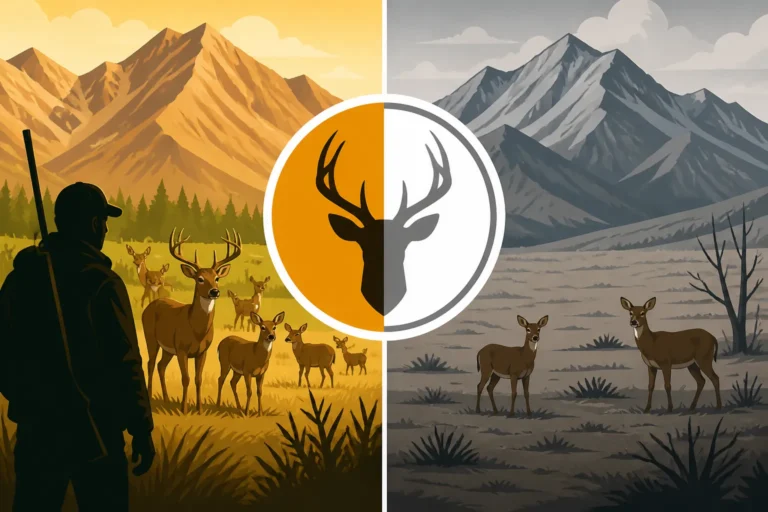
When hunters talk about Wyoming mule deer, it’s not long before Carbon County enters the conversation, often whispered with a sense of awe and a healthy dose of hopeful anticipation. You see, this vast, rugged corner of the Equality State has earned a reputation for consistently producing some truly monstrous bucks, the kind that make the record books and fill a hunter's dreams. It's not just luck; there are very real, tangible reasons why Carbon County consistently delivers when it comes to trophy-class mule deer.
The Geographic Edge: Habitat and Terrain in Carbon County
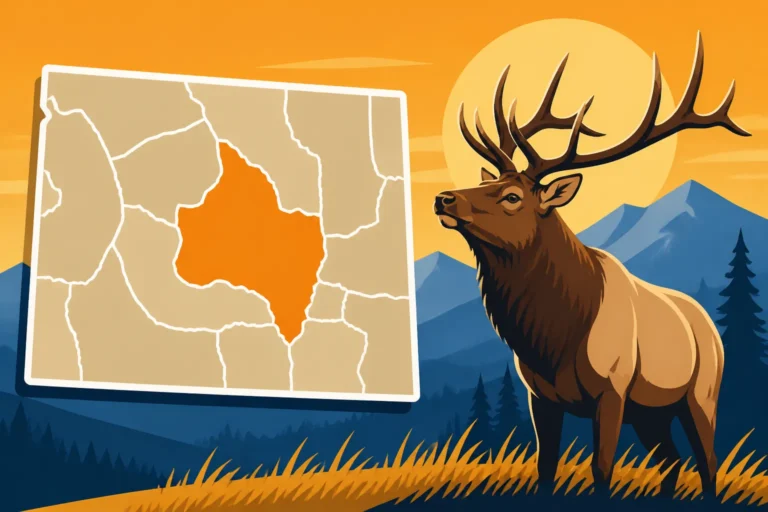
Carbon County, nestled in south-central Wyoming, isn't just big; it's a tapestry of diverse ecosystems that create an ideal environment for mule deer to thrive and, crucially, grow old and large. The sheer scale and variety of its terrain play a massive role in why this region stands out.
Expansive Sagebrush and Mountainous Terrain
Driving through Carbon County, you'll immediately notice the vast, unbroken expanses of sagebrush country. This isn't just empty space; it's prime mule deer habitat. Sagebrush provides critical forage, especially during winter months when other food sources are scarce. It’s packed with nutrients, helping deer maintain body condition even through tougher times. But it's not all flat sagebrush. The county is also home to significant mountain ranges like the Sierra Madre and the Medicine Bow Mountains, which offer entirely different habitats. These areas provide dense timber for bedding and security, higher elevation summer ranges with succulent forbs, and steep, broken country that makes it difficult for both predators and hunters to access.
Think about a mature buck trying to survive in a high-pressure area. He needs places to hide, food sources that are relatively undisturbed, and escape routes. Carbon County offers all of this in spades. The combination of open sage flats for browsing and high mountain timber for cover means bucks can move between different ecological niches, adapting to seasonal changes and finding sanctuary when needed. It’s a natural fortress, allowing bucks to expend less energy avoiding detection and more energy simply growing. You can see how this plays out when you're glassing for hours, trying to pick apart the terrain and wondering where a wise old buck might be bedded down. It really drives home the challenge and the beauty of hunting here.
Water Sources and Nutritional Richness
Water is life, especially in an arid state like Wyoming. Carbon County is crisscrossed by several crucial rivers, including the North Platte River, and features numerous smaller creeks, springs, and reservoirs. These water sources are vital, not just for hydration but for supporting the lush riparian zones that often grow along their banks. These green corridors provide different types of forage than the dry uplands, adding variety and essential nutrients to a deer’s diet.
Beyond water, the soil composition and native vegetation contribute to a high-quality diet for mule deer. The mineral content of the soil, often linked to ancient geological formations, directly influences the nutrient profile of the plants. Deer consuming these mineral-rich plants are better able to support robust body growth and, critically, impressive antler development. A buck’s antlers are essentially a reflection of his overall health and nutritional intake; the better the diet, the more resources he can dedicate to growing bone. This rich nutritional base means bucks aren't just surviving; they're thriving, putting on inches year after year. Understanding these nutritional factors is a huge part of why Carbon County Produces Record Book Bucks.
Nurturing Giants: Genetics, Age, and Resource Availability
The idea of "record book" animals isn't just about a big piece of land; it's about what that land helps cultivate. In Carbon County, several factors converge to create an environment where mule deer not only survive but also reach their full genetic and physical potential.
The Role of Genetics in Antler Growth
While habitat and nutrition are paramount, genetics provide the blueprint for antler growth. Carbon County's mule deer herds possess strong genetic lineages, passed down through generations of successful, healthy animals. These are not herds that have been severely bottlenecked by disease or extreme winters for prolonged periods, though all populations experience fluctuations. Instead, there's a consistent pool of genetic potential that allows bucks to express impressive antler characteristics when given the opportunity. This genetic heritage, combined with plentiful resources, sets the stage for massive racks.
A healthy, large deer population that experiences relatively low fragmentation allows for genetic diversity and the propagation of superior traits. If a buck has good genes for antler growth and he lives in a habitat where he can consistently get enough protein, minerals, and calories, he's got a strong chance of growing a trophy rack. It’s a delicate balance, but one that seems to be maintained quite well across much of Carbon County. It’s what allows some bucks to simply have that "extra gear" when it comes to antler development, even when other factors are equal.
Age Structure and Management Strategies
One of the most critical elements in growing record book bucks is allowing them to reach older age classes. A 1.5-year-old buck, no matter how good his genetics or nutrition, simply hasn't had the time to develop a massive rack. Antler growth generally peaks between 5.5 and 8.5 years of age for mule deer. This means successful management strategies in Carbon County must protect younger bucks and allow them to mature. Wyoming's game and fish department implements specific license allocations and season lengths, often with limited quotas, which contribute to a healthy age structure in the mule deer herds here.
These management efforts are crucial. By limiting pressure and allowing a significant portion of the buck population to survive past their younger years, the odds of encountering a truly mature, trophy-class animal go up dramatically. This approach helps explain why Wyoming has such high demand for its deer tags. Hunters often use tools like GoHunt to research unit-specific draw odds and historical harvest data, looking for those areas with a higher percentage of older age-class bucks. This isn’t a given everywhere in the state; some areas, particularly after a severe winter like the one that led to Why Surviving Bucks Are Older Than Usual in other regions, might see a dip. But Carbon County generally benefits from a stable approach that prioritizes mature animals.
Lower Hunting Pressure in Key Areas
While Wyoming is a popular hunting destination, not all areas receive the same amount of pressure. Carbon County, with its immense size and often rugged, remote terrain, has vast tracts that are simply harder to access. This inherent difficulty acts as a natural sanctuary for mule deer, allowing them to live out their lives with less disturbance from humans. Less pressure means less stress, less energy spent on evasion, and more energy dedicated to growth and reproduction.
Many hunters are drawn to the idea of a truly wild experience, and Carbon County certainly offers that. The sheer effort required to get into some of the prime hunting grounds – whether it’s miles of hiking, horseback riding, or navigating challenging two-track roads – naturally filters out many casual hunters. This results in pockets of low-pressure areas where bucks can grow undisturbed. Even in units with higher tag allocations, there are often rugged canyons, dense timber, or vast sage flats that provide refuge. These sanctuaries are vital, as they allow those genetically superior, well-fed bucks to reach their prime without constant human interference, directly contributing to the county's reputation for trophy animals.
Migration, Winter Survival, and Herd Resilience
The annual ebb and flow of mule deer across the landscape, driven by the seasons, is another critical component in Carbon County's ability to produce exceptional bucks. Their ability to survive harsh winters and utilize vast ranges directly impacts their potential.
Critical Migration Corridors
Mule deer in Carbon County, like many western populations, often undertake significant migrations between summer and winter ranges. These aren't just random movements; they are deeply ingrained, often ancient, corridors that connect crucial seasonal habitats. During the warmer months, bucks can be found high in the mountains, feasting on abundant, nutritious forbs and grasses. As winter approaches, they typically descend to lower elevations, seeking areas with less snow and more accessible forage, often in the expansive sagebrush flats.
These migration patterns are vital for herd health. They allow deer to utilize a broader range of resources throughout the year, preventing overgrazing in any single area and ensuring a diverse diet. The ability to move efficiently between these ranges means deer can access the best possible nutrition at any given time, which directly fuels antler growth in the spring. Without these critical corridors, deer would be confined to smaller, less diverse habitats, limiting their potential. Researching The Red Desert Mule Deer Migration Explained offers a fascinating look at the incredible journeys some of these deer undertake, showcasing the resilience built into their yearly cycles.
Winter Range Quality and Overwinter Survival
Winter is often the biggest hurdle for mule deer. A severe winter can decimate herds, especially younger animals and older bucks that have already put significant energy into the rut. The quality of winter range in and around Carbon County is therefore paramount. Areas that offer accessible forage, thermal cover (like dense stands of conifer or deep canyons that block wind and snow), and protection from heavy snowfalls are crucial. When bucks can successfully navigate winter, they emerge in spring in better body condition, ready to channel nutrients into antler development rather than simply recovering lost weight.
While Wyoming winters can be notoriously tough, Carbon County benefits from specific geographical features that can offer pockets of more favorable wintering conditions compared to some other regions. When combined with smart game management, this allows a higher proportion of bucks to survive year after year. Every successful winter a buck experiences adds another year of growth potential to his antlers. This long-term survival, underpinned by good winter range and consistent management, is a cornerstone of why bucks in Carbon County get so big.
Hunter's Edge: Research and On-the-Ground Tactics for Carbon County
For the hunter aspiring to tag a record book buck in Carbon County, understanding the landscape and the deer is only half the battle. The other half involves strategic preparation and smart hunting tactics.
Scouting and E-Scouting for Trophy Bucks
Successfully hunting trophy mule deer in Carbon County requires diligent scouting. This vast area is not a place where you can just show up and expect to stumble upon a monster. Hunters dedicated to finding top-tier animals spend countless hours, both digitally and physically, breaking down units. E-scouting has become an indispensable tool, allowing hunters to analyze terrain features, identify potential migration routes, locate water sources, and pinpoint bedding areas from their homes. Using platforms like GoHunt, hunters can overlay public and private land boundaries, topo maps, and satellite imagery to create a detailed plan long before their boots hit the dirt.
Once on the ground, traditional scouting methods remain king. This involves spending time during the off-season, hiking into remote areas, looking for sheds, identifying fresh sign, and understanding deer movement patterns. It's about figuring out where bucks spend their time, which cutbanks and draws might hide an approach, and how they use the terrain for cover and feeding. This deep understanding of specific areas within Carbon County is what often separates the successful trophy hunters from those who simply punch a tag. Even if you don't draw your desired tag, the knowledge gained from E-Scouting a Unit Before the Season Opens is invaluable for future applications.
Understanding Draw Odds and Tag Allocation
Wyoming operates on a preference point system for many of its desirable hunts, and tags in trophy-rich areas of Carbon County are highly sought after. This means that drawing a license can take years, especially for non-residents. Successful trophy hunting here isn't just about the hunt itself; it begins with the application process. Hunters must meticulously research draw odds, analyze point creep, and often make tough decisions about where to apply to maximize their chances over time.
Resources like GoHunt provide detailed historical draw odds and application strategies, helping hunters make informed decisions. It's a game of patience and calculated risk. Some hunters may choose to apply for a point only for several years, slowly accumulating the necessary points to draw a premier tag. Others might look at less popular Type 2 or Type 9 licenses, which may offer different opportunities. Knowing Where to Check Draw Odds Before You Apply is critical for anyone hoping to hunt a quality unit in Carbon County. It’s a multi-year investment, but one that can pay off with a buck of a lifetime.
Patience and Persistence in the Field
Even with all the scouting and the right tag in hand, hunting record book bucks in Carbon County demands immense patience and persistence. These animals are masters of their environment, using the vast terrain to their advantage. A hunter might spend days glassing a single basin, covering every inch with Binocular Size That Survives an All-Day Glassing Session, before a mature buck reveals himself. The sheer scale of the landscape means covering ground efficiently, often on foot or horseback, is paramount.
Understanding the Best Time of Day to Glass Mule Deer and knowing when and where to focus your efforts are vital. This isn't a quick hunt; it's a marathon that often requires multiple stalks, adapting to rapidly changing weather conditions, and enduring long days in rugged country. The rewards, however, are unparalleled. The satisfaction of outsmarting an old, wise buck in such a wild and beautiful setting is what draws hunters back to Carbon County year after year, reinforcing its legend as a trophy mule deer haven.
Factors Contributing to Trophy Mule Deer Potential
Here's a quick look at the major factors that stack the odds in favor of big bucks in places like Carbon County:
| Factor | Description | Impact on Antler Growth |
|---|---|---|
| Habitat Quality | Abundant, diverse forage (sage, forbs, grasses), ample water, secure cover. | Direct correlation to overall health and nutrient availability. |
| Genetic Potential | Strong lineage for large antler characteristics. | Provides the blueprint for maximum antler size and complexity. |
| Age Structure | High percentage of bucks reaching 5.5 to 8.5 years old. | Antler growth peaks in these older age classes. |
| Nutritional Intake | Consistent access to high-protein, mineral-rich vegetation. | Fuels body growth and supports robust antler development. |
| Winter Survival | Mild winters, good winter range with accessible forage and thermal cover. | Ensures bucks survive to continue growing antlers year after year. |
| Hunting Pressure | Low to moderate pressure, particularly in remote or rugged areas. | Reduces stress, allows bucks to live longer, grow larger. |
| Predator Management | Balanced predator populations to prevent excessive deer mortality. | Contributes to stable deer populations and age structure. |
Disclaimer
This article is for general informational purposes only and does not constitute professional advice. Laws, prices and regulations vary by location and change over time. Consult a qualified professional for guidance on your specific situation.