Wyoming Elk, the Feedgrounds and the Disease Question
Navigating the complexities of hunting elk in Wyoming can be a truly incredible experience, but it also comes with its own unique set of challenges, especially when you start looking at areas impacted by feedgrounds and the diseases associated with them. It’s enough to make any hunter pause and wonder what they're really getting into. This guide is here to break down the realities of Wyoming's elk feedgrounds, shed light on the pervasive issues of Chronic Wasting Disease and Brucellosis, and equip you with the knowledge you need to make informed decisions for a responsible and successful hunt.
The Lifeblood of Wyoming's Elk Herds: Understanding Feedgrounds
For generations, the image of elk in Wyoming has been intrinsically linked with rugged mountains and vast, open spaces. However, a significant portion of the state's elk population, particularly in western Wyoming, has also become reliant on supplemental winter feedgrounds. These operations, managed primarily by the Wyoming Game and Fish Department (WGFD), were established with good intentions but now present a complicated dilemma for wildlife managers and hunters alike. It’s a classic example of human intervention creating both benefits and unforeseen problems.
Why Feedgrounds Became a Necessity
The story of Wyoming's elk feedgrounds begins in the harsh winters of the early 20th century. As human settlements expanded and ranching became more prevalent, traditional elk wintering grounds were increasingly encroached upon. Elk, driven by instinct and hunger, began moving onto private agricultural lands, leading to significant conflicts with ranchers whose livelihoods depended on their haystacks and pastures. Farmers and ranchers, understandably, weren't thrilled about large herds of wild elk devouring their winter feed or damaging fences.
To mitigate these conflicts and ensure the survival of elk populations through brutal Wyoming winters, particularly in the deep snows of the Bridger-Teton and Shoshone National Forests, feedgrounds were established. The idea was simple: provide a reliable food source in designated areas to keep elk off private land and concentrate them where they could be managed. This practice helped sustain elk numbers when natural forage was scarce, preventing widespread starvation and reducing depredation issues on private property. It was a solution born out of necessity, a pragmatic approach to a pressing wildlife management problem that saved thousands of elk, especially around the Jackson area, from certain death during severe winters.
Where Wyoming's Elk Feedgrounds Are Located
Wyoming operates over 20 state-run elk feedgrounds, with the most prominent concentration found in the western part of the state, especially within the greater Yellowstone ecosystem. The National Elk Refuge, managed by the U.S. Fish and Wildlife Service, is perhaps the most famous, just outside of Jackson. But beyond the refuge, you’ll find WGFD feedgrounds scattered across regions like the Gros Ventre, the upper Green River basin, and areas near Pinedale and Afton. These areas are characterized by heavy snowfall and limited natural winter range, making supplemental feeding a long-standing practice.
Each feedground supports a specific herd unit, sometimes drawing elk from vast summer ranges down to small, concentrated winter areas. For instance, the presence of feedgrounds has a profound impact on the dynamics of herds like the Jackson Elk Herd, influencing their migration patterns and population densities. Understanding the specific locations and their associated herd units is crucial for any hunter planning a trip to these parts of Wyoming, as it can drastically affect elk distribution and hunting pressure. You might find detailed information about specific feedgrounds and their impact on herd units through resources like the Wyoming Game and Fish Department’s official website or hunting planning services such as GoHunt, which often compile this kind of crucial data for hunters.
The Daily Routine on a Wyoming Feedground
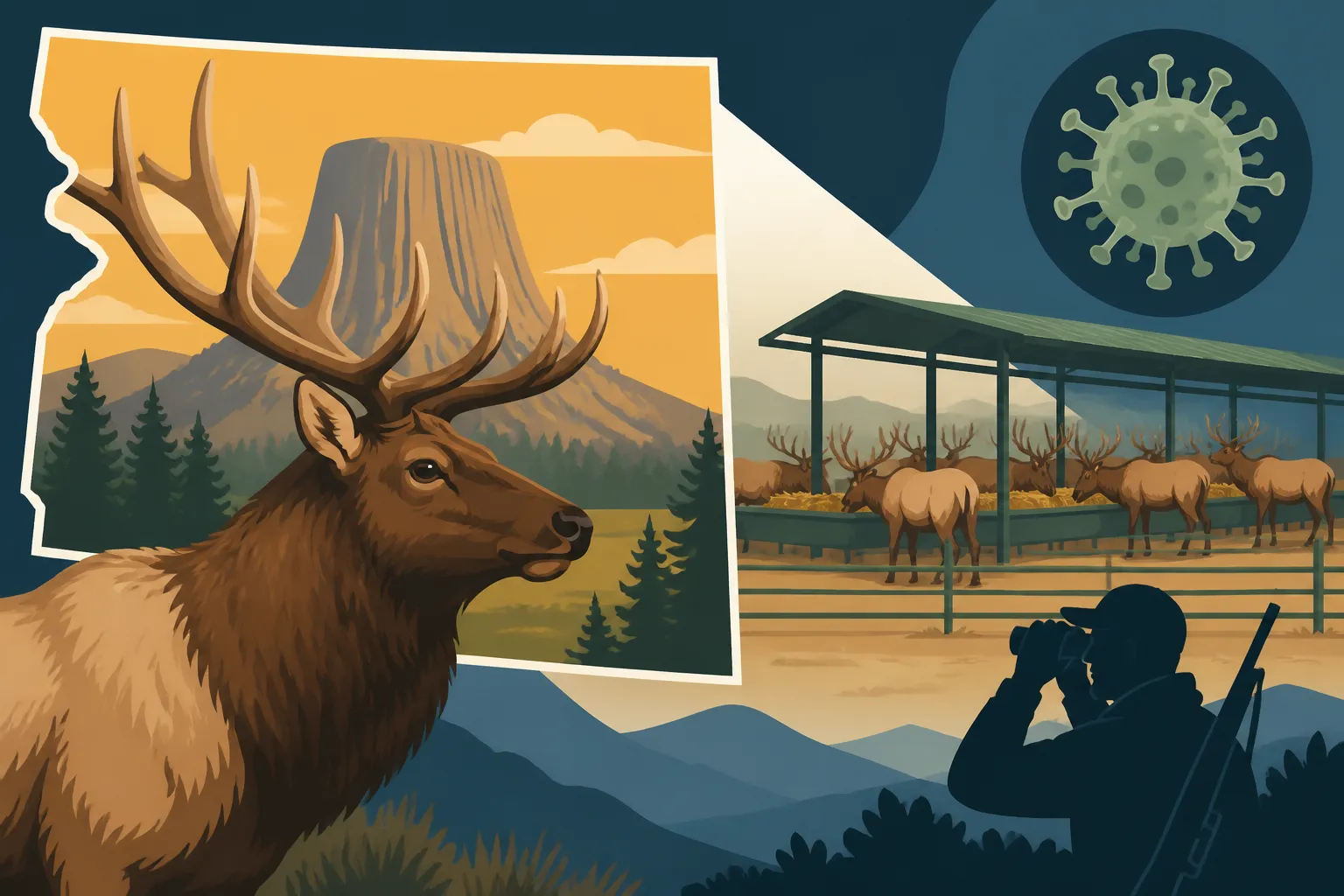
Life on an elk feedground during the winter months is a meticulously managed affair. Game and Fish personnel work tirelessly, often starting before dawn, to distribute hay across large fields, typically from December through April or May, depending on winter severity. This process is usually done with specialized tractors or horse-drawn sleighs, laying out rows of hay for thousands of elk. The goal is to spread the hay thinly enough to encourage elk to move around, minimizing competition and the potential for disease transmission, though this is a constant battle.
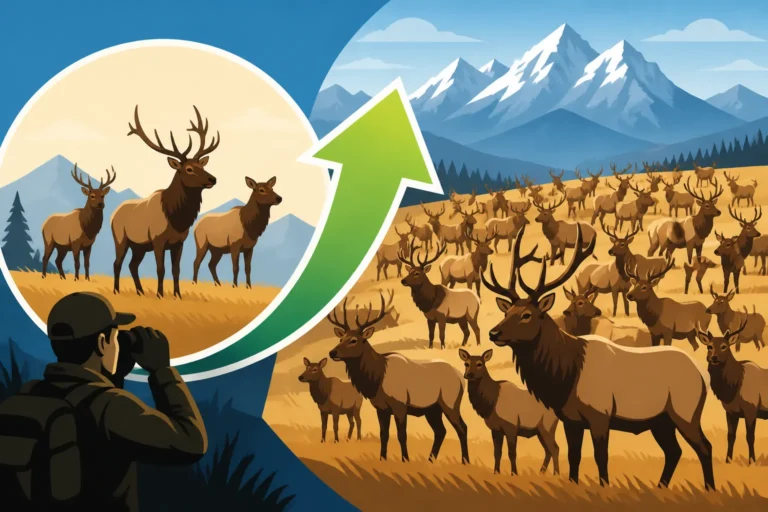
Thousands of elk can congregate on a single feedground, creating a spectacle for wildlife viewers but a headache for disease managers. The sheer number of animals in such close quarters, day after day, year after year, fundamentally alters their natural behavior and social structure. Instead of constantly moving and spreading out, they become habituated to a stationary food source. This routine, while preventing starvation, creates an unnatural density that, as we’ll discuss, unfortunately acts as a perfect incubator for various diseases, changing the very nature of these magnificent animals in these areas.
The Unavoidable Elephant in the Room: Chronic Wasting Disease (CWD)
If you're planning any kind of deer, elk, or moose hunt out west, CWD is a term you've undoubtedly heard. It's a neurological disease affecting cervids, and it's something that every responsible hunter needs to understand, especially in Wyoming where it's widespread and present on some of the state's crucial elk feedgrounds. It’s not just a scientific problem; it’s a profound challenge for wildlife management and a significant concern for hunters.
What CWD Means for Elk and Hunters
Chronic Wasting Disease is caused by an abnormal protein called a prion, which slowly degrades the brain of infected animals. Think of it like a sponge, creating holes in the brain tissue. It's always fatal, and there is no known cure or vaccine. Symptoms in elk can include drastic weight loss (wasting), stumbling, listlessness, excessive drooling, and unusual behavior, though these symptoms may not appear for a long time after infection. The disease can take years to manifest, meaning an infected animal might look perfectly healthy until its final stages.
For hunters, CWD presents multiple challenges. Firstly, there's the ethical concern of harvesting a potentially diseased animal. Secondly, there are specific recommendations and rules regarding the handling and consumption of CWD-positive meat. While there's no direct evidence of CWD transmitting to humans, public health agencies like the CDC advise against consuming meat from CWD-positive animals. This means that if you harvest an elk, especially in a known CWD area, getting it tested is a critical step. Ignoring the possibility of CWD isn’t an option when it comes to responsible hunting and food safety. This concern has led to many questions about what CWD on the feedgrounds means for hunters and how to handle a harvest safely.
Where CWD Has Been Detected on Wyoming Feedgrounds
The proximity of thousands of elk congregating daily on feedgrounds creates a perfect storm for disease transmission. CWD prions can persist in the environment for years, shed through saliva, urine, and feces. When thousands of elk share a confined space, the likelihood of prions contaminating the soil and vegetation—and then being ingested by other elk—skyrockets. It's a grim reality that some of Wyoming's most critical elk feedgrounds have indeed tested positive for CWD, creating alarm among wildlife managers and hunters.
Specific feedgrounds, particularly those in western Wyoming, have documented cases of CWD. This raises the critical question of how to manage these herds to reduce disease prevalence without abandoning the feedground system entirely, given its role in preventing depredation and starvation. The WGFD continually monitors these areas and provides updated information on CWD prevalence by hunt unit. When you're researching potential hunt units, especially through tools like GoHunt or the WGFD's interactive maps, pay close attention to the CWD status of each specific area. Knowledge of where these feedgrounds are and their disease status is paramount for any hunter considering these areas.
Hunter Responsibility in CWD Management
As hunters, we are critical partners in wildlife management, and that includes doing our part to manage CWD. The most important step you can take after harvesting an elk in Wyoming, especially in an area with CWD, is to get your animal tested. Wyoming Game and Fish offers free CWD testing for harvested cervids, and they have designated drop-off locations throughout the state during hunting season. Knowing where to get an elk tested for CWD is a simple but vital step.
Beyond testing, proper carcass handling is essential. Hunters are often required to leave the brain and spinal cord, which contain the highest concentration of prions, at the kill site or at designated carcass disposal sites. This reduces the spread of the disease to new areas. Field dressing rules often specify how much of the carcass you can transport out of the hunt unit. For instance, you can typically transport deboned meat, clean skull plates, hides, and antlers. Understanding these regulations, which are detailed in the annual hunting regulations, ensures you're not inadvertently contributing to the spread of CWD. This level of responsibility is what defines us as conservationists, making sure we protect the resource for future generations.
Brucellosis: Another Persistent Threat to Wyoming Elk
While CWD often grabs the headlines, Brucellosis is another significant disease that impacts Wyoming's elk herds, particularly those on feedgrounds. It’s a bacterial infection that, unlike CWD, can also have substantial implications for domestic livestock and the ranching community. This adds another layer of complexity to elk management in the state, creating a delicate balance between wildlife health and agricultural concerns.
Understanding Brucellosis Transmission and Impact
Brucellosis is a bacterial disease that primarily causes abortions in female elk, leading to reduced calf production and overall herd health. It's a particularly insidious disease because it targets the reproductive system. Elk typically contract the bacteria by ingesting contaminated birthing fluids, tissues, or aborted fetuses. When large numbers of elk are concentrated on feedgrounds, the risk of transmission skyrockets because the ground becomes heavily contaminated during calving season if an infected cow aborts.
The bacteria can persist in moist, cool environments for a significant period, making crowded feedgrounds ideal breeding grounds for transmission. For an elk population, chronic brucellosis can lead to lower recruitment rates (fewer calves surviving to adulthood), which can eventually impact overall herd numbers. While not directly fatal in the same way CWD is, it weakens the herd and can significantly disrupt its natural productivity.
How Brucellosis Affects Elk and Livestock
The biggest concern with Brucellosis, beyond its impact on elk populations, is its potential to transmit to domestic cattle. When elk come into contact with cattle, especially if elk are grazing on pastures used by livestock or sharing water sources, the bacteria can jump species. A Brucellosis outbreak in a cattle herd can have devastating economic consequences for ranchers, leading to quarantine, testing, and even depopulation of affected animals. This is why you often hear the discussion about Brucellosis, cattle, and Wyoming elk linked together, especially in areas where elk feedgrounds are close to ranching operations.
Wyoming's livestock industry relies heavily on its "Brucellosis-free" status, which allows for easier interstate and international trade of cattle. An outbreak linked to elk could jeopardize this status, leading to stricter regulations and significant financial losses for ranchers. This constant tension between wildlife conservation and agricultural economics is a driving force behind many of the management decisions related to elk feedgrounds and disease control in Wyoming. The situation is complex and often contentious, with no easy answers.
Management Strategies to Mitigate Brucellosis
Wildlife managers employ several strategies to try and mitigate the spread of Brucellosis in elk. One primary tool is vaccination. A live-strain vaccine, RB51, has been developed and is administered to elk, typically heifers, on feedgrounds using dart guns or through specially designed traps. The goal is to build immunity within the herd and reduce abortion rates. However, vaccinating thousands of free-ranging elk is a monumental task, and the effectiveness can be limited by various factors, including the number of animals reached and the vaccine's efficacy in wild populations.
Another approach involves reducing elk congregation on feedgrounds or altering feeding practices to disperse animals more widely. This can involve hazing elk off feedgrounds earlier in the spring or exploring alternative winter range options. However, these strategies often face resistance from local communities concerned about elk returning to private lands or from hunters worried about impacts on elk numbers. It's a constant balancing act, trying to protect elk populations, prevent disease transmission, and minimize conflict with agricultural interests. The Wyoming Game and Fish Department is constantly working on new methods to control this pervasive issue.
Navigating the Ethics and Realities of Feedground Hunting
The existence of elk feedgrounds, and the associated disease concerns, undeniably adds a layer of ethical and practical considerations for hunters. It's not just about finding an elk; it's about understanding the broader ecological and management context of your hunt. This is where personal values and a deep understanding of the regulations truly come into play.
The Debate Around Hunting on or Near Feedgrounds
Hunting on or immediately adjacent to elk feedgrounds is a contentious issue, sparking debate among hunters and non-hunters alike. Proponents argue that hunting near feedgrounds can help manage herd numbers, reduce density, and potentially slow disease transmission by removing animals that might be spreading pathogens. It also provides accessible hunting opportunities, especially for those who might not be able to tackle remote backcountry terrain. For some, it's a necessary management tool.
However, critics raise ethical concerns about the "fair chase" aspect. Elk on feedgrounds are habituated to humans and often highly concentrated, making them, arguably, easier targets than wild, free-ranging elk. Some feel it diminishes the spirit of the hunt and can create a perception of unfair advantage. There are also concerns about educating elk to avoid certain areas during hunting season, only to return to the safety of the feedground afterward. It’s a complex ethical tightrope walk, and every hunter needs to weigh these considerations for themselves. When planning your hunt, be sure to use resources like the Wyoming Hunt Planner to check specific hunt area regulations, as some areas may have special rules regarding feedground proximity.
Practical Considerations for Hunting Feedground Elk
If you decide to hunt in an area influenced by feedgrounds, there are several practical considerations to keep in mind. First, elk behavior around feedgrounds can be different from truly wild elk. They may be more tolerant of human presence but also more wary on the edges of the feedground during legal hunting hours. The sheer number of elk can be appealing, but it also means increased competition from other hunters. Expect higher hunter densities, especially on public lands adjacent to feedgrounds.
Logistically, access can be easier as feedgrounds are often near roads, but finding a truly secluded spot can be challenging. You’ll also need to be acutely aware of property boundaries, as feedgrounds are often surrounded by private land. Always have good maps, like those offered by GoHunt's mapping features, and know exactly where you stand. Furthermore, processing an animal near a feedground means dealing with the CWD and Brucellosis protocols – having a plan for testing and carcass disposal is not just recommended, it's often legally required. Understanding where cow elk tags are still available might also influence your decision, as managers sometimes offer additional antlerless tags to help reduce herd numbers in these areas.
Finding Opportunities Away From the Feedgrounds
For hunters who prefer a more traditional, backcountry experience, or who wish to avoid the ethical quandaries and disease risks associated with feedgrounds, Wyoming offers vast opportunities away from these managed areas. The state boasts millions of acres of public land in its national forests and BLM lands where elk migrate and thrive without supplemental feeding. These hunts often require more physical exertion, extensive scouting, and a willingness to pack in, but they offer the reward of pursuing truly wild, unhabituated elk.
Hunting away from feedgrounds often means focusing on the higher elevations in the early season or tracking elk during their natural migrations. Areas like the Bighorn Mountains, the Wind River Range, and the vast wilderness areas offer exceptional challenges and unparalleled experiences. Utilizing tools for E-Scouting a unit before the season opens can be incredibly beneficial for locating these less pressured areas. Look for units with less developed road systems, abundant timber, and diverse terrain. This kind of hunting requires a different mindset, more self-reliance, and a commitment to understanding natural elk behavior, like reading fresh elk sign in dark timber or understanding The Wyoming Elk Population Estimate Explained for specific regions.
The Future of Wyoming Elk Management and Disease Mitigation
The challenges posed by elk feedgrounds and diseases like CWD and Brucellosis are not going away anytime soon. Wildlife managers in Wyoming are constantly grappling with how to balance historical practices with modern ecological understanding and public concerns. It's a dynamic situation that requires continuous adaptation and cooperation from all stakeholders.
Shifting Management Paradigms and Challenges
There's a growing recognition within the WGFD and conservation circles that the long-term sustainability of elk feedgrounds in their current form is questionable, primarily due to disease risks. The idea of "feedground independence" has been a topic of discussion for years, aiming to reduce reliance on supplemental feeding where possible. This involves strategies like acquiring and enhancing winter range habitats, implementing hazing programs to discourage elk from congregating, and using prescribed burns to improve natural forage.
However, shifting these paradigms is incredibly challenging. Local communities and ranchers often depend on feedgrounds to keep elk off private land. Elk themselves have become habituated, and moving thousands of animals off a feedground permanently requires immense political will, significant financial investment, and often, new habitat acquisition. It’s a slow, incremental process with many hurdles, and the success of any new approach hinges on collaboration and understanding among all involved parties.
The Role of Science and Research in Disease Control
Science and ongoing research are absolutely vital in the fight against CWD and Brucellosis. Researchers are continually working to understand the nuances of prion transmission, develop better diagnostic tools, and explore potential vaccines or treatments for CWD, though a breakthrough remains elusive. For Brucellosis, efforts are focused on improving vaccine efficacy, delivery methods, and understanding herd immunity dynamics. The WGFD, in partnership with universities and federal agencies, invests heavily in these studies.
Long-term monitoring of elk populations, including detailed demographic studies and disease prevalence tracking, provides critical data that informs management decisions. Genetic research might also play a role in identifying elk that are more resistant to disease, potentially guiding future selective harvesting strategies. As hunters, staying informed about these scientific advancements helps us understand the rationale behind regulations and contribute more effectively to conservation efforts. Understanding Which Elk Herd Unit Is Wyoming's Largest and its particular challenges relies heavily on this scientific data.
How Hunters Can Advocate for Healthy Herds
As hunters, we have a powerful voice and a vested interest in the health of Wyoming's elk herds. Our advocacy can make a real difference. This means staying informed, participating in public comment periods for WGFD proposals, and joining conservation organizations that work on these issues. Organizations like the Rocky Mountain Elk Foundation, for example, often fund habitat projects and research that indirectly or directly address feedground and disease concerns.
It also means being proactive in our hunting practices: getting our animals tested for CWD, adhering strictly to carcass transport rules, and practicing ethical hunting methods. By being responsible and engaged, we help demonstrate that hunters are not just consumers of wildlife but dedicated stewards of the resource. Our actions in the field and our voices in policy discussions are crucial for shaping a future where Wyoming's elk can thrive, both on and off the feedgrounds.
Preparing for Your Wyoming Elk Hunt Amidst These Challenges
Hunting in Wyoming is an adventure of a lifetime, but it's one that requires careful planning, especially when considering the realities of feedgrounds and disease. Being prepared isn't just about packing the right gear; it's about making informed, responsible decisions that align with ethical hunting practices and contribute to wildlife conservation.
Researching Hunt Units and Disease Prevalence
The first step in planning any Wyoming elk hunt is exhaustive research into potential hunt units. This becomes even more critical when feedgrounds and disease are factors. Start by consulting the Wyoming Game and Fish Department's official website. They provide maps, statistics, and detailed information on CWD and Brucellosis prevalence by hunt unit. Look for the most up-to-date harvest reports and disease surveillance data. These resources will tell you which feedgrounds have tested positive for CWD, for instance.
Tools like GoHunt's Insider service can significantly streamline this research, offering detailed draw odds, unit analyses, and often, integrated information on disease prevalence that allows you to compare different areas quickly. Don't just look at the number of elk or success rates; delve into the specifics of herd health and management strategies for that particular unit. Consider the impact of winter range closures and seasonal movements. This diligent research ensures you know what you’re getting into before you even apply for a tag.
| Feature | Chronic Wasting Disease (CWD) | Brucellosis |
|---|---|---|
| Type | Prion disease (abnormal protein) | Bacterial infection |
| Target Organ | Brain and nervous system | Reproductive organs (primarily) |
| Transmission | Direct contact (saliva, urine, feces), environmental contamination (soil) | Ingestion of contaminated birthing fluids/tissues, aborted fetuses |
| Symptoms | Weight loss, stumbling, drooling, behavioral changes, listlessness | Abortions, lameness, swollen joints, reduced fertility |
| Prognosis | Always fatal | Can be chronic, leading to abortions and reduced calf crops |
| Human Risk | No direct evidence of human transmission, but health advisories recommend against consuming infected meat | Can transmit to humans (undulant fever), but rarely from wild game |
| Impact on Elk | Long-term neurological degeneration, death | Reduced reproductive success, herd health decline |
| Impact on Others | Potential spread to other cervids | Significant risk of transmission to domestic livestock (cattle) |
| Management | Testing, carcass disposal rules, herd reduction strategies | Vaccination, feedground management, hazing to separate elk/cattle |
Essential Gear for a Health-Conscious Hunt
Beyond your rifle or bow, clothing, and camp gear, a health-conscious hunt requires a few additional items. Nitrile gloves are a must for field dressing any animal, offering protection against potential disease transmission. Heavy-duty garbage bags or game bags are essential for proper carcass handling and transport, especially if you need to debone meat to comply with transport regulations. A portable saw can be useful for removing the head for CWD testing while leaving the brain/spinal column in the field.
Don't forget robust navigation tools. While onX Hunt and Gaia GPS are excellent digital options, always carry a physical map and compass as backup. Knowledge of how to read maps and navigate without electronics is crucial, especially in remote areas or if your device fails. A good pair of quality optics, such as those recommended for Optics Power for Wyoming's Long Sightlines, will help you spot elk from a distance and assess their behavior, potentially identifying sick animals before an approach. These tools help you not only hunt effectively but also responsibly manage the potential risks associated with CWD and Brucellosis.
Post-Harvest Protocols for Disease Prevention
The work isn't over once an elk is on the ground. Post-harvest protocols are where your commitment to disease prevention really shines. Immediately after field dressing, ensure you dispose of any high-risk tissues (brain, spinal cord, spleen, lymph nodes) at the kill site or in designated disposal facilities, as per WGFD regulations. These rules are part of the broader Field Dressing and Carcass Transport Rules Explained that every hunter must follow. Always wear gloves during this process.
Transporting your meat requires adherence to specific rules, especially regarding carcass parts. Familiarize yourself with these regulations before your trip. Getting your animal tested for CWD is highly recommended, and often free. The WGFD will provide instructions on where to drop off samples. Finally, practice good hygiene by thoroughly cleaning all knives, saws, and processing equipment with a bleach solution (1:10 bleach to water) to neutralize any lingering prions or bacteria. This meticulous approach ensures that you not only enjoy your harvest but also do your part to protect Wyoming's incredible elk resource for generations to come, upholding the Wanton Waste Rules Every Wyoming Hunter Should Know and demonstrating true stewardship.
Disclaimer
Always check the latest Wyoming Game and Fish Department regulations before planning or undertaking any hunting activity. Hunting rules and disease information can change annually, and it is the hunter's responsibility to stay informed and compliant with all state and federal laws.