Why Park County Has a Reputation for Elk
Finding a solid elk hunting destination in Wyoming can feel like searching for a needle in a haystack, especially with so many rumors and snippets of information floating around. You hear whispers about certain counties, but nailing down why they're so renowned for elk is tough. This guide is going to peel back the layers on Park County, Wyoming, explaining exactly why it has earned its sterling reputation among elk hunters and what you need to know to pursue a bull there yourself.
The Foundation of Park County's Elk Reputation
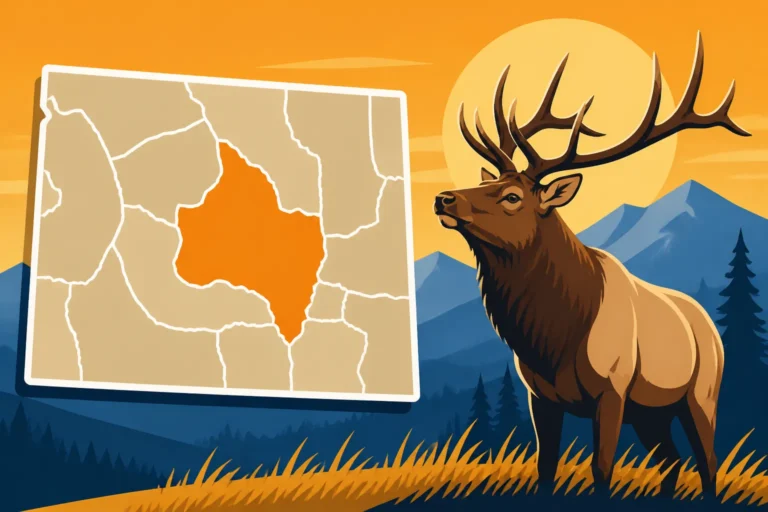
Park County, situated in the northwestern corner of Wyoming, isn't just another pretty place on a map. It's a powerhouse for elk, and that reputation is built on a few very solid pillars. When hunters talk about "good elk country," they're often envisioning exactly what Park County offers: vast landscapes, diverse ecosystems, and a strong, healthy elk population that utilizes it all.
Diverse and Robust Elk Habitat
One of the biggest reasons Park County stands out for elk is the sheer diversity and quality of its habitat. You're not just looking at one type of terrain; you're looking at a mosaic of mountains, deep timber, high-elevation basins, rolling foothills, and even lower-elevation river bottoms. This variety is critical because it provides elk with everything they need throughout the year: lush summer forage in the high country, protective cover in the dense forests, and accessible winter range when the snow flies.
Think about the Shoshone National Forest, for instance, which covers a significant portion of the county. These expansive public lands offer countless drainages, thick lodgepole pine forests, and aspen groves. This varied terrain means elk have options. They can move to escape pressure, find isolated pockets of feed, and simply exist in a way that allows herds to grow and mature. It's not uncommon to find elk transitioning between these different habitat types as seasons change, offering a dynamic hunting environment that rewards adaptable hunters.
Consistent Elk Numbers and Herd Health
It’s one thing to have great habitat, but it's another to have the elk to fill it. Park County consistently boasts some of Wyoming's most robust elk herds. These aren't just marginal populations; we're talking about thriving herds that offer good hunting opportunities year after year. While herd numbers can fluctuate due to harsh winters or other factors, the overall trend in many Park County units remains strong, making it a reliable destination for many seeking a Western elk experience.
This isn't to say every hunt is a guaranteed success – far from it. But the foundation of consistent numbers means that the potential for a successful hunt is higher. This consistency also often translates to a healthy age structure within the herd, meaning you're not just seeing cows and calves, but also mature bulls. When you combine this with the sheer amount of space these animals have to roam, it creates a recipe for quality hunting, albeit challenging. Understanding where the herd units are located and how they interact with winter ranges is crucial, and you can delve deeper into specific areas by exploring resources like Wyoming Elk Herd Units and Winter Range.
Abundant Public Land Access
For many hunters, especially non-residents, access is everything. And Park County delivers in spades when it comes to huntable public land. We're talking about massive tracts of National Forest, Bureau of Land Management (BLM) ground, and even some state lands that are open to public hunting. This is a huge draw because it means you can plan extensive DIY hunts without constantly worrying about trespassing or needing to secure expensive private land access.
Imagine endless miles of backcountry where you can truly immerse yourself in the hunt. This vastness not only provides space for elk, but also for hunters to spread out, reducing pressure in any one spot. While some areas might require more effort to reach, the sheer volume of public ground available provides a sense of freedom that’s hard to find in many other hunting destinations. Whether you're backpacking deep into a wilderness area or exploring roaded public lands, Park County offers a diverse array of access options. Remember that even with abundant public land, knowing your exact location is key. Tools like GoHunt's mapping features can be invaluable for differentiating public from private parcels and identifying access points.
A Closer Look at Park County's Prime Elk Hunting Areas
Park County isn't a monolith; it's comprised of several distinct hunt areas, each with its own character, challenges, and rewards. While the overall reputation is high, understanding the nuances of these specific units will be key to planning a successful hunt.
High-Country Wilderness Opportunities
Some of Park County’s most iconic elk hunting takes place deep within its designated wilderness areas, particularly within the Shoshone and Bridger-Teton National Forests. These are places where motorized travel is restricted, and hunters must rely on their own two feet or pack stock to get in. The effort required is substantial, but so are the potential rewards. Elk here often face less human pressure and can grow to impressive sizes, living out their lives in relative solitude.
Hunting the high country means being prepared for anything. You'll encounter rugged terrain, unpredictable weather, and likely fewer encounters with other hunters once you get a few miles from the trailhead. It’s an experience that tests your physical and mental fortitude, but for many, it's the pinnacle of Western elk hunting. These areas are often where you find those elusive, mature bulls that have learned to avoid the easier-to-access spots. Remember that for certain wilderness areas, especially for non-residents, a licensed guide is often required for specific species, so be sure to understand Wyoming's Wilderness Guide Law for Nonresidents before you plan your trip.
Foothill and Transition Zone Hunting
As the seasons progress and elk begin their migration from high-elevation summer range to wintering grounds, the foothills and transition zones become prime hunting territory. These areas, often a mix of timber, open sagebrush, and broken country, are where elk stage, feed, and move between different habitat types. Hunting these zones can be incredibly exciting, as elk are often more visible than in dense timber but still have plenty of cover to disappear into.
Success in these areas often hinges on understanding migratory patterns and being present when elk are on the move. Early archery seasons might find elk still in higher elevations, while rifle seasons, especially later ones, often align with animals pushing down towards lower ground. It’s a dynamic environment where glassing vast areas and then making a strategic stalk can pay off big time. These areas also offer varied challenges, sometimes requiring long shots across open terrain or intricate movements through patchy timber. GoHunt’s detailed mapping, which often shows historical migration routes, can be a vital tool for understanding these transition patterns and identifying potential ambush points.
River Bottoms and Private Land Edges
While much of Park County is public, there are significant areas of private land, particularly in the lower elevations and along river drainages. These river bottoms and agricultural fields can be magnets for elk, especially during the late season when food sources become scarce in higher country. However, hunting these areas presents its own set of challenges, primarily related to access.
Securing permission to hunt private land is often key here, or carefully hunting adjacent public lands while respecting boundaries. Elk often use these private havens as sanctuaries, moving onto public ground only under the cover of darkness or during specific times of day. A good strategy might involve identifying public parcels that border private land, setting up to intercept elk as they move between feed and cover. Understanding Elk Unit Maps That Show Private Land Overlays is essential here to avoid accidental trespassing and to maximize your hunting efforts on legal ground.
| Park County Elk Hunting Zone | Typical Terrain | Access Challenge | Primary Opportunity |
|---|---|---|---|
| High Country Wilderness | Rugged mountains, dense timber, alpine basins | Physical exertion, limited vehicle access | Mature bulls, low hunter pressure |
| Foothills/Transition | Mix of timber, sagebrush, broken country | Moderate physical demands, mixed access | Migratory elk, strategic glassing/stalking |
| River Bottoms/Private Edges | Agricultural fields, riparian zones, patchy timber | Private land permission, boundary navigation | Late-season elk, food source concentration |
Effective Hunting Strategies for Park County Elk
Hunting elk in Park County, like anywhere in the West, requires a blend of skill, patience, and a willingness to adapt. The tactics you employ will often depend on the specific unit you're in, the time of year, and the behavior of the elk themselves.
Mastering Mountain Glassing and Stalking
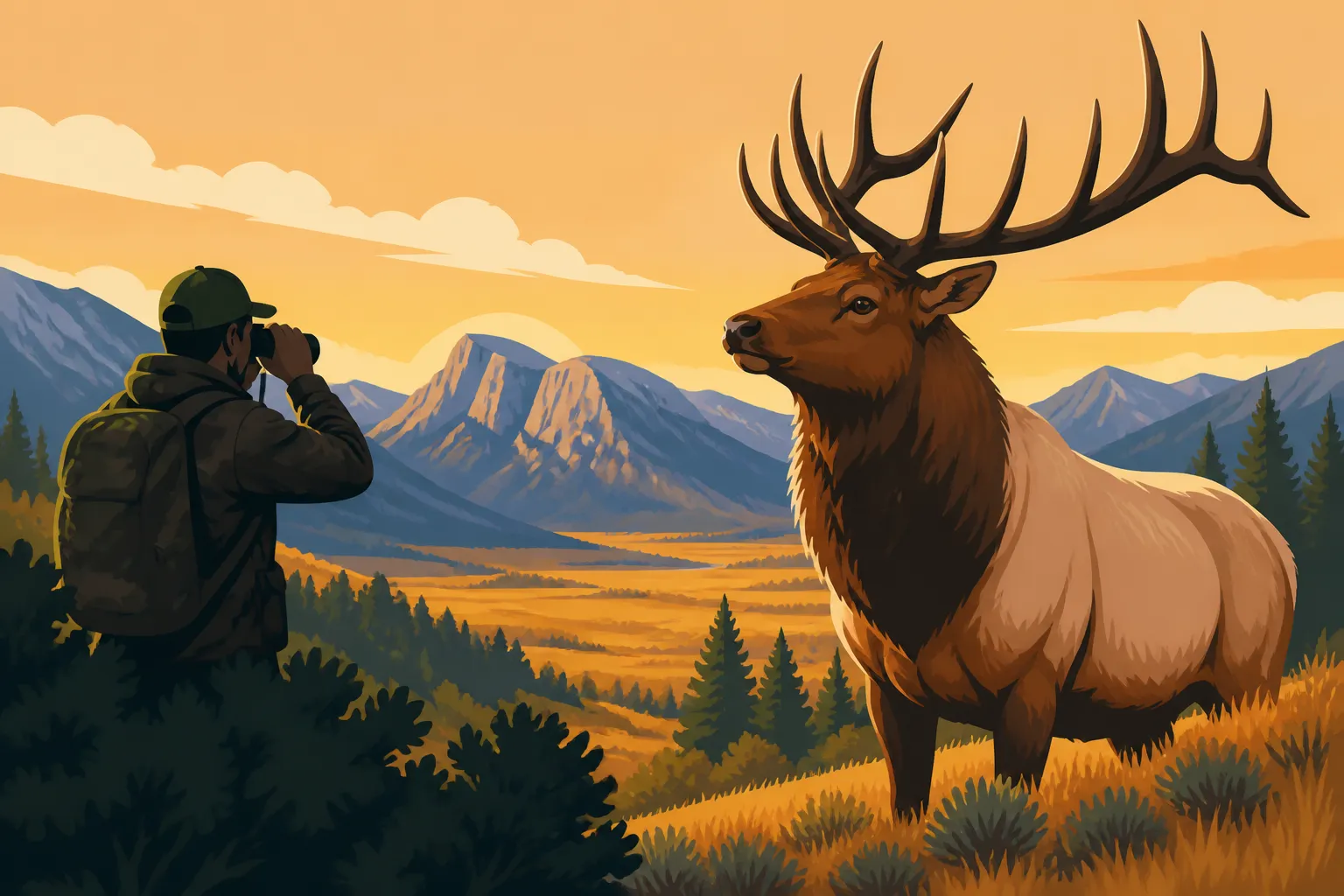
In the vast, open landscapes and broken timber of Park County, glassing is your number one tool. Instead of blindly walking, taking the time to carefully survey vast swathes of country with good optics can save you countless miles and increase your chances of spotting elk. Find a high vantage point, settle in, and meticulously pick apart the hillsides, timber edges, and drainages. This is where quality binoculars and a spotting scope truly shine. Take your time, focus on small details, and look for tell-tale signs like elk feeding, moving, or even just patches of differing color that might indicate an animal. You can learn more about this crucial skill by reading Glassing Wyoming Basins Before You Take a Step.
Once you've spotted elk, the real challenge begins: the stalk. Park County's varied terrain means stalks can range from navigating steep, rocky slopes to creeping through dense, noisy timber. Wind direction is paramount here; a swirling wind will bust your stalk every time. Plan your approach carefully, use available cover, and move slowly and deliberately. Sometimes, a successful stalk might take hours, covering significant distance while constantly assessing the elk's position and the terrain. Patience truly is a virtue in this environment.
Calling Techniques for September Bulls
If you're hunting during the early archery or rifle seasons in September, calling can be an incredibly effective strategy, especially if you're targeting rutting bulls. The raw, guttural sound of a bull bugle echoing through an autumn canyon is one of hunting's great thrills. In Park County, understanding Bugle and Cow Call Timing Through the Rut is critical. Bulls are often responsive to bugles and cow calls during this period, particularly at dawn and dusk.
However, calling is an art, not a science. Over-calling or calling at the wrong time can educate bulls and send them running. It's often most effective to combine calling with strategic positioning. A common tactic is for one hunter to call from a position designed to draw the bull past a second, strategically placed shooter. Even lone hunters can use locator bugles to find a bull, then quickly move into a good setup, using cow calls to coax him closer. Practice your calls, understand elk vocalizations, and be prepared for a fast-paced encounter when a bull comes in.
Understanding Elk Movement and Pressure
Elk are incredibly adaptable, but they are also creatures of habit, largely driven by food, water, and security. In Park County, understanding these drivers is paramount. Elk movements will change based on seasonal forage availability, water sources, and perhaps most importantly, hunting pressure. During archery season, elk might be more visible and vocal. As rifle season progresses, and more hunters enter the woods, elk will often become more nocturnal, moving into thicker cover or onto private land during daylight hours.
You need to be a detective, constantly looking for fresh sign – tracks, droppings, rubs, and wallows. These tell you where elk have been, and often, where they're headed. Pay attention to bedding areas versus feeding areas, and the travel corridors in between. E-scouting tools, especially those that incorporate historical data and topography like those offered by GoHunt, can help you predict these movements before you even set foot in the field. Don't be afraid to adjust your strategy if the elk aren't where you expect them to be. Sometimes, covering more ground, or even focusing on overlooked pockets of cover, can lead to success when the primary travel routes are too hot.
Planning Your Park County Elk Adventure
A successful elk hunt in Park County, or anywhere in Wyoming, begins long before you ever step foot in the field. Thoughtful planning, from securing your tag to preparing your body, will significantly increase your odds.
Decoding Draw Odds and License Types
Wyoming operates on a preference point system for its limited quota draw licenses, and elk tags in sought-after Park County units can be notoriously difficult to draw, especially for non-residents. It's crucial to understand the Wyoming's 75/25 Draw Split Explained and how preference points factor into your application. You'll need to research draw odds for your desired hunt areas and decide if you want to play the long game accumulating points or try your luck in the random draw.
Wyoming also offers various license types, such as Type 1 (any elk) or Type 6 (antlerless), each with different draw odds and hunting opportunities. Knowing Reading Wyoming's Type 1 Through Type 9 License Numbers is crucial. If you're struggling to draw a bull tag, pursuing an antlerless tag in some Park County units might be a more accessible way to experience elk hunting and fill your freezer. Keep a close eye on the application deadlines, which typically fall in early February for non-resident elk, and be prepared to navigate the online application system. Websites like GoHunt provide detailed draw odds analysis and application strategies that can simplify this complex process.
Physical Preparation for Rugged Terrain
This cannot be stressed enough: elk hunting in Park County is physically demanding. You will be hiking at elevation, often covering many miles over steep, uneven terrain, and potentially packing out hundreds of pounds of meat in tough conditions. If you're not in shape, your hunt will be miserable, and your chances of success will plummet. Start your physical conditioning months in advance.
Focus on cardiovascular fitness – hiking with a loaded pack, trail running, or stair climbing are excellent ways to prepare. Strength training, particularly for your legs, core, and back, will also be vital for navigating steep slopes and carrying heavy loads. Don't forget to break in your boots well before your hunt to avoid debilitating blisters. Altitude can also be a significant factor, especially if you're coming from sea level. Consider spending a few days acclimatizing in Wyoming before your hunt truly begins. Getting physically ready for Preparing for Altitude on a Wyoming Hunt can make or break your hunt.
Essential Gear for a Successful Hunt
Having the right gear won't guarantee success, but it will make your hunt safer, more comfortable, and more effective. Given Park County's varied terrain and weather, being prepared for anything is key. A solid packing list will include:
- Optics: High-quality binoculars (10x or 12x) and a spotting scope on a tripod are non-negotiable for glassing.
- Layered Clothing: Wyoming weather can change rapidly. Bring layers that can be added or removed to adapt to temperature swings, from chilly mornings to warm afternoons, and always pack good rain gear.
- Navigation: A reliable GPS unit, a topographic map, and a compass are essential, even if you rely heavily on a mapping app like GoHunt on your phone.
- Backpack: A comfortable, durable pack capable of carrying your day gear and potentially a heavy load of meat is critical.
- Footwear: Sturdy, broken-in hiking boots with good ankle support are a must.
- First Aid: A comprehensive first-aid kit for backcountry emergencies.
- Game Processing Tools: Sharp knife, game bags, and perhaps a small saw for bone.
- Shelter/Sleep System: If you're backpacking, a lightweight tent, sleeping bag, and pad suited for mountain conditions.
Remember, this is just a starting point. Tailor your gear to the specific type of hunt you're planning, whether it's a day hunt from a truck or a multi-day backcountry expedition. Every piece of gear should have a purpose and be tested before you leave home.
Disclaimer
This article is for general informational purposes only and does not constitute professional advice. Laws, prices and regulations vary by location and change over time. Consult a qualified professional for guidance on your specific situation.