Minimum Crossbow Bolt Length for Big Game
Navigating the intricate world of hunting regulations can be a real headache, and often, the most specific details are the ones that cause the most confusion. One question that frequently pops up, especially for those considering crossbows for big game, revolves around the precise requirements for your bolts. It's frustrating to think you've got everything right, only to find out a small detail could jeopardize your hunt or even land you in hot water with the Wyoming Game and Fish Department. This comprehensive guide will meticulously break down the minimum crossbow bolt length for big game in Wyoming, ensuring you're fully prepared and compliant before you ever step foot in the field.
Understanding Wyoming's Crossbow Regulations for Big Game
When you're gearing up for a big game hunt in Wyoming with a crossbow, knowing the rules isn't just a suggestion—it's absolutely essential. The state of Wyoming has clear guidelines in place to ensure fair chase and humane harvesting, and that extends to the very bolts you'll be shooting. It's not enough to simply have a crossbow; your entire setup, down to the smallest detail like bolt length, needs to adhere to these standards.
Why Bolt Length Matters for Compliance
You might wonder why the length of your crossbow bolt is such a big deal. It’s not an arbitrary rule; it's rooted in the principles of ethical hunting and ensuring sufficient kinetic energy for a clean kill. A bolt that is too short, or improperly matched to your crossbow, can affect several critical factors. For one, it can compromise accuracy, especially at longer distances where precision is paramount. A shorter, lighter bolt might fly faster initially, but it could lose stability and energy more quickly, increasing the risk of a wounded animal rather than a quick, ethical harvest.
Furthermore, proper bolt length often correlates with the overall weight and spine of the arrow, which directly impacts the amount of kinetic energy and momentum delivered to the target. Wyoming's regulations are designed to minimize suffering and maximize the chances of a clean kill, and adequate bolt length, in conjunction with other specifications, plays a role in achieving that. It's about respecting the animal and upholding the traditions of responsible hunting.
The Specific Minimum Length Requirement
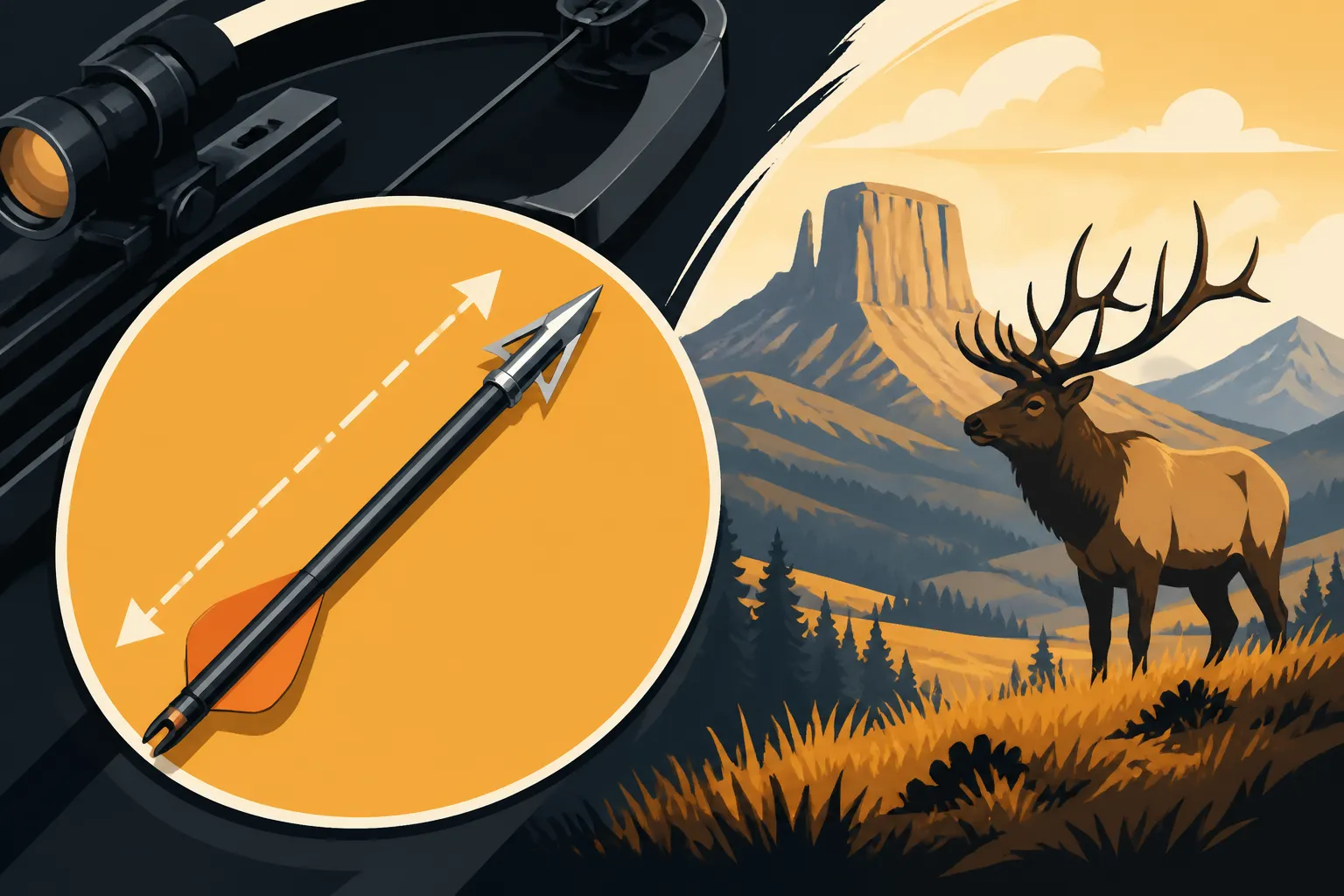
Let's cut right to the chase: Wyoming law clearly states that crossbow bolts used for big game must be a minimum of 16 inches in length. This isn't a suggestion; it's a non-negotiable legal requirement. When you're standing in the archery shop or ordering online, make sure you're looking for bolts that explicitly meet or exceed this 16-inch minimum. Don't eyeball it or assume; get out your measuring tape and confirm before you buy.
This 16-inch rule applies across the board for all big game species in Wyoming, whether you're chasing mule deer, antelope, or elk. While a longer bolt might be necessary or beneficial for certain setups or larger game, 16 inches is the absolute shortest you can legally go. Disregarding this rule could result in fines, confiscation of your equipment, and loss of hunting privileges, which is a headache no one wants to deal with after months or years of planning a hunt. For a deeper dive into all the specifics, you can also review the broader rules discussed in Crossbow Hunting in Wyoming: 90 Pounds and a 16-Inch Bolt.
Broader Crossbow Rules to Keep in Mind
While bolt length is our focus here, it's crucial to remember that it's just one piece of the crossbow puzzle in Wyoming. The state also has other important regulations you need to be aware of:
- Draw Weight: For big game, your crossbow must have a minimum peak draw weight of 90 pounds. This ensures enough power to propel a bolt with sufficient force for penetration. This is similar to the Wyoming Minimum Draw Weight for Deer Hunting for vertical bows, though the specific poundage differs. You can learn more about this by checking The Peak Draw Weight a Wyoming Crossbow Needs.
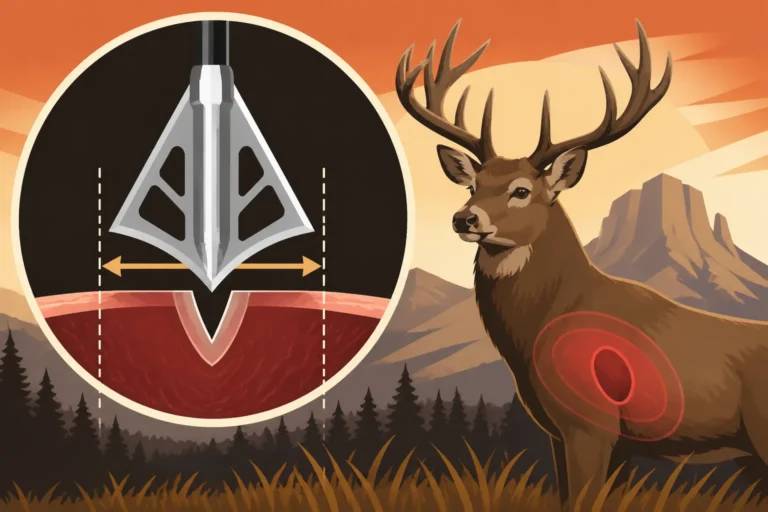
- Broadhead Requirements: Your broadheads also have specific regulations. They must be non-barbed and have a minimum cutting width of 7/8 inch. Both fixed and expandable broadheads are generally legal, provided they meet this cutting diameter. It's worth reading up on Are Expandable Broadheads Legal in Wyoming? and Fixed Blade Against Mechanical Broadheads on Elk to ensure your choice is compliant and effective.
- Disabled Hunter Exemptions: Wyoming does allow some exceptions for hunters with permanent physical disabilities who might need to use a crossbow during archery-only seasons. However, this requires a special permit and medical documentation.
- No Lighted Nocks for Archery Season: While lighted nocks are permitted for vertical bow hunting, it's important to note that they are often disallowed for crossbow hunting during certain archery seasons in some states, though Wyoming's regulations can be more flexible here. Always double-check the current year's regulations booklet for specifics on accessories like lighted nocks or suppressors, as rules can change.
Understanding these intertwined regulations will ensure your entire crossbow setup is legal and ready for your Wyoming adventure.
Practical Considerations for Choosing Crossbow Bolts
Meeting the 16-inch minimum for your crossbow bolt is non-negotiable for legal compliance, but when you're actually out in the field, you'll quickly realize that "legal" doesn't always automatically translate to "optimal." There's a whole world of performance considerations that go far beyond just the minimum length, and paying attention to these details can significantly impact your success and, more importantly, your ability to make a clean, ethical shot.
Beyond the Minimum: Factors Affecting Performance
Once you've ensured your bolts are at least 16 inches long, you'll want to think about other factors that contribute to a bolt's effectiveness. These include:
- Bolt Weight: This is probably the most critical factor after length. Heavier bolts carry more kinetic energy and momentum, leading to better penetration, especially on thick-skinned animals like elk. While faster, lighter bolts might seem appealing, they often sacrifice crucial penetration power. Many experienced crossbow hunters aim for total arrow weights (including broadhead) in the 400-500 grain range for big game, or even heavier for elk or moose. This provides a good balance of speed and knockdown power.
- Front-of-Center (FOC) Balance: FOC refers to the percentage of the bolt's total weight that is in the front half. A higher FOC (typically 10-15% for hunting) improves flight stability and penetration. This is achieved by using heavier broadheads or inserts. A well-balanced bolt flies truer and is less susceptible to wind drift, which is a major factor in Wyoming's often-windy open country.
- Spine Stiffness: The spine of a bolt refers to its stiffness. It needs to be appropriately matched to your crossbow's draw weight and speed. An improperly spined bolt can flex excessively during launch, leading to inconsistent accuracy and poor flight. Always refer to your crossbow manufacturer's recommendations for spine stiffness.
- Broadhead Choice: While we touched on this in the legal section, the type of broadhead (fixed blade vs. mechanical) plays a massive role in terminal performance. Fixed blades are known for their ruggedness and deep penetration, while mechanicals offer a wider cutting diameter and can be more forgiving in terms of flight. For bigger game like elk, many hunters still prefer a robust fixed-blade broadhead for maximum penetration.
Consider a scenario where you're hunting elk in a unit during the Wyoming Elk Season Dates Are Set Hunt Area by Hunt Area. You've followed the rule about the Minimum Crossbow Bolt Length for Big Game, but if your bolt is too light or poorly spined, even a perfectly placed shot could result in inadequate penetration, leading to a difficult tracking job or, worse, a lost animal. Thinking beyond the minimum empowers you to make more responsible and effective choices.
Matching Bolts to Your Crossbow and Target Species
The "perfect" bolt for one hunter or one species might not be right for another. Your choice of bolts should be a tailored decision based on your specific crossbow, the type of big game you're pursuing, and your personal hunting style.
For instance, if you're primarily hunting smaller big game like antelope or even whitetail deer found in the eastern river bottoms, a 16-inch bolt with a good mechanical broadhead and a moderate weight (say, 400 grains total) might be perfectly adequate. The kinetic energy needed to pass through a deer is less than what's required for a large bull elk.
However, if you're setting your sights on a massive bull elk in the rugged Shoshone National Forest, you'll want to prioritize penetration. This often means opting for a slightly longer (perhaps 20-22 inches), heavier bolt with a higher FOC and a strong, fixed-blade broadhead. The extra weight and stability will help your arrow drive through bone and muscle, ensuring the deep penetration needed for a quick, ethical kill. Many hunters rely on detailed charts and even online tools to calculate kinetic energy and momentum for different bolt and crossbow combinations. Resources like GoHunt can also offer insights into gear choices and what other successful hunters are using for specific species in Wyoming.
Ensuring Accuracy and Kinetic Energy
At the end of the day, a bolt's primary purpose is to deliver a broadhead accurately and with sufficient kinetic energy to harvest an animal cleanly. The minimum 16-inch length is a baseline, but optimizing for accuracy and kinetic energy means delving deeper.
Accuracy comes from a combination of a well-tuned crossbow, properly spined and balanced bolts, and consistent shooting form. Even a legal bolt will be ineffective if it doesn't hit its mark. Spend ample time practicing with your hunting setup, including the exact broadheads you intend to use. Different broadheads can fly differently, so practice is non-negotiable.
Kinetic Energy (KE) and Momentum (MO) are what truly matter for penetration. KE is related to the speed and weight of the bolt, while MO is more about the bolt's mass and velocity. Generally, for bigger game, momentum is often considered more critical for penetration than raw kinetic energy. A heavier bolt, even if slightly slower, often carries more momentum, which helps it push through tough hide and bone.
Here's a quick comparison of what you might consider:
| Feature | Wyoming Legal Minimum | Recommended for Deer/Antelope | Recommended for Elk/Moose |
|---|---|---|---|
| Bolt Length | 16 inches | 16 – 20 inches | 20 – 22 inches |
| Total Bolt Weight | Not specified | 380 – 420 grains | 450 – 550+ grains |
| FOC | Not specified | 10 – 15% | 12 – 20% |
| Broadhead Type | 7/8" minimum cut | Mechanical or Fixed Blade | Fixed Blade (heavy duty) |
| Kinetic Energy | Not specified | 65-75 ft-lbs | 80-100+ ft-lbs |
Remember, these recommendations are general. Always test your setup extensively before the season to ensure it performs optimally and ethically for the game you are pursuing.
Avoiding Common Mistakes and Ensuring a Successful Hunt
Hunting, especially in a state as challenging and rewarding as Wyoming, demands thorough preparation. Overlooking small details can have significant consequences, not just legally, but ethically. When it comes to crossbow hunting, ensuring your gear is perfectly dialed in is paramount.
Double-Checking Your Gear Before the Season
The excitement of the upcoming season can sometimes lead to rushed preparations, but a thorough gear check is one step you absolutely cannot skip. Before you head out, make it a ritual to inspect every component of your crossbow setup, especially your bolts.
Start by verifying the length of your bolts. Grab a tape measure and confirm that every single bolt destined for your quiver meets the 16-inch Minimum Crossbow Bolt Length for Big Game. Don't just assume they do, even if the packaging claims it. Manufacturers can have slight variations, and regulations are precise. While you're at it, inspect your bolts for any damage—cracks in the shaft, loose fletchings, or nocks that don't fit securely. A damaged bolt can fly erratically, leading to missed shots or, worse, an injured animal.
Next, check your broadheads. Ensure they are sharp and properly installed. If using mechanical broadheads, confirm they are functioning correctly and that the blades deploy as intended. For fixed blades, make sure they are tightly secured to the bolt. Also, verify your The Minimum Cutting Width a Broadhead Must Make is met.
Finally, confirm your crossbow itself is in good working order. Check the limbs, strings, and cables for any wear or fraying. Make sure your scope is securely mounted and properly sighted in with your chosen bolts and broadheads. It's not uncommon for scope mounts to loosen after a season of use or travel. This comprehensive check is your best defense against gear failure in the field.
The Importance of Practice and Shot Placement
Having a legal and optimized bolt is only part of the equation; delivering that bolt accurately is where the real skill comes in. No matter how powerful your crossbow or how heavy your bolt, a poorly placed shot will always lead to an unethical outcome.
Regular, consistent practice is the only way to build the muscle memory and confidence needed for a high-pressure hunting shot. Practice from different positions—standing, kneeling, and from elevated stands if you plan to use one. Simulate real hunting scenarios as much as possible. Focus not just on hitting the target, but on hitting the vitals zone consistently. Understand the anatomy of the animal you're hunting; knowing precisely where the heart and lungs are is critical for making an ethical shot.
Remember, a crossbow isn't a magic bullet. While it can offer greater precision than traditional bows for some, it still requires the hunter to master range estimation, windage, and follow-through. A bolt's flight path can be surprisingly affected by even a slight breeze in Wyoming's expansive landscapes, making understanding your trajectory and potential drift crucial. The skills developed through practice will enhance the effectiveness of your legally compliant and well-chosen bolts, ensuring a clean kill.
Where to Find Official Wyoming Game and Fish Information
The best and most reliable source for all Wyoming hunting regulations will always be the official Wyoming Game and Fish Department (WGFD). Their website and annual regulations booklets are the definitive authority.
Before every hunting season, make it a habit to download and thoroughly read the current year's regulations for the species you intend to hunt. Regulations can change from year to year, and what was legal last season might not be this season. Pay close attention to sections pertaining to legal archery equipment, broadhead rules, and any special provisions for crossbows, especially since Crossbow Rules That Differ From Vertical Bows often exist.
You can typically find these regulations in print at license vendors across the state, or as free PDF downloads directly from the WGFD website. Many hunters also use digital mapping tools like onX Hunt or services like GoHunt to complement their understanding of the landscape and unit boundaries, but these should always be cross-referenced with the official WGFD regulations for legal accuracy. Never rely solely on hearsay or outdated information from forums. A quick call to a WGFD regional office can also clear up any ambiguities you might encounter.
Disclaimer
Please note that hunting regulations are subject to change. While this guide aims to provide accurate and up-to-date information regarding Wyoming's crossbow bolt length requirements for big game, it should not be considered a substitute for the official Wyoming Game and Fish Department regulations. Always consult the current year's official WGFD regulations and communicate directly with the department for the most precise and legally binding information before participating in any hunting activities.