Mountain Goat Is Wyoming’s Purest Lottery
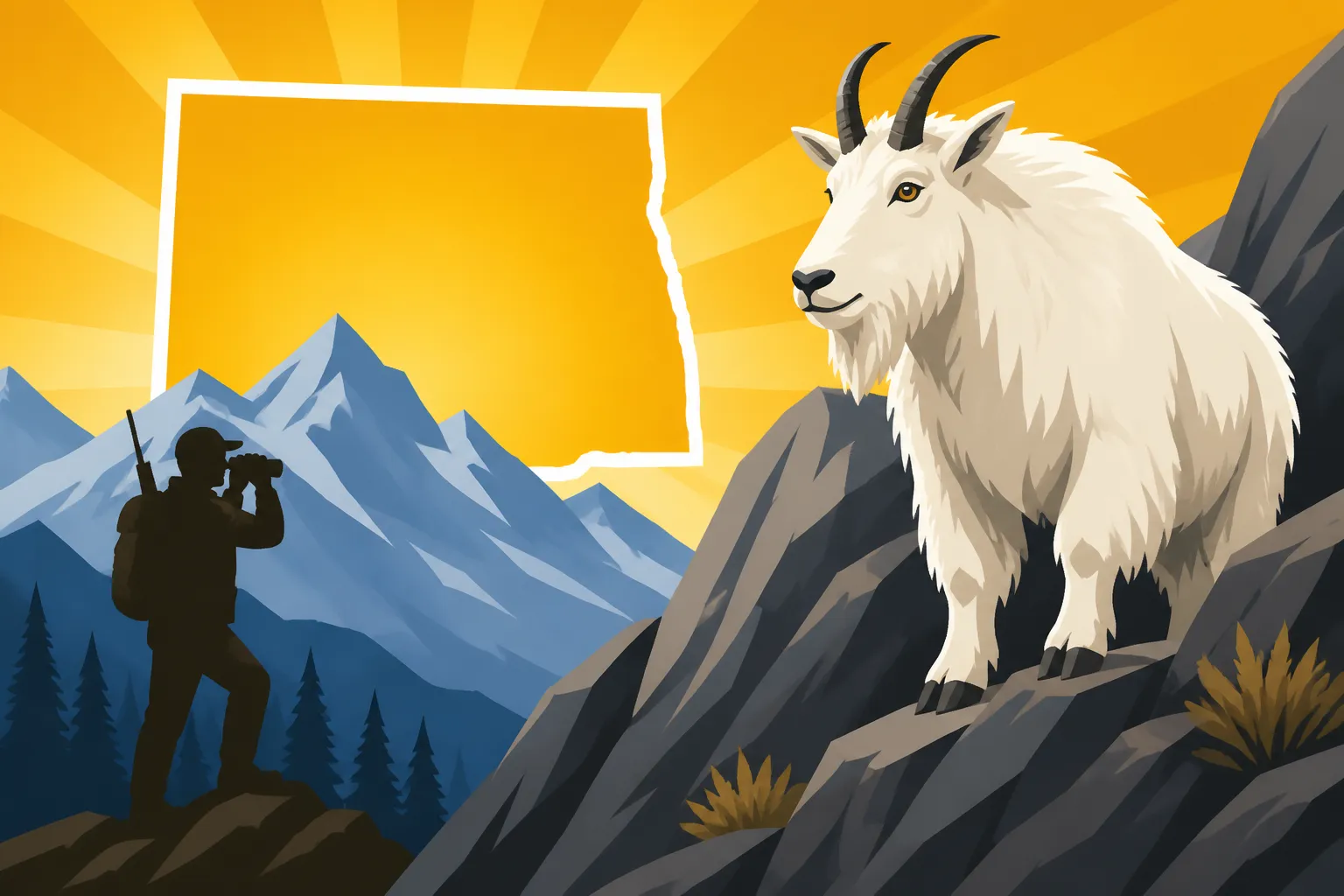
The dream of drawing a Wyoming mountain goat tag feels like hitting the ultimate jackpot, and for good reason—it's one of the rarest, most coveted big game opportunities out West. Unlike many other species where you can accumulate points to increase your odds over time, mountain goat in Wyoming is truly a "purest lottery" where every applicant starts fresh, making the journey from application to actual hunt a thrilling, often heartbreaking, gamble. This comprehensive guide will walk you through everything you need to know about pursuing these incredible alpine creatures in the Cowboy State.
Understanding the "Purest Lottery" Aspect
Let's be honest, the term "lottery" gets thrown around a lot in the world of Western big game tags, but with Wyoming mountain goats, it's not just a catchy phrase – it's the absolute truth of the draw system. There's no secret handshake, no insider trick, and certainly no accumulating points to stack the deck in your favor. It's truly a game of chance, which can be both frustrating and incredibly exciting.
Why No Preference Points?
This is the big one that separates mountain goats from almost every other desirable big game species in Wyoming. For elk, deer, and antelope, you can strategically build up preference points year after year, slowly, painstakingly increasing your odds of drawing a coveted tag in a premium unit. It's a long game, a commitment that many hunters embrace as part of the Western hunting experience. However, when it comes to mountain goats, those points simply don't exist. You can't buy a point-only application, and if you're unsuccessful in the draw, you don't receive a point. Each year, your name goes into the hat with everyone else's, regardless of how many times you've applied before or how many years you've gone without a tag. This is why it's such a pure, unadulterated lottery – everyone starts on equal footing every single time. It's tough, especially when you've dreamed of this hunt for decades, but it also means that anyone has a chance, even first-time applicants.
The Rarity of Tags Issued
Another crucial factor contributing to the "purest lottery" status is the sheer scarcity of available tags. Wyoming's mountain goat population is relatively small, and their habitat is often rugged and isolated. The Wyoming Game and Fish Department manages these herds very conservatively to ensure their long-term health and sustainability. This conservative approach means that only a handful of tags are issued each year across very limited hunt areas. We're not talking hundreds or even dozens of tags for nonresidents; often, it's a mere handful, sometimes just one or two, across the entire state. This extreme rarity is precisely why the draw odds are so astronomically low, pushing the success of drawing a tag firmly into the realm of pure chance. It highlights the importance of appreciating a mountain goat tag not just as a hunting opportunity, but as a genuine conservation privilege.
Nonresident Challenges
For nonresidents, the challenge is compounded not just by the lack of preference points and the rarity of tags, but also by the allocation structure. While specific numbers can fluctuate, Wyoming typically reserves the vast majority of its big game tags for residents. For a species as rare as mountain goats, this means the nonresident quota is exceptionally small. Often, if there are even five tags issued for a specific mountain goat hunt area, perhaps only one of those, if any, will go to a nonresident. This is a common practice in Western states, aiming to provide hunting opportunities for their own citizens who contribute directly to the state's wildlife management through their taxes and license fees. Understanding that nonresident mountain goat tags are typically scarce further solidifies the lottery aspect and makes drawing one an even more monumental accomplishment. If you're looking at the overall picture of nonresident tags, it’s worth noting that Wyoming Nonresident Tags Run $326 to $1,965, which covers application fees and license costs if you are successful in the draw.
The Elusive Wyoming Mountain Goat
Wyoming's mountain goats are breathtaking animals, perfectly adapted to their extreme high-altitude environments. Spotting one of these white ghosts against a backdrop of granite peaks is an experience in itself, whether you're hunting them or just appreciating their wild beauty.
Wyoming's Mountain Goat Habitat
Mountain goats in Wyoming primarily inhabit the most rugged, high-alpine terrain of the state's western mountain ranges. Think of the precipitous slopes of the Wind River Range, the Teton Wilderness, and parts of the Absaroka Range. These are not gentle foothills; this is country characterized by jagged peaks, sheer rock faces, permanent snowfields, and sparse vegetation, often above timberline. They thrive in environments where other large ungulates struggle, using their incredible climbing ability and specialized hooves to navigate seemingly impossible cliffs and ledges. This harsh environment is exactly why mountain goat hunting is so physically demanding. Accessing these areas often requires significant hiking, backpacking, and technical climbing skills, making even scouting a formidable endeavor. Understanding mountain goat hunt district boundaries is crucial for pinpointing where these animals might be found and which units to focus your lottery hopes on.
Population Estimates and Management
Wyoming's mountain goat population is relatively small and isolated, not widespread like elk or deer. The Wyoming Game and Fish Department (WGFD) works diligently to monitor these populations through aerial surveys and ground observations. Due to their low numbers and the fragility of their alpine habitats, management is extremely conservative. The goal is always to maintain healthy, stable herds, and this often means very limited hunting opportunities. Harvest quotas are set meticulously, taking into account population trends, herd health, and habitat conditions. This careful management is why the number of tags issued remains so low and why drawing one is such a rare privilege. Hunters play a vital role in this conservation effort, providing valuable data from the field and helping to fund management through license sales.
Identifying a Legal Animal in the Field
When you're fortunate enough to draw a mountain goat tag, correctly identifying a legal animal in the field is paramount. Mountain goat tags are often for "any mountain goat," but ethical hunters will almost always focus on mature billies (males) to help maintain herd health and population structure. Distinguishing between a billy and a nanny (female) can be tricky, especially at long distances or in challenging terrain. Billies tend to be larger in body size, with thicker necks and broader shoulders, and their horns often have a more pronounced curve and thicker bases. Nannies are generally smaller and more slender, with thinner horns that might be straighter. Observing their behavior can also offer clues; billies might be found alone or in smaller bachelor groups, while nannies are often seen with kids (young goats) or in larger maternal groups. Knowing the nuanced differences is critical to making an informed decision when you finally get an opportunity, ensuring a clean, ethical harvest and supporting the conservation goals for these magnificent animals.
Navigating the Application Process
Even though it's a lottery, you still have to play to win! The application process for a Wyoming mountain goat tag is straightforward, but missing a key deadline or misunderstanding a rule can cost you your chance entirely.
Key Application Deadlines
Like all other big game species in Wyoming, mountain goat applications adhere to strict deadlines. It's absolutely crucial to mark these dates on your calendar and set reminders, because there's no flexibility once they've passed. Historically, the application period for bighorn sheep, moose, and mountain goat in Wyoming typically closes around April 30th. This is earlier than deer and antelope, so don't get caught out! Ensure your application is submitted well in advance of the deadline. The Wyoming Game and Fish Department website is the definitive source for current year deadlines, and it's always wise to double-check their official regulations each season. Missing the deadline means missing your only chance for that year, and for a species with no preference points, that's a year completely lost. Keep in mind that Wyoming's Four Application Deadlines, February Through June are spread out across different species, so pay close attention to the specific dates for mountain goats.
Wyoming's Once-in-a-Lifetime Rule
This is a critical rule that every aspiring Wyoming mountain goat hunter needs to understand: a mountain goat tag in Wyoming is a once-in-a-lifetime opportunity. This means if you are fortunate enough to draw and harvest a mountain goat in Wyoming, you can never apply for or receive another Wyoming mountain goat license again. This rule is in place to distribute the extremely limited opportunities among as many hunters as possible, making that single tag even more special. It truly emphasizes the unique privilege of harvesting one of these animals in Wyoming. Because of this, when you do draw, the pressure is on to make the most of that singular experience. There's no "next year" for a mountain goat once you've punched that tag in Wyoming. This is also why many hunters commit to thorough scouting and even hiring outfitters to maximize their chances of success on their one shot. The implications of The One Goat License in a Lifetime Rule cannot be overstated for hunters dreaming of this experience.
The Online Application Steps
Applying for a Wyoming mountain goat tag is done entirely through the Wyoming Game and Fish Department's online Electronic Licensing System (ELS). If you've applied for other species in Wyoming, the process will feel familiar. First, you'll need an ELS account. If you don't have one, setting it up is relatively simple, requiring personal information and creating a login. Once logged in, you'll navigate to the "Apply for Licenses" section, select "Mountain Goat," and choose your desired hunt area. It's absolutely vital to confirm the hunt area number before submitting, as mistakes can't always be rectified easily. You'll also need to provide your payment information for the application fee and the full license fee, which will only be charged if you are successful in the draw. Always review your application thoroughly before hitting submit, checking all details from your personal information to your chosen hunt area. A small error could invalidate your application or prevent you from receiving a tag, making all that waiting and hoping for naught.
Analyzing Draw Odds and Strategies
Since preference points are out of the picture for mountain goats, understanding the pure random draw mechanics and leveraging available data becomes even more important. It's about making the most informed gamble possible.
Understanding Random Draw Mechanics
In a pure random draw, every valid application has an equal chance of being selected, regardless of how many times that individual has applied in the past. Imagine all eligible applications for a specific hunt area being thrown into a digital hat. The computer then randomly pulls out names until all available tags are allocated. This means that a first-time applicant has the exact same statistical chance as someone who has applied for twenty years unsuccessfully. While this can feel disheartening for those who have put in years of hopeful applications, it also means that anyone can draw this incredibly rare tag at any given moment. There’s no complex algorithm to game, no points to worry about – just pure, unadulterated chance. This is fundamentally different from How Wyoming Splits Every Draw 75 Percent Points and 25 Percent Random for other species.
How Many Goat Licenses Nonresidents Received Last Year
To give you a realistic picture of the odds, it’s always helpful to look at past draw results, specifically focusing on the number of nonresident tags issued. These numbers are typically very low, often one or two for the entire state, or sometimes zero for a particular hunt area in a given year. The Wyoming Game and Fish Department publishes draw odds and past harvest data on their website, which is an invaluable resource. For example, knowing How Many Goat Licenses Nonresidents Received Last Year provides a tangible benchmark for the extreme rarity. When you see that only one nonresident tag was issued for, say, Hunt Area 1 for mountain goat, and there were hundreds of nonresident applicants, it really drives home the "pure lottery" aspect. This data also helps temper expectations and gives you a realistic understanding of the challenge ahead.
Using Data to Inform Your Application
While it's a lottery, being strategic with your application still matters. This is where tools from companies like GoHunt can be incredibly helpful. Platforms like GoHunt consolidate past draw odds, harvest statistics, and hunt area information, making it easier for you to analyze trends, even in a random draw. You might look for a hunt area that historically has a slightly higher number of tags, or perhaps one that consistently shows a greater success rate for hunters. Although there are no preference points, understanding the total number of applicants versus the tags available, both resident and nonresident, allows you to pick the "least bad" odds, so to speak. Maybe one hunt area consistently has 300 applicants for one tag, while another has 200 applicants for one tag – that’s still 1 in 200 versus 1 in 300, a minor but still statistically better chance. It's about playing the numbers as intelligently as possible, even when those numbers are stacked against you. GoHunt or similar resources also offer mapping tools that can help you understand the terrain, access points, and wilderness boundaries within potential hunt areas, aiding in your pre-application research.
Preparing for a Wyoming Mountain Goat Hunt
Drawing a tag is only half the battle; the physical and mental demands of a mountain goat hunt are unlike almost any other. These animals live in some of the most unforgiving terrain on the continent, and being prepared is not just about success, it’s about safety.
Physical Conditioning for Alpine Terrain
Let's not sugarcoat it: mountain goat hunting is brutally physically demanding. These animals live in vertical worlds, and to hunt them successfully, you need to be able to follow. We're talking about sustained climbing, often with a heavy pack, at high altitudes where oxygen is scarce. Many hunt areas are above 10,000 feet, and you could easily find yourself navigating rocky scree fields, steep talus slopes, and even crossing snowfields. Months, even a year, of dedicated physical training is not overkill. Focus on exercises that build cardiovascular endurance (hiking with a weighted pack, stair climbing, running), leg strength, and core stability. It’s not just about being able to hike, it’s about being able to hike all day, ascend thousands of feet, and then still be steady enough to shoot accurately. Proper Physical Conditioning for a Mountain Hunt is not merely a recommendation; it's a requirement for a safe and successful goat hunt.
Mental Fortitude in High Altitudes
Beyond the physical grind, the mental aspect of mountain goat hunting is equally challenging. High altitudes can play tricks on your mind, leading to fatigue, nausea, and poor decision-making if you're not acclimatized or prepared. The constant exposure to harsh weather, the solitude of remote wilderness, and the sheer difficulty of the terrain can test your resolve. You'll face moments of doubt, exhaustion, and potentially extreme discomfort. Mental toughness, resilience, and a positive attitude are just as important as strong legs and lungs. Being able to push through when every fiber of your being wants to quit, to remain focused when your body is screaming for rest, and to stay optimistic through days of fruitless searching is crucial. Having a solid team, if you're not going solo, also helps immensely in maintaining morale and making sound decisions. Remember, Preparing for Altitude on a Wyoming Hunt involves more than just a few days of pre-hunt acclimatization; it’s a commitment to training your body and mind.
Scouting Remote Mountain Goat Country
Once you've drawn that coveted tag, the real work begins. Mountain goat country is often vast, remote, and difficult to access, making traditional "boots on the ground" scouting incredibly challenging. This is where a blend of e-scouting and targeted physical scouting becomes vital. Utilize satellite imagery, topographic maps, and hunting apps like GoHunt to identify potential travel corridors, bedding areas, feeding grounds, and most importantly, access routes. Look for areas with a good mix of precipitous escape terrain and accessible basins or benches where goats might feed. Pay attention to water sources and south-facing slopes that might melt out earlier in the season. For physical scouting, prioritize areas that offer a good vantage point for glassing vast expanses of country. This might mean backpacking into a high camp for several days. However, also understand that much of Wyoming's mountain goat habitat falls within designated wilderness areas, which come with specific rules regarding motorized travel and guide requirements. Ensure you understand Wyoming Wilderness Areas and the Guide Rule if your hunt takes you into these special zones.
Ethical Hunting and Conservation
A mountain goat hunt isn't just about the challenge or the trophy; it's about connecting with a truly wild place and contributing to the conservation of a unique species. Ethical hunting practices are paramount.
Minimizing Impact in Fragile Ecosystems
Mountain goats inhabit some of the most delicate and easily disturbed ecosystems in Wyoming. When you're in their high-alpine world, every step you take has an impact. Practicing Leave No Trace principles is absolutely non-negotiable. This means packing out everything you pack in, including all trash and food scraps. Camp on durable surfaces, minimize your footprint, and respect wildlife. Avoid disturbing sensitive vegetation, and be mindful of your presence around water sources. In these fragile environments, even small impacts can have lasting consequences. It’s also important to understand specific regulations regarding campfires, motorized travel, and food storage, especially in grizzly country. Your presence as a hunter should be as invisible as possible, leaving the landscape just as you found it, if not better. This deep respect for the land is a cornerstone of ethical hunting.
Meat Salvage and Trophy Care
After a successful harvest, the work is far from over. Wyoming, like most states, has strict regulations regarding meat salvage, often referred to as "wanton waste" laws. This means you are legally obligated to pack out all edible portions of the animal. For a mountain goat, often taken in incredibly remote and rugged terrain, this can be an monumental task. It will likely require multiple trips, a strong pack frame, and immense determination. Plan for this in advance, both in terms of physical readiness and logistical support. You might need to make multiple trips to pack out the meat, hide, and skull. Proper field dressing in these conditions is also crucial to cool the meat quickly and prevent spoilage. For the trophy—the hide and skull with horns—careful preparation in the field is essential to ensure it reaches your taxidermist in pristine condition. This includes proper skinning, removing as much meat and fat as possible, and cooling the cape quickly. This ensures that every part of the animal is utilized and respected.
The Role of Hunters in Conservation
Hunters are, and always have been, the original conservationists. The funds generated through the sale of hunting licenses and tags, including those for mountain goats, directly contribute to wildlife research, habitat improvement, population monitoring, and enforcement efforts by the Wyoming Game and Fish Department. Without these funds, many of Wyoming's wildlife populations would not thrive as they do. By participating in the mountain goat draw, even if you are unsuccessful, you are contributing financially to the management of this incredible species. Moreover, successful hunters provide invaluable data to biologists, offering insights into herd health, age structures, and spatial distribution that help inform future management decisions. Ethical hunting ensures that this privilege is sustained for future generations, underscoring the vital connection between hunters and the health of Wyoming's wild places.
Essential Gear for High-Altitude Hunting
Hunting mountain goats in Wyoming is an extreme endeavor that demands specialized gear. Your equipment needs to be rugged, lightweight, and absolutely reliable to keep you safe and effective in some of the harshest environments.
Specialized Optics for Extreme Distances
When hunting mountain goats, quality optics are not a luxury; they are an absolute necessity. You’ll be spending countless hours glassing vast, steep mountain faces, searching for a tiny white speck that might be a goat. This requires high-magnification binoculars, a powerful spotting scope (20-60x or even 27-80x is ideal), and a sturdy tripod. Don't skimp on these items. Brands like Swarovski, Zeiss, Kowa, and Vortex offer top-tier options that will perform in the low light and difficult conditions you'll encounter. A good tripod is non-negotiable for stable glassing at extreme distances, allowing you to pick apart every rock and snow patch. Rangefinders are also crucial for accurately judging distances in steep terrain, which can often be deceiving. Often, you'll spot a goat miles away, and good optics allow you to determine if it's worth the grueling trek. Consider the power needed for Optics Power for Wyoming's Long Sightlines to ensure you're adequately equipped.
Clothing Layers for Variable Weather
Wyoming's high country weather is notoriously unpredictable. You can experience all four seasons in a single day, from freezing rain and snow to blistering sun and high winds. The key to staying comfortable and safe is a robust layering system. Start with a moisture-wicking base layer to manage sweat, add an insulating mid-layer for warmth (fleece or down/synthetic puffy), and top it off with a bombproof waterproof and windproof shell jacket and pants. Don't forget insulated gloves or mittens, a warm hat, and gaiters to keep snow and debris out of your boots. Wool and synthetic materials are generally preferred over cotton, which loses its insulating properties when wet. Being able to adapt to rapidly changing conditions by adding or shedding layers quickly is vital for maintaining your core temperature and preventing hypothermia or overheating.
Footwear and Traction for Steep Terrain
Your feet are your most important tool on a mountain goat hunt, and the right footwear can make or break your trip. You need sturdy, waterproof mountaineering boots with excellent ankle support and a stiff sole for kicking steps and edging on steep slopes. Brands like La Sportiva, Scarpa, and Kenetrek are popular choices among serious mountain hunters. Break them in thoroughly before your hunt to avoid blisters. Paired with high-quality wool socks (bring multiple pairs), they will protect your feet from the harsh terrain and keep them comfortable. For added traction and safety, especially on icy or snow-covered slopes, microspikes or even full crampons might be necessary. A trekking pole or two is also invaluable for stability, reducing strain on your knees during descents, and testing uncertain footing. Remember, going into areas like the Wind River Range or the Tetons unprepared for the verticality is a recipe for disaster.
Common Mistakes to Avoid
Even with the best preparation, mountain goat hunting is incredibly challenging. Knowing the pitfalls can help you avoid costly errors and increase your chances of a successful and safe hunt.
Underestimating Physical Demands
This cannot be stressed enough: many hunters underestimate the sheer physical toll a mountain goat hunt takes. It’s one thing to train in a gym or hike local trails; it’s another to perform at your peak for days on end at 11,000 feet, battling weather, carrying a heavy pack, and navigating dangerous terrain. A common mistake is not starting physical preparation early enough or not simulating hunt conditions (e.g., training with a weighted pack on steep inclines). The consequence of being physically unprepared can range from simply not being able to reach goat country, to increased risk of injury, to being unable to pack out your animal if successful. Don't let your dream hunt be cut short because your body wasn't ready. This often means committing to serious conditioning at least 6-12 months out.
Neglecting Proper Gear
Another critical error is skimping on or neglecting proper gear. Mountain goat country is unforgiving, and substandard equipment can quickly lead to dangerous situations. This includes everything from cheap rain gear that wets out, to unreliable optics that fail in the cold, to uncomfortable boots that cause debilitating blisters. Always invest in the best quality gear you can afford, and rigorously test it before your hunt. Don’t bring new, untried equipment on a remote mountain goat hunt. Ensure your backpack is properly fitted and can comfortably carry heavy loads. Critically, understand the importance of navigation tools—a reliable GPS device (beyond your phone), backup maps, and a compass are essential, as cell service will be non-existent in much of this terrain. Failing to have a crucial piece of gear, or having it fail on you, could jeopardize your hunt or even your safety.
Misinterpreting Regulations or Boundaries
Wyoming's hunting regulations, while comprehensive, can be complex, especially when dealing with specific hunt areas, wilderness boundaries, and guide requirements. A significant mistake hunters make is not thoroughly understanding these regulations, which can lead to legal issues or lost opportunities. Always carry a copy of the current year's regulations. Pay meticulous attention to hunt area boundaries, ensuring you're always on legal ground, particularly where public and private lands meet, or where special use areas like wilderness begin. For nonresidents, remember that Wyoming Requires One Guide for Every Two Nonresident Hunters in designated wilderness areas for bighorn sheep, moose, and mountain goat. This is a critical rule that can invalidate your hunt if not followed. Double-check all dates, legal methods of take, and tagging requirements. Ignorance of the law is never an excuse, and compliance is essential for ethical and legal hunting.
Disclaimer
Please note that hunting regulations, seasons, and draw odds can change annually. This guide provides general information based on typical Wyoming Game and Fish Department regulations. Always consult the most current Wyoming Game and Fish Department regulations, official publications, and hunt area maps before applying for or embarking on any hunt. It is the hunter's responsibility to know and follow all applicable laws.