A Full List of Wyoming’s Elk Hunt Units
Navigating the labyrinth of Wyoming's elk hunt units can feel like trying to solve a puzzle with half the pieces missing, especially when you're dreaming of that first big game tag out West. It's tough to plan a successful hunt if you don't even know which areas are open, what kind of experience to expect, or how to even begin researching. This guide is here to untangle the complexities of Wyoming's elk hunt unit system, giving you a clear picture of how these units are structured and how to start finding the perfect spot for your next adventure.
Understanding Wyoming's Hunt Unit System for Elk
The first step to any successful Wyoming elk hunt, whether you're a seasoned veteran or a wide-eyed newcomer, is truly understanding how the state divides its hunting grounds. It's not just a bunch of random lines on a map; there's a method to the madness, designed to manage elk populations and hunting pressure. If you don't grasp this foundation, you'll constantly be playing catch-up, feeling overwhelmed by the regulations.
The Basics of How Hunt Units Work
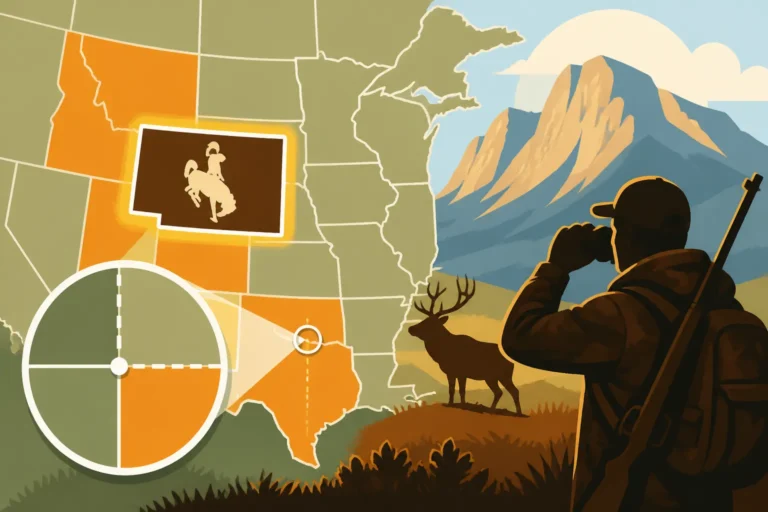
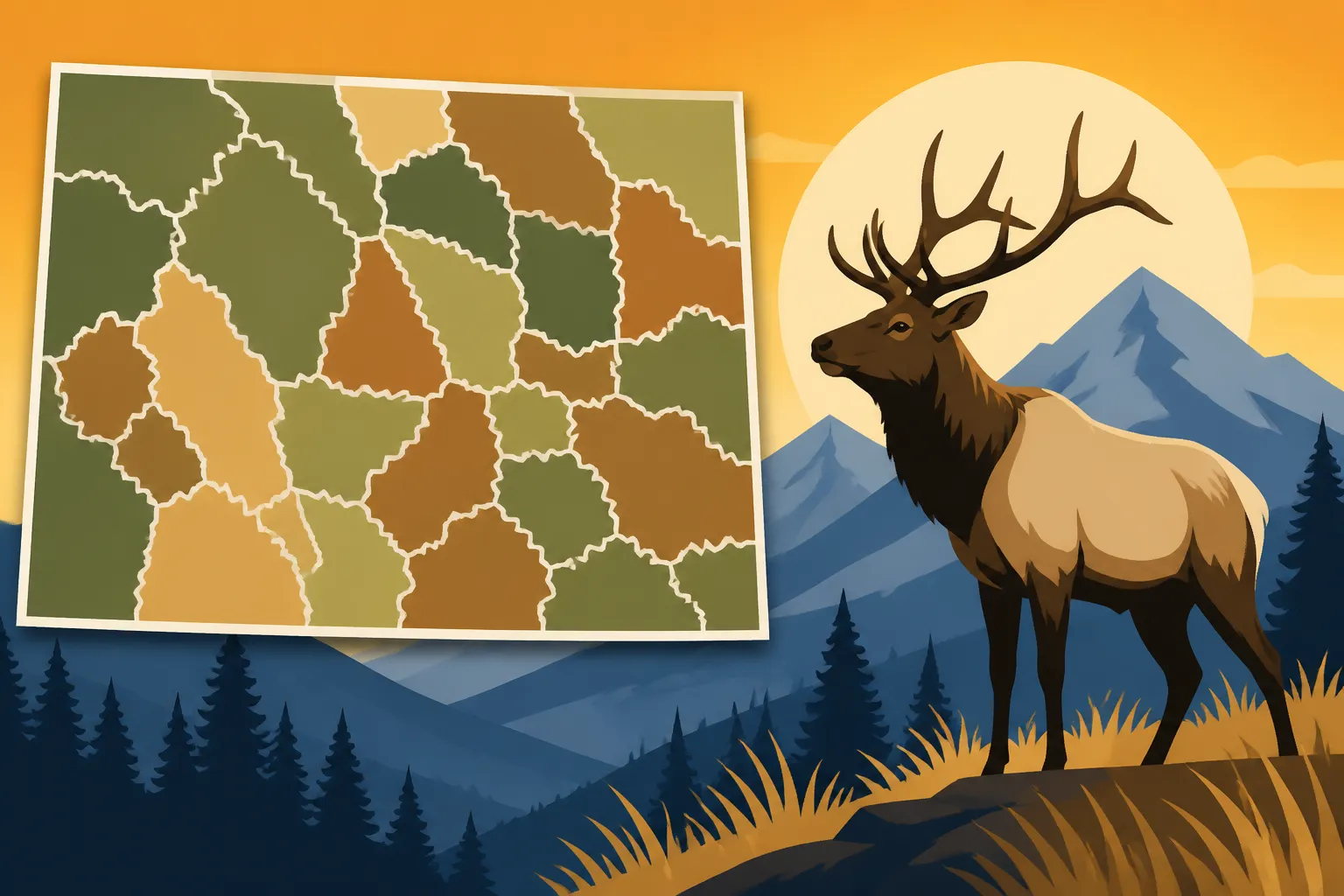
In Wyoming, elk hunting is managed through a system of "hunt units," which are distinct geographical areas. These units are specifically drawn to encompass certain elk populations, their migration routes, and their habitats. Think of them as individual management zones, each with its own set of rules, season dates, and license allocations. This is crucial because a successful hunt in Unit 30 might look completely different from a successful hunt in Unit 7, even if they're relatively close on a map. These units are the backbone of how the Wyoming Game and Fish Department (WGFD) works to ensure healthy herds and fair chase opportunities. It's a precise system, and understanding How Wyoming Numbers Its Hunt Areas is a great starting point for any hunter looking to decipher the regulations.
The unit system also allows for highly localized management. For instance, if a specific area experiences a harsh winter and elk numbers decline, the WGFD can adjust license quotas or season dates for just that unit, rather than impacting an entire region of the state. Conversely, if an area has a booming elk population and needs more harvest, they can issue more tags or extend seasons. This granular control is what makes Wyoming's system effective, but it also places the onus on the hunter to meticulously research the specific unit they are applying for or planning to hunt.
Navigating the Specifics of Elk Unit Boundaries
Once you understand what a hunt unit is, the next hurdle is figuring out where it is. Elk unit boundaries in Wyoming are often defined by natural features like rivers, mountain ranges, or major drainages, but they can also follow man-made features such as highways, county roads, or even property lines. It's rarely a straight, simple line. This can get tricky, especially in vast, open country where a subtle change in terrain might delineate one unit from another. Misinterpreting a boundary can lead to serious legal issues, from hunting in the wrong unit to inadvertently trespassing.
This is where modern mapping technology becomes an absolute game-changer. Relying on an old paper map, while certainly nostalgic, isn't always sufficient for the precision required in today's hunting landscape. Tools like onX Hunt have revolutionized how hunters navigate these complex boundaries. With a GPS-enabled app on your phone, you can see your exact location relative to public and private land boundaries, as well as the specific hunt unit lines. This kind of real-time spatial awareness takes a huge amount of guesswork out of the equation, allowing you to focus on the hunt itself rather than worrying if you've crossed an invisible line. It's like having a personal guide telling you exactly where you stand, which is invaluable when you're deep in the backcountry and need to know if you're still within your legal hunting zone. For more on navigating these complex lines, checking out Elk Unit Maps That Show Private Land Overlays can offer crucial insights.
Deciphering the Full List of Wyoming's Elk Hunt Units
Wyoming's elk units are broadly categorized into "general" and "limited quota" licenses, and understanding the difference is paramount. This distinction dictates everything from application strategy to the type of hunting experience you can expect. Don't make the mistake of assuming all elk tags are created equal; they certainly are not.
The General Elk License and Its Limitations
The general elk license is often seen as the entry point for many hunters, especially non-residents looking to experience Wyoming elk hunting without years of preference points. When you draw a general elk license, it grants you access to a large number of designated general hunt areas across the state. These are units where the WGFD has determined that elk populations can sustain more consistent hunting pressure, often in areas with more mixed public and private land, or less remote terrain. The draw odds for a general license are typically more favorable than for limited quota tags, making it a popular choice.
However, "general" doesn't mean "easy" or "everywhere." While a general license covers many units, it does not cover all units. There are specific hunt areas that are explicitly excluded from general license validity; these are the limited quota units. You must always consult the current year's hunting regulations to see which units are open to general licenses and which are not. A general license often means facing more hunting pressure, as more tags are issued, and access can be more straightforward. Hunters with general tags might focus on areas bordering wilderness, or smaller pockets of public land, often putting in significant foot miles to get away from roads. It's a fantastic opportunity, but it demands solid woodsmanship and a willingness to work for your animal. For a deeper dive into this type of tag, read The Wyoming General Elk License Explained.
Diving into Limited Quota Elk Hunt Areas
Limited quota elk units are where the serious point accumulation comes into play, and for good reason. These units are managed for specific harvest objectives, often with an emphasis on older age-class bulls or maintaining specific herd demographics. The number of licenses issued in these units is strictly limited, making them much harder to draw. Demand far outstrips supply, which is why hunters often spend years, if not decades, building preference points to even have a chance at drawing one of these coveted tags.
These units often correspond to areas known for trophy-quality animals, vast wilderness tracts, or unique ecological features. For example, you might have units in the Bridger-Teton National Forest known for their rugged mountains and migrating herds, or units in the Bighorn Mountains renowned for their dense timber and reclusive bulls. Because fewer tags are issued, hunting pressure is generally lower, and the potential for a quality experience (and a trophy animal) can be higher. This isn't a guarantee, of course; even with a limited quota tag, hunting elk in Wyoming is challenging. But the opportunity is often elevated. Hunters who successfully draw these tags have typically put in extensive e-scouting, year-round physical training, and often have specific strategies for the unique terrain and elk behavior of their chosen unit. While I can't provide a comprehensive, real-time list, think of units like those covering portions of the Absaroka, Wind River, or Wyoming Range mountains as classic examples of limited quota areas that require significant points. For a more detailed breakdown of what these tags mean, be sure to read The Wyoming Limited Quota Elk License Explained.
Here's a general overview of the characteristics you might find between general and limited quota units:
| Feature | General Elk Hunt Units | Limited Quota Elk Hunt Units |
|---|---|---|
| License Draw | Easier to draw, often higher odds. | Very difficult to draw, often requires many preference points. |
| Hunting Pressure | Generally higher due to more tags issued. | Generally lower due to fewer tags issued. |
| Access | Often includes areas with more road access, mixed public/private. | Can include remote wilderness, backcountry areas, tougher access. |
| Trophy Potential | Good potential, but often requires more effort to find unpressured elk. | Higher potential for older age-class animals, but still no guarantee. |
| Experience | More accessible for newer hunters or those with limited points. | Often sought after by experienced hunters looking for a specific quality hunt. |
| Research Focus | Understanding where general tags are valid and finding less-pressured pockets. | Deep dive into draw odds, herd reports, and specific unit characteristics. |
Strategic Planning for Your Wyoming Elk Hunt Unit Choice
Choosing the right elk hunt unit in Wyoming isn't a decision to be taken lightly. It's a strategic process that involves careful research, honest self-assessment of your abilities, and a clear understanding of your hunting goals. Jumping in without a plan is a recipe for frustration.
Researching Unit Specifics and Draw Odds
Before you even think about putting in for a tag, you need to immerse yourself in research. This means going beyond just looking at a unit's boundary on a map. You'll want to dig into historical herd data, population trends, and harvest statistics for any units that pique your interest. The WGFD provides a wealth of information in their annual hunting reports and specific herd unit management plans, which can offer insights into elk numbers, bull-to-cow ratios, and calf survival rates. These aren't just dry numbers; they tell a story about the health and potential of an elk population.
Crucially, you need to understand the draw odds for each unit. This is where tools like GoHunt become incredibly valuable. Platforms like this aggregate years of draw data, showing you exactly how many points it took for residents and non-residents to draw a specific type of tag in a given unit. This data is essential for setting realistic expectations. Are you applying for a unit that requires 10+ points, or one that might be attainable with zero to one point? Your point accumulation strategy will depend entirely on this information. Don't just pick a unit that looks good; pick one that you actually have a chance of drawing, based on the numbers. For a comprehensive look at this process, check out Checking Draw Odds Before You Apply. This research helps you navigate the complex world of Wyoming Elk Hunt Unit Boundaries and make an informed decision.
Considering Access, Terrain, and Hunt Style
The physical characteristics of a hunt unit—its terrain, the mix of public and private land, and available access points—will profoundly influence your hunting experience. Wyoming is incredibly diverse, from the rugged, high-alpine peaks of the Greater Yellowstone Ecosystem to the rolling sagebrush hills of the Red Desert. An elk hunt in the Absaroka Range is a completely different beast than one in the lower elevation timber pockets closer to agricultural lands. You need to ask yourself: What kind of hunter am I? What kind of physical condition am I in? What gear do I have? And perhaps most importantly, what kind of experience am I hoping for?
If you're looking for a true backcountry wilderness experience, you'll be drawn to units with vast roadless areas, which might mean packing in on horseback or doing multi-day backpack hunts. These areas, like those covered by Access Points Into the Bridger-Teton in Wyoming, demand a high level of physical fitness, self-sufficiency, and navigational skills. Conversely, if you prefer a hunt with more vehicle access, the ability to return to camp each night, or perhaps the option to pursue elk on private land with an outfitter or trespass fee, then units with more roads and a mix of land ownership might be more suitable. Consider also your preferred weapon: bowhunters might prioritize units with good cover for close stalks, while rifle hunters might seek out units with open country for long-range glassing opportunities. Matching the unit's characteristics to your personal hunting style and capabilities is key to a rewarding experience. It’s also vital to understand the difference between Hunting Areas Against Herd Units in Wyoming as you plan your trip.
Disclaimer
This article is for general informational purposes only and does not constitute professional advice. Laws, prices and regulations vary by location and change over time. Consult a qualified professional for guidance on your specific situation.