The Wyoming General Elk License Explained
Trying to make sense of Wyoming's elk hunting regulations can feel like deciphering an ancient scroll, especially when you're just trying to figure out how to get a foot in the door. The jargon, the draw systems, the different license types—it’s enough to make your head spin before you even think about packing a backpack. This guide is here to break down one of the most common and often misunderstood tags: the Wyoming General Elk License, making it clear what it is, where it applies, and how you might go about acquiring one.
Understanding the Wyoming General Elk License
For many hunters, especially those new to the state or non-residents looking for a more accessible elk opportunity, the General Elk License is often the first step. But what exactly does "general" mean in the context of Wyoming elk hunting? It doesn't mean you can just wander anywhere and tag an elk. Instead, it refers to a specific type of license that allows hunting in a collection of designated hunt areas, rather than being restricted to a single, often highly competitive "limited quota" area.
The Core Concept of a General Tag
Think of the General Elk License as your golden ticket to a broader range of elk hunting possibilities within Wyoming. Unlike a limited quota tag, which is tied to a very specific, often smaller hunt area with finite numbers of available tags, the general license provides flexibility. This doesn't mean it's a walk in the park or that you'll have elk falling over themselves to get in front of your bow or rifle. Far from it. "General" signifies that these licenses aren't capped by the same tight numerical limits as their limited quota counterparts in each individual hunt area where they are valid. Instead, the total number of general licenses available to non-residents, for example, is usually set statewide, and then successful applicants can use that general tag in any of the hunt areas designated as "general."
The idea behind general licenses is to offer more opportunities for hunters in areas that can sustain higher hunting pressure or where elk populations are managed with broader harvest objectives. These areas might be less renowned for trophy animals, or they could simply encompass vast tracts of public land where elk are present but perhaps not as concentrated as in a prime, limited quota unit. It’s a crucial distinction, as it shapes your entire application strategy and hunt planning. Understanding this core concept is fundamental to navigating the complex world of Wyoming elk hunting.
Species and Sex Restrictions for General Tags
While the General Elk License offers broader access in terms of geography, it often comes with specific restrictions on the type of elk you can harvest. Most commonly, a general elk license will allow you to pursue an "any antlered elk." This means you're generally looking for a bull elk with at least one visible antler, or sometimes a spike. However, this isn't always a hard and fast rule, and it's absolutely critical to double-check the current year's regulations.
In some general hunt areas, especially those designated for herd reduction or where populations are robust, a general license might allow for "any elk" (meaning a cow, calf, or bull) for certain portions of the season. These "any elk" allowances are typically brief windows within the season, designed to help managers achieve specific harvest goals. You might also find general licenses that are specifically designated as "cow/calf" only in certain areas, particularly those where elk numbers are above objective and the state is actively trying to reduce the herd. For example, some units might allow for the harvest of a cow or calf on a general license for a very short period in October, while the rest of the season remains bull-only. This level of detail is why a thorough read of the yearly Wyoming Game and Fish Department (WGFD) regulations for your specific chosen hunt area is non-negotiable. Don't assume anything based on last year's rules or what a buddy told you; the rules can change annually based on herd objectives, winter severity, and habitat conditions.
Season Dates and Area Flexibility
One of the defining characteristics of the General Elk License is its season structure, which, like the specific sex restrictions, varies significantly from one general hunt area to another. There isn't a single, statewide "general elk season." Instead, the WGFD sets specific opening and closing dates for archery and rifle seasons for each individual hunt area, even those designated as "general." This means that while your general license can be used in multiple areas, you still need to consult the regulations for each potential area you're considering. What's open in October in one general unit might be closed by then in another, or it might have different weapon restrictions.
For instance, you might find that some general units have an archery-only season that runs for the entire month of September, followed by a rifle season in October. Other general units might open their rifle season earlier or later, or they might have an "any elk" season for a few days in late November. This is why thorough planning is so crucial. You need to identify potential general areas that align with your availability and preferred hunting methods. Many hunters use tools like the ones provided by GoHunt to sift through these complex regulations and overlay them on maps, making it much easier to visualize where and when a general tag might be viable. Remember, while the tag is "general," the specific rules on the ground are highly localized. It's a bit like having a master key that works in many houses, but each house still has its own unique layout and specific times you're allowed to enter.
Where Wyoming's General Elk Licenses Apply
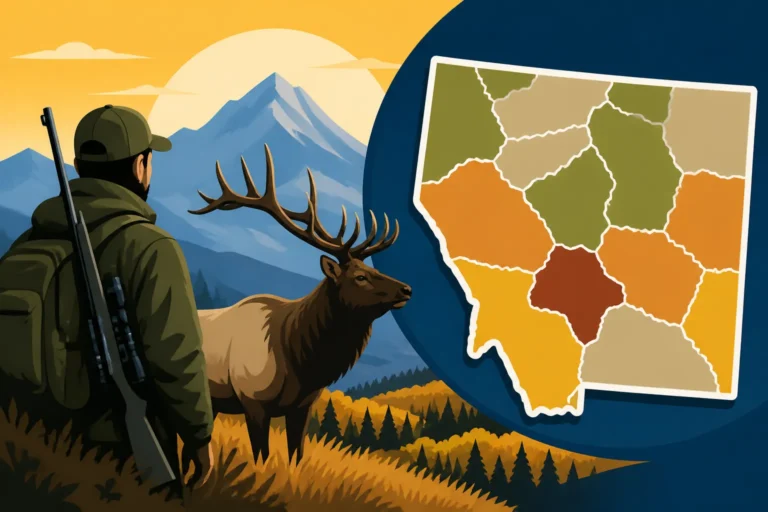
Now that we've covered what a General Elk License is, the next logical question is: where exactly can you use it? Wyoming is a vast state, and not every corner offers general elk hunting opportunities. Understanding the geography and the specific areas where these tags are valid is crucial for planning any hunt.
Identifying General Hunt Areas
The process of identifying hunt areas where a general license is valid is straightforward, though it requires diligent research into the WGFD regulations. When you look at the official hunt area maps and regulations, each hunt area will be clearly designated as either "general" or "limited quota" for elk. Many hunt areas in Wyoming are, in fact, "limited quota" only, meaning you cannot use a general elk license there at all. This is an important distinction to grasp early in your planning.
A great place to start is the Wyoming General Elk Licenses and Where They Work resource, which can help pinpoint the specific units that historically offer general season opportunities. These units are often found in areas with large, expansive public land holdings, such as national forests or Bureau of Land Management (BLM) lands, where elk populations are robust enough to handle the pressure of a more widely available tag. They might include portions of the Bighorn Mountains, the Medicine Bow-Routt National Forest, or various units across central and southwestern Wyoming. It's not uncommon for general units to be less celebrated for giant bulls, focusing more on opportunity and population management, but that doesn't mean trophy animals aren't present. It simply means they are often harder to find, requiring more effort and skill.
Understanding Area Specific Regulations
Even once you've identified a general hunt area, your homework isn't done. Each general hunt area comes with its own set of very specific regulations that dictate season dates, legal weapons, and even sex/age class of elk that can be harvested. As mentioned before, a general license might allow for "any antlered elk" for the majority of the season in one area, while another general area might have a short "any elk" period or specific antler point restrictions for part of the season.
It's also essential to be aware of the different weapon types and their legality within general units. While a rifle might be the most common, many general areas also have dedicated archery seasons, and some might even permit muzzleloaders during specific windows. The regulations will specify if Wyoming Sets Bow Draw Weight at 40 Pounds, 50 for Elk or what the requirements are for What Wyoming Counts as a Legal Firearm for Big Game within that specific unit. Always remember that these regulations are subject to change year-to-year based on WGFD biological data and management objectives. Consulting the most current year's official regulations, often found on the WGFD website or through detailed services like GoHunt, is absolutely paramount to avoid costly mistakes in the field.
Public vs. Private Land Implications
Wyoming is a state with a significant amount of public land, but also vast tracts of private property. When hunting with a general elk license, understanding land ownership is critical. While general units often encompass large swaths of national forest or BLM land that are open to public hunting, they will also inevitably include private lands. A general license does not give you permission to trespass on private property, even if that property lies within a designated general hunt area.
Accessing public land, especially in checkerboard ownership areas where public and private parcels are intermingled, can be a challenge. Resources like Four Legal Ways Onto Wyoming Public Land can be incredibly helpful in navigating these complexities. Many hunters utilize mapping apps with public/private land overlays to ensure they are on legal ground. While a general license might allow you to hunt a certain area, securing actual access to huntable elk within that area often means sticking to public lands or obtaining explicit permission from private landowners. Some general units may have significant elk populations on private land, which can be difficult to access without a landowner tag or a trespass fee arrangement. This is where researching public access points, looking for walk-in areas, and being prepared to cover a lot of ground on foot becomes essential.
Navigating the Application Process and Draw Odds
Even though it's called a "general" license, it still falls under Wyoming's controlled draw system. This means you can't just walk into a store and buy one over the counter (unless it's a very specific, limited leftover opportunity). You still have to apply and get lucky in the lottery.
Application Deadlines and Key Dates
Missing a deadline in Wyoming's draw system is like missing the train—you're just out of luck for the year. For non-resident elk hunters, the application deadline for the General Elk License typically falls in early February. Specifically, the Wyoming Nonresident Elk Applications Close in Early February. This is arguably the most critical date on the calendar for anyone hoping to hunt elk in the Cowboy State. It's a hard deadline, usually in the evening, and there are no extensions.
The application period generally opens several weeks before the deadline, giving you ample time to submit your application online through the WGFD licensing system. Following the application period, there's a waiting game until the draw results are announced. For elk, these results typically post in May, so expect to hear whether you've been successful around Wyoming Elk Draw Results Come in May. It's a nail-biting time for many hunters, as these results dictate the entire hunting season's plans. Mark these dates on your calendar, set reminders, and apply well in advance to avoid any last-minute technical glitches.
Checking Draw Odds and Utilizing Tools
One of the most anxiety-inducing parts of applying for any Western tag is understanding your chances of success. While general elk tags generally have better odds than most limited quota tags, especially for non-residents, they are by no means a guaranteed draw. The odds can fluctuate year to year based on applicant numbers, available tags, and preference point accumulation.
This is where valuable resources and tools become indispensable. Websites like GoHunt provide incredibly detailed draw odds analysis, historical data, and application strategies that can significantly improve your chances of making an informed decision. They break down the odds for both the regular and special draws (which we'll touch on briefly), allowing you to see what your chances are with zero, one, or more preference points. It's highly recommended to use these tools to Checking Draw Odds Before You Apply. By studying the data, you can develop a strategy that balances your desire for a specific hunt experience with the reality of the draw. Sometimes, applying for a general license with a preference point is a very solid strategy, especially as How Many Points It Takes to Draw Wyoming Elk can vary wildly by unit type.
Strategy for General Versus Limited Quota
Deciding whether to apply for a general license or a limited quota license is a fundamental strategic choice for any Wyoming elk hunter. It often comes down to a trade-off between opportunity and quality. Limited quota tags are typically for specific, high-demand units known for trophy potential or consistent elk numbers, but they come with abysmal draw odds, often requiring many years of accumulated preference points. The general license, on the other hand, offers higher draw odds but usually in areas that demand more effort or don't boast the same high-end trophy potential.
Many non-residents, especially those who are new to Wyoming or don't have a large bank of preference points, opt to apply for a general elk license as their primary choice. They might also choose to purchase a preference point if unsuccessful, slowly building points while still trying to draw a general tag each year. This hybrid approach helps them remain in the game while slowly improving their chances for a coveted limited quota tag down the road. It’s also important to understand Wyoming's 75/25 Draw Split Explained to truly grasp how non-resident and resident tags are allocated, which impacts both general and limited quota draws. Your personal strategy will depend on your hunting goals, patience, and willingness to accumulate points.
Key Differences: General vs. Limited Quota Licenses
Understanding the General Elk License truly shines when it's compared side-by-side with its counterpart: the Limited Quota Elk License. These are two distinct pathways to hunting elk in Wyoming, each with its own advantages and challenges.
Draw Odds and Preference Points
The most significant difference between general and limited quota licenses lies in their draw odds and how preference points factor in. For limited quota tags, especially those for prime hunt areas with high elk densities or strong trophy potential, the draw odds can be incredibly low, often in the single digits or even less than one percent for non-residents. These tags frequently require a substantial number of accumulated preference points—sometimes 10, 15, or even 20+ years worth—to have a realistic chance of drawing. This means many hunters apply for years, accumulating points, hoping for that one lucky draw.
General Elk Licenses, while still part of a draw, typically have much more favorable odds. Many general tags can be drawn with zero preference points, especially in the regular non-resident draw. While having a preference point might slightly increase your odds for a general tag, it's not a prerequisite for drawing one in the same way it is for highly sought-after limited quota tags. This makes the general license a more accessible option for hunters who don't have years to wait or who are just starting their Wyoming hunting journey. It's the difference between trying to win the mega-millions jackpot and winning a smaller, but still significant, lottery prize.
Tag Availability and Pressure
The concept of "availability" shifts dramatically between these two license types. Limited quota licenses are precisely that: limited. The WGFD sets a very specific, often small, number of tags for each limited quota hunt area based on detailed population objectives. This intense limitation means that successful applicants often face less hunter pressure in the field, as fewer tags mean fewer hunters. It's a more exclusive experience, but one that is incredibly difficult to obtain.
General Elk Licenses, on the other hand, are designed to distribute hunter pressure across a broader landscape and allow for a larger overall harvest. While the total number of general licenses is capped statewide for non-residents, these tags are valid across many different hunt areas. This can, in some instances, lead to higher hunter densities in easily accessible general units, especially during peak season dates. Hunters pursuing elk with a general license might need to be prepared to walk further, go deeper into public land, or be more creative in their hunting tactics to find unpressured elk. The trade-off for better draw odds is often the need for more effort in the field to find solitude and success.
Defining "Limited Quota"
To truly understand the general license, we need a clear picture of what a "limited quota" license entails. A What a Wyoming Type 1 Elk License Means is an example of a specific type of limited quota tag, but there are many variations. Essentially, limited quota hunt areas are geographically defined units where the WGFD manages elk populations with very precise harvest goals. These goals might focus on maintaining a certain bull-to-cow ratio, achieving a specific population size, or providing high-quality trophy hunting opportunities.
Because of these precise objectives, the number of tags issued for limited quota areas is strictly controlled. These tags are often highly specialized, sometimes restricted to antlered elk, sometimes "any elk," or sometimes specific to cow/calf harvest, all within very tight windows and specific areas. Hunters applying for these tags are typically those with many preference points who are aiming for a specific, high-quality hunt that has been years in the making. The odds are long, but the potential reward—whether it's a magnificent bull or a unique hunting experience in a less crowded unit—is often considered worth the wait. Knowing that Limited Quota Elk Areas Closed to General Licenses in Wyoming means your general tag is simply not valid in these areas, clearly delineates the two systems.
| Feature | General Elk License | Limited Quota Elk License |
|---|---|---|
| Availability | Valid in multiple designated "general" hunt areas | Valid only in one specific hunt area |
| Draw Odds | Generally higher, often drawable with 0-1 preference points | Generally much lower, often requiring many preference points |
| Hunter Pressure | Can be higher, especially in easily accessible areas | Generally lower due to fewer tags |
| Flexibility | More options for where to hunt with one tag | Highly specific to one unit; less overall flexibility |
| Trophy Potential | Good opportunity, but requires more work to find trophy bulls | Often targets areas known for higher trophy potential |
| Application Strategy | Good for new hunters or those without many points | Requires long-term point accumulation for many premium units |
| Season Dates | Varies significantly by specific general hunt area | Varies by specific limited quota hunt area |
Disclaimer
Please remember that hunting regulations in Wyoming, like any state, are dynamic and subject to change. Always consult the most current Wyoming Game and Fish Department regulations before planning or undertaking any hunting activity. This guide provides general information and should not be considered a substitute for the official rules and regulations published annually by the WGFD.