Do You Need a Permit to Hunt National Forests?
It's a common question that can make any hunter scratch their head when planning a trip to Wyoming's vast public lands: "Do I need a special permit to hunt in a National Forest?" The good news, and the short answer, is usually no, not beyond your standard Wyoming hunting license and tags for the specific game you're pursuing. However, this guide will clear up the confusion, explain what is required, and help you understand the nuances of accessing and hunting these incredible federal lands so you can focus on the hunt itself.
The Basics: Your Wyoming Hunting License is Key
When you're looking to hunt in Wyoming's National Forests, the primary permit you need is your state-issued hunting license and the corresponding tags for the species you intend to harvest. This is where most of your attention should be focused, as these documents dictate where, when, and what you can hunt. The National Forests, much like Bureau of Land Management (BLM) lands, are simply the canvas where your state hunting privileges are exercised.
State License vs. Federal Permit: Understanding the Distinction
Think of it this way: the state of Wyoming manages the wildlife (elk, deer, antelope, etc.) and issues licenses to individuals to pursue those animals within its borders. The federal government, through agencies like the U.S. Forest Service, manages the land itself. While they have rules for how you can use that land (like where you can drive or camp), they don't issue permits for the act of hunting itself, so long as you're following state game laws. This distinction often trips up new hunters or those coming from states with different land access rules. You're not applying to the Forest Service for permission to hunt; you're applying to Wyoming Game and Fish. For instance, comparing it to Do You Need a BLM Permit to Hunt Wyoming, the answer is consistently that your state license is paramount.
When you purchase your Wyoming hunting license, whether it's for elk in the Bridger-Teton National Forest or deer in the Bighorn National Forest, that license is your green light to hunt on any land where hunting is legal and open, including National Forests, state lands, and private lands where you have permission. The federal land simply provides the acreage. You won't find a "National Forest Hunting Permit" counter at the local ranger station for individual hunters. Your focus should be on drawing that coveted Wyoming tag, understanding your unit boundaries, and knowing the season dates specific to your species.
What Your State License Actually Covers
Your Wyoming hunting license, along with your species-specific tags, is a comprehensive authorization. It grants you the legal right to pursue and harvest specific game animals during designated seasons, within particular hunt areas. This license is the cornerstone of your entire hunting endeavor in the state. For example, if you draw a Type 1 general elk license, that allows you to hunt bull elk in a broad range of areas, including large portions of the Shoshone National Forest, as long as those areas are open to general license holders. It's a powerful document that recognizes your privilege to participate in Wyoming's rich hunting heritage.
Furthermore, your license dictates the method of take (archery, rifle, muzzleloader), the bag limit, and often specific regulations tied to antler size or sex of the animal. This is all under the purview of the Wyoming Game and Fish Department, not the federal land management agencies. You might be hunting mule deer in the Medicine Bow National Forest, but the rules about antler points or whether you can shoot a doe are purely state regulations. It's vital to have your physical license and tags with you while in the field, ready to be presented to a game warden. This is the ultimate "permit" for hunting itself.
The Conservation Stamp Requirement
Beyond your primary hunting license and tags, there's one additional state-level requirement that almost every hunter needs: the Wyoming Conservation Stamp. This isn't a federal permit, but rather another essential component of Wyoming's state hunting regulations. The Conservation Stamp funds critical wildlife management, habitat preservation, and access programs throughout the state, benefiting hunters and wildlife alike.
Most hunters, anglers, and trappers between the ages of 14 and 65 are required to purchase a Conservation Stamp annually. There are a few specific exemptions, but generally, if you're out in the field pursuing game in a National Forest, you'll need one. Think of it as your contribution to keeping Wyoming wild. It's typically purchased at the same time you buy your hunting license and tags, making it a simple addition to your overall state permitting process. Failing to have one can result in a fine, so don't overlook this important state requirement, even though you might be hunting on federal ground.
Understanding National Forest Regulations for Hunters
While you don't need a specific hunting permit for National Forests, you absolutely must adhere to the regulations governing use of those lands. These are rules put in place by the U.S. Forest Service to protect natural resources, manage visitor impact, and ensure public safety. Ignoring these can lead to fines, citations, and even loss of hunting privileges, regardless of your valid state license.
Motor Vehicle Use Maps (MVUMs) and Travel Restrictions
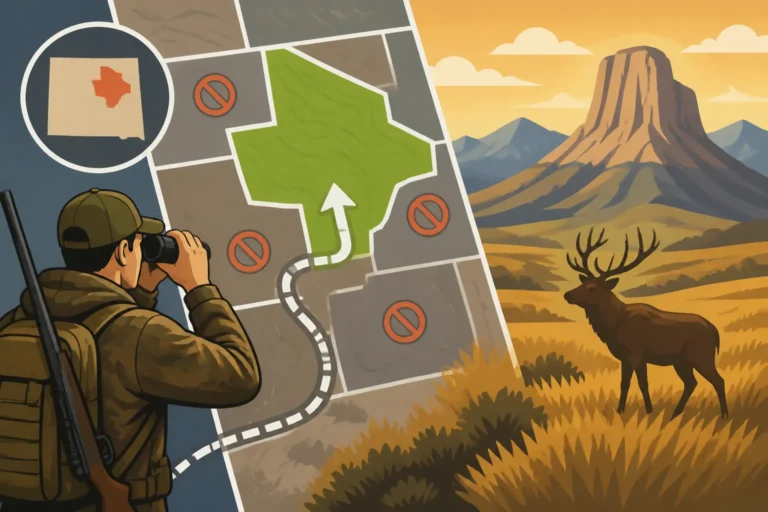
One of the most critical tools for any hunter planning to use a vehicle in a Wyoming National Forest is the Motor Vehicle Use Map, or MVUM. These maps are the definitive guide to where you can and cannot drive your vehicle, whether it's a truck, ATV, or UTV. Unlike some other federal lands, vehicle use on National Forests is often restricted to designated roads and trails, especially during certain seasons. This is not a "permit" in the traditional sense, but rather a set of rules that you are permitted to follow.
The Forest Service manages these roads to prevent resource damage, protect wildlife during sensitive periods, and maintain the primitive character of certain areas. You'll find different designations: open roads, seasonally closed roads, trails open only to ATVs or motorcycles, and areas completely closed to motorized travel. It's your responsibility to obtain the current MVUM for the specific National Forest and district you plan to hunt. You can usually find these online on the Forest Service website, at ranger stations, or through mapping apps like onX Hunt. Trying to drive down a closed road, or venturing off-road where it's not permitted, is a surefire way to encounter a Forest Service law enforcement officer, even if you have a legal hunting license. Familiarizing yourself with Reading a Motor Vehicle Use Map before heading out is absolutely essential for a compliant and successful hunt.
Dispersed Camping and Campfire Rules
Many hunters prefer to camp right where they hunt, immersing themselves in the wilderness experience. National Forests are generally very accommodating to this through dispersed camping, which means camping outside of designated campgrounds. However, there are rules, and these rules are vital for minimizing impact and preventing wildfires. Again, you don't need a permit to dispersed camp for personal use, but you must follow the established guidelines for responsible land use.
These guidelines often include limits on how far you must be from developed roads, trails, or water sources, as well as restrictions on the duration of your stay in one location. Crucially, campfire rules are paramount. Wyoming, particularly its mountainous National Forests like the Bridger-Teton or Shoshone, can be prone to severe fire danger, especially in late summer and fall. Always check the current fire restrictions for the specific National Forest and district you'll be in before lighting any fire. Sometimes, campfires are completely prohibited, even in established rings. Understanding these regulations, as outlined in guides like Camping on National Forest Land While Hunting, helps protect the very resource you're there to enjoy. Always pack out everything you pack in, and practice Leave No Trace principles to preserve the beauty for future generations.
Food Storage in Bear Country
For hunters heading into the more mountainous and timbered National Forests of Wyoming—especially the Bridger-Teton, Shoshone, or parts of the Bighorn—you are venturing into bear country. Both black bears and grizzly bears inhabit these areas, and proper food storage isn't just a suggestion; it's a critical safety measure and often a mandatory regulation. This is not about a "permit," but about a crucial safety and resource protection rule designed to keep both humans and bears safe.
In designated grizzly bear management areas, often found within or adjacent to National Forests, attractants like food, garbage, and even scented toiletries must be stored in a bear-resistant manner. This means using certified bear-resistant containers, hanging food from a tree (at least 10 feet up and 4 feet out from the trunk), or storing it inside a hard-sided vehicle or certified bear-resistant storage locker. Failing to properly store food can habituate bears to human food sources, leading to dangerous encounters and, unfortunately, often requiring the bear to be euthanized. This is why following Food Storage Rules in Grizzly Country is so important. Always check with the local ranger district for current bear regulations and special orders before you go, as rules can vary by area and can change rapidly.
When Special Permits Might Come into Play (But Probably Not for You)
While the vast majority of individual hunters will only need their Wyoming state license and tags, there are specific circumstances where special federal permits are required for activities on National Forest land. These are typically for commercial operations, large organized events, or access to highly sensitive wilderness areas, and they generally do not apply to the average hunter planning a personal trip.
Outfitter and Commercial Use Permits
If you're hiring an outfitter or guide for your Wyoming hunt in a National Forest, they will need a special use permit from the U.S. Forest Service. This permit authorizes commercial operations on federal land. It covers their ability to bring clients, set up camps, and conduct business within designated areas of the National Forest. As an individual hunter, you do not need this permit; your outfitter handles it.
This is a critical distinction because it ensures that commercial activities are managed responsibly, protect resources, and don't conflict with other forest users. These permits come with specific operating stipulations, such as client limits, designated use areas, and environmental protections. If you're considering a guided hunt, always ensure your outfitter is properly licensed by the State of Wyoming and holds the necessary federal permits for the areas they operate in. This is part of the "vetting" process, as discussed when asking Questions Worth Asking Before You Book an outfitter. It protects both you and the integrity of the public land.
Large Group or Event Permits
For situations involving a significant number of people or an organized, non-commercial event on National Forest land, a special use permit may be required. This could be for things like marathons, large group gatherings, scientific research, or even commercial filming. For the typical hunting party, even a group of friends, this usually isn't an issue. A small group of hunters pursuing game together falls under the general public use guidelines of the Forest Service.
However, if you were planning something highly unusual, like a hunting "camp" involving dozens of people and infrastructure, then it might cross into the realm where a special use permit would be necessary. The key here is the scale and nature of the activity. For the average hunting expedition, focusing on your specific quarry with a small, personal party, you can generally put these types of permits out of your mind.
Wilderness Area Specific Rules
Wyoming is home to some incredible designated Wilderness Areas, many of which are located within National Forests, such as the Bridger-Teton or Shoshone Wilderness areas. These areas are managed under strict guidelines to preserve their pristine, undeveloped character. While you don't need a "hunting permit" for these areas beyond your state license, there are often very specific rules regarding how you can enter and travel within them. These rules often act as a de facto "permit" in terms of dictating what is allowed.
The most common restrictions in Wilderness Areas relate to motorized and mechanized travel. Generally, no motorized vehicles, bicycles, or even wheeled carts are allowed. Access is typically limited to foot or horseback. For nonresident hunters, there's an additional layer of regulation: if you're hunting certain species like elk or bighorn sheep in a designated Wilderness Area, you might be required to employ a licensed Wyoming professional guide or be accompanied by a resident guide. This is a significant consideration, as explored in The Wilderness Guide Requirement for Wyoming Nonresidents. These rules are in place to preserve the unique wilderness experience and should be thoroughly understood before planning a hunt in such a region. Make sure you read up on Wilderness Rules Every Wyoming Nonresident Should Know well in advance.
Planning Your National Forest Hunt Effectively
Successfully hunting in Wyoming's National Forests, without worrying about confusing permit requirements, comes down to solid preparation. It's about understanding the land, respecting its boundaries, and being ready for whatever the high country throws at you.
Using Maps and Technology for Access
In today's hunting world, advanced mapping technology is your best friend when navigating National Forests. Tools like onX Hunt have revolutionized how hunters understand land ownership, access points, and terrain. While they don't issue permits, they provide the crucial visual data you need to ensure you're hunting legally and responsibly.
Using onX Hunt, for example, allows you to clearly see the boundaries between National Forest land, state land, BLM land, and private property. This is invaluable for avoiding accidental trespass, which is a common concern when hunting vast public areas with checkerboard land patterns. These apps also display topographic lines, satellite imagery, and often overlay Motor Vehicle Use Maps (MVUMs), showing open roads and trails. This means you can plan your routes, identify potential camp spots, and ensure compliance with travel restrictions long before you ever set foot on the ground. Using onX Public Land Layers in Wyoming can save you a lot of headaches and ensure you stay on legal ground. Other great tools like GoHunt provide draw odds and unit breakdowns, further enhancing your pre-hunt planning for these vast National Forest areas.
Respecting Boundaries and Private Inholdings
Even though National Forests are public land, they often contain private "inholdings" or parcels of private land entirely surrounded by public land. It's also common for National Forest boundaries to directly abut private ranch land. Respecting these boundaries is absolutely paramount. Ignorance of boundaries is not a valid excuse for trespass, and it can quickly lead to legal trouble and sour public perception of hunters.
Always assume that land is private until you can confirm it is public. This is where detailed maps, like those from onX Hunt, become essential. They help you visualize those complex boundaries, especially in areas where fencing might be non-existent or unclear. Even if a gate is open, it doesn't automatically mean you have permission to enter private land. Remember, the privilege of hunting on public land comes with the responsibility to be a good steward and neighbor. If you find yourself near a private boundary, give it a wide berth or double-check your maps to be certain you're still on public ground.
Being Prepared for Remote Conditions
Hunting in Wyoming's National Forests means venturing into rugged, remote, and often high-altitude terrain. These are not manicured parks; they are wild places that demand respect and thorough preparation. You don't need a "permit" for self-reliance, but it's an indispensable component of a safe and successful hunt. The terrain can be steep, the weather can change in an instant, and help can be hours, if not days, away.
Consider the physical demands. Elk hunting in the Bridger-Teton, for example, often involves significant elevation gain and miles of hiking, sometimes with heavy packs. Physical Conditioning for a Mountain Hunt isn't just for bragging rights; it's a safety necessity. Beyond physical fitness, your gear needs to be up to snuff. Think about navigation tools, emergency communication devices like satellite messengers, a comprehensive first-aid kit, and plenty of layers for fluctuating temperatures. Having a solid understanding of wilderness first aid, bear safety, and basic survival skills will contribute far more to your success and safety than worrying about an elusive federal hunting permit. These vast, beautiful National Forests offer incredible hunting experiences, but they demand a high level of personal responsibility and preparedness from those who venture into them.
Disclaimer
This article is for general informational purposes only and does not constitute professional advice. Laws, prices and regulations vary by location and change over time. Consult a qualified professional for guidance on your specific situation.