Wyoming Landowner Tags and Getting on Private Ground
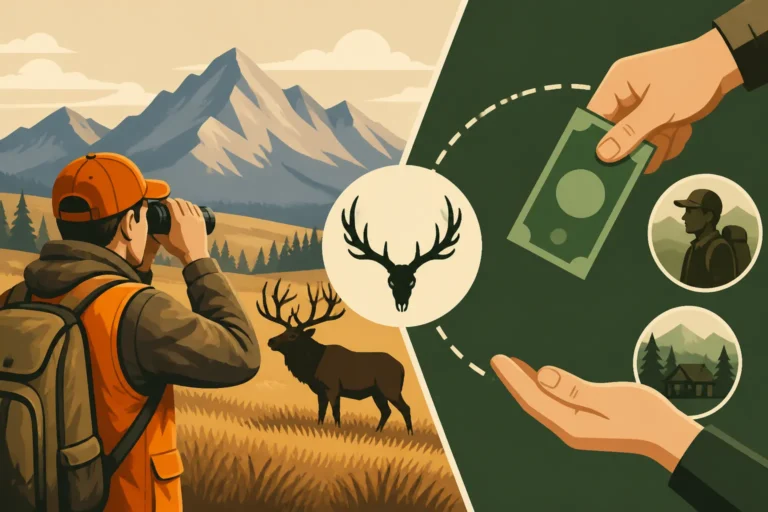
Oh, the age-old question for any hunter dreaming of Wyoming: how do you get your boots on the ground when so much prime country is locked behind private fences? It's a frustration many of us know all too well. You spend hours poring over maps, only to see vast swaths of excellent habitat listed as private, often landlocking public access. This guide is going to peel back the layers on one of the most sought-after solutions: Wyoming landowner tags and how they can open up incredible hunting opportunities on private ground, giving you a realistic look at the process, costs, and considerations involved.
Understanding Wyoming's Private Land Access Challenge
Wyoming is a vast state, absolutely breathtaking in its wild beauty, but for hunters, especially those of us coming from out of state, its land ownership mosaic can feel like a cruel joke. You see incredible public land on a map, but getting to it sometimes requires a helicopter or a lengthy trespass negotiation. This access challenge is a huge reason why private ground holds such allure, and why landowner tags have become such a hot topic.
The Checkerboard Conundrum and Landlocked Public Parcels
Imagine a chessboard, but instead of black and white squares, you have alternating sections of public and private land. This "checkerboard" pattern is a direct result of historical railroad grants from the 19th century. Back then, the government gave alternating square-mile sections of land to railroad companies to incentivize westward expansion. The idea was that the value of the remaining public land would increase, and the railroads would have assets to sell off to fund construction. Fast forward to today, and these grants have created a complex patchwork where public land is frequently surrounded on all four sides by private property.
The sheer scale of this in Wyoming is staggering. You might be looking at a gorgeous draw or a timbered ridge on a national forest or Bureau of Land Management (BLM) map, only to realize that every single access point crosses private ground. This doesn't mean the public land isn't valuable; it's often pristine and holds excellent wildlife. The challenge is simply getting there. Many hunters, myself included, have spent countless hours with mapping apps like OnX, trying to find that elusive sliver of public road or an easement that doesn't exist. This geographic reality is one of the primary drivers behind the demand for private land access, and consequently, landowner tags. Without a path across the private sections, those public acres remain tantalizingly out of reach for many.
The Reality of Limited Public Access
Beyond the checkerboard, even large blocks of public land can be challenging to access due to roads that cross private parcels or simply end at a property line. It's a common scenario: you drive for miles down a county road, thinking you're heading straight for a national forest, only to be met with a "Private Property, No Trespassing" sign and a locked gate. While states like Wyoming have made strides with programs like Access Yes, which opens up some private ground and improves access to landlocked public parcels, the sheer demand often outweighs the supply.
This limited access means that the public land that is easily reachable often sees a tremendous amount of hunting pressure. Picture opening day in a general elk unit: trucks lined up at every trailhead, hunters fanning out in every direction. While some thrive in these conditions, many others seek a quieter, less competitive experience, believing that trophy animals are more likely to be found where human presence is minimal. This desire for solitude and less pressure is a powerful draw towards private land, where hunting can be managed, and animal populations might be less disturbed. It's not just about bigger animals, though that's a definite perk; it's also about a more intimate, traditional hunting experience away from the crowds.
Why Private Ground Holds Such Appeal for Hunters
Let's be honest: private land often offers what many public land hunters dream of. First and foremost, there's generally significantly less hunting pressure. When a landowner controls who comes onto their property, they can limit the number of hunters, which means the animals aren't constantly being pushed around. This can lead to more consistent animal patterns and a less spooky herd.
Beyond pressure, private land frequently serves as prime habitat and, importantly, as winter range or migration corridors for big game. Many of the most productive agricultural lands, with their rich feed and water sources, are privately owned. During harsh winters, elk, deer, and antelope will often funnel onto these private lands seeking refuge and sustenance. This means that at certain times of the year, especially late season, private ranches can hold incredible concentrations of animals. For those seeking quality over quantity, or simply a higher probability of success, private ground offers a compelling advantage. It's not just about the big bucks and bulls, though those certainly exist; it's about a more predictable hunt where the odds of encountering game are often much higher than in heavily pressured public areas. The chance to pursue a Boone and Crockett Elk Taken in Wyoming is often tied to these less disturbed, higher quality private habitats.
What Exactly is a Wyoming Landowner Tag?
This is where the rubber meets the road for many aspiring Wyoming hunters. A "landowner tag" sounds a bit mysterious, but it's a critical component of wildlife management and hunting access in the state. Understanding what they are and how they function is the first step toward potentially utilizing them for your hunt of a lifetime.
The Purpose and Mechanics of Landowner Tags
In Wyoming, landowner tags, often referred to as "landowner preference" or "landowner licenses," are a mechanism designed to encourage private landowners to participate in wildlife management and provide public access. The core idea is that if a landowner allows hunting on their property, especially if they're actively managing habitat or providing crucial winter range, they can be compensated or rewarded through the issuance of these special licenses. These aren't simply "extra" tags; they are part of the state's overall harvest quota for a given species and hunt area.
The Wyoming Game and Fish Department (WGFD) works with landowners to determine eligibility. A qualifying landowner can apply for these tags, which are then issued directly to them. The landowner then has the option to use these tags themselves, or, more commonly, to sell or transfer them to other hunters. This is where most hunters come into contact with them – by purchasing the right to use one of these tags from the landowner or an outfitter. It's important to remember that these aren't just "guaranteed" tags. They are often specific to species (elk, deer, antelope) and sometimes even to sex (bull, buck, doe, cow). They come from the total pool of available licenses for that particular How to Read a Wyoming Hunt Area Number, ensuring they don't impact overall population management goals negatively.
Who Qualifies as a "Landowner" for These Tags
Not just anyone with a few acres can get a landowner tag. The Wyoming Game and Fish Department has specific criteria to ensure these tags go to legitimate landowners who are providing significant habitat or access. Generally, a landowner must own a certain minimum acreage within a specific hunt area, and their property must provide substantial game habitat. For instance, the land usually needs to be able to sustain big game animals for a specified period, typically throughout their seasonal ranges.
Furthermore, the landowner often needs to have traditionally offered public hunting access, or at least be willing to provide access, for a set portion of the tags they receive. This isn't always a direct "public access" in the sense of open gates, but it can be in the form of working with the WGFD's access programs or allowing a certain number of hunters to come onto their property. The exact acreage requirements and other stipulations can vary by species and hunt area, so a landowner would need to consult the specific regulations published by the WGFD. It's a formal process, not just a handshake deal, ensuring the integrity of the program. If you're wondering Who Qualifies for a Wyoming Landowner Tag, the main takeaway is that it's tied to significant land ownership and a contribution to wildlife habitat or public opportunity.
Species Covered by Landowner Tags
Wyoming's landowner tag system primarily focuses on big game species that commonly utilize private lands for habitat, foraging, and migration. This typically includes elk, deer (both mule deer and whitetail), and antelope. These are the species where private land plays a substantial role in managing herd numbers and providing quality hunting opportunities.
You'll generally find landowner tags available for:
- Elk: These are often the most sought-after, particularly for quality bull elk hunts. Many large ranches provide critical wintering grounds and excellent rutting habitat.
- Mule Deer: Similar to elk, prime mule deer habitat, especially in lower elevations, often falls within private property boundaries.
- Whitetail Deer: Primarily found in the river bottoms and agricultural areas of eastern Wyoming, which are predominantly private. Landowner tags are crucial for accessing these areas.
- Pronghorn Antelope: Antelope often roam vast, open private pastures, and landowner tags are a common way to hunt these fast-moving animals.
It's far less common, if not unheard of, to see landowner tags for species like bighorn sheep, moose, or mountain goat, which typically inhabit high-elevation wilderness or specific, limited areas where private land plays a much smaller role in their overall population dynamics and habitat use. The specific types of tags (e.g., bull elk, doe/fawn deer) available through landowners will always align with the general regulations for that hunt area and species, ensuring the harvest aligns with the WGFD's management objectives. So, while you might hear about a What a Wyoming Cow Elk Tag Costs from a landowner, a bighorn sheep tag is almost exclusively a tough draw.
The Process for Acquiring Landowner Tags
So, you're convinced that a landowner tag might be your golden ticket to a fantastic Wyoming hunt. But how do you actually get one? It's not quite like walking into a store and buying a candy bar. The path to acquiring these tags can vary, with some hunters going direct to landowners and others working through reputable outfitters.
Working Directly with Landowners
For the truly persistent and well-connected hunter, going straight to the source – the landowner themselves – is a viable option. This route often involves extensive research and outreach. You might start by identifying potential hunt areas that have a good mix of private and public land, or areas known for quality animals that frequently use private property. Then, it's about getting on a map program, finding the landowners, and trying to make contact. This could mean phone calls, letters, or even knocking on doors (always with respect, of course).
The key here is building a relationship. Landowners are often protective of their property and their wildlife. They want to know who is coming onto their land and that they can trust them to be responsible, ethical hunters. You're not just asking for a tag; you're asking for access and an opportunity to share their resources. Be prepared to explain your hunting philosophy, your commitment to ethical hunting, and how you will respect their land. Offer to pay a trespass fee or lease arrangement, which is common in Wyoming. This direct approach can sometimes lead to unique opportunities and a more personal hunting experience, though it requires a significant investment of time and effort upfront. You'll want to clearly understand How Trespass Fee Arrangements Usually Work before making any offers.
Utilizing Outfitters for Access
For many nonresident hunters, especially those with limited time for scouting or networking, working with an outfitter is the most common and often the most reliable way to secure a landowner tag and hunt on private ground. Outfitters frequently have long-standing relationships with multiple landowners, securing exclusive hunting rights or blocks of landowner tags for their clients. They act as the intermediary, simplifying the process for the hunter.
When you book with an outfitter who offers landowner tag hunts, they typically handle all the logistics:
- Tag Acquisition: The outfitter will either already possess the landowner tags or guide you through the process of securing one that's tied to their leased hunting ground.
- Access: They provide direct access to the private property, often including guiding services, lodging, and meals.
- Expertise: Outfitters know the land, the animals, and the best strategies for hunting that specific property.
Platforms like BookYourHunt are excellent resources for finding reputable outfitters who specialize in private land hunts and landowner tags. You can browse different outfitters, see their offerings, and read reviews, which helps streamline the vetting process. While this route is generally more expensive than a DIY public land hunt, it drastically increases your chances of success and minimizes the logistical headaches. It's often seen as a premium experience, offering a higher likelihood of success for a What a Trophy Bull Hunt Actually Runs.
The Role of the Wyoming Game and Fish Department
The WGFD plays an indispensable role in the entire landowner tag system. They are the regulatory body that issues these tags, ensures compliance with state laws, and oversees the conservation of wildlife populations. While landowners and outfitters facilitate the sale and use of these tags, the WGFD is the ultimate authority.
Here's how they are involved:
- Eligibility and Issuance: The WGFD sets the criteria for landowners to qualify for these tags and issues them directly to the eligible property owners. They ensure the landowner meets the acreage and habitat requirements.
- Regulatory Oversight: The WGFD publishes the official regulations annually, detailing the rules for landowner tags, including species, hunt areas, and any restrictions. Hunters, whether getting a tag directly or through an outfitter, must still comply with all state hunting laws and regulations, just as they would with a general license or a limited quota tag.
- Population Management: The number of landowner tags issued for a specific area and species is carefully calculated by the WGFD to align with their overall wildlife population management goals. These tags are not "extra" animals; they are part of the planned harvest for that area, contributing to the health and balance of the herd.
- Transfer and Documentation: When a landowner transfers a tag to a hunter, there's usually a specific process involving the WGFD to ensure the tag is legitimately assigned and documented. This ensures accountability and prevents misuse.
You can find the most current and detailed information on landowner tags, regulations, and how they factor into overall draw odds on the WGFD website, or by using resources like GoHunt, which often synthesizes this complex data into user-friendly formats.
Benefits and Drawbacks of Hunting with Landowner Tags
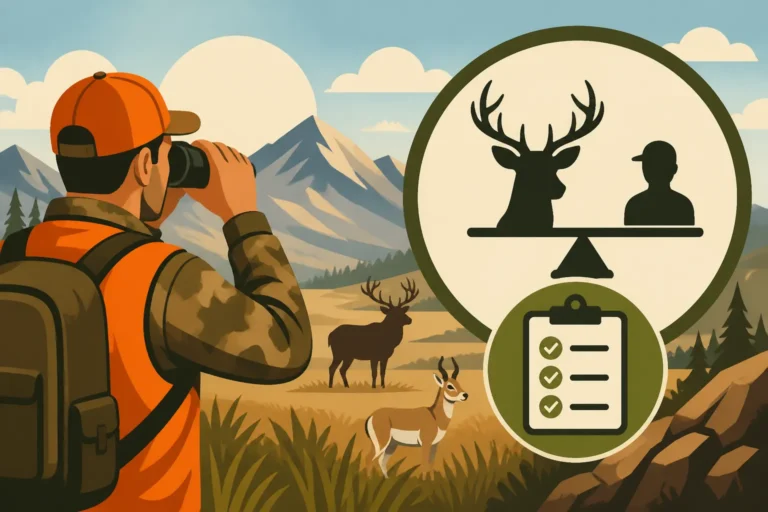
Deciding whether a landowner tag hunt is right for you involves weighing the significant advantages against the potential downsides. It's a different beast than a public land hunt, and managing your expectations is crucial.
Pros: Higher Success Rates, Less Competition, Potential for Trophy Animals
Let's start with the good stuff, because for many, the benefits heavily outweigh the drawbacks.
- Significantly Higher Success Rates: This is arguably the biggest draw. Private lands often serve as sanctuaries for big game, particularly during hunting season. With limited pressure and managed access, animals can settle into more predictable patterns, making them easier to locate and harvest. Outfitters who lease private land also have intimate knowledge of the property, including game movements, water sources, and bedding areas, further stacking the odds in your favor. When you've invested significant time and money into a hunting trip, the increased chance of success is a huge peace of mind.
- Less Hunting Competition: Forget the opening-day circus you might find on popular public lands. Private land hunts mean far fewer hunters in the field. This translates to a more relaxed experience, less worry about other groups bumping your quarry, and a greater sense of solitude in the wilderness (even if it's "managed" wilderness). This aspect alone can drastically improve the quality of your hunt, allowing you to focus on the chase rather than navigating other hunters.
- Potential for Trophy Animals: With less pressure and often superior habitat (especially on agricultural lands adjacent to wild areas), private ground frequently holds older, larger animals. These lands can offer abundant food sources and secure bedding areas, allowing deer and elk to reach their full genetic potential. While nothing is ever guaranteed in hunting, a quality private land ranch often presents a higher probability of encountering mature bucks and bulls. Many record-book animals taken in Wyoming come from private land, where age and nutrition allow them to grow impressive antlers.
- Guaranteed Tag (Often): Unlike the lottery system of the public draw, where applying for Wyoming General Licenses Against Limited Quota: Two Different Games can mean years of accumulating points, a landowner tag often means you have a secured tag in hand. This takes the stress out of the draw process and allows you to plan your hunt with certainty, often Booking Before You Draw a Wyoming Tag if working with an outfitter.
Cons: Higher Cost, Limited Availability, Potential for Less "Wilderness" Experience
Of course, nothing is free in this world, and landowner tag hunts come with their own set of considerations.
- Significantly Higher Cost: This is the elephant in the room. Landowner tags are not cheap. You're paying for the tag itself (which can be considerably more than a public draw license), plus any trespass fees, and if you're with an outfitter, their full service fees for guiding, lodging, food, and often specialized equipment like horses or ATVs. A quality private land elk hunt, for example, can run into many thousands of dollars, making it a substantial investment. This might be out of reach for some hunters, and it’s important to understand Wyoming Nonresident Tags Run $326 to $1,965 and that landowner tags often exceed even the highest special license prices.
- Limited Availability and Specificity: While there are landowner tags available, they are still finite. High-demand areas or properties known for producing giant animals will have limited availability, and you might need to book well in advance. Furthermore, tags are specific to hunt areas and often to species and sex. You can't just get an "any bull" tag; it will be for a specific area. This means you need to align your desired hunt with what's actually available through landowners or outfitters.
- Potential for a Less "Wilderness" Experience: While some private ranches are massive and feel as wild as public land, others might be smaller, closer to roads, or have more visible signs of human intervention (fences, cattle, farm equipment). Depending on the property, the "hunt" might involve less strenuous backcountry trekking and more road hunting or stalking in open pastures. For hunters who cherish the deep wilderness immersion and physical challenge of a true backcountry hunt, a private land experience, while successful, might not always scratch that particular itch. It's not always about traversing endless miles of Terrain That Hides an Approach in the deep mountains.
Navigating Expectations: What to Expect from a Landowner Hunt Versus Public Land
It's crucial to go into a landowner hunt with clear and realistic expectations, understanding that it's a different game than public land hunting.
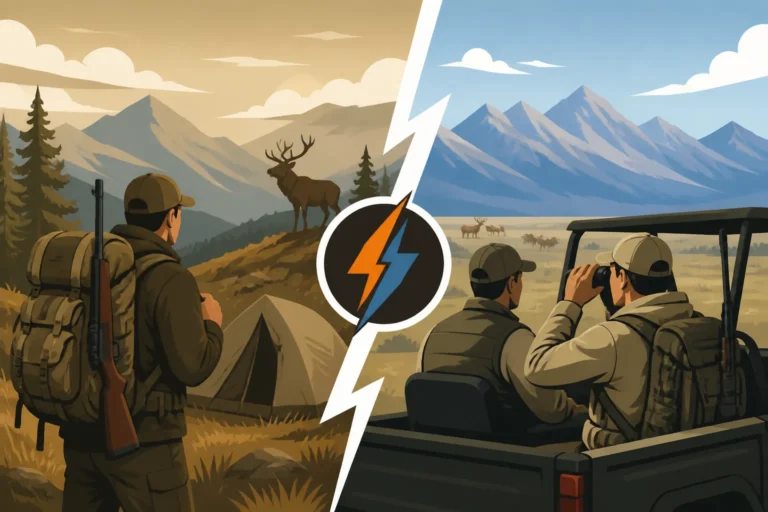
Public Land Expectation: You're often paying a lower tag fee, facing higher hunting pressure, relying entirely on your own scouting and skills, and potentially hiking many miles without seeing another human, but also without seeing much game. Success rates are typically lower, especially for trophy animals, but the experience is often about the raw adventure and the satisfaction of earning every inch. It's a true test of grit and perseverance, often requiring intense physical conditioning and mental fortitude.
Landowner Hunt Expectation: You're paying a premium for a managed experience. Expect higher odds of success, potentially larger animals, and significantly less competition. You might be guided, have comfortable lodging, and focus more on the hunt itself rather than logistics and finding unpressured areas. While it's still hunting, and nothing is guaranteed, the effort-to-reward ratio is often more favorable. You're purchasing access and opportunity, and the landowner or outfitter's goal is to help you succeed within ethical and legal bounds. It's a different kind of challenge, focusing more on precise execution and less on sheer endurance against crowded conditions. You're buying into a higher probability of success, but not a guaranteed kill.
Cost and Financial Considerations
Let's talk brass tacks: money. The financial aspect is often the biggest hurdle for hunters considering a landowner tag hunt in Wyoming. It's vital to have a clear understanding of where your money is going and what you're getting in return.
Breaking Down the Expenses of a Landowner Hunt
A landowner hunt involves more than just the price of the tag itself. You're looking at a multi-faceted expenditure that can add up quickly.
- The Landowner Tag Price: This is the base cost. The landowner typically sets this price, and it can vary wildly depending on the species, the hunt area's reputation for quality animals, and the demand. For a coveted bull elk tag in a prime area, this alone could be several thousand dollars. Deer and antelope tags will generally be less, but still significantly more than what you'd pay for a general license from the state directly. Remember, this is the fee the landowner charges for the right to use their tag, which allows you to hunt on their property.
- Outfitter Fees (if applicable): If you're using an outfitter, this will be the largest component of your cost. Outfitter packages typically include the landowner tag (or the cost of acquiring it), guiding services (often 1×1 or 2×1 hunter-to-guide ratio), lodging, meals, field transportation, and game retrieval. The price can range dramatically based on the species, duration of the hunt, level of luxury, and the outfitter's success rates. Expect anywhere from a few thousand for an antelope hunt to well over ten thousand for a trophy elk or mule deer hunt. The Average Cost of a Guided Wyoming Elk Hunt will give you a ballpark idea, but individual outfits will vary.
- Trespass Fees (if not with an outfitter): If you're going the direct-to-landowner route, you might pay a separate trespass fee in addition to the tag price. This is compensation to the landowner for access to their property for a specified period. These fees can range from a few hundred to several thousand dollars, depending on the game, duration, and quality of the property.
- Travel and Logistics: Don't forget the costs of getting to Wyoming, whether by plane or driving. This includes airfare, rental car, fuel, and any pre- or post-hunt lodging.
- Meat Processing and Shipping: After a successful hunt, you'll need to pay for meat processing, and if you're a nonresident, potentially shipping the meat and/or cape and antlers back home. These costs can add up quickly, especially for a large animal like an elk.
- Taxidermy: If you harvest a trophy, taxidermy is another significant expense.
- Gratuities: If you hunt with an outfitter, it's customary to tip your guide and other camp staff for their hard work. This should be factored into your budget, typically 10-20% of the hunt cost.
Comparing Landowner Tags to Public Draw Odds: Is the Premium Worth It?
This is the fundamental question for many hunters. Is paying a premium for a landowner tag worth it compared to the uncertainty and effort of the public draw?
The Public Draw Reality: For species like elk, deer, and especially antelope in Wyoming, drawing a desirable tag in a quality unit as a nonresident can take years of accumulating preference points. Even with points, some units remain incredibly difficult to draw, and success is never guaranteed. For example, drawing a quality general elk tag might take 2-5 points, while a coveted limited-quota unit could take 10+ points or remain a pure lottery. You might spend hundreds of dollars over years just on preference points without ever setting foot in the field for that particular species. When you finally do draw, you're often on public land with its inherent challenges.
The Landowner Tag Advantage: The premium for a landowner tag essentially bypasses the draw system for that specific tag. You're buying certainty and access. For hunters who have limited time, want to hunt a specific year, or prioritize a high-quality experience and increased odds of success, the premium can absolutely be worth it. It’s a direct investment in a hunting opportunity rather than an investment in a lottery ticket. If your goal is to harvest a mature animal and maximize your chances, the higher cost can be justified by the increased probability of success and the quality of the hunt itself. It removes the stress of Point Creep in Wyoming's Region G or having to wait an unknown number of years.
Understanding Outfitter Fees and Services
Outfitters offering landowner tag hunts provide a range of services, and understanding what's included (and what's not) is critical to managing your budget and expectations.
What's Typically Included:
- Guiding Services: Often 1×1 or 2×1, meaning one guide per hunter or one guide for two hunters. This includes scouting, tracking, calling, and field dressing.
- Lodging: From rustic wall tents in a spike camp to comfortable cabins or ranch houses.
- Meals: Prepared meals, often hearty and camp-style.
- Transportation: In the field (e.g., 4×4 vehicles, ATVs, horses) and sometimes pick-up/drop-off at a local airport.
- Landowner Tag: The cost of the tag is almost always built into the package price.
- Game Care: Field dressing, caping, and packing out the animal to a designated pickup point.
What's Often Not Included:
- Hunting License/Conservation Stamp: You'll still need to purchase your general hunting license and The Wyoming Conservation Stamp and Who Needs One from the WGFD, separate from the landowner tag.
- Travel to Wyoming: Airfare, personal vehicle fuel, etc.
- Meat Processing & Shipping: You're usually responsible for arranging and paying for this.
- Taxidermy: Also your responsibility.
- Gratuities for Guides/Staff.
- Personal Gear: Clothing, rifle, ammunition, optics, sleeping bag, etc.
- Alcoholic Beverages: Some outfitters might provide a limited amount, but usually, it's BYOB.
Before booking, always get a detailed, written breakdown of what your chosen outfitter package includes. Don't be shy about asking questions about every line item and confirming there are no hidden fees. A transparent outfitter will be happy to provide this clarity. GoHunt and BookYourHunt offer good platforms to compare different outfitter packages side-by-side, helping you budget accurately.
Vetting Landowners and Outfitters
Just as you wouldn't blindly buy a used car, you shouldn't blindly book a hunting trip, especially one involving a significant investment like a landowner tag hunt. Doing your homework is paramount to ensuring a legitimate, ethical, and successful experience.
Key Questions to Ask a Landowner or Outfitter
Before committing any money, have a list of essential questions ready. These questions will help you gauge their professionalism, experience, and the quality of the hunt they offer.
- Regarding the Tag:
- What species and sex is the landowner tag for?
- Which specific hunt area does it cover?
- Is the tag guaranteed upon payment, or is it contingent on something else? (e.g., they still need to apply for it, though this is rare for a direct sale).
- What are the WGFD regulations regarding this specific tag?
- What documentation will be provided to prove the legality of the tag?
- Regarding the Property/Hunt Area:
- How many acres is the property, and what percentage is huntable?
- What kind of terrain will we be hunting (mountains, sagebrush, timber, river bottom)?
- What are the primary food and water sources for game on the property?
- How many hunters will be on the property during my hunt dates? What's the hunter-to-acreage ratio?
- What is the average success rate for this hunt? What's the opportunity rate (seeing game)?
- What kind of trophy quality can I realistically expect? (e.g., average antler scores for bucks/bulls).
- What are the nearest towns or facilities in case of emergency?
- Regarding Logistics and Services (especially for outfitters):
- What exactly is included in the package price (guiding, lodging, meals, transportation, game care)?
- What is the guide-to-hunter ratio?
- What type of lodging is provided (tent, cabin, lodge)?
- What are the camp facilities like (showers, bathrooms)?
- What kind of transportation will be used in the field?
- What should I expect for meals? Can dietary restrictions be accommodated?
- What is the policy for game retrieval and care (field dressing, caping, packing out)?
- What is not included that I need to budget for (licenses, processing, tips)?
- What is the payment schedule, and what are the cancellation/refund policies? (Crucial to understand Whether You Get a Refund If You Fail to Draw).
Checking References and Reviews: Your Due Diligence
Word of mouth and external validation are incredibly powerful in the hunting world. Never book a significant hunt without thoroughly checking references and reviews.
- Ask for References: Any reputable outfitter or landowner offering hunts should be able to provide you with a list of past clients. Don't just ask for them; call them. Ask specific questions about their experience:
- Was the hunt as described?
- Was the guide knowledgeable and professional?
- Were the accommodations and food satisfactory?
- Did they feel safe and well cared for?
- What was the game quality and quantity like?
- Would they hunt with this outfitter/landowner again?
- Were there any hidden costs or unexpected issues?
- Online Reviews and Forums: Websites like BookYourHunt often have client reviews and ratings, which can provide valuable insights. Look for patterns in feedback, both positive and negative. Also, check hunting forums specific to Wyoming or big game hunting. Sometimes you can find discussions about specific outfitters or landowners. Be discerning with online reviews; look for detailed, credible accounts rather than overly vague praise or single-sentence complaints. Be aware that some reviews might be biased. If you're comparing several operations, Checking an Outfitter's Complaint History Before Booking with the Wyoming Board of Outfitters and Professional Guides can also be helpful.
- Check Licensing and Insurance: For outfitters, verify their license with the Wyoming Board of Outfitters and Professional Guides. Ensure they are properly licensed and bonded. This provides a layer of protection and indicates professionalism. Ask about their liability insurance.
Contracts and Agreements: What to Look for in Written Agreements
Once you're ready to book, ensure everything is in writing. A solid contract protects both you and the landowner/outfitter.
- Detailed Hunt Description: The contract should clearly state the species, sex of the animal, hunt dates, specific hunt area, and what constitutes a "legal" animal (e.g., minimum antler points, if any).
- Inclusions and Exclusions: A comprehensive list of everything provided and everything that is your responsibility (licenses, processing, tips, etc.). Leave no room for ambiguity.
- Total Cost and Payment Schedule: The exact price, when payments are due, and accepted payment methods.
- Cancellation and Refund Policy: This is critical. What happens if you need to cancel? What if the outfitter cancels? Are deposits refundable, transferable, or forfeited? This also covers scenarios where you might fail to draw a specific tag, though with landowner tags, this is usually less of an issue.
- Liability Waiver: Most outfitters will require you to sign a liability waiver. Read it carefully and understand what you are agreeing to.
- Ethical Conduct and Rules: Any specific rules for hunting on the property (e.g., weapon restrictions, boundary lines, retrieve wounded game policies).
- Evidence of Tag Transfer: Ensure the contract outlines how the landowner tag will be legally transferred to you and that you will receive proper documentation.
- Signature and Dates: Ensure both parties sign and date the agreement, and you receive a copy.
Don't ever rely solely on verbal agreements. A written contract protects your investment and ensures clarity for all parties involved.
Ethical Considerations and Responsible Hunting on Private Land
Hunting on private land with a landowner tag comes with a unique set of responsibilities. It’s not just about getting the animal; it's about respecting the land, the wildlife, and the relationship with the landowner.
Respecting Private Property: Rules, Boundaries, and Expectations
When you step onto private land, you are a guest, and your behavior directly reflects on the hunting community as a whole. Adhering to the landowner's rules and respecting their property is non-negotiable.
- Know and Follow All Rules: Landowners often have specific rules beyond state regulations. These might include designated vehicle routes, areas that are off-limits (e.g., cattle pastures, homesites), gate etiquette (always close a gate if you found it closed), and rules about campfires or off-road travel. Discuss these with the landowner or outfitter upfront and follow them religiously. If in doubt, ask.
- Respect Boundaries: Even on a large ranch, boundaries exist. Understand where your hunting privileges begin and end. Trespassing, even accidentally, onto an adjacent private property (or another section of private land where you don't have permission) can jeopardize your hunt and future access for others. Maps are your best friend here. This is especially important in Why Eastern Wyoming Is Mostly Private Ground where land parcels can be smaller and more intensely managed.
- Leave No Trace: Pack out everything you pack in. This means all trash, spent casings, and anything else you bring with you. Leave the property cleaner than you found it. This goes for game processing as well; dispose of carcasses and offal in a manner agreed upon with the landowner.
- Care for the Land: Be mindful of sensitive areas, water sources, and agricultural infrastructure. Don't damage fences, drive through wet fields, or disturb livestock. Your actions speak volumes about your character and the reputation of hunters.
- Communicate Clearly: If you have questions, encounter an issue, or even just want to let the landowner know about your progress, communicate respectfully and clearly. Building a good rapport can open doors for future opportunities.
Hunter-Landowner Relations: Building Positive Relationships for Future Access
Positive hunter-landowner relationships are the cornerstone of continued private land access. A good experience for the landowner means a greater likelihood of them offering hunting opportunities in the future, not just for you but for other hunters as well.
- Be Grateful and Courteous: A simple "thank you" goes a long way. Show appreciation for the opportunity you've been given. Politeness and respect should be your default setting.
- Offer Assistance (Where Appropriate): Sometimes, landowners might appreciate an extra set of hands. This could be helping with a gate repair, moving a downed tree, or even just offering to close a pasture gate you notice is open. Don't overstep, but if an opportunity to genuinely help arises, consider it.
- Share Information: If you observe anything on the property that might be of interest to the landowner—a broken fence, an injured animal, or even just a healthy herd of game—share that information respectfully. This demonstrates your care for their property and their resources.
- Provide Feedback: After the hunt, offer constructive feedback to the landowner or outfitter. This helps them improve their offerings and demonstrates your engagement. A follow-up thank you note or call is also a nice touch.
- Consider a Small Token of Appreciation: Beyond payment, a thoughtful gesture (e.g., a small gift, sharing some processed game meat from your successful hunt) can solidify a positive relationship and leave a lasting impression.
Conservation on Private Ground: Landowner Contributions to Wildlife Management
It’s easy to focus on the hunting aspect, but it's important to remember that landowners play a critical role in conservation efforts in Wyoming. Their participation in the landowner tag program is often linked to their contribution to wildlife habitat.
- Habitat Management: Many private ranches manage their land in ways that directly benefit wildlife. This could include maintaining water sources, managing grazing to improve forage, leaving standing crops for winter feed, or protecting critical migration corridors. These efforts provide essential resources for big game, particularly during harsh winters or dry summers.
- Winter Range: Large private ranches often encompass vital winter ranges for elk, deer, and antelope. During severe weather, these lands can be lifelines for herds, providing shelter and accessible food when higher elevations are covered in deep snow.
- Reduced Poaching: By allowing legitimate, managed hunting, landowners indirectly help to deter poaching, as there is a greater human presence and oversight on their property during hunting seasons.
- Data Collection: Landowners and outfitters often collect valuable data on game populations, health, and movements on their properties, which can be shared with the WGFD to aid in broader wildlife management strategies.
When you hunt on private land, you're not just buying a tag; you're supporting a system that recognizes and incentivizes the vital role private landowners play in the overall health and management of Wyoming's incredible wildlife resources.
Conclusion
Wyoming landowner tags represent a unique and valuable pathway for hunters, particularly nonresidents, to experience the state's renowned big game hunting. While they come with a higher price tag and require careful vetting, the benefits of increased access, reduced pressure, and higher success rates often make them a worthwhile investment for those seeking a premium hunting experience. Whether you choose to work directly with a landowner or opt for the comprehensive services of an outfitter, understanding the mechanics, costs, and ethical considerations is paramount. By doing your homework, asking the right questions, and approaching the hunt with respect for the land and the landowner, you can unlock incredible opportunities and create lasting memories in the heart of the Cowboy State.
Here's a quick comparison of the two main avenues for securing a hunt in Wyoming:
| Feature | Public Land Hunting (Drawing a Tag) | Private Land Hunting (Landowner Tag) |
|---|---|---|
| Tag Acquisition | Via state draw system, often requires preference points, uncertain outcome. | Purchased directly from landowner/outfitter; bypasses draw, certain outcome. |
| Cost (Tag Only) | Generally lower ($326-$1965 nonresident elk, deer, antelope). | Significantly higher, set by landowner/outfitter (can be thousands more). |
| Hunting Pressure | Often high, especially in accessible units. | Low to very low, managed by landowner/outfitter. |
| Success Rate | Varies, often lower, especially for trophies; highly dependent on skill. | Generally higher, especially for trophies, due to less pressure/better habitat. |
| Wilderness Experience | High, often involves extensive backcountry trekking, solitude. | Varies, can be vast ranchland or closer to human activity; less "rugged" feel. |
| Logistics | DIY, self-reliant; responsible for all planning, scouting, game retrieval. | Often guided, all logistics (lodging, food, transport) handled by outfitter. |
| Pre-hunt Effort | Extensive e-scouting, map study, physical conditioning, possibly boots-on-ground scouting. | Vetting landowner/outfitter, fewer personal logistics if guided. |
| Access | Can be excellent, but often limited or landlocked in checkerboard areas. | Guaranteed access to specific, often prime, hunting ground. |
Disclaimer
This article is for general informational purposes only and does not constitute professional advice. Laws, prices and regulations vary by location and change over time. Consult a qualified professional for guidance on your specific situation.