Boone and Crockett Elk Taken in Wyoming
The dream of seeing a massive elk rack, one that truly stands apart, is a powerful motivator for many hunters who venture into Wyoming's wild landscapes. It’s a pursuit that often feels like chasing a ghost – the challenge is immense, the odds can feel stacked, and the dedication required is staggering. This guide is for those of you who find yourselves captivated by the idea of a truly monumental bull, a Boone and Crockett caliber animal, and want to understand what goes into the rare feat of taking one in the Equality State.
Understanding Boone and Crockett Standards for Wyoming Elk
Let's be honest, we've all seen those awe-inspiring photos of record-book elk, their antlers spanning impossibly wide, tines reaching for the sky. The Boone and Crockett Club isn't just about big antlers; it's a conservation organization with a long history, using fair chase hunting as a tool to promote wildlife management. Their scoring system provides a standardized way to measure the size and symmetry of an animal's antlers, and for elk, entering the record books is a monumental achievement that speaks volumes about the animal, its habitat, and the hunter's skill and perseverance.
What Constitutes a B&C Elk?
When we talk about a "Boone and Crockett elk," we're referring to an animal whose antlers meet specific minimum scores as determined by certified B&C measurers. There are two main categories for elk: Typical and Non-Typical. The typical category rewards symmetry and classic antler configuration, while non-typical allows for greater mass, abnormal points, and unique formations. Achieving a B&C score isn't just about raw size; it's a precise measurement process that accounts for length of main beams, circumference measurements at various points, and the length of individual tines. Deductions for asymmetry are part of the process, particularly in the typical category, which means a truly perfect, symmetrical rack is often harder to make the book than one that simply has a lot of bone. Many hunters, especially those new to trophy pursuits, often don't realize the meticulous nature of these measurements and how a seemingly small flaw can impact a final score.
The Significance of a Record-Book Harvest
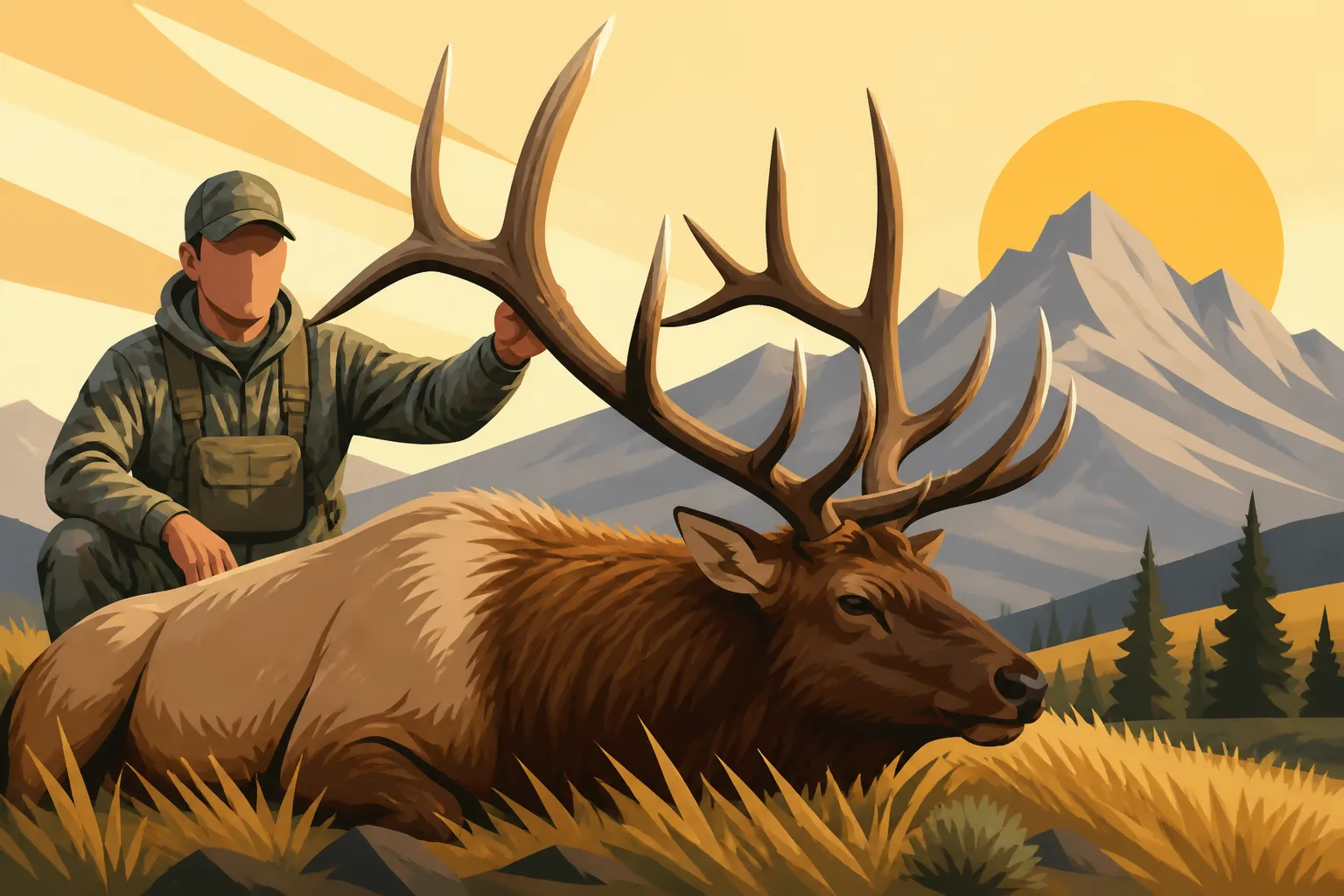
For most hunters, harvesting any bull elk in Wyoming is a triumph. A B&C bull, however, moves into a different realm of accomplishment. It signifies that you not only successfully hunted a mature bull, but one that lived long enough in a rich environment to develop truly exceptional antlers. This accomplishment reflects a confluence of factors: superior genetics, an abundant food source, minimal stress, and the animal simply being able to age without significant injury or disease. From a conservation standpoint, the presence of record-book animals indicates healthy, well-managed populations and robust habitat. It’s a testament to the hard work of wildlife agencies and, frankly, the ethical hunting practices that allow these animals to reach their full potential. It's a goal that drives incredible dedication, hours of scouting, and often, a lifetime of learning about elk behavior and habitat.
Wyoming's Legacy of Giant Elk
Wyoming has a well-deserved reputation for producing trophy elk. While other states certainly boast impressive animals, Wyoming consistently ranks among the top states for B&C entries, particularly in the non-typical category. Our vast public lands, diverse ecosystems, and robust elk herds provide the necessary ingredients for bulls to grow to impressive sizes. Think of the expansive wilderness areas, the high mountain country of the Bridger-Teton National Forest Hunting in Wyoming or the Shoshone National Forest Hunting in Northwest Wyoming, where elk can roam and mature relatively undisturbed. These regions, with their rich forage and challenging terrain, are precisely where the genetics and conditions align to produce those truly magnificent animals that fill the record books. It’s a legacy that continues to draw hunters from across the country, all hoping to etch their name, and a bull's, into the storied history of Wyoming hunting.
Locating Wyoming's Trophy Elk Hotbeds
Finding a record-book elk isn't just about luck; it's about understanding the specific conditions that foster trophy growth and then identifying the units where those conditions are most prevalent. It's a game of patience, research, and often, drawing a coveted tag in a highly sought-after area.
Regions Renowned for Monster Bulls
While a trophy bull can potentially turn up anywhere elk thrive, certain regions in Wyoming consistently produce larger than average animals. Generally, areas with excellent nutrition, lower hunting pressure, and older age classes of bulls are your best bet. This often points towards units with limited quotas, where tags are few and far between, allowing bulls to age naturally. Think about the remote, rugged mountains of western Wyoming, where the habitat is prime, and access can be challenging. These areas often provide the security and forage necessary for a bull to carry massive antlers year after year. The Bighorn Mountains are another area with a history of producing quality animals, as are certain units in the northwestern part of the state. It's not always about sheer numbers of elk, but rather the quality of the bulls within those populations.
The Science Behind Trophy Antlers
Several critical factors contribute to a bull growing record-book antlers. First, genetics play a huge role. Just like in any species, some elk are simply predisposed to growing bigger, more impressive racks. Second, and perhaps most important, is age. A bull needs to live many years – typically 7 to 10, sometimes even older – to reach his maximum antler potential. Young bulls just don't have the physiological capacity to grow B&C caliber antlers. Third is nutrition. Abundant, high-quality forage throughout the year, especially during the antler growing season, is crucial. This means lush summer ranges and accessible, nutritious wintering grounds. When conditions are tough, antler growth suffers. The mild winters we've seen recently, for instance, can significantly impact the health of a herd and, subsequently, the antler growth of the bulls. Lastly, habitat quality and low stress are vital. Bulls that don't have to expend excessive energy avoiding predators or dealing with constant human disturbance can put more of their resources into antler development.
Navigating Limited Quota Units and Draw Odds
The reality is, the units with the highest potential for B&C elk are almost invariably "limited quota" units. These units have a restricted number of tags available, usually allocated through a complex draw system. This means that simply deciding to hunt a particular area isn't an option; you have to apply for and successfully draw a tag, which often requires accumulating preference points over many years. Resources like GoHunt become invaluable here, allowing you to meticulously research Wyoming's Elk Herd Units and Winter Range, analyze harvest success rates, and more importantly, understand the draw odds for each specific unit and license type. Checking Draw Odds Before You Apply is not just a suggestion; it's a necessity for anyone serious about pursuing a trophy. You'll need to study historical data, sometimes going back a decade or more, to understand the trends in point creep and how many points it might take to draw one of these highly sought-after tags. It's a long-term strategy, and patience is a virtue in this particular aspect of Wyoming elk hunting.
Strategies for Pursuing a Wyoming B&C Elk
Once you've done your research, understood the draw, and ideally, hold a coveted tag for a trophy unit, the real work begins. Pursuing a B&C elk in Wyoming requires a different level of dedication and strategy than a general season hunt.
E-Scouting and Pre-Season Intelligence
Your hunt for a B&C elk starts long before you ever set foot in the field. E-scouting, using mapping software like onX or even The Wyoming Hunt Planner, is paramount. You'll be looking for areas with all the elements a giant bull needs: steep, rugged terrain offering security cover, north-facing slopes with dark timber for bedding, diverse forage, and reliable water sources. Focus on remote pockets that are difficult to access, as these often hold older, less pressured bulls. Look for historical harvest data within your unit – while not always indicative of current conditions, it can highlight areas that have historically produced large animals. Pay close attention to migration corridors, especially for areas where elk might move between high summer ranges and wintering grounds. Understanding Wyoming Elk Season Dates Are Set Hunt Area by Hunt Area is critical, as seasons can vary drastically, impacting elk behavior and location. Don't underestimate the power of satellite imagery to identify subtle changes in vegetation or terrain that might indicate prime bedding or feeding areas.
In-Field Tactics for Trophy Bulls
Once you're actually in the unit, your approach needs to be calculated and patient. Trophy bulls are often solitary or in small bachelor groups, especially outside the peak of the rut, and they are incredibly wary. This isn't a hunt where you'll be calling every few minutes. Instead, emphasize silent, slow movement, and spend an immense amount of time Glassing Wyoming Basins Before You Take a Step. High-quality optics are not just helpful; they are essential. You're not just looking for an elk; you're looking for the elk, and often at extreme distances. Focus on areas where elk can escape pressure, like deep canyons, thick timber patches, or high-altitude benches. During the rut, calling can be effective, but remember that older, wiser bulls are often more cautious and may hang up out of range or circle downwind. A strategic cow call to draw attention, followed by patient waiting, might be more effective than aggressive bugling. Stalking a truly mature bull requires an understanding of wind direction, terrain, and the elk's likely escape routes. It’s a chess match played across vast landscapes.
The Physical and Mental Grind
Let's be brutally honest: hunting a B&C elk in Wyoming is physically demanding. You'll be covering miles in steep, high-altitude terrain, often carrying heavy packs. Physical conditioning is non-negotiable. Start training months in advance, focusing on strength, endurance, and cardiovascular fitness. Equally important is mental toughness. There will be days of relentless hiking with no sightings, frustrating stalks, and weather that can turn on a dime. The ability to stay positive, remain focused, and learn from every setback is crucial. This isn't a hunt for the faint of heart; it's a marathon, not a sprint, and requires unwavering commitment. Many hunters consider a What a Guided Wyoming Elk Hunt Costs for these strenuous hunts, especially in wilderness areas, to leverage the guide's experience and pack string support.
Officially Scoring Your Wyoming Trophy
The moment you finally tag a bull that you believe might be a B&C contender is surreal. But the journey isn't over. Proper field care and understanding the scoring process are the final, critical steps to immortalizing your achievement.
Field Care and Antler Preservation
The moment the bull hits the ground, the clock starts ticking, especially if you plan to get it officially scored. You'll need to carefully field dress the animal, cool the meat, and then focus on preserving the skull plate and antlers. The skull cap, with at least a four-inch strip of hide around the antler bases, needs to be removed cleanly. Avoid cutting into the burrs or the bases of the antlers, as any damage here can affect the score. Keep the skull plate clean and dry. Many hunters will immediately get it frozen or take it to a taxidermist for professional preparation, which often involves boiling or macerating the skull to remove all flesh. It’s absolutely critical that the antlers dry naturally for a minimum of 60 days after the animal is harvested before an official measurement can be taken. This allows for any shrinkage to occur, ensuring a consistent and accurate score.
Finding a Certified B&C Measurer
Once your antlers are properly dried and prepared, the next step is to find a certified Boone and Crockett measurer. You can typically find a list of official measurers through the Boone and Crockett Club's website or by contacting your state's game and fish department. Don't just pick anyone; ensure they are indeed certified by the B&C Club. These individuals have undergone rigorous training to understand the complex scoring system and apply it consistently and accurately. They are the gatekeepers to the record books, and their expertise is invaluable. It's a formal process, not just a casual glance.
The Scoring Process and What to Expect
The official scoring session is a meticulous process. The measurer will take a series of precise measurements, often multiple times, to ensure accuracy. They'll measure the length of the main beams, the length of each tine, and circumferences at various points. They'll also note any abnormal points. For typical scoring, symmetry is key, and any differences between corresponding points on each antler will result in deductions. For non-typical, those extra points add to the score. The measurer will fill out an official score sheet, which details every measurement and deduction. If your bull meets the minimum entry score (typically 375 for typical and 390 for non-typical for current B&C record books, though these can change), the score sheet will be submitted to the Boone and Crockett Club for official entry into their records. It's a moment of immense pride and the culmination of years of dreaming, planning, and relentless effort in the Wyoming wilderness.
Here's a simplified look at the general score requirements for typical and non-typical American Elk:
| Category | Minimum Entry Score (All-time) | Minimum Entry Score (Awards) | Key Focus |
|---|---|---|---|
| Typical Elk | 375 | 360 | Symmetry, classic antler configuration |
| Non-Typical Elk | 390 | 375 | Overall mass, abnormal points, unique formations |
Note: These are general guidelines; specific rules and entry minimums are subject to the Boone and Crockett Club's official regulations and can vary for different record book cycles.
Disclaimer
This article is for general informational purposes only and does not constitute professional advice. Laws, prices and regulations vary by location and change over time. Consult a qualified professional for guidance on your specific situation.