Why Professional Guides Must Work for an Outfitter
It can be incredibly confusing when you’re planning that dream hunt in Wyoming, especially when it comes to understanding who does what in the world of professional guiding. Many hunters, particularly those new to the state or hunting out West, often wonder why they can’t just hire a "guide" directly. This guide will walk you through the very specific structure of Wyoming’s outfitting and guiding regulations, explaining why professional guides operate under the umbrella of a licensed outfitter.
Understanding Wyoming's Outfitting and Guiding Landscape
Wyoming has a well-defined system for its hunting and fishing service providers, a system designed to protect both the consumer and the natural resources of the state. It's not just a matter of semantics; there are distinct legal roles and responsibilities that separate an "outfitter" from a "professional guide." Understanding this foundational difference is key to navigating the world of guided hunts here.
The Legal Framework: Outfitter vs. Guide
In Wyoming, an outfitter is essentially the business entity. This individual or company holds the primary license from the Wyoming Board of Outfitters and Professional Guides. They are the ones who contract with clients, collect fees, provide the overall services, and are legally responsible for the entire operation. Think of them as the CEO of the hunting trip. They secure the necessary permits to operate on public lands, carry the required insurance and bonding, and are ultimately accountable for everything that happens under their watch. Their license permits them to engage in the business of guiding, taking paying clients on hunts or fishing trips. They are the ones who advertise, take deposits, and manage the logistics of the hunt, from camp setup to food and transportation.
A professional guide, on the other hand, is an individual who works for a licensed outfitter. They are the skilled individuals who are directly with you in the field, leading the hunt, tracking game, calling animals, and ensuring your safety. They possess extensive knowledge of the terrain, animal behavior, and hunting techniques. While incredibly experienced and knowledgeable, a professional guide cannot legally solicit clients or operate an independent commercial guiding business for compensation in Wyoming without holding an outfitter license themselves. Their license is tied to an outfitter, essentially making them an employee or subcontractor of that outfitting business. This distinction is crucial and often surprises folks who might be used to other states' less rigid structures.
Why This Structure Exists
The reason for Wyoming's structured outfitter-guide relationship is rooted deeply in consumer protection, accountability, and responsible resource management. Without this clear delineation, it would be far too easy for individuals to operate without proper insurance, permits, or oversight, potentially leading to unsafe practices, illegal land use, or financial scams. The state wants to ensure that when you pay for a professional hunting experience, you are engaging with a legitimate, regulated business that has met specific standards.
This system also streamlines the permit process for operating on public lands, such as those managed by the Bureau of Land Management (BLM) or the National Forest Service. Instead of countless individual guides applying for permits, a relatively smaller number of outfitters hold these larger, comprehensive commercial use permits. This makes it easier for federal and state agencies to manage recreational use and ensure compliance with environmental and access regulations. It also provides a clear point of contact for any issues that might arise, whether it's related to client complaints, ethical conduct, or adherence to hunting laws. In short, it’s about creating a transparent, responsible, and professional industry.
The Role of a Licensed Outfitter
The licensed outfitter truly is the backbone of any professional guided hunting or fishing operation in Wyoming. Their responsibilities extend far beyond just booking clients; they encompass a vast array of logistical, legal, and managerial duties that ensure a smooth and compliant operation. Without their foundational role, the entire system would crumble.
Business Operations and Responsibilities
An outfitter is responsible for the entire commercial enterprise. This means they are the ones who advertise their services, negotiate contracts with clients, handle all financial transactions, and manage the client roster. They are the legal entity that holds the business licenses, maintains a physical address, and files taxes. When you sign a contract for a guided hunt, you are signing it with the outfitter, not directly with the guide who will lead your trip. This means the outfitter is legally bound by the terms of that agreement.
Furthermore, outfitters are responsible for the logistical symphony that is a guided hunt. This might include organizing transportation to and from the hunting grounds, setting up and maintaining comfortable camps – whether it's a remote tent camp in the backcountry or a lodge-based operation – providing food, and ensuring all necessary equipment (horses, pack animals, vehicles) is in working order and legally maintained. They also bear the burden of hiring, training, and supervising their professional guides and camp staff. This ensures that their entire team operates under consistent ethical guidelines and a high standard of service, reflecting positively on their business. Every Wyoming Guide Works Under a Licensed Outfitter details this further.
Permits, Insurance, and Oversight
One of the most critical roles of an outfitter is securing and maintaining all the necessary permits and authorizations to operate. This is especially vital when hunting on public lands, which constitute a significant portion of Wyoming’s hunting opportunities. Outfitters must obtain commercial use permits from agencies like the BLM and the U.S. Forest Service for the specific hunt areas they operate in. These permits often dictate the number of clients an outfitter can take, the areas they can use, and the types of activities they can conduct. Without these permits, any commercial operation on public land is illegal. You can learn more about this by researching topics like Outfitter Special Use Permits on Forest Land or BLM Outfitter Permits Required in Wyoming.
Beyond permits, outfitters are legally required to carry significant liability insurance and often must be bonded. This financial protection is a cornerstone of consumer safety. If an accident occurs or if there's a dispute over services, this insurance and bonding provides a layer of recourse for the client that would simply not exist if you were dealing with an uninsured, unlicensed individual. The Wyoming Board of Outfitters and Professional Guides oversees this entire process, ensuring that outfitters meet strict financial and operational requirements before granting or renewing a license. This regulatory oversight ensures a level of professionalism and accountability that benefits everyone involved. The board maintains a public record of licensed outfitters, allowing hunters to verify credentials and ensure they are booking with a legitimate operation.
The Professional Guide's Place in the System
While the outfitter handles the overarching business and legal framework, the professional guide is the face of the operation in the field. They are the experts who lead you through the wilderness, read the sign, and help you pursue your quarry. However, their role, while paramount to the client's experience, is strictly defined within the outfitter-guide model.
The Guide's Responsibilities to the Outfitter and Clients
A professional guide's primary responsibility is to the client and to execute the hunt plan as designed by their employing outfitter. This means providing a safe, enjoyable, and ethical hunting experience. They are the eyes and ears on the ground, using their extensive knowledge of local wildlife, terrain, and weather patterns to put clients in the best possible position for success. Guides are often master trackers, callers, and wilderness navigators. They ensure that all hunting regulations are strictly followed during the actual hunt, from shooting hours to tagging requirements and ethical shot placement.
Furthermore, guides are ambassadors for their outfitter and the hunting industry as a whole. They are expected to represent the outfitter with professionalism, respect for the land, and dedication to client satisfaction. This includes handling unexpected challenges, ensuring client safety in rugged environments, and often providing the camaraderie and mentorship that makes a guided hunt truly memorable. They are the ones sharing stories around the campfire, teaching new skills, and patiently answering questions about the wild country. While they are experts in their craft, their actions in the field ultimately reflect upon the outfitter they work for, who carries the ultimate legal and ethical responsibility.
Why Guides Can't Operate Independently
The simple truth is that professional guides in Wyoming cannot operate independently for compensation because they do not hold the required outfitter license or the commercial permits for public land use. Imagine a scenario where individual guides could simply hang out a shingle and take paying clients. Who would be responsible if an accident occurred and they lacked insurance? How would the state ensure adherence to land use permits on federal ground? How would clients know they weren't dealing with a fly-by-night operator?
This system prevents a fragmented and potentially unregulated industry. By requiring guides to work under a licensed outfitter, Wyoming ensures that every commercial hunting trip is backed by a legitimate business entity that has undergone rigorous vetting, carries insurance, and holds the necessary permits. This setup safeguards clients from potential legal and financial liabilities that could arise from unregulated guiding. It centralizes accountability, making it easier for regulatory bodies like the Wyoming Board of Outfitters and Professional Guides to monitor and enforce standards across the industry. This is why Professional Guide License Requirements in Wyoming are distinct from an outfitter's.
Consider the practicalities:
- Permit Acquisition: Commercial use permits for public lands are complex and often limited. It's far more efficient and manageable for a few outfitters to hold these permits for specific areas than for hundreds of individual guides.
- Insurance & Bonding: The financial burden and risk associated with commercial liability insurance and bonding are substantial. It makes more sense for a business entity (outfitter) to bear this than individual guides.
- Marketing & Client Acquisition: Outfitters invest heavily in marketing, booking platforms, and administrative staff. Guides can focus purely on the field experience, knowing the outfitter is handling the business side.
- Consistency & Quality Control: An outfitter can implement consistent training, safety protocols, and ethical standards across their entire team of guides, ensuring a predictable level of quality for clients.
Benefits of the Outfitter-Guide Model
While the structure might seem a bit bureaucratic from the outside, Wyoming’s outfitter-guide model offers significant advantages. These benefits extend to the client, the environment, and the hunting industry itself, fostering a more responsible and reliable system.
Client Protection and Accountability
Perhaps the most significant benefit of this model is the robust protection it offers to clients. When you book with a licensed outfitter, you are entering into a contract with a regulated business. This means there's a clear line of accountability if things go wrong. Outfitters are required to carry insurance and often bonding, providing a financial safety net for clients in cases of unforeseen circumstances, accidents, or disputes over services. Without this, a client dealing with an independent, unlicensed guide might have very little recourse if they were to encounter issues.
Moreover, the Wyoming Board of Outfitters and Professional Guides acts as an oversight body. If a client has a legitimate complaint about an outfitter or their guides, there is a formal process to file that complaint and have it investigated. This creates a powerful incentive for outfitters to maintain high standards of service and ethical conduct, knowing that their license and reputation are on the line. Resources like BookYourHunt often list licensed outfitters, and it's always wise to Checking an Outfitter's Complaint History Before Booking through the state board. This centralized accountability ensures that your investment in a guided hunt is protected by a reputable entity, not a rogue operator.
Industry Standards and Quality Control
The outfitter-guide system is instrumental in setting and maintaining professional standards across Wyoming's hunting and fishing outfitting industry. By requiring outfitters to be licensed, insured, and permitted, the state elevates the entire profession. It weeds out unprofessional or unethical operators who might otherwise tarnish the reputation of legitimate businesses. This helps ensure that hunters receive a consistent level of quality and professionalism regardless of which outfitter they choose.
The outfitter's responsibility for their guides also means they invest in training and ensuring their guides are knowledgeable, experienced, and adhere to best practices. This continuous oversight contributes to safer hunting experiences and more ethical interactions with wildlife. When everyone operates under the same established rules, it fosters a healthier, more respected industry. This also contributes to responsible wildlife management, as licensed outfitters are more likely to be proactive in following regulations and promoting conservation practices, understanding that their business depends on healthy wildlife populations and accessible public lands.
Navigating the System as a Hunter
Understanding Wyoming's outfitter-guide structure is one thing, but practically navigating it to book your next hunt is another. For hunters, especially those new to seeking guided experiences in Wyoming, knowing how to verify credentials and where to find reputable operations is paramount.
Verifying Licenses and Booking Ethically
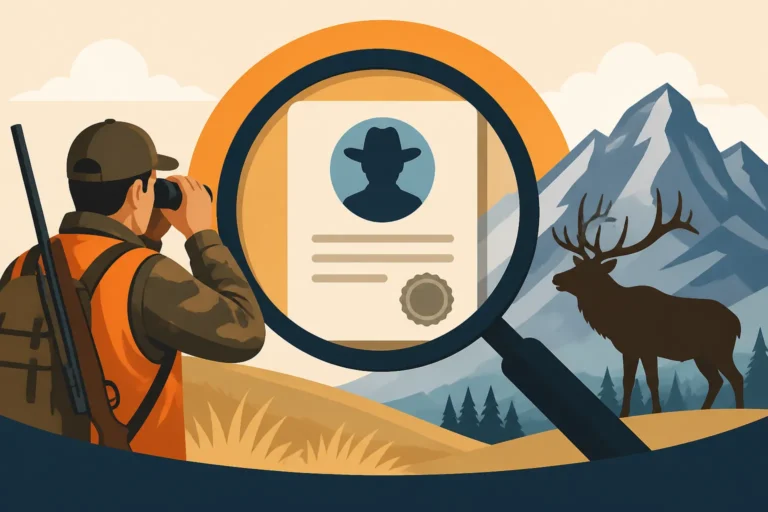
When you're ready to book a guided hunt, the first and most crucial step is to verify that the outfitter is properly licensed by the Wyoming Board of Outfitters and Professional Guides. Never take a booking agent or even an outfitter's word for it; always check the official state database. This board exists specifically to regulate the industry and protect consumers. They will have a list of all currently licensed outfitters and their contact information. This simple step can save you a world of trouble. You might look up Looking Up a License in the Wyoming Outfitter Board to learn how.
Be wary of anyone who claims to be a "guide" offering services for compensation directly, without mentioning an outfitter. While resident friends can guide you without payment under certain circumstances, a professional guide taking money must be affiliated with a licensed outfitter. Always ask for the outfitter's license number and verify it. This due diligence ensures you are booking an ethical, legal, and professionally backed hunting experience. Don't be afraid to ask detailed questions about the outfitter's permits, insurance, and the experience of their guides. A reputable outfitter will be transparent and happy to provide this information.
Resources for Finding Reputable Outfitters
There are several excellent resources available for hunters looking to connect with reputable Wyoming outfitters. Beyond the official state board, online platforms and hunting communities can be incredibly helpful.
- Online Outfitter Directories: Websites like BookYourHunt offer extensive directories of licensed outfitters, often including client reviews, hunt packages, and contact information. These platforms act as a central hub, making it easier to compare services and connect directly with outfitters.
- Hunting Forums and Communities: Engaging with online hunting forums or social media groups focused on Western hunting can provide invaluable firsthand accounts and recommendations from other hunters. However, always cross-reference any recommendations with official licensing databases.
- Draw Odds and Planning Tools: Platforms such as GoHunt offer in-depth information on draw odds, unit analyses, and often include directories or advertisements for outfitters operating in specific areas. While primarily a planning tool, they can indirectly lead you to outfitters who specialize in the type of hunt you're planning.
- Hunting Expos: Attending national or regional hunting expos gives you the chance to meet outfitters in person, ask questions face-to-face, and get a feel for their operation and personality. This can be a great way to establish rapport before committing to a hunt.
When researching, pay close attention to the outfitter’s track record, testimonials, and how long they've been in business. Read through their contracts carefully, paying special attention to Deposits and Cancellation Terms and what their prices include versus what's extra (e.g., licenses, meat processing, taxidermy, tips). Ultimately, your goal is to find an outfitter whose values, experience, and services align with your hunting goals and expectations, all while ensuring they operate fully within Wyoming's legal framework.
Outfitter vs. Professional Guide: A Quick Comparison
To help clarify the distinct roles, here's a summary of the key differences and responsibilities:
| Feature | Licensed Outfitter | Professional Guide |
|---|---|---|
| Legal Status | Business entity, holds primary state license | Individual, works under a licensed outfitter |
| Commercial Operation | Can advertise, solicit clients, contract, collect fees | Cannot solicit clients or operate independently for pay |
| Permits & Licenses | Holds commercial land use permits (BLM, USFS), business license | Holds individual guide license (issued by state) |
| Accountability | Legally responsible for entire operation and client experience | Responsible to the outfitter and for field execution |
| Financials | Handles all payments, insurance, bonding | Receives payment from the outfitter |
| Field Role | Oversees operation, may or may not guide directly | Leads clients in the field, tracking, calling, safety |
| Contractual Party | The party you sign your hunt contract with | An employee or subcontractor of the outfitter |
| Primary Goal | Business management, client satisfaction, regulatory compliance | Client safety, successful hunt execution, good experience |
Disclaimer
This article is for general informational purposes only and does not constitute professional advice. Laws, prices and regulations vary by location and change over time. Consult a qualified professional for guidance on your specific situation.