Professional Guide License Requirements in Wyoming
Aspiring to become a professional hunting guide in Wyoming is a dream for many, but the path isn't just about knowing the backcountry and tracking game. It involves a serious commitment to legal requirements and ethical standards. Many hopeful guides feel overwhelmed by the sheer volume of paperwork and the specific criteria set forth by the state, often leading to frustration before they even start. This guide aims to demystify the professional guide license requirements in Wyoming, helping you understand each step, from initial qualifications to ongoing responsibilities, so you can confidently pursue your passion.
The Foundation: Understanding Wyoming's Guiding Landscape
Before you even think about submitting an application, it’s crucial to understand the unique structure of professional guiding in Wyoming. Unlike some other states where a guide might operate independently after getting a basic license, Wyoming operates under a strict system where every professional guide works directly under a licensed outfitter. This isn't just a suggestion; it's a fundamental aspect of the state's regulatory framework, designed to ensure accountability and client safety. You're not just getting a guide license; you're stepping into a well-defined role within a larger, regulated industry.
The state places a significant emphasis on the outfitter as the primary licensed entity, responsible for the actions of their guides. This means that while you, as a guide, have your own set of requirements to meet, your employment is tied to an outfitter who holds the overarching permit for commercial hunting operations. It's a system that can feel a bit like an apprenticeship, even if you're an experienced woodsman, because your professional identity is intrinsically linked to the outfitter you work for. Many guides find their initial opportunities by networking with existing outfitters or exploring job postings on platforms that list hunting opportunities.
This structure also impacts how professional responsibility is viewed. If a rule is broken or an incident occurs, both the guide and the outfitter can be held accountable, though the outfitter bears the ultimate responsibility for ensuring their entire operation, including their guides, complies with all state and federal laws. This is why outfitters are so meticulous when hiring and training their guides, often putting them through their own internal vetting processes even after the state issues a license. It’s a serious business, and the state wants to make sure everyone involved is held to a high standard, particularly when clients are paying for a safe and successful experience in the Wyoming wilderness.
Distinguishing Guides from Outfitters
It’s easy to conflate the terms "guide" and "outfitter" in casual conversation, but in Wyoming, they represent distinct legal roles with different responsibilities and licensing requirements. An outfitter is the business owner, the primary license holder who typically owns the equipment, secures the permits for specific hunt areas, and markets the hunts to clients. They are the ones who contract with clients, handle the finances, and are ultimately responsible for the entire hunting operation. Their license is far more extensive and requires significant experience, bonding, and insurance.
A professional guide, on the other hand, is an employee of that outfitter. Guides are the individuals who are actually in the field with clients, leading the hunts, tracking game, setting up camps, and ensuring the day-to-day safety and experience of the hunters. They might possess incredible field skills and knowledge of the terrain, but they do not operate their own commercial hunting business. Think of it like this: the outfitter builds and runs the restaurant, while the guide is the highly skilled chef or server directly interacting with the patrons.
This distinction is crucial because the licensing process and ongoing obligations differ significantly for each role. If your ambition is to one day run your own hunting business, hiring other guides, managing logistics, and securing permits, then you're looking at an outfitter's license. But if your passion is solely about being in the field, leading hunters, and sharing your expertise in a more direct, hands-on role without the immense administrative burden of running a business, then a professional guide license is your objective. Every Wyoming Guide Works Under a Licensed Outfitter details this relationship even further.
The Resident Guide Distinction
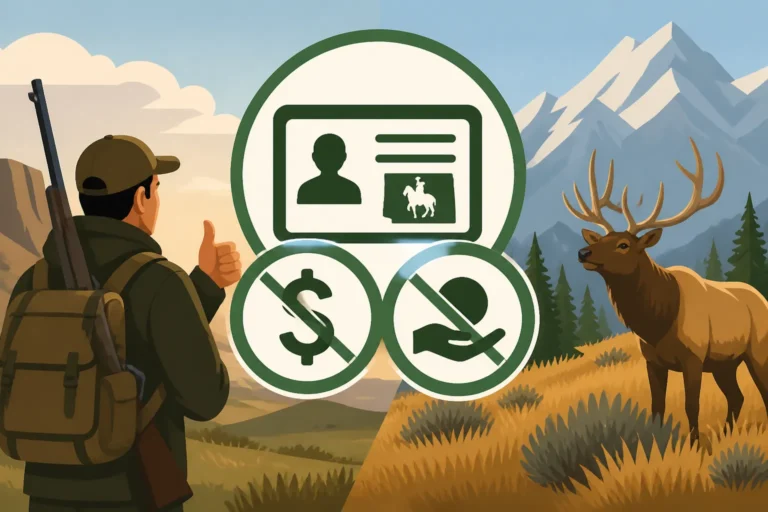
Wyoming also recognizes a category often called a "resident guide," but it's important to clarify that this isn't a professional, paid position in the same vein as a licensed professional guide. A Wyoming resident can serve as a "resident guide" for nonresident hunters under specific circumstances, particularly for hunts in designated wilderness areas where nonresidents are required to have a licensed guide or a resident friend as an accompanying hunter. However, this resident friend cannot accept any payment or other valuable consideration for their services.
This "resident guide" role is more of an accommodation for friends and family, allowing a resident to help a nonresident comply with the state's wilderness guide rule. They still need to meet certain criteria, such as being at least 18 years old, holding a valid Wyoming hunting license for the current season, and being certified in hunter education if born after December 31, 1965. Most importantly, they must sign an affidavit affirming that they will not receive any compensation for their services.
The difference here is profound. A professional guide is earning a living, is trained by and reports to an outfitter, and is expected to uphold a commercial standard of service and safety. A resident guide, while providing a valuable service, is essentially a knowledgeable hunting companion. If you're looking to turn your passion for hunting into a career, the professional guide license is the path you need to pursue, not the uncompensated resident guide affidavit. Understanding The Affidavit a Wyoming Resident Guide Must File is important for those considering this unpaid role.
Meeting the Bar: Specific Requirements for a Professional Guide License
Becoming a licensed professional guide in Wyoming isn't just about having grit and knowing how to skin an elk. The state sets forth a number of specific requirements to ensure that anyone leading clients into the backcountry is competent, responsible, and prepared for the challenges inherent in guiding. These aren't arbitrary hoops; they're designed to protect hunters, wildlife, and the reputation of Wyoming's hunting industry.
Age, Residency, and Background Checks
First and foremost, to be eligible for a professional guide license, you must be at least 18 years of age. This is a baseline legal requirement, as guiding often involves making critical decisions, handling firearms, and navigating challenging terrain, all of which demand a certain level of maturity and judgment. There's no upper age limit, so long as you can still perform the physical duties required for the job.
Residency plays a role in the application process, though non-residents can also become guides under certain conditions, usually tied to an outfitter. However, for residents, the path can sometimes be more straightforward and might involve different fee structures for the license itself. You'll need to provide proof of residency as part of your application, typically through a driver's license or other official documents.
Perhaps one of the most critical and often overlooked aspects is the background check. Wyoming is serious about who it allows to guide clients. Applicants will undergo a criminal background check to ensure they don't have a history of serious offenses that could pose a risk to clients or the state's natural resources. This includes offenses related to wildlife violations, felony convictions, or any other crimes of moral turpitude. Honesty and a clean record are paramount, as any discrepancies or undisclosed issues can lead to immediate disqualification. The Wyoming Board of Outfitters and Professional Guides takes this aspect very seriously, maintaining the integrity of the profession.
Field Experience and Practical Knowledge
While formal education isn't always a prerequisite for a guide license, demonstrated field experience and practical knowledge are absolutely essential. The state wants to know that you can actually do the job, and do it safely and effectively. This often means providing evidence of your experience in the specific type of hunting you intend to guide for, whether it's elk, deer, or bighorn sheep. Outfitters will certainly vet this, but the state expects a baseline.
This experience isn't just about successful harvests; it's about competence in all aspects of a hunt. Can you navigate using a map and compass (and GPS as a backup) in all weather conditions? Do you know how to pack out an animal safely and efficiently? Can you identify fresh game sign, understand animal behavior, and lead a client to an ethical shot opportunity? These are the practical skills that transform a good hunter into a great guide. Many aspiring guides build this experience over years of personal hunting and often by volunteering or working as an uncompensated "assistant" under an experienced outfitter to learn the ropes.
Furthermore, a professional guide needs to possess extensive knowledge of Wyoming's hunting regulations, including season dates, bag limits, weapon restrictions, and tagging requirements. Clients rely on guides not just to find game, but to ensure they are hunting legally and ethically. Keeping up with these regulations, which can change annually by hunt area, is a continuous responsibility. This knowledge is often tested, directly or indirectly, through examinations or interviews during the licensing process. Platforms like GoHunt, which provide detailed regulatory information, can be invaluable resources for staying current.
First Aid, CPR, and Other Certifications
Safety is non-negotiable in the backcountry. Therefore, holding current certification in First Aid and CPR is a mandatory requirement for all professional guides in Wyoming. These aren't just pieces of paper; they represent life-saving skills. Imagine a client tripping in rough terrain, suffering a severe allergic reaction, or experiencing a medical emergency miles from the nearest road. As a guide, you are the first responder, and your ability to act calmly and effectively can make all the difference.
The state typically requires certifications from recognized providers like the American Red Cross or the American Heart Association. Many guides also pursue more advanced wilderness first aid or wilderness first responder certifications, which are highly recommended given the remote nature of many Wyoming hunts. These advanced courses cover topics like patient assessment in extended care situations, splinting fractures, managing hypothermia, and evacuating injured individuals from remote locations.
Beyond basic first aid, some outfitters might require additional certifications based on the specific type of hunting or terrain. For instance, if you're guiding horseback hunts, demonstrating proficiency with horses and basic equine first aid might be expected. If operating in grizzly country, bear safety training and proper food storage techniques are paramount. While not always state-mandated for the license, these additional skills are often a requirement for employment with a reputable outfitter. Wilderness First Aid on a Guided Hunt expands on this critical topic.
Navigating the Paperwork: The Application and Examination Process
Once you’ve met the foundational requirements, the next step is to navigate the actual application process. This involves submitting the necessary forms, paying fees, and often passing an examination administered by the Wyoming Board of Outfitters and Professional Guides. It can feel like a bureaucratic hurdle, but it's a vital part of ensuring only qualified individuals lead hunters into the field.
Submitting Your Application and Fees
The journey begins with obtaining and meticulously completing the official application form for a professional guide license from the Wyoming Board of Outfitters and Professional Guides. This form will request detailed personal information, residency proof, employment history, and a declaration of any past criminal or wildlife violations. It’s absolutely critical to be thorough and honest at this stage, as any misrepresentations can lead to immediate disqualification and potential legal repercussions.
Along with the completed application, you'll need to submit the required application fees. These fees are subject to change, so always check the most current fee schedule directly with the Wyoming Board. These fees cover the administrative costs associated with processing your application, conducting background checks, and scheduling any necessary examinations. It's important to remember that these fees are typically non-refundable, regardless of whether your application is approved or denied. Be sure you understand the Professional Guide License Requirements in Wyoming before applying.
You'll also need to gather supporting documentation, which may include copies of your First Aid/CPR certifications, proof of age, and any other relevant credentials. If you are applying as a non-resident or have specific circumstances, there may be additional forms or documentation required. Take the time to double-check everything before submission; a complete and accurate application package will help prevent delays in processing.
The Examination and Interview
After your application is reviewed and deemed complete, you may be required to pass an examination. This exam is designed to assess your knowledge of Wyoming's hunting regulations, wildlife management principles, conservation laws, and general outdoor safety. It’s not simply a test of your hunting prowess but a formal evaluation of your understanding of the legal and ethical framework governing hunting in the state. The specifics of the exam, such as its format (written, oral, or practical), can vary, so it's always best to inquire about the current process when you apply.
Preparing for the exam typically involves thoroughly studying the Wyoming Game and Fish Department regulations, the statutes governing outfitters and guides, and general outdoor survival and first aid principles. Many aspiring guides find it helpful to review previous years' regulations, even though they change, to get a sense of the scope of knowledge required.
In addition to the written or oral exam, some applicants may also undergo an interview with members of the Board or its representatives. This interview provides an opportunity for the Board to get to know you, clarify any aspects of your application, and assess your judgment, communication skills, and commitment to the profession. It’s also a chance for you to demonstrate your passion for guiding and your understanding of the responsibilities that come with it. Approaching this with professionalism and genuine enthusiasm can go a long way.
Beyond the License: Responsibilities and Continued Compliance
Getting your professional guide license is a significant achievement, but it's not the end of the journey. As a licensed guide in Wyoming, you carry a continuous responsibility to uphold the standards of the profession, adhere to all regulations, and ensure the safety and satisfaction of your clients. This ongoing commitment is what truly defines a professional in the field.
Working Under a Licensed Outfitter
As mentioned earlier, a key aspect of being a professional guide in Wyoming is that you must operate under the direct supervision and employment of a licensed outfitter. Your guide license essentially allows you to work for an outfitter, it does not permit you to run your own independent guiding business. This means your outfitter is responsible for your actions in the field, and you are accountable to them.
When you secure employment with an outfitter, they will likely have their own onboarding and training procedures, which will cover their specific operational protocols, safety guidelines, and client management expectations. You'll become an integral part of their team, contributing to the overall success and reputation of their business. It’s a symbiotic relationship: your skills and professionalism enhance their operation, and their established business provides you with clients and the legal framework to guide. This collaboration is detailed in Every Wyoming Guide Works Under a Licensed Outfitter.
It’s important to understand the hierarchy and chain of command within an outfitting operation. While you might be an expert in the field, the outfitter is the ultimate authority on business decisions, hunt logistics, and client bookings. Your role is to execute the hunt plan safely and effectively, providing the best possible experience for the clients under the outfitter's direction.
Adhering to Regulations and Ethical Conduct
Once licensed, a professional guide is expected to be a walking, talking encyclopedia of Wyoming hunting regulations. This isn't an exaggeration; clients often rely on their guides to ensure every aspect of their hunt is legal and above board. This includes knowing specific hunt area boundaries, understanding species-specific rules, observing legal shooting hours, adhering to blaze orange requirements, and knowing exactly what counts as a legal firearm or bow draw weight for different species.
Ethical conduct goes hand-in-hand with legal adherence. This means practicing fair chase, ensuring humane harvesting of animals, respecting private land boundaries, and treating wildlife and the environment with the utmost respect. It also extends to client interactions: maintaining a professional demeanor, being honest about hunting conditions, managing expectations, and prioritizing safety above all else. A guide's reputation is built on trust, integrity, and a deep respect for the resource.
Any violation of game laws or ethical standards can jeopardize not only your guide license but also your outfitter's license and the overall reputation of Wyoming's hunting industry. The Wyoming Board of Outfitters and Professional Guides has the authority to investigate complaints and, if warranted, revoke or suspend licenses for serious infractions. Therefore, continuous self-education on current regulations and a strong commitment to ethical behavior are non-negotiable aspects of being a professional guide.
License Renewal and Continuing Education
A professional guide license in Wyoming isn't a "set it and forget it" credential. It requires periodic renewal, typically on an annual basis. This renewal process usually involves submitting an updated application, paying renewal fees, and confirming that you still meet all eligibility requirements, including current First Aid/CPR certifications. The Wyoming Board sends out reminders, but it's ultimately your responsibility to track your renewal dates. Wyoming Outfitter Annual Renewal Requirements provides a glimpse into the similar ongoing obligations outfitters face.
While there isn't always a strict "continuing education" credit system like some professions, staying current in your knowledge and skills is implicitly required. This means actively following changes in hunting regulations, participating in workshops or seminars on topics like wildlife disease management (e.g., CWD or brucellosis), or honing your navigation and survival skills. Many guides find value in attending industry conferences or even just regularly reviewing the Wyoming Game and Fish Department's annual regulation booklets.
The landscape of hunting and outdoor safety is always evolving, and a truly professional guide embraces this need for continuous learning. Whether it's learning about new optic technologies, staying informed about Wyoming's Elk Feedgrounds and Why They Exist and their implications, or simply refining your calling techniques, the best guides are always striving to improve. This dedication ensures that you can provide the highest level of service to your clients and remain a respected member of Wyoming's guiding community.
| Requirement Category | Specific Details | How to Meet It |
|---|---|---|
| Basic Eligibility | Must be at least 18 years of age. | Provide valid government-issued ID (e.g., driver's license). |
| U.S. Citizen. | Self-declaration on application, may require proof. | |
| Clean Criminal Record. | Undergo a criminal background check as part of the application. Disclose all relevant history. | |
| Certifications | Current First Aid Certification. | Obtain certification from recognized providers (e.g., American Red Cross, American Heart Association). |
| Current CPR Certification. | Obtain certification from recognized providers (e.g., American Red Cross, American Heart Association). | |
| Knowledge & Skills | Demonstrated Field Experience. | Document personal hunting experience, reference letters from outfitters/hunters. |
| Knowledge of Wyoming Hunting Regulations. | Study current Wyoming Game & Fish Regulations, Outfitter/Guide Statutes. | |
| Knowledge of Wildlife Management. | Prepare for examination covering wildlife identification, biology, and conservation principles. | |
| Application Process | Completed Application Form. | Obtain from Wyoming Board of Outfitters and Professional Guides; fill out completely and accurately. |
| Application Fees. | Pay non-refundable fees as per the current schedule (check Board website for latest figures). | |
| Pass State Examination. | Prepare diligently for written/oral exam covering regulations, safety, ethics. | |
| Ongoing Compliance | Employed by Licensed Outfitter. | Secure employment with a state-licensed Wyoming outfitter. |
| Adherence to Regulations/Ethics. | Continually review regulations, operate ethically, prioritize client and wildlife safety. | |
| Annual License Renewal. | Submit renewal application and fees before expiration date; maintain current certifications. |
Disclaimer
This article is for general informational purposes only and does not constitute professional advice. Laws, prices and regulations vary by location and change over time. Consult a qualified professional for guidance on your specific situation.