The Average Cost of a Guided Wyoming Elk Hunt
Figuring out the true cost of a guided elk hunt in Wyoming can feel like trying to hit a moving target in a windstorm. It's an investment, not just a casual trip, and you want to ensure every penny spent brings you closer to that dream bull. This guide will walk you through the various financial components of a guided Wyoming elk hunt, helping you understand the average expenses, the hidden costs, and how to budget realistically for this incredible backcountry experience.
Understanding What Drives Guided Elk Hunt Costs in Wyoming
Many hunters dream of a Wyoming elk hunt, but when they start looking at guided trip prices, the sticker shock can be real. It's easy to feel overwhelmed, seeing figures that range from what seems like a down payment on a truck to the cost of a small house. This isn't just about the guide's daily rate; it's a complex equation influenced by many moving parts, all designed to deliver a wilderness experience that most hunters simply can't orchestrate on their own.
The Many Factors Influencing Price Tags
The price of a guided elk hunt in Wyoming isn't pulled out of thin air. It's a careful calculation based on numerous factors that contribute to the overall operation and, ultimately, your success and safety. Think of it like booking a custom adventure – the more specialized or intensive the experience, the more resources it demands.
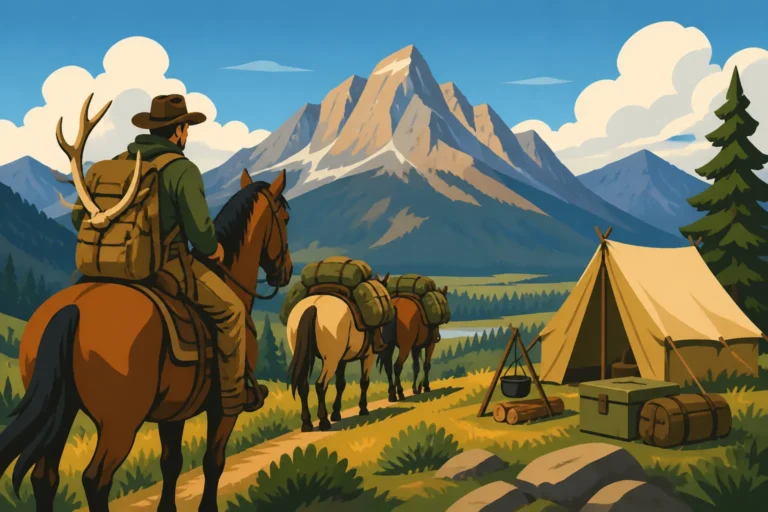
For instance, hunts deep in the wilderness requiring extensive pack-in with horses or mules naturally cost more than those based out of a lodge with vehicle access. The logistics alone are monumental, involving seasoned wranglers, well-trained livestock, and many days dedicated to just setting up and tearing down camp. The longer the hunt duration, the more it adds to the cost, as outfitters are dedicating their time, their crew's time, and their resources exclusively to your group for that period. You might also find variations based on the type of weapon – archery hunts often require more days and specialized guiding techniques than rifle hunts, influencing the overall cost. The reputation and success rate of an outfitter also play a significant role. Highly sought-after outfitters with a consistent track record of putting hunters on trophy animals can, and often do, command higher prices. This isn't just bravado; it reflects years of experience, a deep understanding of specific hunt areas, and the investment in quality equipment and seasoned guides. You'll want to ask about What a Guided Wyoming Elk Hunt Costs early in your research to get a ballpark figure that fits your budget.
Resident vs. Non-Resident Realities
One of the biggest distinctions in Wyoming hunting costs comes down to residency. Wyoming makes a clear effort to support its resident hunters, and this is reflected in everything from license fees to the general access dynamics of hunting. For non-residents, the entire financial picture shifts considerably, sometimes to a degree that can catch first-time applicants off guard.
Non-residents face significantly higher license and tag fees for elk. While resident tags are quite affordable, non-resident elk licenses can easily run into four figures, making them a substantial portion of the overall hunt cost before you even consider an outfitter. This difference isn't unique to Wyoming, but it's a critical component of the total budget for anyone coming from out of state. Beyond the license, non-residents also face the "wilderness guide law," which mandates that if you hunt big game in designated wilderness areas, you must either be accompanied by a licensed professional outfitter or a resident guide who files a specific affidavit and cannot be paid. This regulation automatically adds an outfitter fee for many of the most desirable backcountry elk hunts for non-residents, whereas a resident hunter might simply go with a friend or family member. Understanding The Wilderness Guide Rule for Elk Hunters is absolutely essential for non-residents planning a hunt in these areas, as it directly impacts your financial and logistical planning.
Deciphering Different Guided Hunt Packages
When you start digging into outfitter websites or chatting with them at hunting expos, you’ll quickly realize that "guided hunt" isn't a one-size-fits-all term. There's a spectrum of services, each with its own price point and level of support. It’s crucial to understand these distinctions so you can compare apples to apples and choose a package that aligns with your hunting style, budget, and expectations.
Fully Guided, All-Inclusive Experiences
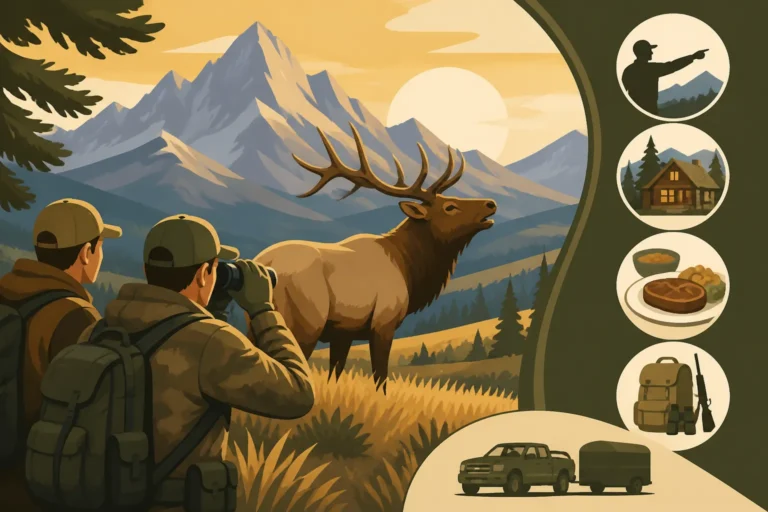
This is often what people envision when they think of a guided hunt: everything taken care of from start to finish. A fully guided, all-inclusive package means you're generally met at a designated meeting point, often an airport or nearby town, and transported to the hunting camp. Once there, your food, lodging, and daily guiding services are provided. These camps can range from rustic tent camps deep in the wilderness to comfortable lodges with hot showers and hearty meals.
The core of a fully guided hunt is the daily effort to put you on game. Your guide will lead you into the field, track animals, help with field dressing, and pack out your harvest. This level of service covers the heavy lifting and logistical complexities that would be daunting for most self-guided hunters. These hunts usually represent the higher end of the price spectrum due to the extensive resources and personnel involved. Outfitters running these types of operations invest heavily in experienced guides, quality horses or vehicles, comfortable camp facilities, and gourmet meals. They are essentially selling peace of mind and maximum opportunity. Expect these packages to have a higher Typical Price Range for a Guided Elk Hunt.
Drop Camps and Semi-Guided Options
For hunters who want some outfitter support but prefer a more independent experience, drop camps and semi-guided options offer a middle ground, often at a lower price point. A drop camp essentially means an outfitter packs you and your gear into a pre-established camp location, leaves you with necessary provisions, and then picks you up at a predetermined time. You are responsible for all your hunting, cooking, and daily camp chores.
This option is perfect for experienced hunters who know how to navigate, find game, and handle all aspects of a backcountry hunt but lack the specialized equipment (like pack animals) or the time to get deep into remote areas on their own. It significantly reduces the cost compared to a fully guided hunt because you're not paying for a guide's daily services. Similarly, semi-guided hunts fall somewhere between fully guided and a drop camp. In a semi-guided scenario, an outfitter might provide a base camp, meals, and advice on where to hunt, but you're largely responsible for executing your own hunt, possibly with less direct field assistance from a guide. For example, the outfitter might point you to productive drainages or provide maps with known elk travel routes. These options offer a blend of assistance and independence. Understanding What a Wyoming Drop Camp Hunt Costs can help you determine if this more self-reliant approach fits your budget and skills.
Specialty Hunts and Premium Offerings
Beyond the standard packages, some outfitters specialize in premium or niche experiences that carry a higher price tag. These can include trophy bull hunts, which focus exclusively on targeting mature, record-book class animals, or late-season hunts that require specialized equipment and expertise for extreme weather conditions. The cost for a What a Trophy Bull Hunt Actually Runs can be significantly higher because of the increased scouting, the potential for longer hunt durations, and the outfitter's reputation for finding exceptional animals.
Another specialty might be horseback hunts, where the entire hunt is conducted from horseback, allowing access to extremely remote areas that are otherwise inaccessible. These require additional resources, including a string of well-trained horses and dedicated wranglers, all of which add to the operational cost. Some outfitters also offer exclusive private land access, which might include additional fees paid to landowners for trespass rights, driving up the overall package price. These premium options cater to hunters looking for a very specific, high-quality, or unique experience and are priced accordingly to reflect the enhanced service, specialized knowledge, and often, higher success rates for particular types of animals. When researching, platforms like BookYourHunt or GoHunt can be useful for comparing these varied offerings.
Beyond the Base Price: Hidden Costs and Considerations
It's tempting to look at an outfitter's advertised package price and assume that's your total financial commitment. However, neglecting the numerous additional costs associated with a Wyoming elk hunt is a common pitfall that can lead to significant budget overruns. These "hidden" costs aren't intentionally concealed by outfitters, but they are often separate line items that hunters need to budget for independently.
Licensing, Tags, and Application Fees
Before you even step foot in a guided camp, you need to secure your licenses and tags. For non-residents, these fees are substantial and are almost universally not included in an outfitter's package price. You'll pay for your hunting license, the elk tag itself, and usually a conservation stamp. In addition, there are application fees, which are non-refundable whether you draw a tag or not. If you're building preference points in Wyoming, those annual point purchases also add up over the years.
These costs are critical to understand upfront, as they can add a thousand dollars or more to your total expenditure, especially for non-residents. Outfitters will usually advise you on the necessary licenses, but it's your responsibility to apply and secure them. Always confirm with the outfitter whether Are Licenses Included in Outfitter Prices?, though the answer is almost always no. Don't forget that if you're targeting a specific unit or special tag, the fees might vary, so checking the Wyoming Game and Fish Department website for the most current figures is essential for accurate budgeting.
Tips, Travel, and Trophy Care
Once you've factored in the hunt package and licenses, there are several other significant expenses. Tipping your guide and camp staff is customary and expected in the outfitting industry. Guides often work incredibly long hours, in challenging conditions, to ensure you have a successful and safe hunt. A general rule of thumb for tipping is typically 15-20% of the hunt's base price, but this can vary depending on your experience and success. Many hunters underestimate this cost, but it's a vital part of showing appreciation for the hard work of the team. For a deeper dive, check out advice on How Much to Tip a Hunting Guide.
Travel to and from Wyoming is another major expense. This includes flights, rental cars, fuel, and any pre- or post-hunt lodging you might need. If you harvest an animal, there are also costs associated with trophy care and meat processing. This could involve professional caping for a taxidermist, cutting and wrapping services, and potentially shipping meat or antlers back home, which can be surprisingly expensive, especially for large animals like elk. These services are rarely, if ever, included in the outfitter's fee.
Gear, Contingencies, and Personal Expenses
Finally, don't forget the gear. While outfitters will provide a packing list, you're responsible for your personal hunting equipment: rifle or bow, ammunition, optics, specialized clothing layers, sturdy boots, and a comfortable pack. High-quality gear suited for Wyoming's rugged terrain and variable weather isn't cheap, but it's an investment in your comfort, safety, and success.
It's also wise to set aside a contingency fund. Unexpected costs can arise, from a broken piece of gear that needs replacement to extra fuel for a detour. You might also want to budget for souvenirs, celebratory meals, or even a taxidermy deposit if you're lucky enough to tag a trophy. Factor in personal expenses like snacks, toiletries, and any communication devices you might need. When considering What Outfitter Prices Almost Never Include, remember that personal gear, travel, tips, and trophy care are almost always on your dime. This comprehensive view ensures you're financially prepared for the entire adventure.
Finding the Right Outfitter and Managing Expectations
Booking a guided elk hunt in Wyoming is a significant decision, both financially and emotionally. You're investing a lot of time, money, and personal anticipation into this experience. Therefore, it's paramount to approach the selection process with diligence and clarity, ensuring you choose an outfitter who aligns with your hunting goals and expectations. This careful planning can save you headaches and heartbreak down the road.
Researching and Vetting Potential Outfitters
The internet is a powerful tool, but it's also a minefield of information. When researching outfitters, start by looking for their official licensing. Every legitimate outfitter in Wyoming must be licensed by the Wyoming Board of Outfitters and Professional Guides. You can verify their credentials through the board's website, which is a critical first step in Vetting a Wyoming Outfitter Before You Send a Deposit. Don't be afraid to ask for their license number directly.
Beyond official verification, dive deep into reviews and references. Look for consistent feedback, both positive and negative, across various platforms. Pay attention to how the outfitter responds to criticism, if publicly available. Most importantly, ask for a list of recent references, ideally from hunters who hunted elk with them in the same unit and during the same season you're considering. When you call these references, ask detailed questions about the guide's professionalism, camp conditions, food quality, game seen, and overall experience. Don't just ask about success; inquire about effort, safety, and communication. It's equally important to ask Questions Worth Asking Before You Book to ensure their operation matches your expectations regarding physical demands, hunting methods, and ethical practices. Platforms like BookYourHunt can provide aggregated reviews, but always cross-reference with direct communication.
Booking Strategy and Deposit Concerns
Once you've narrowed down your choices, understand the booking process and, critically, the deposit and cancellation policies. Wyoming elk hunts, especially for non-residents needing specific draw tags, often require booking well in advance. Many top outfitters book out years ahead. This means you might be looking at Booking Before You Draw a Wyoming Tag, which carries inherent risks. What happens if you don't draw your tag? Will your deposit roll over to the next year, or is it non-refundable? These are crucial questions to ask before signing any contract or sending money.
Be wary of any outfitter who pressures you for an immediate, large cash deposit without a clear written contract. A reputable outfitter will provide a detailed contract outlining services, dates, costs, payment schedules, and cancellation policies. Read every clause carefully. Consider travel insurance, especially if you're booking far out or have health concerns that could impact your ability to travel. This can protect your investment if unforeseen circumstances force you to cancel. Remember, a cheap hunt isn't always a good value if it comes with questionable ethics or unsafe practices. Conversely, an expensive hunt doesn't guarantee success, but it should guarantee a professional, well-organized, and ethical experience. Trust your gut, do your homework, and choose an outfitter who makes you feel confident and excited about your upcoming adventure. GoHunt can also be a resource for comparing outfitter details and availability, but the direct conversation is always key.
Disclaimer
This article is for general informational purposes only and does not constitute professional advice. Laws, prices and regulations vary by location and change over time. Consult a qualified professional for guidance on your specific situation.