What Outfitter Prices Almost Never Include
One of the most common frustrations I hear from hunters is the unexpected "sticker shock" that comes after booking what they thought was an "all-inclusive" guided hunt. You've scrimped and saved, poured over outfitter brochures, and finally committed to that dream Wyoming adventure, only to discover a whole host of additional expenses not covered in the initial price. This guide is here to pull back the curtain on what outfitter prices almost never include, helping you budget accurately and avoid those unwelcome surprises when planning your next big game pursuit.
The Illusion of "All-Inclusive" in Guided Hunts
It’s easy to look at an outfitter’s advertised price and assume it covers every single thing from the moment you step off the plane until you’re back home with a freezer full of game and a trophy on the wall. The term "all-inclusive" can be really misleading in the hunting world, often covering only the absolute basics of the actual guided hunt itself, and little else. For many hunters, especially those new to guided experiences or coming from different states, this can lead to significant budgetary shortfalls and, frankly, a lot of stress. You're there to hunt, not worry about hidden fees.
What "Guided Hunt" Usually Means
When an outfitter talks about a "guided hunt," they're primarily referring to the services provided in the field. This generally includes the guide's expertise, their knowledge of the land, tracking skills, and usually the transport from their base camp to the hunting areas. It also covers things like basic camp lodging—whether that's a tent, cabin, or lodge room—and prepared meals during the duration of your hunt. Think of it as the core experience: the daily act of pursuing game with a professional by your side. Anything beyond this core experience often falls into the "extra" category.
For instance, if you're booking a high-country elk hunt, the advertised price typically covers the guide, horses if they're used for access, a tented camp, and meals cooked by a camp staff member. It’s the effort and infrastructure to get you to the animals and help you hunt them. What it rarely includes is the myriad of other expenses that make a hunting trip truly complete. This is where hunters often get caught off guard, as their mental checklist of what an "all-inclusive" trip entails is often far more extensive than what the outfitter is actually providing for the base rate.
Why Outfitters Exclude Certain Costs
Outfitters operate on tight margins and often specialize in specific aspects of the hunt. They structure their pricing to cover their direct operational costs for guiding, lodging, and feeding clients. Many of the items that get excluded are either highly variable, depend entirely on the hunter's personal choices, or fall outside the scope of their direct service provision. For example, a hunt might include lodging and food, but the cost of your hunting license, which is a state fee, is simply not something the outfitter can absorb or standardize across all clients.
Similarly, costs like taxidermy or meat processing are deeply personal choices. Some hunters might want a shoulder mount, others just a European skull mount, and some might only want the antlers. The amount of meat taken and how it’s processed—steaks, ground, jerky—also varies greatly. By keeping these services separate, outfitters can offer a more competitive base price, allowing hunters to customize their experience and control those additional expenditures based on their individual preferences. This also gives hunters the freedom to choose their own preferred vendors for these services rather than being locked into an outfitter's choice.
Beyond the Base Rate: Common Exclusions
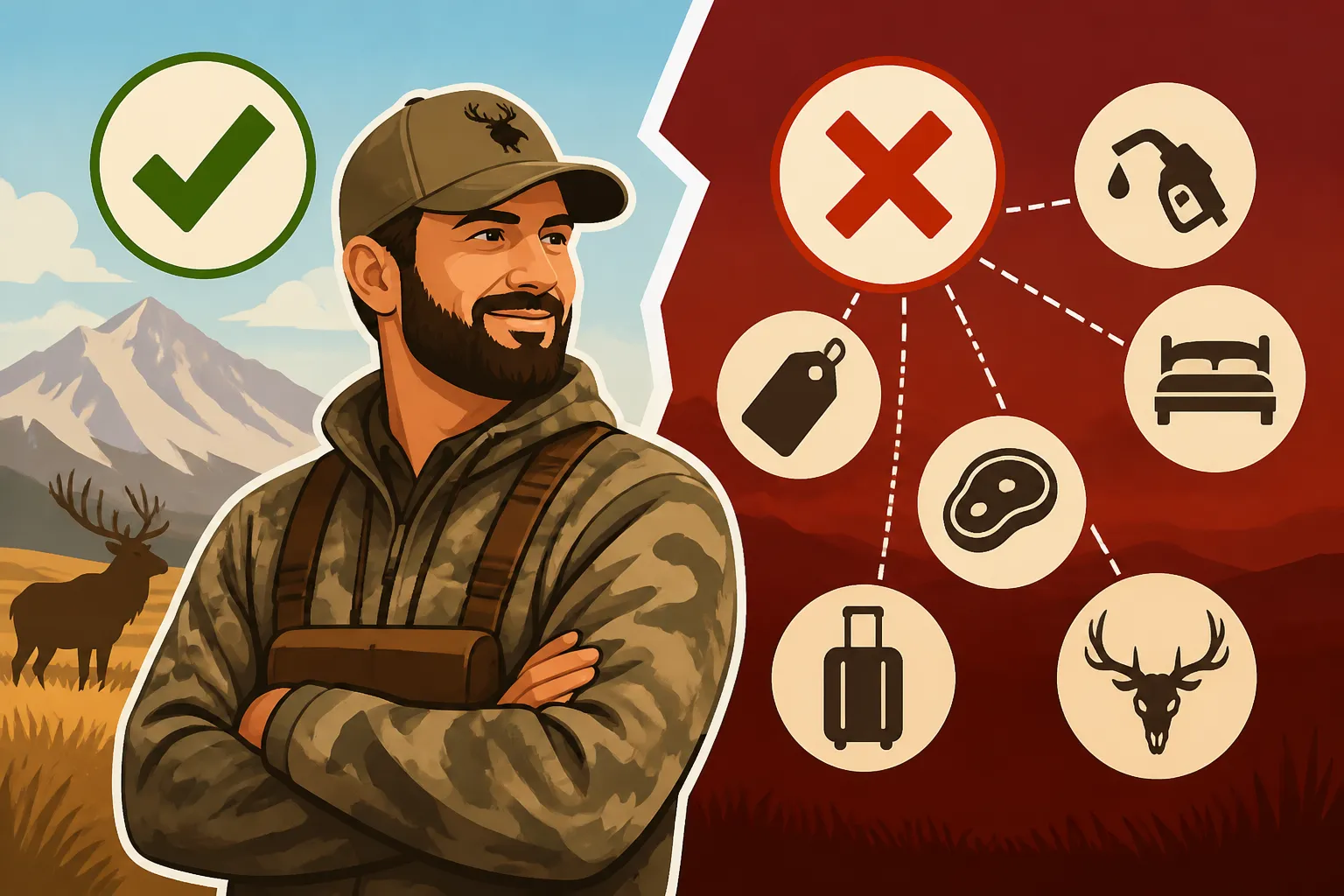
Once you understand that "all-inclusive" has a specific, limited meaning in the outfitting world, you can start to budget more realistically. These are some of the most frequently excluded costs you’ll encounter when booking a Wyoming hunt, and it’s critical to plan for them.
Licenses, Tags, and Application Fees
This is almost universally the first and largest exclusion. Your hunting license and any species-specific tags are separate purchases you make directly from the state of Wyoming, not through the outfitter. The outfitter cannot buy these for you. These costs can be substantial, especially for nonresidents. For instance, Wyoming Nonresident Tags Run $326 to $1,965, depending on the species and type of license. You also need to factor in application fees, which are typically non-refundable, even if you don't draw a tag.
It's crucial to understand the draw process and deadlines well in advance. Many hunters book an outfitter before they even know if they've drawn a tag. It's a leap of faith, but often necessary for popular hunts with limited availability. Always clarify the outfitter's refund or rollover policy if you fail to draw the necessary tag. Platforms like BookYourHunt and GoHunt often provide resources and statistics to help you navigate the draw odds, but the actual purchase of the licenses is entirely your responsibility. Don't forget the required Conservation Stamp either; it's a small but mandatory additional cost for nearly all hunters.
Gratuities for Guides and Camp Staff
While not explicitly stated on an invoice, tipping is a deeply ingrained part of the hunting outfitter industry, much like in hospitality. Your guides, camp cooks, and wranglers work incredibly hard to ensure your success and comfort, often starting before dawn and finishing long after sunset. Expecting top-notch service without planning for a gratuity can lead to awkward situations. A good rule of thumb is to budget 15-20% of your total hunt cost for gratuities, to be distributed among the staff based on service. If you're wondering How Much to Tip a Hunting Guide, consider their effort, knowledge, and how well they enhanced your experience.
This isn't a "hidden" cost in the sense that outfitters are trying to trick you; it's an industry standard that's often just assumed. However, for a first-time guided hunter or someone unfamiliar with the culture, it can be a significant oversight. A well-earned tip is a direct way to show appreciation for their dedication and hard work in often challenging conditions. If you receive exceptional service, don't be shy about showing your gratitude.
Travel Expenses to and From the Hunting Area
Unless explicitly stated, your outfitter’s price almost never includes your travel to their designated meeting point or hunting lodge. This means you're responsible for your flights, rental car, fuel, and any pre- or post-hunt lodging required before or after the hunt dates themselves. For example, if your hunt starts on a Monday morning in a remote area, you’ll likely need to fly in on Saturday or Sunday, rent a vehicle, and stay in a hotel near the departure point.
Consider the logistics: flying into a major hub like Denver or Salt Lake City, then driving several hours to a smaller Wyoming town where your outfitter is based. These travel days can add up, both in terms of cost and time. Factor in parking fees at airports, potential extra baggage fees for oversized gear, and the cost of meals while traveling. Sometimes, an outfitter might offer airport pick-up for an additional fee, but this is rarely included in the base price and should always be clarified upfront.
Meat Processing, Taxidermy, and Shipping
Successfully harvesting an animal is the goal, but what happens after the shot? The outfitter will typically field-dress your animal and pack it out of the field. However, once back at camp or the trailhead, the responsibility for further processing often shifts to you. This includes professional butchering, caping for taxidermy, freezing, and shipping. These are all significant costs that can easily run into hundreds or even thousands of dollars, depending on the size of the animal and your desired taxidermy work. Understanding Meat Processing and Shipping Costs After a Hunt is paramount for post-hunt budgeting.
Most outfitters have arrangements with local butchers and taxidermists, and they can help you transport your animal to these facilities. However, the bills from these vendors will be sent directly to you. Shipping meat back home, especially across state lines, requires specialized coolers and overnight delivery, which can be expensive. Similarly, shipping a full shoulder mount or antlers can also incur substantial freight charges. Get estimates for these services before your hunt, so you're not surprised after a successful harvest.
Gear, Personal Equipment, and Hunting Clothing
Your outfitter provides the hunt, but you provide yourself and your personal gear. This means everything from your rifle or bow, ammunition, optics, specialized hunting boots, layered clothing system, and personal hygiene items. While an outfitter might provide a general The Gear List Your Outfitter Will Send, they aren't going to supply these items, nor are their prices built to cover the expense of quality hunting equipment.
If you're heading on a high-country elk hunt, for example, you'll need reliable optics like binoculars and a spotting scope, a durable backpack, a sleeping bag rated for cold temperatures (if camping), and appropriate waterproof, breathable clothing for various weather conditions. These items represent a significant upfront investment for any serious hunter, and they are never included in the outfitter's fee. Even smaller items like headlamps, knives, game bags, and personal snacks are your responsibility. Don't skimp on quality here; reliable gear can make or break your hunt, especially when you've already invested heavily in a guided experience.
Pre-hunt Scouting and Preparation
While an outfitter dedicates significant time to scouting their units before and during the season, any personal pre-hunt scouting trips you decide to undertake are entirely your expense. Some hunters, particularly those coming from out of state, enjoy visiting their hunt area months in advance to familiarize themselves with the terrain, locate water sources, and identify potential bedding and feeding areas. This adds a layer of confidence and readiness for the actual hunt.
These trips would involve all the typical travel expenses: fuel, lodging, food, and potentially additional licenses or permits if you plan on fishing or shed hunting. While not strictly necessary for a guided hunt (that's what you're paying the guide for!), it's an option many hunters consider. It’s also wise to consider the cost of physical conditioning. Preparing for altitude on a Wyoming hunt or ensuring you have the Physical Conditioning for a Mountain Hunt might involve gym memberships, specific training programs, or even a trip to a higher elevation area before your hunt to acclimate. These are all personal investments that contribute to your success but are never covered by an outfitter.
Planning for the Unexpected: Hidden Costs and Contingencies
Even beyond the common exclusions, there are other potential costs and situations that can arise. Being prepared for these "what ifs" can save you a lot of headache and financial strain.
Unexpected Weather or Extended Stays
Wyoming weather can be notoriously unpredictable. A sudden blizzard can delay travel, a warm spell can change animal patterns, or extreme conditions might even force an early departure from camp. While your outfitter will do their best to adapt, you might find yourself needing an extra night in a hotel or having to rebook flights, all at your own expense. It’s a good idea to build a small buffer into your budget for such contingencies, just in case.
Sometimes, a hunt might run longer than expected (within legal limits) if you're close to success but just need that one extra day. While outfitters generally stick to their contracted dates, if you’re given the option to extend for an additional fee, it's something to consider if it aligns with your travel flexibility and budget. Always have a contingency fund for unforeseen circumstances; a few hundred dollars set aside for emergencies can make a world of difference.
Trophy Fees and Conservation Donations
While less common with standard big game hunts in Wyoming like elk or deer, some outfitters, particularly those managing private ranches or offering specialized hunts, might have "trophy fees" based on the size or score of the animal you harvest. This means if you shoot a particularly large bull elk, there might be an additional fee on top of your base hunt price. Always clarify this before you book.
Additionally, many hunters feel compelled to make donations to conservation organizations that work to preserve wildlife and habitat in Wyoming. These are entirely voluntary but are a meaningful way to give back to the resource you enjoy. While not a direct cost of the hunt, it's something that often comes up in conversations with guides or other hunters, and you might find yourself wanting to contribute. This is especially true for those pursuing once-in-a-lifetime tags like bighorn sheep or moose.
| Category | Typically Included | Almost Never Included |
|---|---|---|
| On-Hunt Services | Guide services, field transportation (horses/truck) | Hunting licenses, tags, application fees |
| Accommodation/Food | Camp lodging (tents/cabins), meals during hunt | Pre/post-hunt lodging, special dietary requests (extra) |
| Logistics | Field dressing, packing game to trailhead | Meat processing, taxidermy, shipping game/trophies |
| Personal Items | None | Personal gear, clothing, rifle/bow, ammo, optics |
| Gratuities | None | Tips for guides, cooks, wranglers |
| Travel | None | Flights, rental car, fuel to/from outfitter, travel meals |
| Miscellaneous | None | Conservation stamps, emergency travel costs, trophy fees |
Before You Sign: Asking the Right Questions
The best way to avoid disappointment and financial surprises is to be proactive and ask every question you can think of before sending any deposit. A reputable outfitter will appreciate your thoroughness and be transparent about their pricing structure. When vetting a potential outfitter, asking detailed questions is part of the process of Vetting a Wyoming Outfitter Before You Send a Deposit.
What Exactly is Included in the Advertised Price?
Get a detailed breakdown, in writing, of everything your hunt price covers. Don't assume anything. If lodging is included, ask about the specifics: is it a tent camp, a cabin, or a lodge? What kind of meals are provided? Are drinks included? Is there generator power for charging electronics? What is the guide-to-hunter ratio? These details can significantly impact your experience and satisfaction.
This is also where you should clarify the duration of the hunt itself. Is it five full hunting days plus two travel days, or seven consecutive days where the first and last are travel days? These nuances can change your perception of value. Also, confirm whether the outfitter provides any basic gear like camp chairs, sleeping pads, or even water bottles. While unlikely, it never hurts to ask, especially for more remote drop camps.
What are the Mandatory or Expected Additional Costs?
Specifically ask for a list of all expected additional costs. This includes licenses, fees, taxes, and any services the outfitter commonly arranges for clients but doesn't include in the base price, like shuttle services from the nearest airport or town. This is your chance to explicitly ask Are Licenses Included in Outfitter Prices? and get a firm "no," or to ask about common gratuity ranges.
Beyond mandatory costs, inquire about "expected" costs such as processing and taxidermy. While optional, these are highly likely expenses if you're successful. A good outfitter will provide a realistic estimate for these, or at least point you to local vendors and their current pricing structures. Knowing these figures upfront will allow you to plan your budget much more effectively and avoid post-hunt financial scrambling.
What is Your Policy on Unsuccessful Hunts or Cancellations?
No one wants to think about an unsuccessful hunt, but it happens. What is the outfitter's policy if you don't tag an animal? Do they offer a discount on a future hunt, or is the fee entirely non-refundable? Understanding their stance here is important for managing expectations. Also, life happens. Inquire about their Reading the Cancellation and Refund Terms carefully, especially regarding deposits. What happens if you have to cancel? What if they have to cancel due to unforeseen circumstances like severe weather or illness?
Many outfitters require a significant deposit, often non-refundable. Some might allow you to roll over your deposit to a future year if you give sufficient notice or if you fail to draw a tag. Always get these terms in writing. This is particularly important when considering that many hunts are booked well in advance. For prime dates, some hunters will How Far Ahead to Book a Wyoming Hunt a year or even two years out, making cancellation policies even more critical.
What Emergency Provisions Do You Have?
While not a direct cost, understanding an outfitter's emergency protocols is part of being prepared. Inquire about their first aid capabilities, communication methods in remote areas (e.g., satellite phones or inReach devices), and their plan for medical emergencies or evacuations. This is especially vital for hunts in rugged or wilderness terrain, where access to immediate medical care might be hours away. Your safety is paramount, and a professional outfitter will have clear, well-rehearsed procedures in place for such situations.
Beyond medical emergencies, ask about what happens if gear breaks or gets lost, or if weather forces an unexpected change in plans. While you're responsible for your own gear, a good outfitter might have some spare equipment or be able to assist in retrieving or repairing items. Knowing these details upfront provides peace of mind and demonstrates the outfitter's level of professionalism and client care.
Disclaimer
This article is for general informational purposes only and does not constitute professional advice. Laws, prices and regulations vary by location and change over time. Consult a qualified professional for guidance on your specific situation.