Meat Processing and Shipping Costs After a Hunt
You've just wrapped up an incredible hunting adventure in Wyoming, perhaps after chasing a majestic bull elk across the mountains or stalking a wary mule deer buck through the sagebrush. That feeling of accomplishment is second to none! But then, the reality hits: what do you do with all that hard-earned meat? The logistics of getting your game processed and safely transported back home can feel overwhelming, especially for non-resident hunters. This guide is here to walk you through the often-underestimated costs and practicalities of meat processing and shipping after a successful hunt, so you're not left scratching your head (or your wallet) when the time comes.
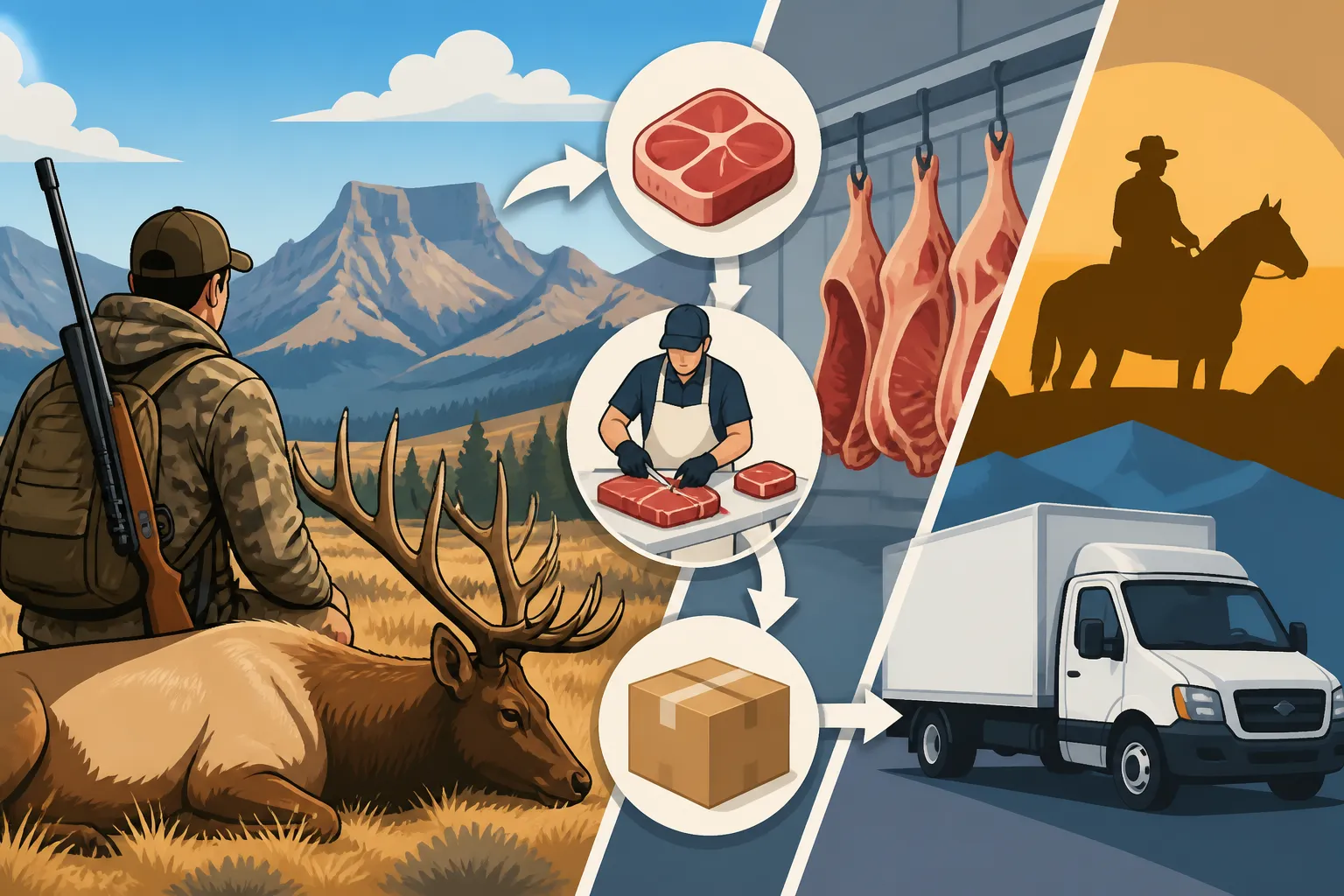
The Initial Processing: Field to Freezer
The journey of your wild game from the moment it hits the ground to your freezer is critical. How you handle it in the first few hours can make all the difference in the quality of the meat you eventually take home. This isn't just about adhering to game laws; it's about honoring the animal and ensuring you get the best possible table fare.
Field Dressing and Quartering: Your First Line of Defense
Immediately after a successful harvest, especially on larger game like elk or moose, rapid field dressing is your absolute priority. Removing the entrails quickly allows the animal's body to begin cooling down, which is crucial in preventing bacterial growth and ensuring meat quality. Warm temperatures are the enemy of freshly harvested game, and Wyoming's varied climate means you could be dealing with anything from crisp autumn mornings to surprisingly hot late-season days. Neglecting this step, even for a short time, can lead to spoiled meat, and no hunter wants that.
After field dressing, the next critical step for many, particularly those hunting far from a road or in rough terrain, is quartering the animal. This involves breaking down the carcass into manageable sections, making it easier to pack out to your vehicle or an awaiting horse. For an elk, this usually means separating the two front shoulders, two hind quarters, and the backstraps and tenderloins. Removing the hide at this stage, or at least exposing the meat to the air, further aids in cooling. This is also the time to decide if you're saving the head and hide for taxidermy. If so, taking careful cuts around the neck and shoulders for a cape is essential. You’ll want to be familiar with proper caping techniques to ensure your taxidermist has enough material to work with.
Basic tools for field processing include a sharp knife, a game bag (or several, for larger animals), and perhaps a small saw or bone-cutting tool. Game bags are incredibly important for protecting the meat from dirt, flies, and other contaminants while allowing air circulation for cooling. Don't skimp on these; investing in good quality, breathable game bags is a small price to pay to protect weeks, months, or even years of planning and effort.
Professional Butcher Services in Wyoming
Once you've got your game out of the field, the next big decision is often whether to process it yourself or take it to a professional butcher. For many, especially non-residents or those who've harvested a large animal like an elk, a professional processor is an absolute godsend. They have the facilities, the temperature-controlled environment, and the expertise to handle large volumes of meat efficiently and safely. Imagine trying to break down a 600-pound elk in your garage compared to a butcher shop with hoists and industrial saws – it's a no-brainer for many.
Wyoming boasts a number of reputable game processors, especially in towns near popular hunting units. These shops offer a range of services designed to get your meat ready for the freezer and beyond. Standard services typically include cutting your meat into steaks, roasts, and stew meat, grinding trim into hamburger, and then vacuum sealing or wrapping it in heavy-duty freezer paper. Many also offer specialty products like jerky, various types of sausages (breakfast, Italian, bratwurst), and even summer sausage. These added services are fantastic for diversifying your wild game menu but do come with additional costs.
Processors usually charge based on the hanging weight of the animal, or sometimes a flat fee per animal type, plus extra for specialty items. The cost can vary significantly depending on the animal's size and the specific cuts and products you request. It's not uncommon for a large elk to incur a processing bill that amounts to a good chunk of change, especially if you opt for a lot of custom sausage or jerky. Always call ahead, ideally well before your hunt, to get an idea of their pricing structure and services.
This advance planning is crucial, particularly during the peak hunting seasons in Wyoming. Processors get slammed with game, and if you don't have a spot reserved or at least know their operating hours and intake procedures, you could be left with a fresh carcass and no immediate solution. Some might offer cold storage for a daily fee if you can't pick up your meat right away, which is another cost to factor in. Having a list of a few options in your hunt area, or even along your route home, can save a lot of stress. Knowing which Wyoming Elk Season Dates Are Set Hunt Area by Hunt Area will help you anticipate peak times for processors.
Preparing Meat for Transport
Once your meat is processed, getting it ready for its journey home is the next hurdle. Whether you're driving across state lines or flying across the country, proper preparation is paramount to prevent spoilage and ensure your hard-won meat arrives in pristine condition.
Cooling and Freezing Requirements
The golden rule for transporting game meat over any distance is that it must be kept cold, and ideally, frozen solid. Even a slight thaw can compromise quality and safety. For short drives home, especially in cooler weather, keeping the meat packed tightly in good quality coolers with plenty of ice might suffice. However, for longer journeys, or if you're delayed, ice can melt, and temperatures can rise.
This is where hard freezing comes in. Most professional processors will freeze your meat solid before you pick it up. If you're doing your own processing, you'll want ample freezer space to get all your packages thoroughly frozen – not just cold, but rock solid. This can take several days for large quantities of meat, so plan accordingly. The colder the meat is when it starts its journey, the longer it will remain frozen.
To maintain that critical temperature during transport, you'll be relying on a combination of good insulation and super-cold agents. High-quality coolers are a must. Think rotomolded coolers designed for extended ice retention. Dry ice is often the champion for long-distance transport. It sublimates (turns directly from solid to gas) at an extremely low temperature, providing intense cold without creating liquid water. However, it requires careful handling due to its extreme cold and the carbon dioxide gas it releases. Gel packs can also be useful, especially for smaller quantities or to supplement dry ice, as they stay frozen longer than regular ice and don't make a mess. For practical advice on packing, consider checking Field Dressing and Carcass Transport Rules Explained.
Packaging for Shipping or Driving Home
Beyond just keeping it cold, how your meat is packaged plays a huge role in its longevity and integrity. Most processors vacuum seal individual cuts, which is fantastic for preventing freezer burn and extending shelf life. Vacuum-sealed packages are also compact and less prone to leakage or damage. If you're processing your own meat, investing in a good vacuum sealer is highly recommended.
For an extra layer of protection, especially if you're not vacuum sealing, wrapping meat tightly in heavy-duty freezer paper (the waxed kind, not just butcher paper) can help. This provides a barrier against air and moisture. Once individual cuts are sealed or wrapped, they'll typically be packed into sturdy cardboard boxes. For air travel, these boxes often need to meet specific airline requirements – usually, they must be new, unwaxed cardboard boxes. Some hunters also use reusable insulated shipping containers, but these add to the weight and initial cost.
When packing your boxes or coolers, pack them as tightly as possible, filling any voids with crumpled newspaper or more insulation. Less air space means less temperature fluctuation. If you're flying, be acutely aware of weight limits. Airlines are strict, and overweight baggage fees can quickly add up, turning your economical meat transport plan into a significant expense. Most standard checked bags have a weight limit, often around 50 pounds, so you might need multiple boxes or coolers for a large animal. This is where researching Meat Salvage Requirements for Big Game becomes important if you have too much meat to handle.
Shipping Your Wild Game Home
For many non-resident hunters, driving home isn't a practical option. Shipping your wild game becomes the go-to, but it requires careful planning and an understanding of the available methods and their associated costs and complexities.
Ground Shipping vs. Air Cargo
You generally have two main avenues for shipping: ground services (like FedEx or UPS) or air cargo. Each has its pros and cons, which usually boil down to speed, cost, and specific requirements.
Ground shipping is typically less expensive and might be suitable if you live within a day or two's drive from Wyoming. The downside is the transit time. Even with meat frozen solid and packed with dry ice, extending travel time increases the risk of thawing. You need to coordinate carefully with the shipping company and ensure they have perishable goods handling capabilities. Shipping during cooler months generally offers a better chance of success. The costs for ground shipping are usually based on weight, dimensions, and distance, with added fees for perishable goods or dry ice handling. You'll want to check with the specific carrier for their current regulations and pricing, as these can change.
Air cargo, while often more expensive, offers significantly faster transit times, usually getting your meat home within 24-48 hours. This speed is crucial for minimizing the risk of spoilage. However, air cargo can be more complex. You'll often need to drop off and pick up at the airport's cargo facility, which might be separate from the passenger terminal. Airlines have strict requirements for shipping perishable items: meat must be frozen solid, packed in specific types of containers (often new, unwaxed cardboard), and clearly labeled. Dry ice is usually permitted, but there are limits on the amount you can use due to its gaseous expansion in unpressurized cargo holds. The cost for air cargo is usually higher than ground shipping and is heavily influenced by weight and the urgency of delivery. When you're planning your hunt, especially if you're using a resource like BookYourHunt or GoHunt to find outfitters, ask them about local air cargo options.
Using Specialized Shipping Services
Beyond general carriers, there are companies that specialize specifically in shipping wild game or perishable goods. These services often have dedicated freezer facilities, expert packaging, and established logistics for handling frozen products. They understand the nuances of dry ice, insulation, and expedited shipping. While these services might seem like a premium, their expertise can be invaluable, especially for valuable trophy meat or large quantities, offering peace of mind that your meat will arrive safely and still frozen.
These specialized services might offer door-to-door delivery, which can be a huge convenience, saving you trips to the airport or shipping depot. They know the regulations and best practices for various carriers and can often navigate the complexities more smoothly than an individual shipper. For a significant investment like a Wyoming elk hunt, knowing your meat is in capable hands can be worth the extra cost. Many outfitters have established relationships with such services or can provide direct recommendations. When you're researching outfitters on platforms like GoHunt, it's a good question to ask them during your vetting process: "What are your recommended meat processing and shipping options?"
Alternative Transport Options
While shipping is a common choice, it's not the only way to get your game meat home. Depending on your location and resources, other methods might be more practical or cost-effective.
Driving Your Meat Home
If you've driven to Wyoming for your hunt and your home isn't too many days away, bringing your meat back in your vehicle can be a viable option. The key, however, is having a robust cooling setup. Simply throwing bags of ice into a cooler might work for an overnight trip, but for multi-day drives across potentially warm states, it's insufficient.
You'll need high-quality, large-capacity coolers that can hold substantial amounts of dry ice or frozen gel packs. Dry ice is typically the preferred choice for long drives as it keeps things colder for longer and doesn't create messy meltwater. Plan your route to include stops where you can replenish your dry ice supply, as it sublimates over time. Many larger grocery stores or welding supply shops in towns along major interstates sell dry ice. Ensure your vehicle has adequate ventilation when using dry ice, as the carbon dioxide it releases can be dangerous in an enclosed space. Some hunters even invest in a small portable freezer that runs off a vehicle's 12V system for ultimate peace of mind.
Before you hit the road, ensure all your meat is frozen solid and packed tightly in your coolers. Any air space allows for faster thawing. Covering your coolers with blankets or sleeping bags can also add an extra layer of insulation. Driving your meat home gives you direct control over its journey, but it demands vigilance and proper preparation to ensure food safety. It's a great option if you're on a budget and have a reliable setup.
Renting a Reefer Trailer or Utilizing Outfitter Services
For larger hunting parties or if you've had a particularly successful season and harvested multiple animals, renting a small refrigerated (reefer) trailer might be a practical, albeit less common, solution. This completely eliminates the worry of thawing meat during a long drive. These trailers maintain a consistent, freezing temperature, giving you the flexibility of travel without constant dry ice replenishment. While the rental cost might be substantial for a single hunter, it could be a cost-effective option for a group sharing expenses, or if you're already transporting a significant amount of gear.
More commonly, if you're hunting with an outfitter, they often have established systems for handling game meat. Many outfitters have their own walk-in freezers or arrangements with local processors who can deep freeze your meat. Some may even offer transport services to a central shipping hub or facilitate the pickup by a specialized game shipper. This is particularly true for outfitters who cater to non-resident clients regularly. For example, some outfitters found on platforms like BookYourHunt might highlight these logistics services as part of their package.
Leveraging your outfitter's experience and resources can save you a tremendous amount of hassle. They often know the best local processors, the most reliable shipping methods, and how to navigate the logistical challenges of getting large game animals from the field to your home freezer. Always discuss meat handling and transport options with your outfitter well in advance of your hunt so you know what to expect and can budget accordingly. They might even coordinate with other clients to fill a larger shipment, potentially reducing per-person costs. This is one of those crucial details to iron out before you head out into Wyoming's National Forests: Bridger-Teton, Shoshone, Bighorn, Medicine Bow.
Understanding Hidden Costs and Planning Ahead
It's easy to focus on the big ticket items like license fees and travel, but the costs associated with processing and shipping meat can add up quickly and catch unsuspecting hunters off guard. Thinking through these "hidden" expenses is essential for a realistic hunt budget.
Unexpected Fees to Anticipate
Even with the best planning, a few costs can sneak up on you:
- Overweight Baggage Charges: If you're flying with your meat as checked baggage, exceeding the airline's weight limit per box or cooler can result in hefty fees. These charges can be surprisingly expensive per pound and can quickly negate any perceived savings of "carrying it on."
- Dry Ice Costs: While not astronomical, dry ice isn't free. If you need multiple blocks or replenishments for a long journey, these costs accumulate. Factor in not just the price of the dry ice itself, but also any special packaging or handling fees some retailers might charge.
- Processor Storage Fees: If a local processor freezes your meat but you can't pick it up immediately, they might charge a daily or weekly storage fee. This can happen if your hunt ends before your flight, or if you need extra time to arrange shipping. Always clarify their policy on this upfront.
- Special Handling Fees by Carriers: Shipping companies, whether ground or air cargo, may impose additional charges for perishable goods, dry ice, or specific types of containers. These aren't always explicitly advertised in general shipping rates, so direct inquiry is necessary.
- Taxidermy Shipping: If you're saving a hide or skull for taxidermy, remember that these items also need to be properly cared for and shipped, often separately from your meat. This involves salting, freezing, and specialized shipping, which carries its own set of costs.
Budgeting for Processing and Shipping
To avoid any post-hunt financial surprises, it's absolutely crucial to factor meat processing and shipping costs into your overall hunt budget from the very beginning. Many hunters focus solely on licenses, travel, and gear, forgetting this significant line item. A successful hunt should be a joyous occasion, not a financial headache.
Think of it this way: what's the potential maximum cost if you harvest a large animal and opt for full processing (steaks, roasts, grind, sausage, jerky) and then air cargo shipping across the country? Get estimates from a few Wyoming processors and shipping companies before you even leave home. This will give you a realistic high-end figure. What Outfitter Prices Leave Out is a great reminder that these logistical costs are almost never included in your outfitter's fees.
Consider creating a contingency fund specifically for these unexpected expenses. Having an extra few hundred dollars set aside can make all the difference in a pinch. If you're hunting with partners, discuss how these costs will be split. Will you divide processor fees based on hanging weight or per animal? Who is responsible for shipping costs? Ironing out these details beforehand prevents awkward conversations and ensures a smooth end to your hunt. Platforms like GoHunt and BookYourHunt provide a wealth of information about various outfitters, and it's always a good idea to bring these questions up directly with potential guides.
Knowing these costs upfront allows you to make informed decisions. Maybe you decide to only get basic cuts and grind from the processor and forgo the specialty sausages to save on costs. Perhaps you opt for driving your meat home instead of flying, accepting the longer travel time. The point is, having the information empowers you to choose the best option for your budget and circumstances.
Comparative Overview of Meat Transport Methods
To help visualize the trade-offs, here’s a quick comparison of the common methods for getting your game meat home.
| Method | Pros | Cons | Estimated Cost Shape | Logistics Complexity | Risk of Spoilage |
|---|---|---|---|---|---|
| Driving Home | Direct control, often lowest direct cost | Requires significant cooler/freezer setup, long drives, dry ice replenishment. | Low to Moderate (coolers, dry ice, fuel) | Moderate | Moderate (if not well-managed) |
| Ground Shipping | Less expensive than air, door-to-door option | Longer transit times, higher risk of thawing, fewer specialized carriers. | Moderate (perishable fees, weight, distance) | Moderate | Moderate to High |
| Air Cargo | Fastest transit, minimizes spoilage risk | More expensive, airport drop-off/pickup, strict airline rules. | High (weight, urgency, special handling) | High | Low |
| Specialized Shipper | Expert handling, door-to-door, peace of mind | Highest cost, may not be available everywhere. | Very High (premium service, insurance) | Low (they handle it) | Very Low |
| Outfitter Assistance | Convenience, established system, local knowledge | Dependent on outfitter's offerings, may add to outfitter cost. | Varies (sometimes included, sometimes extra fee) | Low (outfitter handles) | Low |
This table should give you a starting point for assessing which method best suits your hunt, your budget, and your post-hunt travel plans. Always confirm specific details directly with processors, airlines, and shipping companies, as policies and prices can vary.
Disclaimer
This article is for general informational purposes only and does not constitute professional advice. Laws, prices and regulations vary by location and change over time. Consult a qualified professional for guidance on your specific situation.