Wyoming Hunt Areas That Limit Your Weapon Choice
It's incredibly frustrating, isn't it? You spend hours pouring over maps, dreaming of your next Wyoming adventure, only to discover that the perfect hunt area you've picked has a bewildering set of weapon restrictions. It can feel like you need a law degree just to figure out what gear you can even carry. This comprehensive guide is here to cut through that confusion, helping you understand which Wyoming hunt areas have specific weapon limitations and how to prepare for them so you can hunt confidently and legally.
Understanding Wyoming's General Weapon Regulations
Before we dive into the specific areas that might limit your choices, it’s crucial to have a solid grasp of what weapons are generally considered legal for big game hunting across Wyoming. These are the baseline rules, and any restrictions in specific hunt areas will typically build upon or diverge from these standards. Knowing them inside and out will save you a lot of headaches down the line.
Standard Legal Firearms for Big Game
When it comes to firearms, Wyoming has pretty clear guidelines for what you can and cannot use for big game. Generally, centerfire rifles are the go-to, and most popular hunting calibers fit the bill. We're talking about anything that delivers sufficient energy and has a bullet diameter that meets the state's minimum requirements. You won't find yourself in trouble with a .270, .30-06, or a .300 Win Mag, for example. The key is ensuring your chosen firearm is designed for big game and has enough punch to ethically harvest an animal. However, there are nuances; you can't just grab any rifle. For instance, the state specifies what Wyoming Counts as a Legal Firearm for Big Game, often requiring a minimum caliber and case length to ensure humane kills. Small rimfire cartridges, like the ubiquitous .22LR, are strictly off-limits for big game due to their insufficient power. This also extends to certain shotguns, which, while legal for some game birds, have specific restrictions for big game, often requiring slugs and having limitations on their use.
Archery and Crossbow Basics
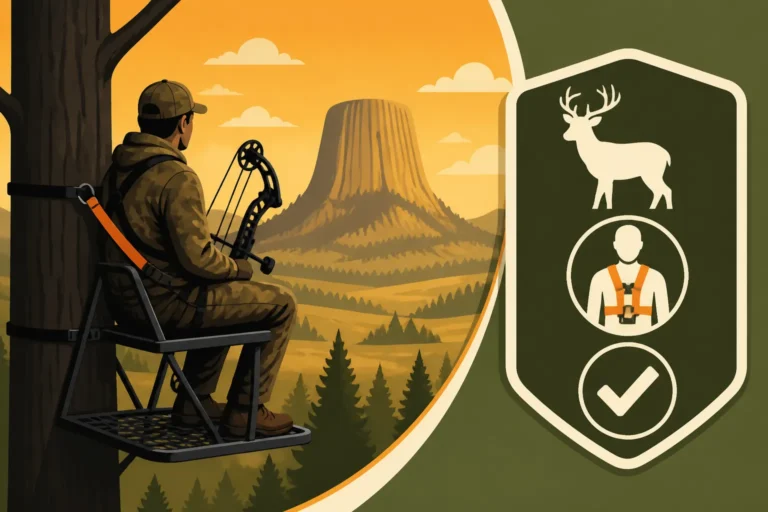
For those who prefer the quiet challenge of archery, Wyoming welcomes you, but with distinct parameters. When bowhunting, whether with a compound, recurve, or longbow, there are minimum draw weight requirements to ensure ethical performance. For deer, antelope, and sheep, you'll need a bow that pulls at least 40 pounds, but if you're chasing elk or moose, that minimum jumps to 50 pounds. This is outlined clearly in regulations such as Wyoming Sets Bow Draw Weight at 40 Pounds, 50 for Elk. Furthermore, broadheads are subject to strict rules, requiring a minimum cutting diameter or specific blade configuration to ensure quick, humane harvesting. Expandable broadheads are generally permitted, provided they meet the minimum cutting width once deployed. Crossbows, while sometimes viewed differently, are legal in Wyoming for all big game during the regular archery season, but they too come with their own set of rules, including a minimum peak draw weight of 90 pounds and a bolt length of at least 16 inches, as detailed in Crossbow Hunting in Wyoming: 90 Pounds and a 16-Inch Bolt. These rules are in place to uphold the integrity and effectiveness of archery hunting methods.
Muzzleloader Specifics
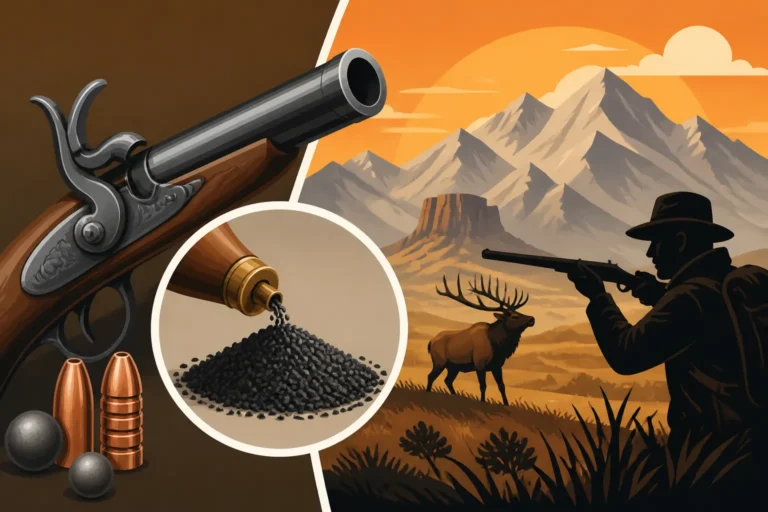
Muzzleloaders offer a unique, traditional hunting experience, but they operate under a separate set of rules from modern firearms and archery equipment. In Wyoming, if you plan to hunt big game with a muzzleloader, it must be at least .40 caliber. Moreover, it needs to be loaded with a minimum of 50 grains of black powder or an equivalent volume of a black powder substitute. This specific requirement ensures adequate power for big game animals. It's a key detail, because using insufficient powder or a smaller caliber could lead to an unethical shot, and it's certainly not legal. You can find these specifics laid out in detail when looking into Why Wyoming Muzzleloaders Need .40 Caliber and 50 Grains. Another critical point for muzzleloaders in Wyoming is that they must be loaded from the muzzle, and, generally, scopes are permitted during the muzzleloader season. However, there are often restrictions against electronic ignition or those that use self-contained cartridge ammunition, ensuring that the spirit of traditional muzzleloading is maintained. Always double-check the current year's regulations, as these can sometimes see minor adjustments.
Designated Archery-Only Hunt Areas
One of the most significant ways Wyoming limits weapon choice is through its designated archery-only hunt areas. These units are established with a very specific purpose: to provide a unique, challenging experience for bowhunters and to manage game populations with a different harvest pressure. If you're planning an archery hunt, understanding these areas is paramount.
Identifying Archery-Only Units
Wyoming doesn't just randomly apply "archery-only" rules. These units are typically defined by specific boundaries within larger hunt areas. You'll find them clearly marked in the annual hunting regulations booklet provided by the Wyoming Game and Fish Department (WGFD). For instance, an elk hunt area might be "Area 1" for rifle hunting, but then within "Area 1" there might be a subsection designated as "Area 1 Archery Only," often with distinct season dates. This is particularly common around population centers or areas where managers want to extend hunting opportunity while mitigating conflicts with rifle hunters or minimizing disturbance during sensitive periods. When you're Scouting a Wyoming Unit From Your Kitchen Table, make sure you're cross-referencing maps with the written regulations to identify these specific boundaries, as they can sometimes follow natural features or property lines that aren't immediately obvious on a basic map. Platforms like GoHunt are incredibly useful for visualizing these boundaries and layering them over topography and land ownership.
Why These Restrictions Exist
The reasons behind establishing archery-only areas are multifaceted. Primarily, they're designed to provide a high-quality, primitive weapons hunting experience. Bowhunting inherently requires closer range and a different skill set, offering a more intimate interaction with the wildlife. By segregating these areas, WGFD can create a dedicated space for this style of hunting, reducing potential crowding or conflicts that might arise from mixing archery and rifle hunters. It's also a tool for wildlife management. Archery seasons often precede the general rifle seasons, allowing for a certain level of harvest pressure before the main rifle season begins. This can help distribute harvest pressure over a longer period and potentially allow for older, more mature animals to be targeted in a less disruptive manner than during the louder rifle season. Additionally, in areas close to human development or national parks, archery-only zones can sometimes serve as a buffer, offering hunting opportunities while minimizing the impact and noise associated with firearms. For example, some units bordering Yellowstone National Park might have specific archery-only regulations to manage elk populations without the public perception concerns tied to rifle hunting near park boundaries.
Planning Your Hunt in Archery-Only Territory
Hunting in an archery-only unit demands a distinct planning approach. First and foremost, verify your equipment is legal. As mentioned, minimum draw weights are non-negotiable. Beyond legality, you'll want to focus on honing your close-range shooting skills. Since you'll need to get within 60 yards, and often much closer, practicing from various positions, including kneeling, sitting, and from behind natural cover, is vital. You also need to understand that the behavior of animals in archery-only units can sometimes differ. While not always true, they might be slightly less wary of human presence before rifle season begins, offering a unique window of opportunity. This means focusing heavily on stealth, scent control, and reading animal behavior. Using platforms like GoHunt for advanced e-scouting can help you pinpoint bedding areas, water sources, and travel corridors, which become even more critical when you need to close the distance effectively. You'll also need to be acutely aware of Wyoming Elk Season Dates Are Set Hunt Area by Hunt Area, as archery seasons have very specific openings and closings, which can vary wildly even between adjacent units.
Special Firearm Restrictions in Specific Zones
Beyond the broad category of archery-only areas, Wyoming implements more granular firearm restrictions in certain zones. These are often driven by safety concerns, habitat specifics, or population management goals that require a more tailored approach than a blanket rifle season.
Shotgun-Only Areas and Their Purpose
While not as common for big game as in some eastern states, Wyoming does have specific areas where shotguns (loaded with slugs) might be the only legal firearm for deer or antelope. These zones are typically found in areas with dense human population, smaller private land parcels, or within the immediate vicinity of towns or agricultural operations where the longer range of a rifle bullet poses a significant safety risk. The idea is to reduce the effective range of a projectile, thereby minimizing the chance of stray bullets traveling miles beyond the intended target. Hunters in these areas must use solid slugs, as buckshot or birdshot is not legal for big game. While you might not encounter widespread shotgun-only big game units, it's a critical detail to check, especially if you're hunting near developed areas or looking at hunt areas that seem unusually small or fragmented on a map. Always read the individual hunt area regulations carefully to determine if this restriction applies.
Straight-Wall Cartridge Mandates
Another type of firearm restriction that's gaining traction, particularly in areas where rifle range is a concern but a traditional shotgun isn't the preferred alternative, is the straight-wall cartridge mandate. These regulations require hunters to use firearms chambered for cartridges that have a straight, rather than bottlenecked, casing. Examples include popular handgun cartridges adapted for rifles, like .45-70 Government, .44 Magnum, or .350 Legend. The physics behind this is that straight-wall cartridges typically produce lower velocities and less ballistic efficiency at long ranges compared to bottlenecked rifle cartridges. This means their effective range is inherently shorter, again mitigating safety risks in more populated or fragmented hunting landscapes. It's a compromise that offers rifle-like accuracy at moderate distances while reducing the "reach" of the bullet. If you see a hunt area with this restriction, it signals a specific concern about projectile travel and public safety. You'll need to ensure your chosen firearm and ammunition comply precisely with the specified calibers.
Other Localized Firearm Limitations
Wyoming Game and Fish can implement a variety of other localized firearm limitations depending on the specific needs of a hunt area. These might include restrictions on magazine capacity, though this is less common for big game hunting in Wyoming than in some other states. More often, you might encounter specific prohibitions on certain types of ammunition, like tracer rounds or armor-piercing bullets, which are universally illegal for hunting. Sometimes, restrictions can be seasonal or tied to specific types of tags; for instance, a cow elk tag in a particular area might have different weapon allowances than a bull elk tag in the same area. Furthermore, in areas adjacent to parks or wildlife refuges, specific buffer zones might have unique rules regarding weapon discharge or transport, even if the primary hunt area allows a broader range of firearms. Always check the section in the regulations that covers Wyoming General Licenses Against Limited Quota: Two Different Games or consult the specific hunt area details in the WGFD regulations to identify any of these less common but critical restrictions. Using tools like GoHunt can help highlight these exceptions on digital maps, making it easier to spot them during your research phase.
Navigating Weapon Choice in Wilderness Areas
Wyoming is home to vast, stunning wilderness areas, offering an unparalleled backcountry hunting experience. However, these pristine landscapes come with their own set of unique rules, especially concerning weapon choice and how you conduct your hunt. Understanding these regulations is crucial for a legal and respectful hunt.
Wilderness Regulations and Weapon Transport
Hunting in a designated wilderness area means adhering to strict regulations designed to preserve its primitive character. A key aspect of this is the prohibition of motorized and mechanized transport. This means no ATVs, dirt bikes, or even bicycles are allowed. You'll be on foot or horseback. This directly impacts how you transport your weapon. While firearms and bows are generally permitted in wilderness areas for hunting, you must pack them in and out by hand or on a pack animal. This necessitates thinking carefully about the weight and bulk of your chosen weapon system. A heavy rifle with a large scope might be manageable on a short day hunt from a trailhead, but for a multi-day backcountry excursion deep into the Bridger-Teton National Forest or the Shoshone National Forest, every ounce counts. Many hunters opt for lighter, more streamlined setups in these environments. It's also important to understand that while a weapon can be carried, certain actions, like target shooting or indiscriminate discharge, are often prohibited or severely restricted. The overarching goal is to minimize human impact and maintain the natural solitude of these wild places.
Guided vs. Unguided Weapon Rules
One of the most significant regulations for non-residents hunting big game in Wyoming's designated wilderness areas is the requirement to employ a licensed professional guide or be accompanied by a resident guide. This isn't specifically about what weapon you can carry, but who must be with you when you carry it in these specific zones. This rule applies to hunting species like elk, deer, moose, bighorn sheep, and mountain goat within the boundaries of wilderness areas, such as the famous Wind River Range. If you're a non-resident planning a do-it-yourself hunt in one of these breathtaking but regulated landscapes, you'll need to understand Wilderness Rules Every Wyoming Nonresident Should Know. The only exception is if a Wyoming resident who meets specific criteria (over 18, hunter education certified, and possessing a valid license for the species being hunted) acts as your guide and files the necessary affidavit with the WGFD. This resident guide cannot be paid for their services, making it a true act of friendship or familial support. This rule fundamentally changes the logistics and planning for non-resident hunters in wilderness, making weapon choice almost secondary to the guide requirement.
How to Research Specific Area Regulations
The complexity of weapon regulations in Wyoming means that meticulous research isn't just a good idea—it's absolutely essential. Guessing or relying on outdated information can quickly turn a dream hunt into a legal nightmare. Thankfully, there are excellent resources available to ensure you're always in compliance.
Utilizing the Wyoming Game and Fish Department Resources
Your absolute first stop for any and all hunting regulations in Wyoming should always be the Wyoming Game and Fish Department (WGFD). They publish comprehensive annual hunting regulations booklets, available online and in print, that detail every aspect of hunting in the state, including specific weapon restrictions by hunt area. These booklets are the official word, and they will clearly outline any archery-only areas, shotgun-only areas, or other localized firearm limitations. Pay close attention to the maps included, as they often delineate these special zones. Additionally, the WGFD website offers interactive maps and hunt planners that allow you to select specific hunt areas and instantly view their regulations, season dates, and any special provisions. Don't just skim the general rules; dive into the specific section for your chosen hunt area, especially if you're targeting areas known for varied terrain or proximity to population centers. They also update their website frequently with any in-season changes or emergency closures.
Leveraging Online Tools and Scouting Platforms
In today's digital age, a wealth of online tools and scouting platforms can significantly streamline your research process. Applications like GoHunt, onX Hunt, and BaseMap have become invaluable for hunters. These platforms offer detailed topographic maps, land ownership overlays (which are critical for identifying public vs. private land), and, crucially, often integrate hunt unit boundaries and special regulation overlays. For instance, GoHunt's Insider platform frequently provides summaries of draw odds and unit breakdowns, but it also allows you to visually see where an archery-only zone begins or where a shotgun-only restriction might apply. You can literally click on a hunt area on your computer or phone and pull up relevant regulations, often with links directly to the WGFD site for verification. This visual representation can be much easier to digest than sifting through pages of text in a PDF. These platforms also help immensely with E-Scouting a Unit Before the Season Opens, allowing you to identify potential access points, terrain features, and critical habitat within the context of weapon limitations.
The Importance of Cross-Referencing Information
While online tools are incredibly powerful, they should always be used in conjunction with official WGFD regulations. Think of platforms like GoHunt as excellent tools for initial research and visualization, but the WGFD regulations are the final authority. It’s imperative to cross-reference information from multiple sources. Maps, especially, should always be verified against the written legal descriptions in the WGFD regulations. Property lines, wilderness boundaries, and special hunt area delineations can sometimes be complex, and a small discrepancy on one map could lead to a big problem in the field. Double-checking ensures that you haven't misinterpreted a boundary or missed a recent regulation update. Furthermore, don't hesitate to call the WGFD office directly if you have any questions or uncertainties about a specific hunt area or weapon restriction. Their game wardens and biologists are there to help clarify any ambiguities and ensure hunters are compliant. It's much better to ask a question beforehand than to face a citation in the field.
| Weapon Type | General Legal Status (Big Game) | Common Restrictions/Considerations | Areas Where Restrictions May Apply |
|---|---|---|---|
| Centerfire Rifle | Legal | Minimum caliber (.22 centerfire, often .243 or larger preferred for larger game) and case length (minimum 2 inches) | Shotgun-only zones, straight-wall cartridge areas |
| Archery (Compound, Recurve, Longbow) | Legal | Minimum draw weight (40 lbs for deer/antelope/sheep, 50 lbs for elk/moose); broadhead cutting diameter/type | Archery-only units, wilderness areas (transport) |
| Crossbow | Legal | Minimum peak draw weight (90 lbs); minimum bolt length (16 inches) | Archery-only units, wilderness areas (transport) |
| Muzzleloader | Legal | Minimum .40 caliber; minimum 50 grains black powder (or equivalent); loaded from muzzle | Specific muzzleloader seasons, general hunt areas (less common for specific restrictions) |
| Shotgun (Slugs) | Legal (for big game) | Must use slugs (no buckshot); often restricted to specific hunt areas for safety reasons | Designated shotgun-only areas (often near populated zones) |
| Handgun | Legal | Minimum .40 caliber; minimum case length; minimum barrel length | Generally legal where rifles are, but less common; no specific handgun-only areas for big game |
Disclaimer
The information provided in this guide is for general informational purposes only and is based on typical Wyoming hunting regulations. Regulations can change annually or even in-season due to wildlife management needs or legislative action. It is the sole responsibility of every hunter to consult the most current and official Wyoming Game and Fish Department regulations prior to hunting. This guide does not constitute legal advice, and the author is not responsible for any actions taken based on this information. Always verify all regulations directly with the Wyoming Game and Fish Department.