Can a Mentor Take You Hunting Before You Certify?
The dream of heading out into Wyoming's vast, wild landscapes for the very first time, firearm or bow in hand, is a powerful one. But for many aspiring hunters, especially those new to the tradition or moving from out of state, the immediate hurdle is hunter education. It can feel like a bureaucratic maze, leaving you wondering if you can even step foot in the field under the watchful eye of an experienced friend or family member before you've officially completed the course and earned your certification. This guide is going to walk you through Wyoming's rules, clarifying exactly how the mentored hunter program works and when you can legally get out there.
Understanding Wyoming's Hunter Education Requirements
Let's face it, the idea of sitting in a classroom or staring at a computer screen when you'd rather be out scouting or practicing your calls isn't exactly thrilling. But hunter education isn't just a hoop to jump through; it's genuinely about safety, ethics, and conservation. Wyoming, like every other state, takes it seriously, and understanding the basics is the first step toward a legal and responsible hunting career.
The Birth Year Cutoff
One of the first questions people often have is, "Do I even need hunter education?" The answer, in Wyoming, largely depends on when you were born. The law states that anyone born after January 1, 1966, must possess a valid hunter education certificate to hunt game animals in the state. This means if you were born in, say, 1965 or earlier, you're generally exempt from the requirement. It's a clear line in the sand that helps the Wyoming Game and Fish Department manage who needs to take the course.
Now, if you are on the younger side of that cutoff, or simply haven't completed a course yet, don't fret. Many new hunters fall into this category, and the system is designed to provide pathways. It’s also worth noting that this rule applies to both residents and nonresidents alike. So, if you're coming from out of state and were born after that 1966 date, you'll need to either have a hunter education certificate from your home state that Wyoming recognizes (most states' certificates are reciprocated) or complete Wyoming's course. You can check out topics like Who Wyoming's 1966 Cutoff Actually Covers for more detailed information.
Online vs. In-Person Courses
When it comes to actually taking hunter education, you’ve got options, and this flexibility is a big help for busy schedules. Wyoming understands that not everyone can commit to multiple evenings in a classroom. For those who prefer to learn at their own pace, online courses are readily available. These often cover all the necessary material through interactive modules, quizzes, and videos, allowing you to work through it whenever you have a spare moment. Many reputable providers offer online courses specifically approved by Wyoming Game and Fish, such as those often recommended by resources like GoHunt. These online options are a godsend for adults trying to juggle work, family, and their passion for hunting.
However, the online course typically requires a field day or a practical exam component to truly complete your certification. This is where you get hands-on experience with firearm safety, proper shooting techniques, and other crucial outdoor skills that you just can't learn from a screen. For some, the traditional classroom setting is still the preferred route, offering direct interaction with instructors and a chance to ask questions in real-time. These in-person classes usually combine classroom instruction with the necessary field exercises. Both methods ultimately lead to the same goal: a comprehensive understanding of safe and ethical hunting practices. It really just comes down to which learning style fits you best. You can compare options and learn more about Online and Classroom Hunter Education Compared.
Carrying Proof of Certification
Once you've successfully completed your hunter education course, whether online or in-person, you'll receive a certificate. This isn't just a nice piece of paper to hang on your wall; it's a vital document that you absolutely must carry with you while hunting in Wyoming if you're required to have it. Game wardens are diligent in ensuring hunters are compliant with all regulations, and they will ask to see proof of your certification. Failing to produce it can result in a fine or other penalties, even if you’ve actually completed the course.
It's a small detail that can easily be overlooked in the excitement of heading afield, but it’s critical. Consider making a digital copy on your phone in addition to carrying the physical card. Laminating your card can help protect it from the elements while you’re out in the sagebrush or the timber. Think of it like your driver's license – you wouldn't drive without it, and you shouldn't hunt without your hunter education proof. This simple act of preparedness demonstrates responsibility and respect for the regulations. Neglecting to carry it can turn an otherwise perfect hunt into a frustrating encounter with law enforcement, so always double-check your wallet or hunting pack before leaving the truck. More tips can be found on Carrying Proof of Certification in the Field.
The Mentored Hunter Program: A Pathway to the Field
So, what if you're born after 1966 and haven't gotten your hunter education certificate yet, but you're itching to experience a hunt? This is where Wyoming's Mentored Hunter Program comes into play. It's an incredible opportunity, especially for new hunters, to gain real-world experience under the direct guidance of someone seasoned and knowledgeable. It addresses that common frustration of wanting to learn but being legally restricted from participating.
What is a Mentored Hunt?
A mentored hunt in Wyoming isn't just about going out with a buddy; it's a formalized program designed by the Wyoming Game and Fish Department to allow uncertified individuals to hunt legally, provided they are under the strict supervision of a qualified mentor. The core idea is to foster a safe, educational environment where new hunters can learn firsthand about wildlife, habitat, tracking, shot placement, and, most importantly, ethical conduct in the field. It’s a chance to soak up knowledge from someone who truly understands the landscape and the animals.
This program serves as a bridge, allowing aspiring hunters to get practical experience even if they haven’t yet completed their formal hunter education course. It’s particularly valuable for younger individuals who might be too young to obtain full certification or for adults who are still in the process of taking their course. The emphasis here is on learning by doing, but always with a safety net of an experienced mentor. The rules are pretty specific, so it’s not a free-for-all, but rather a structured approach to introducing new hunters to the sport. It’s also an excellent way for families to pass on hunting traditions, helping to ensure the future of hunting in Wyoming.
Who Qualifies as a Mentee?
The mentored hunter program isn't open to just anyone. Wyoming has specific eligibility requirements for mentees, primarily focusing on age. Generally, individuals between the ages of 10 and 17 who have not yet completed hunter education are eligible to participate as mentees. This program is often seen as a fantastic way to introduce youth to hunting in a controlled and safe manner, setting them up for a lifetime of responsible participation. While the focus is heavily on youth, it's worth noting that even adults who are currently enrolled in a hunter education course but haven't yet completed it might find aspects of the mentored hunting rules applicable, particularly with the Special Authorization Certificate, which we'll discuss later.
It’s important to remember that this isn't a substitute for hunter education; it's a preliminary experience. Mentees are expected to eventually complete their certification. The program is designed to provide a taste of hunting, sparking interest and laying a foundational understanding of the responsibilities involved, all before the mentee is expected to be fully proficient and independent. The age minimum of 10 ensures a certain level of maturity and physical capability for safely handling a firearm or bow. For a deeper dive into age-related rules, you might want to read about Wyoming's Minimum Age for Big Game.
Species Allowed Under Mentored Hunting
One common question is what animals a mentee can actually hunt under this program. Wyoming generally allows mentored hunters to pursue any species for which a license is legally available and the mentee possesses the proper tag. This includes popular big game species like deer, antelope, and elk, as well as small game and upland birds. The crucial element, however, is that the mentee must have the appropriate license for the species they intend to hunt. Simply being a mentee doesn't grant you a license; you still need to apply for and draw or purchase a tag just like any other hunter.
For instance, if a mentee wants to hunt mule deer, they'd need to apply for and draw a deer tag for the relevant hunt area. The mentored hunting program removes the hunter education barrier for that specific hunt, but it doesn't bypass the licensing system. It's also important to verify any specific restrictions that might apply to certain species or hunt areas, as regulations can vary. A great resource for checking these details and planning your hunt is GoHunt, which often provides detailed analysis of draw odds and unit information. The goal is a full, legitimate hunting experience, but within the safety and educational framework provided by the mentor.
Mentor Requirements: Who Can Guide a New Hunter?
Just as there are rules for mentees, there are equally important, if not more stringent, requirements for the individuals stepping into the role of a mentor. This isn't a casual responsibility; mentors are essentially entrusted with the safety and education of a new hunter, and the Wyoming Game and Fish Department takes that very seriously.
Age and Certification Standards for Mentors
To be a legal mentor in Wyoming, you can't just be any experienced hunter. You must be at least 18 years old, which makes sense given the significant responsibility involved. But beyond age, there's a critical certification requirement: the mentor must possess a valid hunter education certificate themselves. This ensures that the person providing the guidance has already demonstrated a foundational understanding of safe firearm handling, ethical hunting practices, and all relevant laws and regulations. You can't teach what you don't know, and the state wants to ensure new hunters are learning from certified individuals.
Furthermore, a mentor must also hold a valid hunting license for the current season, even if they aren't actively hunting themselves during the mentored outing. This ensures they are familiar with current regulations and are recognized by the state as a legitimate participant in the hunting community. This commitment to having both hunter education and a current license underscores the seriousness with which Wyoming views the mentorship role. It’s not just about showing someone how to shoot; it’s about modeling responsible and legal hunting behavior from the very start. Knowing these specific requirements is crucial for anyone considering taking on this important role. Find out more about Mentor Requirements: Eighteen, Certified and Licensed.
License and Experience: Beyond the Basics
While the legal requirements for a mentor are clear – 18+, hunter education certified, and a valid hunting license – there's an unspoken expectation that goes beyond the checkboxes: experience. A truly effective mentor isn't just someone who meets the minimum legal age; they're someone with a deep understanding of hunting, wildlife behavior, outdoor safety, and the local terrain. They know how to read the wind, identify tracks, approach an animal ethically, and, most importantly, prioritize safety above all else. This isn't something you learn overnight, which is why choosing an experienced mentor is so vital for a positive first hunting experience.
Moreover, a mentor's valid hunting license not only fulfills a legal obligation but also signifies their active engagement in the hunting community. It implies they are up-to-date with current regulations, season dates, and specific hunt area rules, all of which are dynamic and can change year to year. They understand the nuances of things like Wyoming's 40-Pound Minimum for Deer, Antelope and Sheep for archery or the different weapon types legal for specific seasons. This blend of legal compliance and practical wisdom is what makes a mentor truly valuable. They're not just supervising; they're actively teaching and imparting years of accumulated knowledge, making the mentored hunt a truly enriching educational experience for the mentee.
Direct Supervision: What it Really Means in the Field
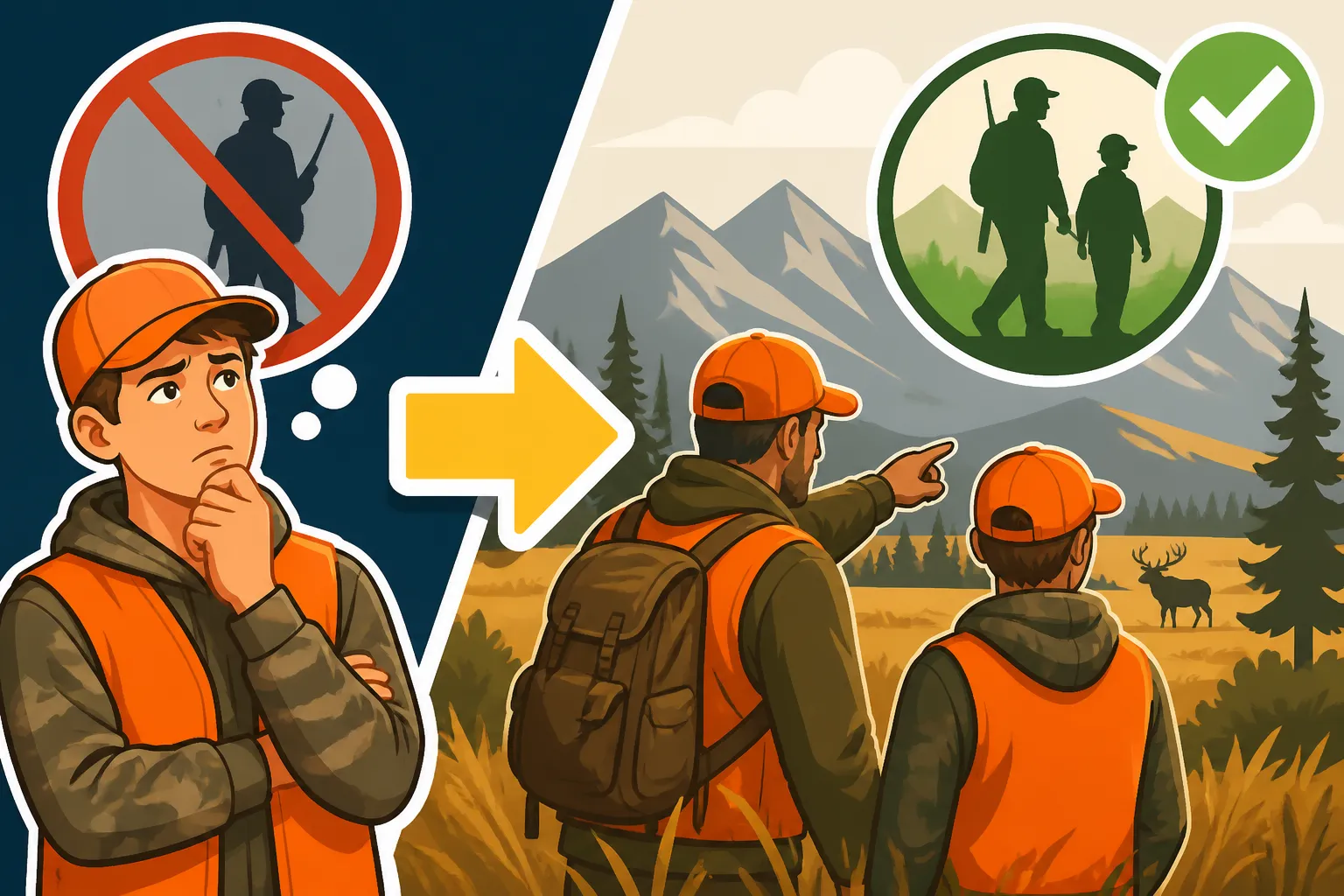
This is perhaps the most critical component of the mentored hunter program, and it's where many potential misunderstandings can arise. Wyoming law mandates "direct supervision" for mentored hunts. This isn't just a suggestion; it's a legal requirement with very specific implications. Direct supervision means that the mentor must be in sight and voice contact with the mentee at all times while the mentee is hunting. You can't drop a mentee off at one end of a draw and meet them at the other, or sit in the truck while they stalk a deer. The mentor must be actively present and engaged.
This level of proximity is non-negotiable because the mentor is ultimately responsible for the mentee's safety, actions, and adherence to regulations. If the mentee makes a questionable shot, the mentor must be there to immediately intervene and guide. If the mentee needs help identifying a legal animal, the mentor's voice and sight are crucial. This isn't about shadowing every step; it's about being close enough to prevent accidents, ensure ethical decisions, and provide immediate instruction. This commitment to direct supervision protects the mentee, the mentor, and the wildlife resource, solidifying the educational purpose of the program. It’s a core principle of Direct Supervision Means Sight and Voice Contact.
Navigating the "Before You Certify" Question
This is the big one, the question that brings many people to this guide. Can you really hunt before you've officially received your hunter education certificate? The answer, thanks to Wyoming's forward-thinking approach, is a conditional yes, but it hinges entirely on a specific document: the Special Authorization Certificate. Without it, you cannot hunt without certification, plain and simple.
The Special Authorization Certificate: The Crucial Document
For those who are over 10 years old but have not yet completed their hunter education course, Wyoming offers a lifeline in the form of the Special Authorization Certificate. This certificate is the only legal way for an uncertified individual to hunt big or trophy game animals, small game, or furbearers under the direct supervision of a qualified mentor. It's essentially a temporary waiver for the hunter education requirement, valid only for the specific hunting year it's issued.
This certificate isn't automatically granted; it must be applied for. It acts as a formal acknowledgment from the Wyoming Game and Fish Department that you are participating in the mentored hunter program under specific conditions. It ensures accountability for both the mentee and the mentor and solidifies the legal framework for this type of hunt. Think of it as your temporary "learner's permit" for hunting. Without this piece of paper, the rule that everyone born after 1966 needs hunter education stands firm, and hunting without it would be illegal. This certificate is what makes the "before you certify" possibility a reality, providing a structured and safe entry point into hunting.
How to Obtain and Use the Certificate
Obtaining a Special Authorization Certificate is a straightforward process, but it does require proactive effort. You'll need to visit the Wyoming Game and Fish Department website or a local office to apply. The application typically requires basic information about the mentee, and critically, the identification of the mentor who will be supervising the hunt. This is where the mentor’s compliance with their own requirements (age, hunter education, current license) becomes paramount, as they’ll be named on this document.
Once issued, the certificate must be in the possession of the mentee while hunting. Just like your hunting license and proof of hunter education (if you had it), this certificate is a legal document that a game warden can and will ask to see. It acts as your temporary ticket to the field. It’s important to note that this certificate is valid for one calendar year and for one specific mentor. If you plan to hunt with a different mentor or in a subsequent year before you get fully certified, you’ll need to apply for a new certificate each time. This annual renewal and specific mentor designation reinforce the controlled and educational nature of the program, making sure every mentored hunt is properly accounted for and supervised.
Limitations and Responsibilities
While the Special Authorization Certificate opens the door to hunting before certification, it comes with important limitations and significant responsibilities for both the mentee and the mentor. First and foremost, as mentioned, the mentee must be under the direct supervision of the mentor at all times. This means no independent hunting. The mentor is legally responsible for the mentee's actions, ensuring adherence to all hunting laws, safety protocols, and ethical standards. This responsibility is substantial and should not be taken lightly.
For the mentee, the certificate is a privilege. It’s an opportunity to learn, not a shortcut to independent hunting. Mentees are expected to actively engage in the learning process, ask questions, and follow all instructions from their mentor. They are also expected to eventually pursue and complete their full hunter education certification. The program is not intended to be a permanent workaround for the education requirement but rather a stepping stone. Failure to adhere to these limitations or responsibilities by either party can result in fines, loss of hunting privileges, or other legal consequences. The success of this program relies heavily on the integrity and commitment of both the mentor and the mentee.
Practical Considerations for a Successful Mentored Hunt
So, you've got your Special Authorization Certificate, your mentor is ready, and you're officially cleared for a mentored hunt. That's fantastic! But getting legal is just the first step. To make sure your first foray into Wyoming's hunting grounds is safe, productive, and memorable, there are some practical steps you'll want to take.
Planning Your First Outing
The key to any successful hunt, especially a mentored one, is thorough planning. You and your mentor should sit down well in advance to discuss what kind of experience you're hoping for. Are you chasing deer, antelope, or maybe even small game like rabbits or pheasants? The choice of species will dictate the hunt area, the time of year, and the specific regulations you'll need to follow. Resources like the Wyoming Game and Fish Department's hunt planner are invaluable here, as are platforms like GoHunt, which can help you research specific units and draw odds.
Consider the physical demands of the hunt. Will it involve strenuous hiking in the mountains for elk, or easier walks across open plains for antelope? Match the hunt to the mentee's physical capabilities and comfort level. You’ll also need to consider weapon choice – will it be a rifle, shotgun, or archery equipment? Ensure the mentee is proficient and safe with the chosen weapon before you even step into the field. This initial planning session should also cover topics like Wyoming Elk Season Dates Are Set Hunt Area by Hunt Area or Wyoming General Deer Licenses Over the Counter to ensure you're picking a viable hunt. Don't underestimate the power of a well-thought-out plan; it sets the stage for a much more enjoyable and safer experience.
Essential Gear and Safety Briefings
Before you head out, compile a comprehensive gear list. Beyond your weapon and ammunition, think about appropriate clothing for Wyoming's often unpredictable weather, sturdy hiking boots, water, snacks, a first-aid kit, and navigation tools like a GPS or map and compass. For the mentee, ensuring their weapon fits them properly and they can handle it safely is paramount. It’s also crucial to have eye and ear protection for target practice and during the actual hunt.
The safety briefing is non-negotiable. Before you even leave the driveway, your mentor should review the fundamental rules of firearm safety: always treat every firearm as if it's loaded, always keep the muzzle in a safe direction, always keep your finger off the trigger until ready to shoot, and always be sure of your target and what's beyond it. Discuss emergency procedures, how to communicate in the field, and what to do if you get separated. This isn't just a quick chat; it's a serious discussion that could save a life. Establishing these ground rules upfront builds confidence and reinforces the mentor's role as the primary safety officer. This is also a good time to ensure you know about Wyoming Legal Shooting Hours for Big Game.
Ethical Hunting Practices
A truly successful mentored hunt isn't just about harvesting an animal; it's about instilling a deep respect for wildlife and the land. Your mentor's job is to teach ethical hunting practices from day one. This includes understanding fair chase principles, striving for clean, quick kills, proper field dressing, and honoring the animal. Discuss topics like shot angles, recognizing a clean shot, and what to do if an animal is wounded. The mentee should learn the importance of not wasting meat, which is codified in Wyoming's Wanton Waste Rules Every Wyoming Hunter Should Know.
This also extends to respecting private property, understanding public land boundaries, and leaving no trace. A big part of being a responsible hunter is being a good steward of the land. The mentor should lead by example, demonstrating patience, persistence, and an unwavering commitment to doing things the right way, even when it's challenging. These early lessons in ethics will shape the mentee into a responsible and respected member of the hunting community for years to come.
Maximizing Your Mentored Hunting Experience
The beauty of the mentored hunt isn't just that it allows you to participate; it's that it provides an incredible learning environment. To truly maximize this opportunity, both mentee and mentor should approach it with an open mind and a focus on comprehensive education.
Learning Beyond the Shot
While pulling the trigger or releasing an arrow is often seen as the climax of the hunt, there's a vast amount of learning that happens before and after that moment. A good mentor will guide you through all of it. This includes teaching you how to effectively track an animal after the shot, even if it runs a short distance. Understanding blood trails, disturbed vegetation, and animal behavior after impact are crucial skills that only experience can truly teach.
Then comes field dressing. For many new hunters, this can be an intimidating but necessary step. A mentor should patiently walk you through the process, explaining how to properly gut, skin, and quarter an animal to preserve the meat effectively. This practical skill is fundamental to ethical hunting and ensures that the harvest is utilized responsibly. Learning about carcass transport rules, Evidence of Sex Requirements on a Carcass, and the importance of things like the Wyoming Carcass Coupon and Tagging Rules are all part of this post-harvest education. It's a hands-on education in the full lifecycle of a hunt, turning a kill into a valuable, respectful experience.
The Value of Scouting Together
A successful hunt starts long before opening day. Pre-season scouting is an invaluable part of the process, and doing it with your mentor can amplify your learning immensely. This isn't just about finding animals; it's about understanding the land, identifying game trails, bedding areas, water sources, and escape routes. Your mentor can teach you how to read topographic maps, interpret aerial imagery (perhaps using tools like GoHunt's mapping features), and use optics to spot game from a distance. You can delve into topics such as Grid Glassing a Basin Without Missing Bucks.
Physically walking the intended hunt area together allows the mentee to see firsthand how terrain influences animal movement and how to plan an approach. It’s also a great way to identify potential natural blinds or advantageous positions. This shared scouting experience helps the mentee develop critical woodsmanship skills, observe animal sign, and build anticipation for the hunt itself. It’s a foundational element of effective hunting that often gets overlooked but is central to consistent success and a deeper connection to the landscape.
Transitioning to Independent Hunting
The ultimate goal of the mentored hunter program is to equip mentees with the knowledge and confidence to eventually hunt independently and responsibly. Once you've had a few mentored experiences and completed your full hunter education course, the transition begins. Your mentor can still be a valuable resource, offering advice and sharing insights, but the emphasis shifts to your own decision-making and preparedness.
This transition involves reviewing everything you've learned, from safety protocols to species identification and regulatory compliance. It's about being able to confidently plan a hunt on your own, knowing you possess the skills to handle any situation that might arise, whether it's navigating challenging terrain, making an ethical shot, or properly processing your harvest. While the formal mentorship may end, the lessons learned and the bond forged with your mentor will likely last a lifetime, setting you up for many years of fulfilling hunting adventures in Wyoming and beyond.
Common Pitfalls and How to Avoid Them
Even with the best intentions, it's easy to stumble into some common traps when participating in or leading a mentored hunt. Being aware of these potential pitfalls upfront can save a lot of headaches and ensure a smooth, legal, and enjoyable experience for everyone involved.
Misinterpreting "Direct Supervision"
As we've discussed, "direct supervision" is a cornerstone of Wyoming's mentored hunting program. However, it's frequently misunderstood or underestimated. The biggest pitfall here is assuming that "in sight" means being able to see the mentee somewhere in the distance, or that "voice contact" means shouting across a canyon. This is incorrect and can lead to legal trouble. Direct supervision means the mentor must be close enough to the mentee to immediately and effectively intervene in a situation. This includes being able to see and hear them clearly, offer real-time instruction, or take control of a firearm if necessary.
An example of misinterpretation might be a mentor letting a mentee stalk a ridge alone while they watch from a distant hilltop through binoculars. While the mentor can see the mentee, they cannot provide immediate voice instruction or physically intervene if an unsafe situation arises or a questionable shot is about to be taken. This physical and auditory proximity is crucial. To avoid this pitfall, always err on the side of being too close rather than too far. Your role as a mentor is active and constant, not passive observation. For more, refer to the details on Direct Supervision Means Sight and Voice Contact.
Overlooking Paperwork
In the excitement of heading out for a hunt, paperwork can feel like a nuisance, but neglecting it is a significant pitfall for mentored hunts. The most common oversight is forgetting or failing to properly obtain the Special Authorization Certificate. Without this document, an uncertified mentee is simply hunting illegally, regardless of how experienced or certified their mentor is. It's the lynchpin that makes the entire mentored hunting program permissible for those without hunter education.
Another related pitfall is not carrying all necessary documents in the field. Both the mentee and the mentor should have their hunting licenses, conservation stamps, any required tags, and the Special Authorization Certificate (for the mentee) readily accessible. Imagine the frustration of a game warden encounter where you know you're legal, but can't produce the proof. Double-check your pockets and pack before heading out, every single time. A simple checklist can prevent this common, yet easily avoidable, mistake.
Forgetting the Mentor's Role
Sometimes, a mentor might get caught up in the thrill of the hunt themselves and inadvertently shift their focus away from the mentee's learning and safety. This is a critical pitfall. The mentor's primary role in a mentored hunt is education and supervision, not necessarily personal harvesting. While a mentor can certainly hunt themselves if they also hold a valid tag, their paramount responsibility remains with the mentee.
This means being patient, answering questions, demonstrating proper techniques, and constantly evaluating the mentee's understanding and safety practices. It’s about teaching the mentee how to read animal behavior, how to approach an ethical shot, and how to track and recover game. It’s not about ensuring the mentee gets an animal, but ensuring they learn how to hunt responsibly. If a mentor prioritizes their own hunting opportunity over the mentee's education or safety, they're not only failing in their role but potentially creating an unsafe or negative experience for the new hunter.
Here's a handy table summarizing the key requirements for both mentors and mentees in Wyoming:
| Requirement | Mentor | Mentee (Under Special Authorization Certificate) |
|---|---|---|
| Minimum Age | 18 years old | 10 years old (generally) |
| Hunter Education | Must be certified | Not yet certified, but must obtain Certificate |
| Hunting License | Must hold a valid current hunting license | Must hold a valid current hunting license for species |
| Special Authorization Certificate | Does not need one for self, but is named on mentee's | Required to hunt without Hunter Ed. |
| Supervision | Must provide direct supervision (sight & voice) | Must be under direct supervision |
| Payment | Cannot accept payment for guiding (unless licensed outfitter/guide) | Cannot pay mentor for guiding services |
| Number of Mentees | One mentor can supervise one mentee at a time | One mentee per mentor |
Disclaimer
The information provided in this article is for general guidance only and is not a substitute for official legal advice or the current regulations published by the Wyoming Game and Fish Department. Hunting laws and regulations can change, and it is the responsibility of every hunter to review and understand the most up-to-date rules before heading afield. Always consult the official Wyoming Game and Fish Department regulations, available on their website or in printed booklets, for the most accurate and current information.