Camp Inspection Requirements for Wyoming Outfitters
One of the biggest anxieties when you're planning a hard-earned hunt, especially if you're traveling a long distance, is trusting your outfitter. You're putting your safety, your money, and your precious hunting time into their hands, and it's natural to wonder if they're truly running a professional and legitimate operation. This guide will walk you through the essential camp inspection requirements for Wyoming outfitters, giving you peace of mind and the knowledge to make informed decisions about your next adventure.
Understanding Wyoming's Commitment to Safe and Ethical Outfitting
Wyoming takes its hunting heritage incredibly seriously, and that extends directly to how its outfitters operate. The state understands that a professional, safe, and ethical outfitting industry isn't just good for business; it's absolutely vital for conservation, hunter satisfaction, and maintaining Wyoming's reputation as a premier hunting destination. When you book a trip with a Wyoming outfitter, you’re stepping into a system designed to protect you and the integrity of the hunt.
Why Camp Inspections Matter for Hunters
For you, the hunter, camp inspections might seem like an invisible bureaucratic step, but they are a fundamental safeguard. Imagine arriving at a remote backcountry camp after days of travel, only to find unsanitary conditions, broken equipment, or neglected pack animals. Not only would that be a miserable experience, but it could also pose real health and safety risks. Inspections are designed to prevent these nightmares. They ensure that the outfitters you choose are meeting minimum standards for cleanliness, safety, animal welfare, and operational legitimacy. This proactive oversight means you can focus more on the hunt itself and less on whether your sleeping bag is going to get rained on or if your food is going to make you sick. It’s about ensuring a baseline of quality and professionalism that allows you to trust your chosen provider.
The Role of the Wyoming Board of Outfitters and Professional Guides
At the heart of this regulatory framework is the Wyoming Board of Outfitters and Professional Guides. This board is not just a rubber stamp; it's the primary authority responsible for licensing, regulating, and overseeing the activities of outfitters and their guides across the state. They establish the rules, process applications, issue licenses, and critically, enforce compliance. This includes everything from ensuring guides have proper training to investigating complaints and conducting inspections.
The Board acts as a crucial layer of accountability. Without it, the outfitting industry could quickly become a wild west, with varying standards and potentially unscrupulous operators. When you see an outfitter proudly display their Wyoming license number, you know they've been vetted by this board. Before you send a deposit, it's always a smart move to verify their license status. You can even check an outfitter's complaint history before booking through the Board's resources. The Wyoming Board of Outfitters and What It Regulates is a good resource to delve deeper into their specific functions and authority. They are truly the guardians of the outfitting integrity in Wyoming.
What Exactly Gets Inspected in an Outfitter Camp?
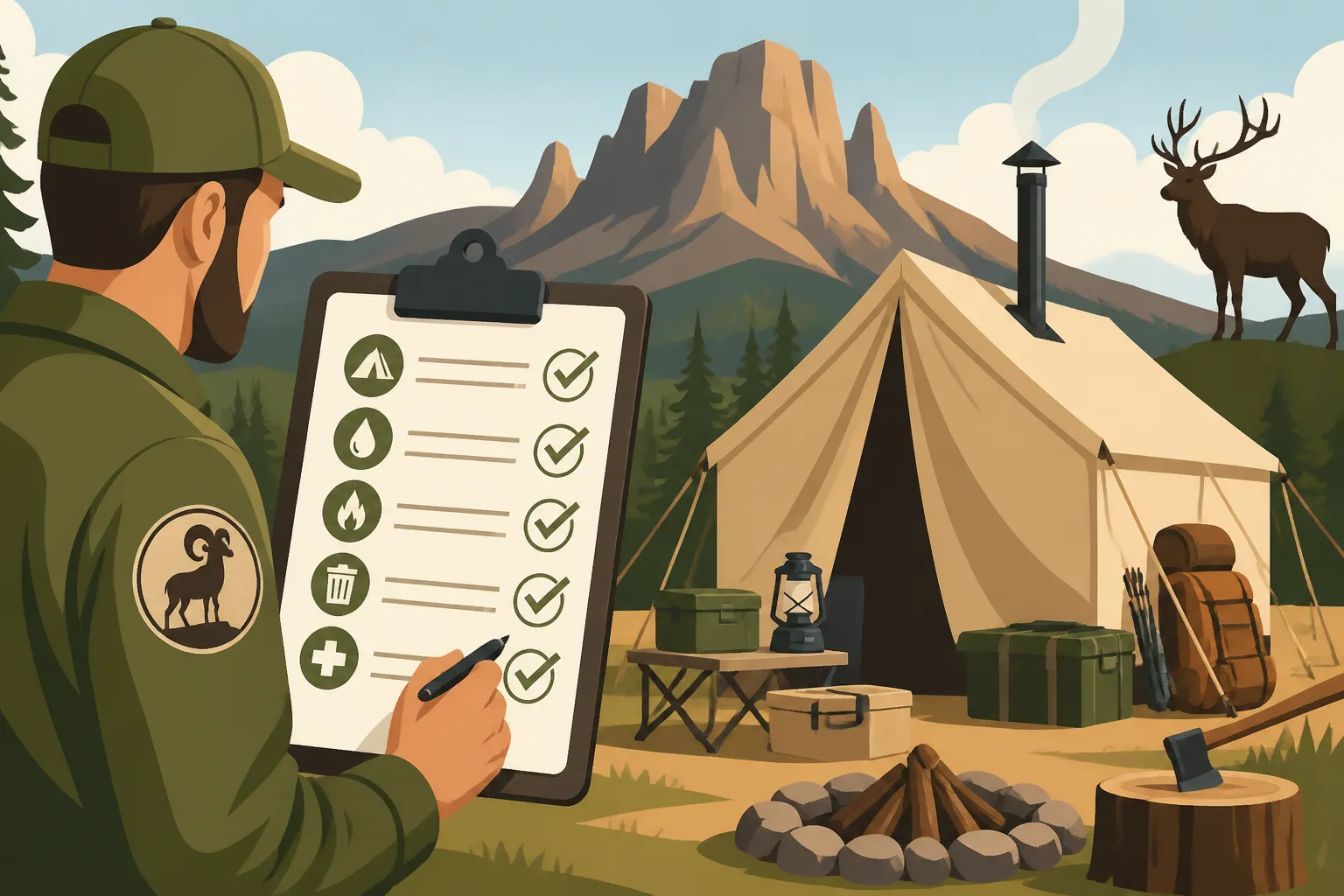
When an inspector from the Wyoming Board of Outfitters and Professional Guides or another authorized agency steps into an outfitter's camp, they're not just kicking tires. They're looking at a comprehensive list of criteria to ensure everything is above board. This is a detailed process designed to cover all the bases, from the health and comfort of clients to the welfare of the animals and the legality of the operation itself.
Health, Sanitation, and Food Safety Standards
This is arguably one of the most critical areas of any camp inspection, especially for those remote backcountry camps where resources are limited. Inspectors are looking for a few key things that directly impact your well-being:
- Cleanliness of Facilities: Are sleeping tents, cooking areas, and common spaces kept in a reasonably clean and orderly fashion? This doesn't mean spotless, but it means free of accumulated grime, trash, and obvious health hazards. Are there designated areas for different activities, preventing cross-contamination?
- Waste Management: How is trash handled? Are there proper receptacles, and is waste being packed out or disposed of in an environmentally sound way? What about human waste? In wilderness settings, this involves proper catholes or designated latrine systems that prevent contamination of water sources. For front-country camps, it means appropriate septic or portable toilet setups.
- Water Sourcing and Treatment: Is drinking water sourced from a safe supply? If it's collected from natural sources, is it being properly filtered, boiled, or chemically treated to prevent waterborne illnesses? Inspectors will want to see evidence of effective water purification methods.
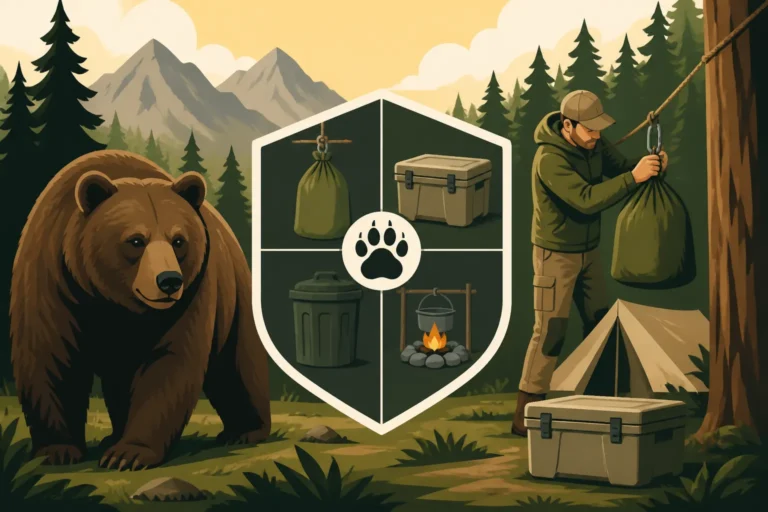
- Food Storage and Preparation: This is huge. Food needs to be stored in a manner that prevents spoilage and protects it from wildlife, particularly in bear country. Are coolers working effectively? Are dry goods protected? Is food prepared on clean surfaces with clean utensils? Are guides practicing good personal hygiene when handling food? Food Storage Rules in Grizzly Country are particularly important in some parts of Wyoming, and inspectors pay close attention to compliance in those areas. This ensures your meals are both delicious and safe.
Equipment and Stock Welfare Checks
A hunt, especially in rugged Wyoming terrain, relies heavily on good equipment and, for many outfitters, healthy pack stock. Inspectors pay close attention here to ensure ethical treatment of animals and reliable gear for clients.
- Condition of Equipment: This covers everything from tents and sleeping pads to cooking gear and emergency communication devices. Are tents in good repair, offering adequate shelter? Are stoves functioning? Is there a first-aid kit readily available and properly stocked? While no outfitter can guarantee perfect weather or an accident-free trip, they must provide equipment that is well-maintained and fit for purpose. This includes things like reliable vehicles for shuttles and appropriate safety gear for river crossings or steep terrain.
- Pack Stock Health and Care: For those amazing horseback hunts, the welfare of the horses and mules is paramount. Inspectors will look at the animals' physical condition – are they well-fed, free of sores, and properly shod? Are saddles, bridles, and pack equipment in good repair and fitting correctly? Is there adequate feed and water for the animals? The humane treatment of these working animals is not just an ethical concern; it’s a legal requirement. An outfitter who cares for their stock likely cares for their clients, too. Understanding How Much Riding Ability a Horseback Hunt Needs is also something an outfitter should be communicating, ensuring clients are matched with appropriate animals.
Permitting and Operational Compliance
Beyond the physical camp, inspectors also delve into the paperwork and legalities of the outfitter's operation. This ensures they are operating within their authorized scope and on appropriate lands.
- Valid Licenses and Permits: Is the outfitter properly licensed by the state? Are their guides licensed? Are they operating under valid special use permits for the public lands they're using, whether it's Forest Service land or BLM ground? Inspectors will confirm that all necessary documentation is current and in order. This includes BLM Outfitter Permits Required in Wyoming and Outfitter Special Use Permits on Forest Land, as operating on public land without proper authorization is a serious violation.
- Operating Within Designated Areas: Outfitters are licensed for specific hunt areas or portions thereof. Inspectors will verify that the camp is located within the outfitter's authorized operating area. This prevents over-pressuring certain areas and ensures fair competition among outfitters.
- Client-to-Guide Ratios: Wyoming often has rules regarding how many hunters one guide can supervise. Inspectors might check logs or interview staff to ensure these ratios are being maintained, particularly in wilderness areas where strict guidelines apply. This helps ensure client safety and a quality hunting experience.
The Inspection Process: What an Outfitter Goes Through
It’s not just a one-and-done deal. Outfitters are subject to both routine checks and investigations triggered by specific concerns. Understanding this process can help you appreciate the layers of accountability in place.
Routine Checks vs. Complaint-Driven Investigations
Outfitters aren't just inspected if someone complains. The Wyoming Board of Outfitters and Professional Guides conducts routine, unannounced inspections, especially in areas with high outfitter activity or known challenges. These routine checks are designed to be a regular part of doing business, ensuring ongoing compliance rather than just reactive measures. Think of it like a restaurant health inspection; it just happens periodically.
However, inspections can also be triggered by a complaint. If a hunter has a negative experience and files a formal complaint with the Board – something you can learn more about with Filing a Complaint With the Wyoming Board – that complaint can lead to a specific, targeted investigation. In such cases, the inspector will focus on the specific allegations made, in addition to general compliance. This dual approach ensures both a baseline level of quality and a mechanism for addressing specific issues that arise. It’s a powerful tool for maintaining industry standards.
Consequences of Failing an Inspection
Failing an inspection isn't just a slap on the wrist; it can have significant repercussions for an outfitter. The severity of the consequence depends on the nature and extent of the violations.
- Minor Violations: For minor issues, an outfitter might receive a warning and be given a specific timeframe to rectify the problem. This could involve, for instance, replacing worn-out equipment or improving waste disposal practices. A follow-up inspection would then confirm compliance.
- Serious or Repeated Violations: More serious breaches, or a failure to correct previous minor issues, can lead to more severe penalties. These might include fines, temporary suspension of their license, or even permanent revocation. A suspended license means they cannot operate, which is a major financial blow. If an outfitter loses their license, it’s effectively the end of their business in Wyoming. These consequences highlight the importance the state places on adherence to regulations and the protection of both hunters and the environment. It incentivizes outfitters to maintain high standards continuously.
What This Means for You, The Hunter
Knowing about these inspection requirements empowers you to be a more informed and confident hunter when choosing an outfitter. It’s not just about relying on the system; it’s about using the system to your advantage to ensure you have the best possible experience.
How to Vet an Outfitter with Confidence
This knowledge is your secret weapon. When you're talking to potential outfitters, don't be afraid to ask direct questions about their camp operations and compliance. You're making a significant investment, and you have every right to ensure they meet the standards.
Here are some things you can ask:
- "How do you handle waste management in your camps, especially for multi-day backcountry trips?"
- "What are your food storage and preparation protocols, especially in bear country?"
- "Can you tell me about the care and condition of your pack animals?"
- "How often are your camps inspected, and what measures do you take to ensure ongoing compliance?"
A reputable outfitter will welcome these questions and be transparent with their answers. They should be able to articulate their practices clearly and confidently. If they seem evasive or annoyed by your questions, that’s a potential red flag.
Beyond direct questions, always check their license status with the Wyoming Board of Outfitters and Professional Guides. Look for outfitters listed on reputable platforms like BookYourHunt or GoHunt, as these platforms often have their own vetting processes and client review systems that can offer additional insights. Reading reviews and asking for references is also crucial. A great resource for deeper vetting is Vetting a Wyoming Outfitter Before You Send a Deposit, which provides a comprehensive checklist of questions to ask and information to gather. Essentially, treat your outfitter selection like any other significant service provider; do your homework!
Reporting Concerns After Your Hunt
Even with all the regulations and vetting, sometimes things don't go as planned. If you have a legitimate concern about an outfitter's camp conditions, guide conduct, or adherence to safety and ethical standards during or after your hunt, it's important to know you have an avenue to report it.
The Wyoming Board of Outfitters and Professional Guides is the appropriate body for filing a formal complaint. They take these reports seriously and use them to investigate potential violations, as discussed in the section on complaint-driven investigations. Your feedback is vital because it helps maintain the integrity of the outfitting industry for everyone. It prevents unscrupulous operators from continuing practices that could harm other hunters or the environment. Documenting your concerns with photos, dates, and specific details will make your report much more effective. Don't be afraid to speak up; it benefits the entire hunting community and ensures that Wyoming remains a top-tier hunting destination where ethical standards are upheld.
Here's a quick overview of what inspectors look for:
| Inspection Area | Key Focus Points | Why It Matters to You, The Hunter |
|---|---|---|
| Health & Sanitation | Cleanliness of facilities, waste disposal, water treatment, food storage & preparation. | Ensures a safe, healthy, and comfortable camp experience. |
| Equipment Condition | Tents, cooking gear, first-aid kits, vehicles, communication devices. | Guarantees reliable gear for safety and comfort in the field. |
| Stock Welfare (if applicable) | Physical condition of horses/mules, proper saddling, feed/water availability. | Ensures ethical treatment of animals and reliable pack support. |
| Permitting & Compliance | Valid outfitter/guide licenses, public land permits, operating within designated areas. | Confirms legal operation and access to authorized hunting grounds. |
| Staffing Ratios | Adherence to client-to-guide limits (e.g., 2 hunters per guide in wilderness). | Ensures adequate supervision and safety, especially in challenging terrain. |
| Safety Protocols | Emergency plans, bear safety, firearm handling practices. | Protects your well-being throughout the duration of the hunt. |
By understanding these essential requirements and how they are enforced, you can engage with the outfitting community in Wyoming with greater confidence. Whether you're researching potential outfitters on BookYourHunt or planning your strategy with GoHunt, this knowledge equips you to ask the right questions and trust the process that Wyoming has in place to ensure memorable and safe hunting experiences.
Disclaimer
This article is for general informational purposes only and does not constitute professional advice. Laws, prices and regulations vary by location and change over time. Consult a qualified professional for guidance on your specific situation.