Choosing Between Two Wyoming Outfitters
Oh, the joy (and sometimes agony!) of planning a big game hunt in Wyoming. You've done your research, sifted through dozens of websites and brochures, maybe even hit a few hunting expos. Now you've narrowed it down to two phenomenal outfitters, and the choice feels like a coin toss that could make or break your dream hunt. It's a significant investment, both financially and emotionally, and you want to be sure you're making the absolute best decision. This guide is here to walk you through a detailed comparison process, helping you uncover the subtle differences and crucial details that will lead you to the perfect outfitter for your next Wyoming adventure.
Beyond the Brochure: Digging Deeper into Outfitter Claims
When you've got two great options in front of you, the glossy photos and enthusiastic testimonials might make them seem equally appealing. But the real work begins when you start to dig past the surface. This isn't just about what they say they offer, but about verifying their credentials, understanding their track record, and ensuring transparency in every aspect of their operation.
Verifying Licenses and Insurance
It might sound like a formality, but confirming an outfitter's legal standing is your first and most critical step. Unfortunately, the hunting world, like any other, can attract less-than-reputable characters. You want peace of mind knowing you're dealing with a legitimate business that operates within the bounds of Wyoming law. This isn't just for your protection, but also for the integrity of the industry.
Every licensed outfitter in Wyoming is regulated by the Wyoming Board of Outfitters and Professional Guides. This board exists to protect both clients and the reputation of legitimate businesses. They maintain records of licensed outfitters and their guides, ensuring that everyone operating in the field meets specific standards. A quick call or visit to their website can confirm that your potential outfitters are currently licensed and in good standing. Don't hesitate to ask for their license number directly – a reputable outfitter will provide it without hesitation. Beyond the license itself, bonding and insurance are also crucial. A bonded outfitter provides a layer of financial protection in case of certain business failures or misconduct. Insurance, on the other hand, protects against accidents or unforeseen events in the field. Imagine a situation where an accident occurs; without proper insurance, you could be left with significant medical bills. Always ask for proof of both bonding and insurance, and don't just take their word for it. It's a small step that can save you immense headaches down the road. For more details on this process, you can look up Looking Up a License in the Wyoming Outfitter Board.
Scrutinizing Success Rates and Hunt History
Every outfitter will boast about their success, and why shouldn't they? They want your business. But there's a world of difference between "opportunity for success" and actual "harvest success." When comparing two outfitters, delve into their specific success rates. Don't just ask for a general percentage; ask for details relevant to your hunt. For example, if you're chasing a trophy bull elk with a bow, you'll want to know their success rate for that specific pursuit, not just a combined success rate for all weapon types and all elk hunts.
A good outfitter should be able to provide data, even if it's anonymized, from past seasons. Ask how many clients they took, how many tagged out, and what the average size of animals harvested was. Inquire about the hunt conditions during those successful seasons. Were they particularly mild winters that pushed game down, or were they tough, grinding hunts where success was hard-earned? This context matters immensely, especially in a state like Wyoming where weather and game movement can fluctuate wildly year to year. Be wary of outfitters who are vague or unwilling to share specific historical data. Transparency here is a strong indicator of an honest operation. To give you a better idea of what to expect, check out articles like Wyoming Outfitter Success Rates for Elk or Outfitter Success Rates on Mule Deer.
Compatibility and Expectations: Matching Your Hunt Style
Beyond the logistics and legalities, a successful hunt hinges on the alignment between your expectations and the outfitter's delivery. This means being brutally honest with yourself about your physical capabilities, your preferred hunting style, and what you expect from the overall experience.
Understanding Hunt Style and Physical Demands
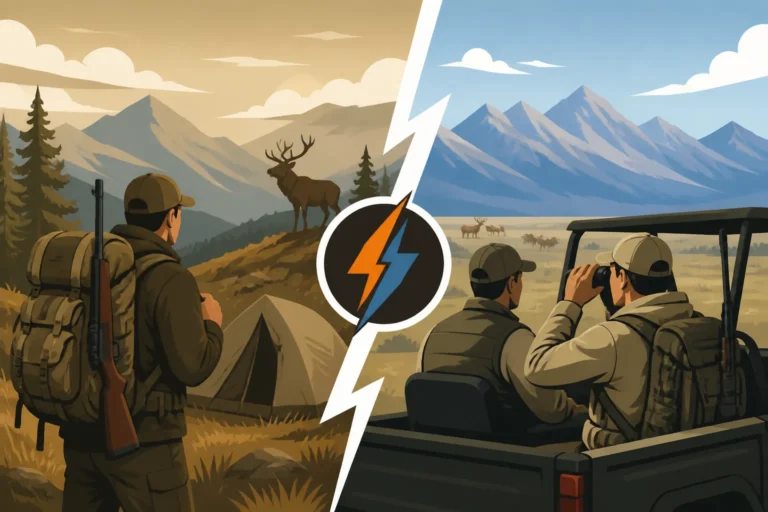
Wyoming hunting can range from relatively mild, lodge-based experiences to grueling, high-altitude backcountry expeditions. The two outfitters you're considering might have very different approaches, even if they hunt the same species in similar areas. One might focus on horseback hunts deep into the wilderness, utilizing spike camps and covering vast distances daily. Another might operate out of a comfortable lodge, using 4×4 vehicles for access and focusing more on glassing from elevated positions, followed by shorter stalks.
Consider your own physical fitness and comfort level. Are you ready for multiple days in the saddle, climbing steep mountain trails at 9,000 feet? Or would you prefer a more accessible hunt with a warm bed and hearty meals each night? Discuss the daily routine with each outfitter. How much walking is typically involved? What kind of terrain will you be covering? What are the average altitudes? Being upfront about any physical limitations or preferences is crucial. If you prefer quiet solitude, a camp with multiple hunters might not be for you. If you thrive on camaraderie, a one-on-one guide might feel too isolated. Don't underestimate the impact of altitude on your performance, especially if you're coming from a lower elevation. It's a real factor for many hunters heading out West. Before you commit, you might want to review resources such as Physical Conditioning for a Mountain Hunt and Preparing for Altitude on a Wyoming Hunt to gauge your readiness.
The Fine Print: Contracts, Deposits, and Cancellations
This is where many hunters get into trouble, overlooking crucial details in their eagerness to book. A hunting contract is a binding agreement, and you need to understand every clause before signing. When comparing two outfitters, lay their contracts side-by-side. Look closely at the deposit structure. Is it a one-time payment, or are there installments? What are the deadlines for these payments?
More importantly, scrutinize the cancellation and refund policy. Life happens, and sometimes even the best-laid plans go awry. What if you can't make the hunt due to a family emergency or a sudden illness? What if you fail to draw the tag for the specific hunt area? This is a common concern, especially with Wyoming's challenging draw system. Some outfitters offer full refunds or rollovers if you don't draw, while others might retain a portion or all of your deposit. This can be a huge swing in your overall risk. It's also worth noting how GoHunt, a valuable resource for draw odds, can help you manage your expectations around getting a tag in a particular unit, which in turn influences your booking strategy. Ask about rescheduling policies, especially if a hunter needs to pull out close to the hunt date. Sometimes, they might offer to move you to a different date or a different species, but typically this comes with conditions. Get everything in writing, and if anything is unclear, ask for clarification. Understanding these terms can save you thousands of dollars and a lot of heartache. Delve into the specifics by reading articles such as Reading the Cancellation and Refund Terms and Typical Deposit Amounts Wyoming Outfitters Ask.
Communication and Chemistry: The Human Element
A hunting trip is an intensely personal experience, often spent in close quarters with your guide and other hunters. The "soft skills" and interpersonal dynamics can profoundly impact your enjoyment and success. This is where you move beyond facts and figures to assess the human element.
Getting Honest References
References are golden, but only if you use them wisely. Any outfitter will provide you with a list of their happiest clients. While these are great to speak with, you need to go a step further when comparing two excellent choices. Ask if they can provide references from clients who hunted with them two or three seasons ago, not just last year. This gives you a more consistent view of their operation over time. Even better, ask if they can provide a reference from someone who didn't fill their tag. This is where you learn how an outfitter handles adversity. Were they still dedicated? Did they work hard until the very last minute? How did they manage expectations when things got tough?
When you call references, don't just ask "Was it good?" Ask specific, open-ended questions: "What was the biggest challenge you faced on the hunt?" "How did the guide handle unexpected weather?" "What did you dislike about the experience?" Pay attention to consistency in responses across different references. Platforms like BookYourHunt often feature client reviews, which can give you a broader, less curated perspective, but always balance these with direct reference calls. Remember, you're not just hiring a service; you're often spending a week or more in close proximity with these individuals. Chemistry matters. For tips on how to get the most out of your reference calls, check out How to Read an Outfitter's References.
Asking the Right Questions
Once you've done your preliminary research and spoken with references, it's time for direct conversation with the outfitters themselves. This is your chance to clarify any lingering doubts and get a feel for their communication style. Having a prepared list of questions will ensure you cover all your bases. Don't be shy; a professional outfitter will appreciate your thoroughness.
Think about the daily details. What's a typical day look like? What's their plan B if the primary hunting area isn't producing? What's the guide-to-hunter ratio? While Wyoming allows one guide for every two nonresident hunters in wilderness areas, some outfitters might offer a one-to-one ratio as a standard, which can significantly enhance your experience. Ask about their approach to game care – field dressing, caping, and initial meat transport. How do they handle successful harvests when you're miles from the truck? Discuss contingencies for inclement weather, injuries, or other emergencies. What's their communication plan in the field? Do they carry satellite phones or inReach devices? These practical questions often reveal a lot about an outfitter's preparedness and professionalism. For a comprehensive list of questions to consider, refer to Questions Worth Asking Before You Book.
Weighing the Non-Tangibles and Making the Call
After all the research, calls, and comparisons, you might still feel torn. This is when you step back and consider the less tangible aspects, combining your logical findings with your gut feeling.
Value vs. Price: What's Really Included?
It's tempting to simply pick the cheaper option, but remember that "price" and "value" are not always the same. When comparing two outfitters, create a detailed breakdown of what each price includes versus what it doesn't. Many outfitters have a base price that covers the hunt itself, guiding services, lodging, and meals. But what about everything else?
Consider these common exclusions:
- Licenses and Tags: These are almost universally separate costs.
- Travel: Flights, car rental, and travel to the outfitter's meeting point.
- Meat Processing and Shipping: After a successful harvest, you'll need to pay for butchering and potentially shipping your meat home.
- Taxidermy: If you're bringing home a trophy, that's another significant expense.
- Tips: Tipping your guide and camp staff is customary in the industry.
- Special Gear: Some hunts might require specific gear you don't already own.
One outfitter might seem more expensive upfront but include things like airport transfers, initial meat transport to a processor, or even a higher guide-to-hunter ratio, which could offer better value in the long run. Conversely, a cheaper hunt might become significantly more expensive once all the hidden costs are factored in. Always ask for a detailed list of what is included and what will be extra. Understanding What Outfitter Prices Almost Never Include can help you budget accurately.
Gut Feeling and Logistics
Sometimes, all the data points you in one direction, but your gut tells you something else. Don't ignore that feeling. You've had conversations, you've seen their marketing, you've heard from past clients. Which outfitter did you feel a better connection with? Which one seemed more genuinely interested in your success and satisfaction, rather than just selling a spot? This subjective feeling can be incredibly important for an enjoyable experience.
Beyond the emotional aspect, consider the practical logistics one last time. Which outfitter's location is easier for you to access? Which one has better emergency protocols or closer proximity to medical facilities if the unforeseen happens? Does one outfitter offer a unique experience or an area you're particularly excited about, even if the "numbers" are similar? For example, if one operates in an area known for its breathtaking scenery, that might add immense value to your trip, even if the elk numbers are comparable to another unit. Finally, create a simple comparison table to visualize the key differences and inclusions side-by-side.
| Feature | Outfitter A | Outfitter B |
|---|---|---|
| Hunt Style | Horseback, remote spike camps | Lodge-based, vehicle access, day hunts |
| Guide Ratio | 1:1 standard | 1:2 standard (option for 1:1 at extra cost) |
| Deposit Terms | 50% non-refundable, 100% credited to next year if draw fails | 30% non-refundable, 50% credited if draw fails |
| Elk Success Rate | 80% opportunity, 60% harvest (rifle) | 75% opportunity, 55% harvest (rifle) |
| Physical Demand | High: strenuous riding, high altitude | Moderate: day hikes, lower elevation |
| Included | Guide, food, lodging, field dressing | Guide, food, lodging, initial meat pack-out |
| Excluded | Licenses, processing, taxidermy, tips | Licenses, processing, taxidermy, tips, all transport |
| Communication | Very responsive, detailed answers | Responsive, but sometimes vague on details |
| Camp Amenities | Rustic wall tents, basic comforts | Comfortable lodge, hot showers, Wi-Fi |
Making the final decision between two fantastic Wyoming outfitters is a good problem to have, but it's still a decision that requires careful thought. By taking the time to thoroughly vet their credentials, understand their hunt philosophy, and assess the personal chemistry, you’ll be well-equipped to choose the outfitter who will make your Wyoming hunting dream a reality.
Disclaimer
This article is for general informational purposes only and does not constitute professional advice. Laws, prices and regulations vary by location and change over time. Consult a qualified professional for guidance on your specific situation.