What a Wyoming Drop Camp Actually Includes
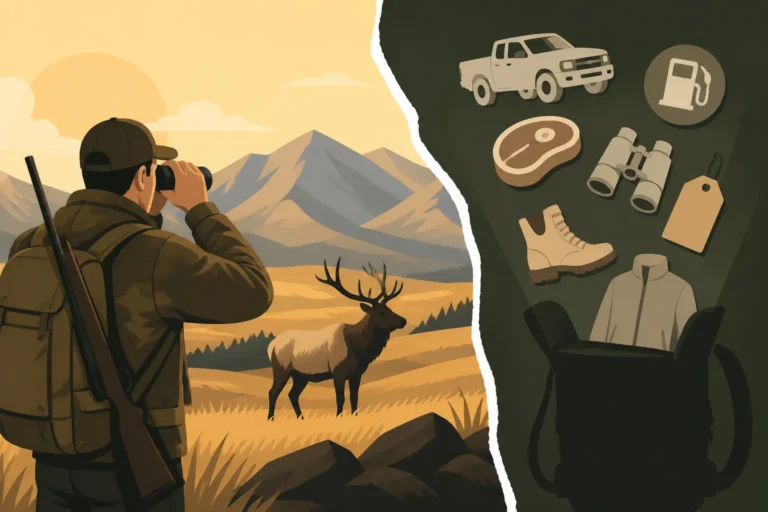
Oh, the dream of a Wyoming hunt! For so many of us, it conjures images of vast, rugged wilderness, silent mornings, and the thrill of pursuing elk or deer deep in their natural habitat. But then reality sets in: the cost of a fully guided trip can be a huge hurdle, and going completely self-sufficient in unfamiliar backcountry can feel overwhelming. That's where a drop camp often steps in as a fantastic middle ground, offering a taste of that remote adventure without breaking the bank on a full-service outfitter. This guide will walk you through exactly what you can expect when booking a Wyoming drop camp, helping you decide if this unique hunting experience is right for you.
Understanding the Core Concept of a Drop Camp
Let's cut through the jargon. When you hear "drop camp," it refers to a specific type of outfitting service that provides transportation and a pre-set camp in a remote location, then leaves you to hunt on your own. It's essentially a wilderness taxi and a fully equipped base camp, minus the personal guide services. For many hunters, it strikes that perfect balance between independence and having crucial logistical support in challenging terrain.
What "Drop Camp" Actually Means
Imagine this: You drive to a pre-arranged trailhead, perhaps in one of Wyoming's magnificent national forests like the Shoshone or Bridger-Teton. There, you meet your outfitter and their string of horses or mules. All your gear, your food, and your excitement are loaded onto those pack animals. Then, you embark on a several-hour, or even full-day, journey deep into the backcountry, often into designated wilderness areas where motorized access is strictly prohibited. The outfitter takes you to a pre-established camp, which they've likely used for years, complete with tents, cooking gear, and a means to keep warm. They unload everything, give you a rundown of the area, and then—here's the key—they leave. You're alone in the wilderness, sometimes for a week or more, with an agreed-upon date for their return to pack you and your game out. This contrasts sharply with a fully guided hunt, where a professional guide is with you every step of the way, leading the hunt, calling game, and handling much of the logistics beyond camp setup.
The Appeal to DIY Hunters
For the hunter who cherishes self-reliance, a drop camp is incredibly appealing. You get the immense satisfaction of knowing you scouted your own hunting areas, made your own stalk, and executed your own shot. You're the one making the decisions, reading the sign, and interpreting the land. This level of autonomy is exactly what many seasoned hunters seek, but without the added stress of packing in an entire camp yourself, hauling water, and navigating unfamiliar trails with heavy loads. It's perfect for a group of friends or a family who possess strong hunting skills, are comfortable with backcountry navigation, and want the challenge of a truly independent hunt. You still get to experience those deep, untouched areas that are simply inaccessible to day hunters or those without pack animals. It's a way to unlock remote country that would otherwise require an enormous amount of personal gear, time, and physical exertion to access and set up independently.
Key Differences from a Fully Guided Hunt
It's vital to understand what a drop camp doesn't include compared to a fully guided experience. With a drop camp, you won't have a personal guide leading you to game, helping you glass basins, calling elk, or tracking wounded animals. There's no one cooking your meals every night or offering expert advice on shot placement or field judging. You are responsible for all hunting decisions, navigation, field care of game, and your daily camp routine.
Consider the Wyoming's Wilderness Guide Law for Nonresidents if your drop camp is in one of those areas. This rule explicitly states that nonresidents hunting specific big game species in designated wilderness areas must be accompanied by a licensed guide or a resident hunter acting as one. Drop camps often operate within these wilderness areas. If you plan a drop camp in a Wyoming wilderness area, you will still need to ensure you meet this guide requirement, either by having a licensed professional guide among your group or a qualified Wyoming resident who files the necessary affidavit. Outfitters offering drop camps typically navigate this by either ensuring their camps are just outside wilderness boundaries or by clarifying that one person in your party must be a resident, or that they offer a "spotter-packer" service that fulfills the guide requirement. Always clarify this critical detail with your outfitter.
What You Can Realistically Expect in a Wyoming Drop Camp
When you sign up for a drop camp, you're buying a package of logistical support that ensures you have a comfortable and functional base from which to hunt. The specifics can vary, but there's a general expectation of what's provided.
The Camp Setup
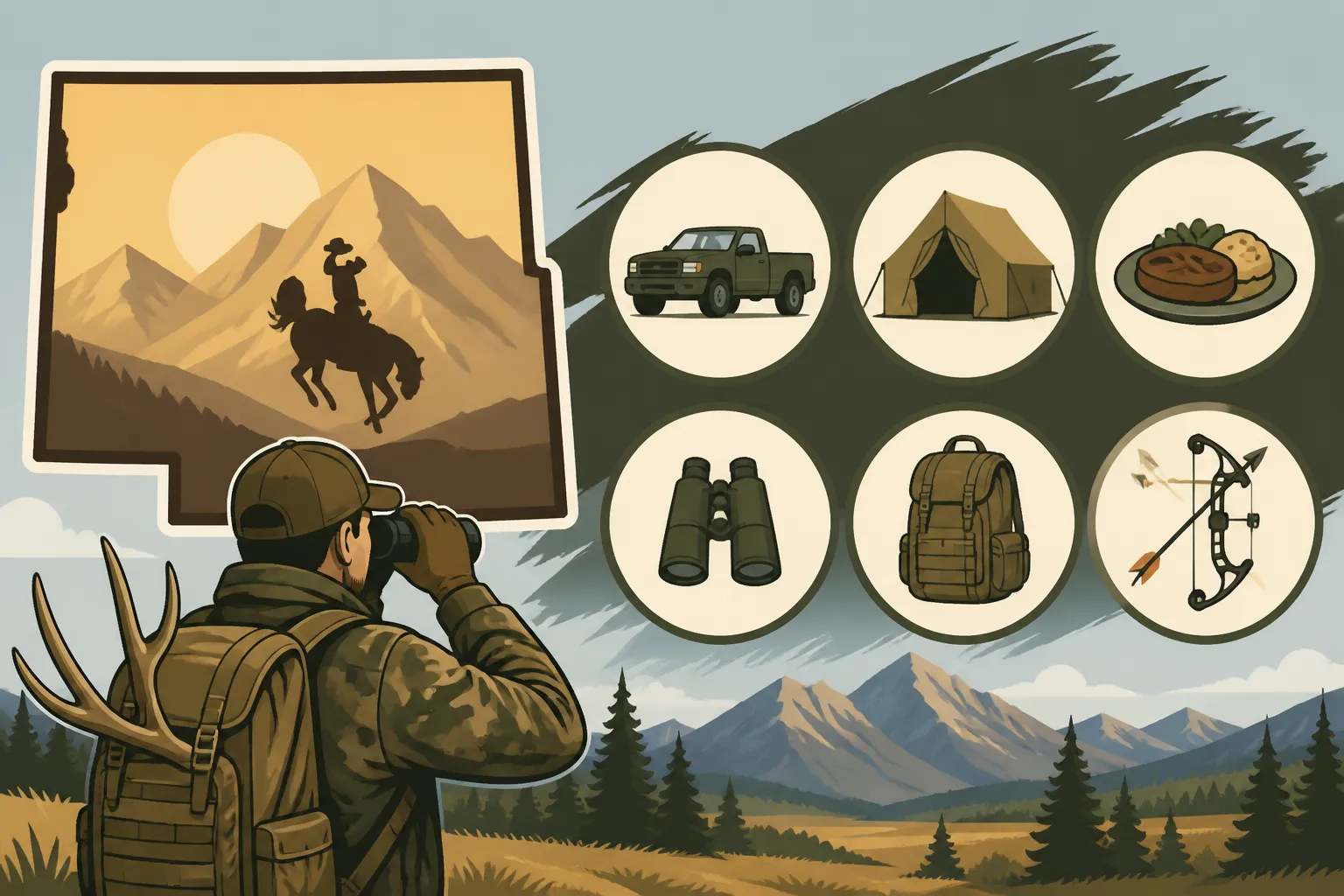
A standard drop camp provides a solid, weather-resistant shelter. This usually means a large wall tent or a similar sturdy canvas tent, often equipped with cots for sleeping, a wood-burning stove for heat, and a cook area. The outfitter will typically supply basic cooking utensils – pots, pans, plates, cups, silverware – along with a cooler for food storage and a table and chairs for eating. You'll likely have a lantern or some form of camp lighting. Water is crucial in the backcountry, so expect a reliable water source nearby, or a filtration system provided by the outfitter. Some outfits go a step further, providing a small privy tent or a designated latrine area.
Think of it as a well-appointed primitive campsite. You're not roughing it entirely, but you're not in a lodge either. The quality of the tents, cots, and cooking gear can vary from basic but functional to quite robust and comfortable. It's important to ask your outfitter for a detailed list of what is included in their camp setup. This helps manage expectations and ensures you don't show up assuming a propane stove when only a wood stove is provided, or vice-versa.
Packing In and Out
This is the bread and butter of a drop camp. The outfitter is responsible for transporting you, your personal gear, and all the camp supplies to your hunting location and then back out. This includes your weapon, sleeping bag, food, and anything else you decide to bring for your hunt. Most outfits will have strict weight limits per hunter for gear, often around 60-75 pounds. These limits are absolutely essential to adhere to, as overloading pack animals is dangerous and unethical.
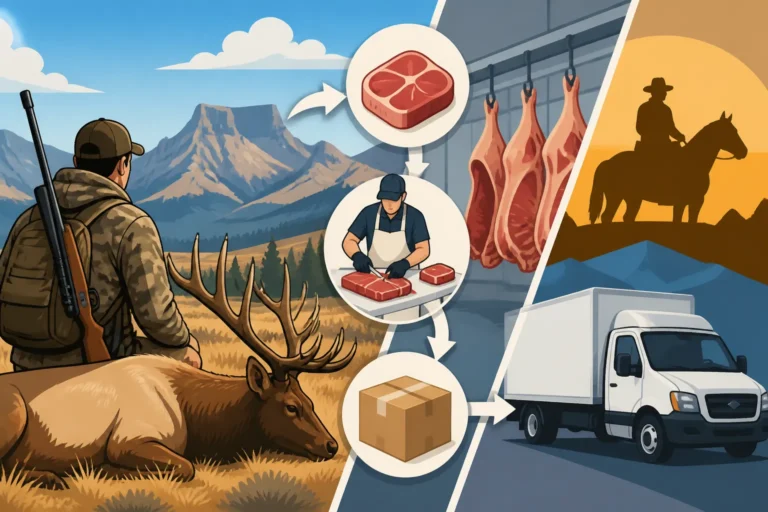
Once you've harvested an animal, the outfitter also takes on the crucial task of packing out your game. This is where the service truly earns its keep. Imagine having to haul a quartered elk several miles through rough terrain on your back – it's a monumental undertaking. With a drop camp, you'll field dress and quarter your animal, and then the outfitter will return on the agreed-upon date to pack it out for you. Again, there might be weight limits or specific instructions on how to prepare the meat for transport. Be sure to understand the details of their game retrieval policy, as some outfits might have specific requirements for calling them or waiting for a scheduled pick-up. This aspect significantly reduces the physical burden and allows you to focus on the hunt itself.
Emergency Preparedness and Communication
Even though you're on your own, a reputable outfitter will have safety protocols in place. They typically provide some form of emergency communication, often a satellite phone or a two-way satellite messenger like an inReach or Spot device, with clear instructions on how and when to use it. There will be scheduled check-ins, perhaps every few days, to ensure everything is okay.
Before you go, the outfitter should provide you with detailed information on what to do in case of an emergency, where the nearest ranger station or medical help might be (though often hours away), and how to signal for help if the primary communication device fails. Remember, you're deep in the wilderness, sometimes days from the nearest road. Satellite Communication From a Hunting Camp is not just a convenience; it's a lifeline. This focus on safety allows you to hunt with greater peace of mind, knowing that while you're self-reliant, you're not entirely cut off from the world in a true crisis.
What You'll Still Need to Bring Yourself
While the outfitter sets up the foundational camp, a successful drop camp hunt relies heavily on your own preparation and gear. This is where the "DIY" spirit truly comes into play.
Personal Gear and Food
This is probably the biggest difference from a fully guided hunt where meals are often included. In a drop camp, you are responsible for all your food for the duration of your stay. This means planning your meals, packing non-perishable items, and ensuring you have enough calories for strenuous days in the mountains. Dehydrated meals are popular for their light weight, but you'll still need to bring snacks, coffee, and other comforts.
Beyond food, your personal gear list will be extensive. This includes:
- Sleeping bag: Rated for the expected night temperatures, which can drop significantly in Wyoming's high country.
- Hunting clothing: Layers are key for varying mountain weather. Preparing for Altitude on a Wyoming Hunt is also critical, and your clothing choices play a role in managing your body temperature and energy levels.
- Optics: Binoculars, spotting scope, and rangefinder are essential for spotting game in vast Western landscapes. Optics Power for Wyoming's Long Sightlines is a great resource to help you choose.
- Weapon and ammunition: Rifle, bow, or muzzleloader, properly sighted in.
- Backpack: A comfortable day pack for hunting, and possibly a frame pack for initial game retrieval to camp.
- Navigation tools: GPS, maps (physical and digital like from GoHunt or onX), and a compass are non-negotiable.
- First-aid kit: Comprehensive enough for wilderness scenarios.
- Water filtration/purification: Even if the outfitter provides some, having your own backup is smart.
- Headlamp/flashlight: With extra batteries.
- Knife and sharpening tools: Essential for field dressing.
- Game bags: To protect your meat.
Remember, your outfitter will typically provide a detailed gear list, but ultimately, it's on you to pack wisely and ensure you have everything you need to be self-sufficient and comfortable for the duration of your hunt.
Hunting Skills and Knowledge
This isn't a beginner's hunt. Drop camp hunters need a solid foundation of hunting skills. You'll be the one finding game, executing the stalk, and making ethical shot decisions. This includes:
- Navigation: Being able to read maps, use a GPS, and navigate by terrain features is crucial. You won't have a guide to lead you back to camp after a long day of hunting.
- Animal tracking and sign reading: Identifying fresh tracks, scat, and rubs will be your primary tools for locating game.
- Calling: If you're hunting elk, your ability to bugle or cow call effectively could be the difference between success and going home empty-handed.
- Field dressing and quartering: You'll be doing this alone, often in challenging conditions. Knowing how to efficiently and cleanly break down an animal is paramount for meat preservation.
- Physical fitness: You'll be covering miles of rugged terrain daily, often at high altitudes. Physical Conditioning for a Mountain Hunt cannot be stressed enough. This isn't a hunt from the truck; it's a true backcountry effort.
Game Retrieval and Care
While the outfitter packs out your game from camp, getting that game to camp is entirely your responsibility. This means:
- Initial field dressing: You'll need to gut and quarter the animal where it falls, preparing it for transport.
- Meat care: Protecting the meat from dirt, insects, and heat is crucial for quality. Having plenty of game bags and knowing how to hang meat to cool it down are vital skills.
- Hauling: Depending on where your animal goes down, you might be making multiple trips with heavy loads of meat back to your drop camp. This is where your physical conditioning and having a good frame pack come into play.
Don't underestimate the physical demands of breaking down an animal in the backcountry and getting it back to a pick-up point. It's often the hardest part of a successful hunt.
Weighing the Pros and Cons of a Drop Camp
Deciding on a drop camp isn't just about saving money; it's about matching the hunting style to your personal preferences and capabilities. Like any adventure, it comes with its own set of advantages and challenges.
The Advantages
The most immediate benefit of a drop camp is often cost savings. Compared to a fully guided hunt, which can run into thousands of dollars per person per week, a drop camp typically offers a more budget-friendly entry into remote hunting. This makes those dream Western hunts more accessible to a wider range of hunters.
Then there's the independence and immersive experience. You're truly in control of your hunt. You dictate your schedule, your hunting strategy, and your pace. There's an undeniable satisfaction in navigating the wilderness, making your own decisions, and ultimately finding success entirely on your own terms. It fosters a deeper connection with the land and the animals you pursue. For those who crave solitude and the feeling of truly "earning it," a drop camp delivers.
Finally, drop camps offer remote access to prime hunting areas. Outfitters often have special use permits for national forests or other public lands, allowing them to establish camps in locations that would be incredibly difficult, if not impossible, for a DIY hunter to reach with all their gear and without pack animals. This means you can hunt country that sees less pressure, increasing your chances of encountering mature animals. The outfitter handles the logistics of getting you and your heavy gear into and out of these deep wilderness areas, allowing you to focus your energy on hunting.
The Disadvantages
The flip side of independence is increased self-reliance demands. You are the sole decision-maker, the navigator, the chef, and the primary game processor. If you're new to backcountry hunting, or if your group lacks collective experience in these areas, a drop camp can be overwhelming. There's no experienced guide to bail you out if you get lost, struggle to find game, or make a poor shot. This necessitates a higher level of preparedness and skill from every member of your party.
There's also the potential for unforeseen issues. Weather in Wyoming's high country can change drastically in a matter of hours, turning a sunny day into a blizzard. Equipment can break, a primary water source could dry up, or someone could get injured. While outfitters often provide emergency communication, immediate assistance might be hours or even a day away. Without a guide to troubleshoot or adapt plans on the fly, you're responsible for managing these challenges.
Lastly, a significant disadvantage for some is the lack of expert guidance on the hunt itself. A good guide brings years of local knowledge, knows animal patterns, understands calling techniques, and can quickly identify legal animals. In a drop camp, you don't have that expertise. If you struggle to locate game or lack confidence in making crucial hunting decisions, you might miss opportunities that a guide could have helped you capitalize on. This isn't a criticism of drop camps, but rather a realistic assessment of What Outfitter Prices Almost Never Include in their basic service – the personalized hunting instruction and active guidance.
Finding and Vetting a Reputable Wyoming Drop Camp Outfitter
Once you've decided a drop camp is the right fit, the next crucial step is finding an outfitter who can deliver. Not all outfitters are created equal, and thorough vetting is key to a successful experience.
Researching Outfitters
Start your search early. Wyoming is a popular hunting destination, and good outfitters book up quickly, sometimes a year or more in advance, especially for prime season dates. You can begin by searching online directories and forums, looking for outfitters specifically advertising drop camp services. Websites like BookYourHunt or GoHunt can be good starting points, as they often list various outfitting options, though always remember to dig deeper than just the listings themselves.
Focus on outfitters with experience in the specific hunt areas you're interested in. Look for reviews and testimonials, but take them with a grain of salt and try to find a balanced perspective. Pay attention to how long they've been in business and their general reputation. The more established an outfitter, the more likely they are to have refined their drop camp operations and developed reliable logistics.
Crucial Questions to Ask
This is where you become an investigator. Don't be shy about asking detailed questions. Here's a table of crucial inquiries:
| Category | Key Questions to Ask | Why It Matters |
|---|---|---|
| Camp Setup | What specific shelter is provided? (wall tent, canvas, etc.) | Ensures you know the quality and type of your shelter. |
| What sleeping arrangements are included? (cots, pads?) | Affects your comfort and whether you need to bring extra padding. | |
| What cooking gear is provided? (stove, fuel, pots, pans, plates) | Crucial for meal planning; ensures you don't duplicate or miss essentials. | |
| What about water? (source, filtration, amount) | Water is life; know your plan for clean drinking water. | |
| Is there a privy/toilet setup? | Affects camp hygiene and comfort. | |
| Logistics | What are the weight limits for personal gear? | Avoids surprises and ensures you pack appropriately. |
| How far is the pack-in to camp? (miles, hours) | Gives you an idea of the remoteness and travel time. | |
| What is the game retrieval process? (calling, schedule, limits) | Critical for meat care and planning; clarifies your role vs. theirs. | |
| What is the schedule for check-ins/emergency contact? | Safety protocols for your time in the wilderness. | |
| Hunting Area | Which hunt area number will the camp be in? | Allows you to research regulations, draw odds, and typical animal behavior. |
| Is the camp within a wilderness area, triggering guide rules? | Absolutely essential for nonresidents to ensure legal compliance. | |
| How far is it typically to common game areas from camp? | Helps you plan daily hunts and assess the physical demands. | |
| Outfitter Info | What is your Wyoming Outfitter's License Number? | Allows you to verify their credentials with the state. |
| Can you provide references from past drop camp clients? | Best way to get unbiased feedback on their service. | |
| Costs/Terms | What is the total cost, and what's included/excluded? | Clarity on all financial aspects. |
| What are the deposit requirements and cancellation policy? | Protects your investment; be aware of Deposits and Cancellation Terms. |
Asking these Questions Worth Asking Before You Book will give you a clear picture of what to expect.
Reading the Fine Print
Always, always read the contract thoroughly. This document is your agreement with the outfitter and will spell out all the terms, conditions, and responsibilities for both parties. Pay close attention to:
- Inclusions and Exclusions: Is there anything you're assuming is included that isn't? Are there hidden fees for extra weight, satellite phone usage, or special game retrieval circumstances?
- Safety Protocols: What are the precise emergency communication procedures?
- Liability Waivers: Understand what you are agreeing to regarding potential risks in the backcountry.
- Game Care Responsibility: Clarify who is responsible for what aspects of field dressing, quartering, and protecting the meat.
- Cancellations and Refunds: What happens if you need to cancel, or if the outfitter has to cancel due to unforeseen circumstances like severe weather or wildfires? Whether You Get a Refund If You Fail to Draw your tag is another important consideration if you're booking prior to draw results.
It's also a good idea to Checking an Outfitter's Complaint History Before Booking through the Wyoming Board of Outfitters and Professional Guides. This can provide valuable insight into any past issues, although remember that a clean record isn't always indicative of future performance, and one past complaint isn't necessarily a dealbreaker if resolved professionally.
A Wyoming drop camp hunt offers an incredible opportunity to experience the state's wild beauty and challenging hunting in a truly independent fashion. By thoroughly understanding what's included – and just as importantly, what's not – you can prepare properly and set yourself up for an unforgettable adventure.
Disclaimer
This article is for general informational purposes only and does not constitute professional advice. Laws, prices and regulations vary by location and change over time. Consult a qualified professional for guidance on your specific situation.