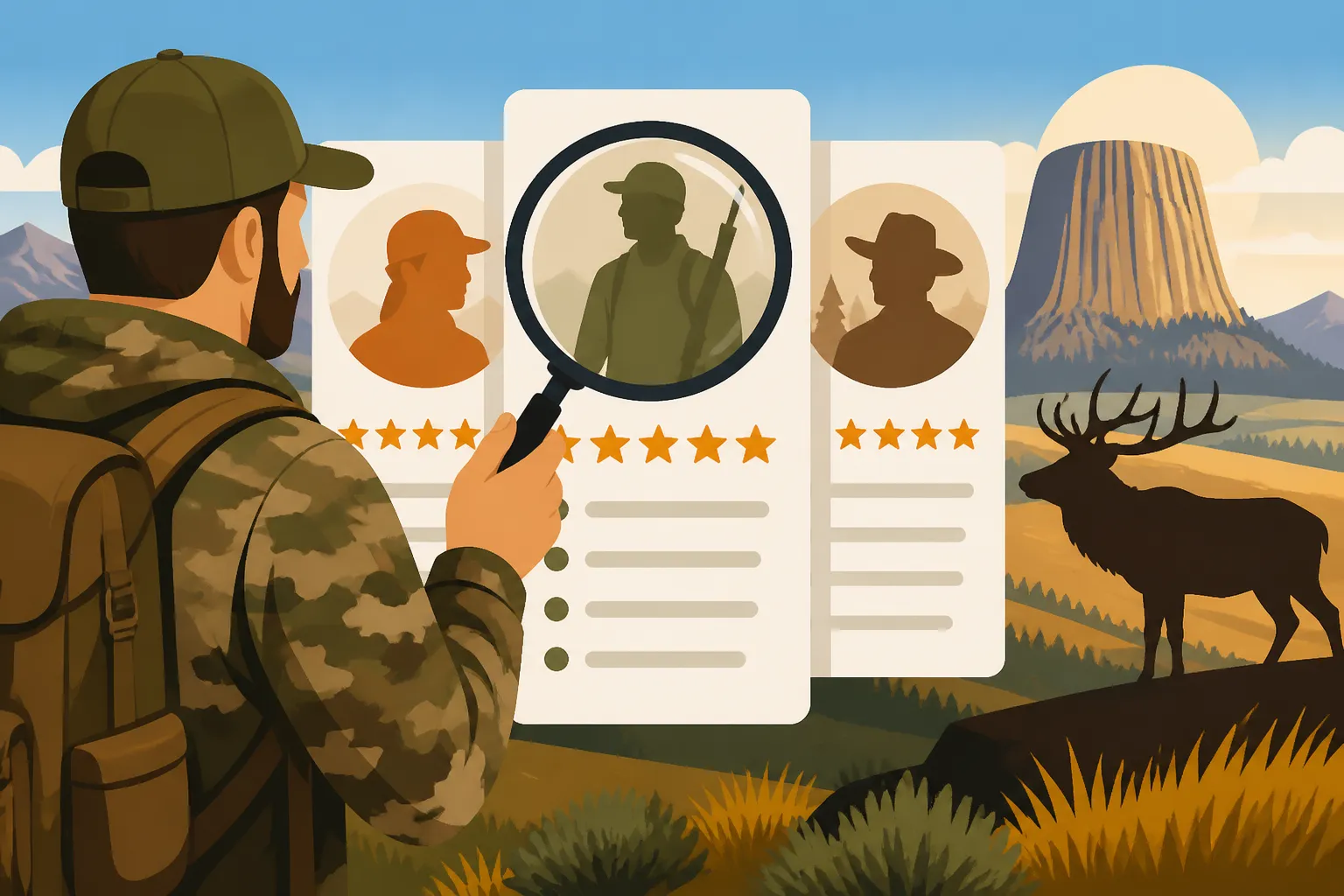
How to Read an Outfitter’s References
Booking a guided hunting trip in Wyoming is a massive investment, not just of money, but of your precious time, energy, and dreams. There's nothing quite like the sting of arriving at a camp only to find that what was promised in glossy brochures and smooth phone calls doesn't quite match reality. That's why diving deep into an outfitter's references isn't just a suggestion; it's absolutely crucial for protecting your investment and ensuring you get the hunt you've been planning for. This guide will walk you through exactly how to dissect those reference lists and ask the right questions to uncover the truth.
Why Outfitter References Matter More Than You Think
When you're dreaming of a Wyoming hunt, whether it's for an enormous bull elk bugling in the mountains or a speed goat streaking across the sagebrush flats, the outfitter's website and conversations can paint a truly magnificent picture. They're selling a service, and their job is to make it sound as appealing as possible. But the real story often lies in the experiences of past clients, and that's where references become your most valuable tool.
The "Sales Pitch" vs. Reality
Every outfitter has a story to tell, often with stunning photos and tales of heroic hunts. They might talk about "high success rates" or "trophy animals everywhere." But what does "success" really mean to them? Is it seeing animals, or is it harvesting them? Is a "trophy" a Boone & Crockett contender, or simply a legal animal? Their marketing materials are designed to excite you, but they can also be expertly crafted to skirt around potential downsides. For example, an outfitter might boast about their guides, but references might reveal a high guide turnover or a single, overworked individual.
References cut through this marketing sheen. They offer firsthand accounts from people who have paid their money, packed their gear, and lived the experience. They've slept in the camps, eaten the food, and hunted with the guides. Their feedback is unfiltered by a business agenda and can provide a grounded perspective on what you can truly expect. It's the difference between reading a restaurant's menu and talking to someone who just ate there. You need to know if the steak is as good as it sounds, or if it's overcooked and overpriced.
Avoiding Costly Disappointments
A hunting trip, especially a nonresident hunt in a state like Wyoming, isn't just a casual weekend getaway. It involves significant financial outlay for licenses, travel, gear, and the outfitter's fee itself. Beyond the money, there's the emotional investment: the anticipation, the training, the time away from work and family. Imagine saving for years, drawing a coveted tag, and then realizing your dream hunt is falling short because the outfitter didn't deliver. It's crushing.
By thoroughly vetting references, you can identify potential pitfalls before they impact your trip. Maybe the references consistently mention long, grueling rides with inexperienced wranglers, or perhaps the camp accommodations were far more rustic than implied. These insights allow you to adjust your expectations, prepare differently, or even reconsider the outfitter if the discrepancies are too great. Think of it as preventative medicine for your hunting budget and your mental well-being. A few hours on the phone with past clients can save you thousands of dollars and weeks of disappointment in the field. This due diligence is part of the hunting adventure itself, ensuring your hard-earned dollars are well spent on an experience you'll cherish, not regret.
What to Look for in a Reference List
When an outfitter provides a list of references, it's easy to assume they're all positive. After all, why would they give you someone who would speak negatively? While that's often true, a discerning eye can still glean valuable information and spot potential red flags even from a curated list. The devil is in the details, and sometimes, in what's missing.
Quantity and Recency of Provided References
A strong outfitter, one with a history of satisfied clients, shouldn't shy away from providing a robust list of references. Ideally, you want to see at least 5-10 names, and critically, these names should be from recent seasons. A list comprised entirely of hunters from five or ten years ago isn't particularly helpful. Things change rapidly in the outfitting world: guides move on, game populations fluctuate, camp infrastructure ages, and management styles evolve. A stellar hunt from 2018 doesn't guarantee the same experience in the current season.
Ask for references from last season, or even the previous two. If an outfitter only offers older contacts, it might signal that recent clients were not as satisfied, or perhaps that they're trying to hide something. Also, consider the variety. Does the list include hunters who pursued different species if the outfitter offers them? Did they participate in different types of hunts (e.g., horseback, drop camp, lodge-based)? A diverse and current list indicates a healthy, active business with consistent client satisfaction across their offerings. When using platforms like BookYourHunt or GoHunt to research potential outfitters, pay close attention to the dates on any public reviews or testimonials. These can supplement the direct references provided.
Identifying Potential Red Flags
Even a seemingly good reference list can hide issues. Here are some common red flags to watch out for:
- Limited Contact Information: If an outfitter only provides a first name and a city, or email addresses that bounce, it makes verification difficult. Good references will have full names and working phone numbers.
- Only "Trophy" Hunters: If every reference listed took a giant animal, it might be an indication that the outfitter is cherry-picking their most successful clients. This doesn't necessarily mean your hunt will be bad, but it might create unrealistic expectations about animal quality or size. It's good to speak with someone who had a "typical" hunt, not just the outlier trophy.
- Lack of Variety in Hunt Types: If an outfitter promotes both archery and rifle hunts, or different types of camps, but all references are for one specific type of hunt, it could mean they excel in one area but are weak in others.
- Out-of-State References Only: While many nonresident hunters will be from out of state, if an outfitter only provides nonresident references, it's worth considering why there aren't any local clients who might have a more regular relationship or clearer insight into the outfitter's long-term operations.
- Reluctance to Provide References: This is the biggest red flag of all. If an outfitter hesitates or outright refuses to provide a list of past clients, consider it a deal-breaker. No legitimate outfitter will deny you the opportunity to speak with their previous hunters.
Beyond the references themselves, it's always wise to check with the Wyoming Board of Outfitters and Professional Guides. This state agency licenses and regulates outfitters. While they won't endorse an outfitter, they can confirm if a business is properly licensed and if any formal complaints have been filed against them. Knowing if an outfitter has had past issues, even if resolved, gives you a fuller picture. A clean record with the board is a good sign, complementing positive references.
Crafting Your Questions for the References
Once you have an outfitter's reference list in hand, the real work begins: picking up the phone. Don't just ask, "Did you have a good time?" That's too general and rarely yields useful information. You need to prepare specific, open-ended questions that encourage detailed responses and allow you to understand the nuances of their experience. Remember, you're not just trying to confirm a positive review; you're trying to understand if this outfitter is the right fit for your hunting style and expectations.
Focusing on Logistics and Expectations
This is where you get into the nitty-gritty of the day-to-day experience. Logistics can make or break a hunt, and often, what an outfitter considers "standard" might be far from your expectations.
Start by asking about the overall organization of the trip. "How well-organized was the hunt from start to finish?" Then, drill down into specifics:
- Pre-hunt Communication: "How was the communication with the outfitter before the hunt? Were your questions answered promptly and thoroughly?" This can reveal if the outfitter is proactive or reactive, and how well they set expectations.
- Camp Conditions: "Describe the camp accommodations. Was it a tent camp, a lodge, a cabin? How clean and comfortable was it? Were there any surprises regarding facilities like showers or heating?" What one person calls "rustic" another might call "primitive." Be clear on what you expect.
- Food and Meals: "How was the food? Was there enough? Were special dietary needs accommodated?" Bad food or insufficient portions can seriously dampen morale on a physically demanding hunt.
- Guides and Staff: "Tell me about your guide. Were they knowledgeable, professional, and did they work hard for you? What was the guide-to-hunter ratio?" This is incredibly important. A great guide can turn a slow hunt into a memorable experience. Also ask about wranglers or camp cooks. Wyoming Requires One Guide for Every Two Nonresident Hunters in wilderness areas, so confirm they met this standard.
- Physical Demands: "How physically demanding was the hunt? Was it accurately described by the outfitter beforehand?" This helps ensure you're physically prepared and that the outfitter isn't downplaying the effort required for a hunt in Wyoming's challenging terrain.
- Adherence to Regulations: "Did the outfitter and guides operate ethically and within Wyoming's hunting regulations?" This is non-negotiable. You don't want to be involved with any operation cutting corners. Confirming this ensures a clean, legal hunt.
- Unexpected Costs: "Were there any unexpected costs or fees that weren't clearly communicated upfront?" Outfitter prices usually leave out things like licenses, meat processing, and taxidermy, but you want to confirm there aren't hidden charges for things like transportation to the field.
Understanding Success Rates and Animal Quality
"Did you kill anything?" is a natural question, but it doesn't tell the whole story. Dig deeper to understand what "success" truly means in the context of their hunt.
- Opportunity vs. Harvest: "Did you have opportunities to harvest an animal, even if you didn't connect? How many animals did you see that were within shooting range?" An outfitter might claim 100% opportunity, meaning clients saw an animal, but only 20% harvest if hunters couldn't close the deal. Understanding this distinction is key. For example, some outfitters might guarantee seeing antelope, but actual shot opportunities might be limited by terrain or animal movement.
- Animal Quality: "Describe the size and quality of the animals you saw. Did you feel the outfitter was targeting trophy-class animals, or just legal animals?" This helps manage your expectations about the antlers or horns you might encounter. If you're hoping for a record-book mule deer, but all references saw small 4-points, you might need to adjust your expectations or look elsewhere.
- Hunting Pressure: "Did you encounter many other hunters, either from this outfitter or other groups?" This is especially relevant on public land hunts. High pressure can affect animal movement and your overall experience.
- Outfitter's Promises: "Did the outfitter deliver on the promises made during booking?" This is a direct check on the marketing pitch you received. Sometimes outfitters using services like GoHunt for unit research might make promises based on historical data that don't pan out in a specific season.
Remember to ask open-ended questions that can't be answered with a simple "yes" or "no." For instance, instead of "Was the guide good?", ask "What was your favorite aspect of hunting with your guide, and what, if anything, would you have liked to see done differently?" This encourages more detailed, nuanced responses.
Making Sense of the Feedback
You've done the legwork: you've called the references, asked the tough questions, and taken meticulous notes. Now comes the critical step of interpreting all that information. No outfitter will have a perfect track record with every single client, and understanding the subjectivity of feedback is key to making an informed decision.
The Nuances of Hunter Personalities
It's vital to remember that every hunter is an individual with unique expectations, skill levels, and personalities. What one hunter considers a challenging but rewarding experience, another might label as a miserable struggle. A seasoned backpack hunter might rave about a truly wild, physically demanding hunt, while a hunter accustomed to lodge-based comfort might find it unbearable.
When you're listening to feedback, try to gauge the reference's own hunting style and personality. Were they a first-time hunter or a seasoned veteran? What were their specific goals for the trip? Did they seem to have a realistic understanding of what a Wyoming backcountry hunt entails? If a reference complains about the rustic nature of a spike camp, but you're planning a full-service lodge hunt, that particular piece of feedback might not be as relevant to your decision. Conversely, if you're a DIY hunter considering a drop camp, a reference's detailed account of their Wyoming Drop Camp Hunts Explained could be invaluable. You need to read between the lines and weight the feedback based on your own personal priorities and hunting philosophy. Don't let one negative comment about a minor issue overshadow overwhelmingly positive reports about the core hunting experience if that issue isn't important to you.
Integrating References with Other Research
References are a cornerstone of your vetting process, but they shouldn't be the only tool you use. Think of them as one critical piece of a larger puzzle. To get the most complete picture, you need to integrate what you learn from references with other research methods.
For instance, after talking to references about specific hunt areas or game populations, you might consult resources like The Wyoming Elk Population Estimate Explained or The Wyoming Pronghorn Population Estimate Explained to cross-reference what you were told against official state data. Websites like BookYourHunt often feature client reviews that, while less detailed than a phone call, can provide a broader consensus view of an outfitter's reputation. Similarly, online forums and social media groups can be treasure troves of candid, unvarnished opinions, though these should always be taken with a grain of salt, as they can also contain exaggerated claims or personal biases.
Always, always verify an outfitter's licensing and standing with the Wyoming Board of Outfitters and Professional Guides. This step is non-negotiable. Knowing an outfitter has a clean record and is properly insured provides a baseline level of confidence, regardless of individual client experiences. Some outfitters might also operate on public land under special use permits from the Forest Service or BLM; inquiring about these permits can be another layer of due diligence.
Ultimately, your goal is to build a comprehensive understanding of the outfitter's operation, reputation, and how well it aligns with your expectations. By combining detailed feedback from references with official data, online reviews, and direct communication with the outfitter, you empower yourself to make the best possible decision for your hard-earned hunting adventure.
| Category | Key Questions to Ask References | What to Listen For |
|---|---|---|
| Pre-Hunt & Booking | How was the booking process and communication before the hunt? | Promptness, clarity, consistency of information. Did promises made in early calls match later details? |
| Camp & Logistics | Describe the camp (accommodations, food, cleanliness). Were facilities as expected? | Details about sleeping arrangements, meal quality/quantity, hygiene. Listen for discrepancies between outfitter's description and reality. Were there any unexpected charges or issues? |
| Guides & Staff | How was your guide? Knowledgeable, personable, hardworking? Guide-to-hunter ratio? | Specific examples of guide's skills, effort, and personality. Did they feel safe and supported? Did the guide follow all rules and regulations, like Wyoming Sets Bow Draw Weight at 40 Pounds, 50 for Elk requirements? |
| The Hunt Itself | What were the typical hunting days like? Physical demands? Animal encounters? | Description of daily routine, terrain, effort required. How many animals were seen? Were there shot opportunities? Were the areas similar to what was discussed in your research, perhaps on GoHunt? |
| Animal Quality | What was the quality/size of animals you saw/harvested? | Realistic expectations for trophy potential. Did the outfitter accurately portray the potential for quality animals? |
| Outfitter Delivery | Did the outfitter deliver on promises made during booking? | Direct comparison of initial promises vs. actual experience. Were there any major disappointments or pleasant surprises? |
| Overall Experience | Would you hunt with this outfitter again? Why or why not? | A straightforward indicator of satisfaction. This synthesizes their entire experience into a clear recommendation or caution. |
Disclaimer
This article is for general informational purposes only and does not constitute professional advice. Laws, prices and regulations vary by location and change over time. Consult a qualified professional for guidance on your specific situation.