Blaze Orange Requirements Through the Rifle Season
Let's be honest, few things are as universally grating to a hunter as showing up to a new state or a different hunt unit, only to realize you're not entirely sure about the blaze orange requirements. It feels like such a basic thing, something you think you'd just know, but the truth is, these rules can vary wildly, not just state to state, but even within different seasons or for specific species. Nobody wants to risk a fine, or worse, compromise safety, just because they misunderstood a regulation. This guide is here to untangle the specifics of wearing blaze orange in Wyoming, particularly during the rifle season, so you can hunt confidently and lawfully.
Understanding Wyoming's Blaze Orange Mandate
Wyoming takes hunter safety seriously, and the blaze orange requirement is one of the cornerstones of that commitment. It's not just about looking bright in the field; it's about making sure you are unequivocally identifiable as a human hunter, not a target. This crucial distinction helps prevent tragic accidents, which, let's face it, is a concern every single one of us carries, whether we admit it or not. The regulations are designed to enhance visibility in various conditions, from dense timber to wide-open sagebrush, ensuring that other hunters can spot you long before they ever raise a rifle.
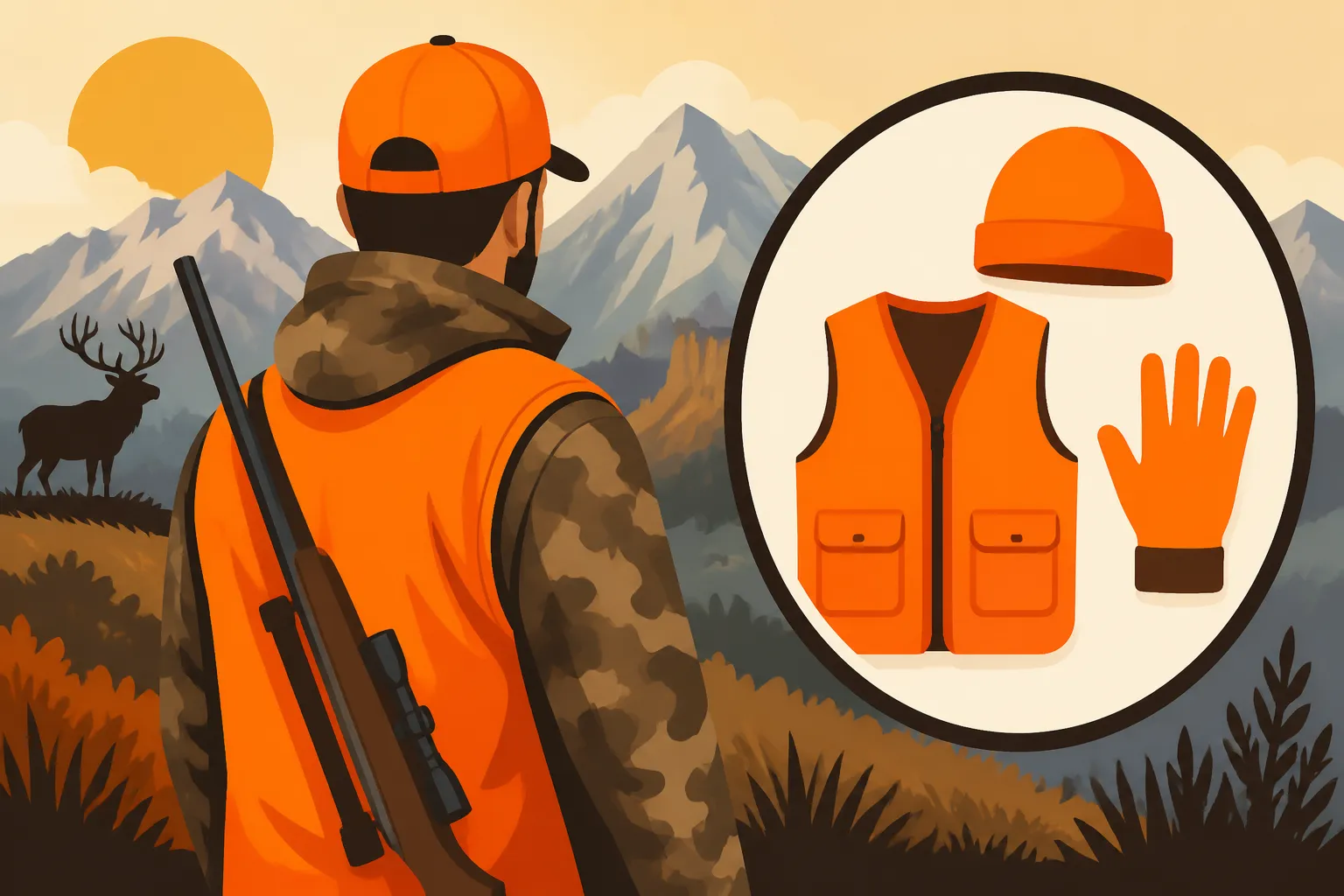
The core of Wyoming's blaze orange rule is pretty straightforward: if you're hunting big game or even just accompanying a big game hunter during any season when the discharge of firearms is allowed, you must wear at least one exterior garment of fluorescent orange. This isn't just a suggestion; it's a legal mandate. It applies to everyone in the hunting party who is participating in or assisting with a big game hunt during a firearm-open season. Think about it—you could be glassing for elk with a buddy who's carrying a rifle, and even if you yourself aren't armed, you're still part of that firearm-permitted activity. This means a hat, vest, jacket, or even a backpack cover can fulfill the requirement, as long as it's conspicuously visible from all angles. The emphasis is on exterior and conspicuous, meaning it shouldn't be covered by a pack or another layer of clothing. This simple rule is a powerful tool in minimizing risk when multiple hunters are sharing the same landscape.
Specifics for Wyoming's Rifle Seasons
When we talk about "rifle season" in Wyoming, we're generally referring to the periods designated for hunting big game like elk, deer, and antelope with firearms. This is where the blaze orange requirement is most strictly enforced and where clarity becomes paramount. The key phrase here, as mentioned, is "when the discharge of firearms is allowed." This means that even if you're holding an archery tag for an area, but the general rifle season for big game is also open in that same unit, you're expected to wear blaze orange. This often catches bowhunters off guard, especially those used to states where archery-only seasons explicitly exempt them from orange requirements. Wyoming prioritizes visibility when any firearms are in use for big game. So, always check the specific season dates for your chosen hunt area. What Wyoming Elk Season Dates Are Set Hunt Area by Hunt Area can give you a clear picture of when rifle seasons are active, which will directly impact your blaze orange needs.
For most big game species, the general rifle seasons typically kick off in the fall, usually stretching from late September or early October through November, depending on the hunt area and species. For instance, a deer rifle season might open October 1st, while an elk rifle season in a different unit could open later. During these times, any person hunting or accompanying a hunter for elk, mule deer, whitetail deer, pronghorn, moose, bighorn sheep, or bison with a legal firearm must have that visible fluorescent orange garment. This applies whether you're still-hunting through timber, sitting a waterhole, or on a long-distance stalk across the plains. There's no exception for private land either; if you're hunting big game during a firearm season on deeded ground, the rule still applies. Even if you're hunting for smaller game, such as coyotes or upland birds, and you're in an area and during a time when a big game rifle season is open, it's a wise, and often legally required, practice to wear blaze orange.
Here's a quick look at how general rules might apply:
| Hunting Activity | Firearm Season Open? | Blaze Orange Required? | Notes |
|---|---|---|---|
| Big Game Hunting (Rifle) | Yes | Yes | Applies to hunter and any accompanying assistants. |
| Big Game Hunting (Archery) | Yes | Yes | If a firearm season for any big game is open in the same unit. |
| Big Game Hunting (Archery) | No | No | During a true archery-only season with no firearm overlap. |
| Small Game/Predator Hunting | Yes | Recommended / Yes | Highly recommended for safety; legally required if "accompanying big game" |
| Non-hunting activities (hiking, photography) | Yes | Highly Recommended | Not legally required, but a smart safety practice in hunting areas. |
It's important to differentiate this from species like black bear or mountain lion, which often have their own specific regulations and can be hunted during different times, sometimes outside of the primary big game firearm seasons. When you're looking at your specific hunting plan, always cross-reference the season dates for your target species with the general firearm seasons in that unit to avoid any surprises. Tools like GoHunt can be invaluable for cross-referencing these dates and understanding the intricacies of specific hunt areas, ensuring you're compliant with all regulations before you even leave home. This E-Scouting a Unit Before the Season Opens can really save you a headache later on.
Exceptions, Overlaps, and Common Misconceptions
While Wyoming's blaze orange rule is pretty broad during rifle seasons, there are nuances that hunters often misunderstand. The biggest misconception, as mentioned, usually revolves around bowhunting. Many bowhunters assume that because they're using a "silent weapon," they're exempt from blaze orange, much like in other states. However, as long as any big game firearm season is open in the same hunt area, you need to wear it. So, if you're out during Wyoming's Statewide September Archery Deer Season, but an early rifle season for elk has also opened in your unit, you'll need that orange. This is a critical distinction that can lead to fines if ignored.
Another point of confusion can be the type of garment. While Wyoming regulations don't specify a minimum square inch requirement for blaze orange, they do emphasize "conspicuous manner" and "exterior garment." This means a small orange patch on a camouflage hat or jacket usually won't cut it. You need a dedicated piece of clothing—a vest, a full jacket, or a solid orange hat—that is clearly visible from all directions. The goal is to maximize your profile as a human. Some hunters worry that blaze orange spooks game. While deer, elk, and antelope do perceive color differently than humans, often seeing orange as a dull gray or yellow, their primary detection methods are scent and movement. A hunter wearing blaze orange who remains still and plays the wind effectively is far less likely to spook game than a camouflaged hunter who is moving carelessly or is upwind. It's often more about how you move and present yourself than the color itself. For more on how game react to movement, consider insights on How Close a Bowhunter Really Needs to Get.
There are some specific circumstances where blaze orange might not be required for big game hunting, but these are rare and highly specific. For example, if you are hunting in a designated "archery-only" hunt area or during a specific "archery-only" season segment where no firearms are allowed for big game whatsoever, then the blaze orange rule typically does not apply. However, these areas and seasons are usually clearly marked in the regulations, and it's your responsibility to confirm them. Always consult the current year's Wyoming Game and Fish Department regulations for the most accurate and up-to-date information for your specific hunt unit. Don't rely on old hand-me-down advice; regulations can and do change. Checking Wyoming Hunt Areas That Limit Your Weapon Choice will also illuminate these specific scenarios.
Practical Tips for Staying Safe and Legal
Beyond just knowing the rules, there are some practical steps you can take to ensure you're always safe and legal when it comes to blaze orange in Wyoming.
First, invest in quality gear. Look for vests, jackets, and hats made from durable, quiet materials that can withstand the rigors of a Wyoming hunt. Brands like Sitka Gear or Kuiu offer highly visible options designed with hunters in mind, often integrating blaze orange into functional, quiet outer layers. Ensure your blaze orange garment fits well over your other hunting layers without being too bulky or restrictive. If you're hiking into a remote area, having a lightweight, packable blaze orange vest is a must. Remember, durability isn't just about longevity; it's about not tearing or snagging in dense brush, which could reduce your visible surface area.
Secondly, always carry an extra piece of blaze orange, like a spare vest or a hat. Gear can get lost, torn, or muddy. Having a backup ensures you're never caught unprepared. This is especially true on multi-day backcountry hunts where laundry isn't an option. Imagine being days into a hunt, taking a tumble, and ripping your only blaze orange vest. A small, lightweight backup can be a lifesaver, both legally and literally.
Consider your entire hunting setup. Your backpack can be an excellent place to integrate blaze orange, especially if it's a larger pack that might obscure a significant portion of your back. Many manufacturers offer pack covers in blaze orange, or you can simply drape a vest over it. The goal is 360-degree visibility. Think about where you will be most visible from different angles, whether you're climbing a ridge, descending into a draw, or sitting against a tree.
Finally, communicate with your hunting partners. Before you even head out, have a clear understanding of who is wearing what, and confirm everyone knows the regulations for the specific hunt area and season dates. This isn't just about individual compliance; it's about collective safety. A team that's all on the same page about safety protocols, including blaze orange, is a safer, more effective team. This is also a good time to review other safety aspects like Legal Shooting Hours and Vehicle Rules in Wyoming. When you're out there, periodically check that your orange is still conspicuous. A jacket can ride up, a hat can fall off, or a pack can shift, covering up what should be visible. A quick check throughout the day can prevent potential issues.
Disclaimer
Please note that hunting regulations, including those concerning blaze orange, can change. While every effort has been made to provide accurate and up-to-date information, it is the sole responsibility of the hunter to consult the official Wyoming Game and Fish Department regulations booklet for the current year before participating in any hunting activity. This guide is for informational purposes only and should not be considered legal advice.