Wyoming Hound Rules for Mountain Lion Hunting
Chasing mountain lions with hounds in Wyoming is an experience unlike any other, but let's be honest, navigating the myriad of rules and regulations can feel like trying to track a ghost in a blizzard. The sheer complexity of season dates, quota management, and specific requirements for using hounds can leave even seasoned hunters scratching their heads. This comprehensive guide is here to untangle that web, providing you with a clear roadmap to understanding Wyoming's specific rules for hunting mountain lions with hounds, so you can focus on the thrill of the chase and the beauty of the high country.
Understanding Wyoming's Hound Hunting Framework for Mountain Lions
Mountain lion hunting with hounds is a time-honored tradition in many western states, offering a unique and challenging experience. Wyoming, with its vast wild spaces and healthy mountain lion populations, provides ample opportunity for those dedicated to pursuing these elusive predators. However, unlike hunting deer or elk, the rules surrounding mountain lion hunting, especially with the aid of hounds, come with their own distinct set of guidelines that hunters absolutely must understand before heading afield. It’s not just about finding a lion; it’s about doing it legally and ethically.
Why Hounds Are Used for Mountain Lions
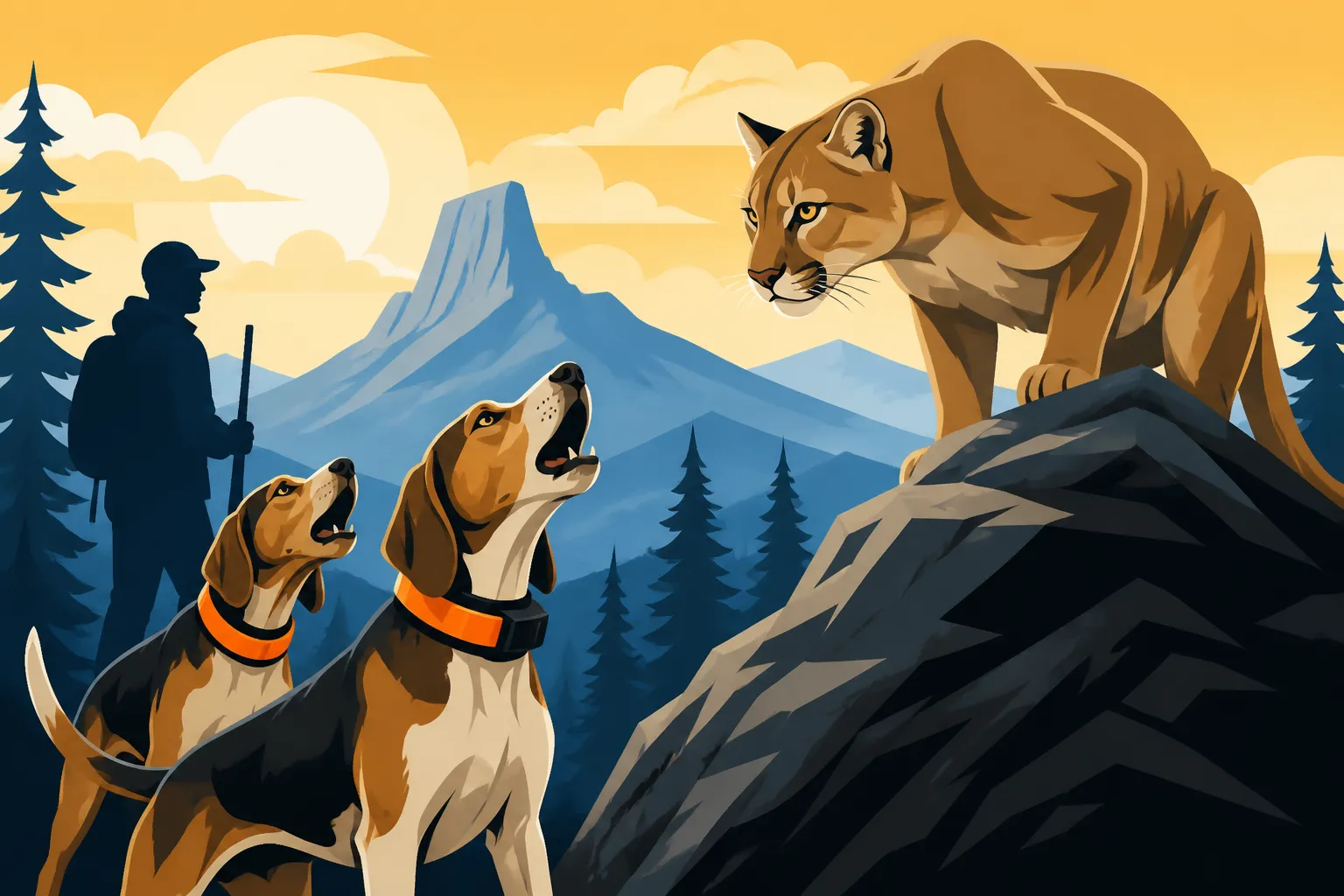
The very nature of mountain lions dictates the method of pursuit. These cats are incredibly stealthy, solitary, and masters of concealment, preferring dense cover, rugged cliffs, and remote canyonlands. Spot-and-stalk hunting for lions is incredibly difficult and rarely successful for most hunters. This is where a well-trained pack of hounds comes into play. Hounds possess an uncanny ability to pick up a cold trail, follow it through varying terrain, and eventually bay or tree a lion, allowing the hunter to approach for an ethical shot. The dogs don't kill the lion; they simply assist in locating and holding the animal, making it accessible to the hunter. It transforms the hunt from a game of chance into a dedicated tracking effort, often spanning miles and hours across incredibly difficult country. This method is not for the faint of heart, requiring both physical stamina and a deep understanding of dog behavior and lion ecology.
General Licensing and Season Structure
Before you even dream of hearing the bay of a hound on a fresh lion track, you've got to have your ducks in a row with licensing and season dates. To hunt mountain lions in Wyoming, you'll need a valid Wyoming hunting license and a specific mountain lion license. These aren't over-the-counter tags you can just pick up anytime. Mountain lion licenses are part of a controlled draw, much like other big game species, though the specific application deadlines might differ. It's crucial to consult the current year's Wyoming Game and Fish Department (WGFD) regulations booklet or their website to confirm the exact application periods. For those applying from out of state, the Wyoming Nonresident Tags Run $326 to $1,965 for various species, so be sure to check the specific cost for a mountain lion tag.
Seasons for mountain lions in Wyoming are generally long, running through a significant portion of fall and winter, which aligns with the best conditions for hound hunting (snow cover makes tracking easier). However, these seasons are not set in stone for the entire state. Wyoming is divided into numerous hunt areas, often referred to as "Lion Management Units" or LMUs, and each unit has its own specific season dates, bag limits, and, most critically, quotas. These quotas can include overall harvest limits, as well as separate limits for female lions. Once a specific quota is met for a particular LMU, the season for that area closes immediately, regardless of the published end date. This dynamic nature means hunters must constantly monitor the WGFD's quota hotlines or online resources to ensure their chosen hunt area is still open. You can often find detailed information on these specific units and their past success rates through resources like GoHunt, which many hunters use to plan their applications and hunts.
Key Regulations for Using Hounds on Mountain Lions
Using hounds introduces a layer of specific regulations that don't apply to general hunting. These rules are designed to ensure fair chase, ethical treatment of animals, and public safety, all while allowing for effective predator management. Deviating from these rules can lead to severe penalties, including fines, license revocation, and even criminal charges. It's not enough to simply know that you can use hounds; you need to know how to use them legally.
Specific Hound Rules and Limitations
Wyoming is very clear on its rules concerning Hound Hunting for Mountain Lions. First and foremost, all dogs used for hunting mountain lions must be specifically trained for that purpose. You can't just take your family pet out to chase a lion. There are no statewide limitations on the number of hounds you can use, but responsible hunters typically run a pack sized appropriately for the terrain and the job at hand – usually somewhere between four and eight dogs. The dogs must be under the control of the hunter at all times, meaning they should be responding to commands and not harassing other wildlife indiscriminately. It's critical to understand that dogs cannot be allowed to pursue or harass any animal other than a mountain lion. If your dogs accidentally jump a deer or an elk, you must call them off immediately. This is not only a legal requirement but also a matter of ethical hunting and respecting other species.
Furthermore, hunters must be careful not to engage in "canned hunts" or unfair chase situations. This means you cannot release hounds directly onto a lion that has been cornered or contained by artificial means. The hunt must begin with tracking a free-ranging animal. The use of electronic tracking collars on your dogs is universally accepted and, frankly, essential for retrieving your valuable hounds after a long chase. These devices, which allow you to track your dog's location via GPS, are invaluable when your dogs are miles away, deep in rugged terrain, hot on a lion's trail.
Permitted Equipment and Methods
Beyond the hounds themselves, certain other equipment and methods are explicitly permitted or prohibited. For the hunter, the What Wyoming Counts as a Legal Firearm for Big Game will apply when it comes to dispatching the lion once it's treed or bayed. This typically means a rifle, handgun, or archery equipment meeting minimum caliber or draw weight requirements. Shotguns are generally not permitted for big game in Wyoming. You need to verify the specific legal firearm requirements in the regulations to ensure your chosen weapon is compliant. For instance, the minimum handgun caliber is typically .40 caliber, and rifles must meet certain energy standards.
When it comes to tracking aids, in addition to GPS collars for dogs, handheld GPS units, maps, and satellite communication devices are perfectly legal and highly recommended for navigating the often remote and cell-service-free areas where lions reside. However, electronic calls used to attract lions are generally not legal for hunting big game in Wyoming, including mountain lions, as per the rules on Electronic Calls and What Wyoming Allows. Your hounds are your "call," so to speak. Artificial lights, except for headlamps used for navigation or processing after legal shooting hours, are also typically prohibited for hunting purposes, aligning with Wyoming Spotlighting Rules for Hunting Predators, which generally restrict artificial light use for hunting big game. Remember, Legal Shooting Hours and Vehicle Rules in Wyoming also apply to mountain lions, meaning you can't hunt before civil twilight or after civil dusk.
Quota Management and Reporting Requirements
This is arguably the most critical and dynamic aspect of hound hunting for mountain lions in Wyoming. As mentioned, each LMU has a quota for both male and female lions, and once that quota is met, the season for that specific unit closes immediately. This means a unit could open on September 1st and close by September 15th if enough lions are harvested quickly, or it could remain open well into winter. The WGFD maintains a constantly updated list of open and closed units, often through a dedicated hotline and their website. Hunters are legally obligated to check the status of their hunt area before heading out each day. It’s not a suggestion; it’s a rule that could literally determine the legality of your harvest.
Once a mountain lion is harvested, the reporting requirements are swift and stringent. Hunters must immediately tag their downed animal, adhering to the How Soon You Must Tag a Downed Animal guidelines. More importantly, the harvest must be reported to the WGFD within a very short timeframe, usually 24 to 48 hours. This typically involves contacting a game warden or regional office and physically presenting the skull and hide for inspection and "sealing." The sealing process involves the WGFD attaching a CITES tag to the hide, which is crucial for legal possession and transport. Without this tag, your lion hide is essentially illegal. This strict reporting mechanism is how the WGFD monitors quotas and manages the population effectively. Neglecting these reporting steps is a serious offense and can result in significant legal trouble.
| Stage of Hunt | Key Regulation/Consideration | Legal Requirement/Action |
|---|---|---|
| Pre-Season | Researching Hunt Areas & Quotas | Obtain appropriate licenses; check Wyoming Mountain Lion Quota Areas regularly. |
| Tracking/Pursuit | Use of Trained Hounds Only; No Harassment of Other Wildlife | Hounds must be under control; call off dogs if they pursue non-target species. |
| Treeding/Baying | Ethical Engagement; Fair Chase | Ensure a safe, ethical shot; confirm target species (no grizzlies!). |
| Harvest | Immediate Tagging; Legal Weapon Use | Immediately affix tag; weapon must meet minimum caliber/draw weight. |
| Post-Harvest | Rapid Reporting to WGFD; CITES Tagging & Inspection | Report kill within 24-48 hours; present skull & hide for sealing. |
| Transport | Evidence of Sex | Maintain evidence of sex on carcass until processing is complete. |
Practical Considerations for Hound Hunting in Wyoming
Beyond the black-and-white regulations, there are significant practical realities that hound hunters face in Wyoming. This isn't a casual weekend outing; it's a demanding endeavor that requires preparation, physical fitness, and often, professional assistance. The success of your hunt can hinge as much on your logistics and planning as it does on the dogs themselves.
Choosing an Outfitter or Guide
For many, especially non-residents, pursuing mountain lions with hounds in Wyoming often means hiring a professional outfitter or guide. There are a few compelling reasons for this. First, acquiring and training a pack of hounds is a massive undertaking, requiring years of dedication and specialized knowledge. Few individual hunters possess the resources or expertise to do this on their own. Second, many of the prime mountain lion territories, particularly in designated wilderness areas, fall under specific non-resident guide requirements. The Wyoming's Wilderness Guide Law for Nonresidents often dictates that non-residents must employ a licensed Wyoming guide when hunting big game, including mountain lions, within these wilderness boundaries. This rule exists for safety, conservation, and to support the local guiding economy.
A reputable outfitter brings not only the trained hounds and their expertise in tracking but also invaluable knowledge of the local terrain, lion behavior, and the ever-changing quota situation in different Wyoming Mountain Lion Quota Areas. They understand the Wyoming Mountain Lion Season and Quota Closures as they happen and can pivot plans accordingly. When researching outfitters, look for those with a strong track record, positive references, and full licensing through the Wyoming Board of Outfitters. Resources like GoHunt often feature directories and reviews of reputable outfitters, giving you a starting point for your research. Don't be afraid to ask lots of questions about their experience, their hounds, their success rates, and what's included in their hunt package. Expect a fully guided mountain lion hunt to be a significant investment, often ranging from several thousand dollars and up.
Terrain and Logistics for Hound Hunting
Wyoming's landscape is as diverse as it is rugged, and mountain lions call some of its toughest country home. You'll be chasing dogs through dense timber, across rocky slopes, over steep canyons, and often at high altitudes. This isn't a flat-land hunt. Physical conditioning is paramount for both the hunter and the dogs. You need to be prepared for long days, often covering many miles on foot, ascending and descending challenging terrain. It's a true test of endurance.
Logistically, transportation is key. Outfitters often use 4×4 vehicles, ATVs, or snowmobiles to access trailheads, but once the dogs are on a track, it's typically a foot race. Communication in these remote areas is also vital. Cell service is spotty at best, so satellite communicators are a must for safety and coordination. Hunters must also be prepared for rapidly changing weather conditions, especially during the fall and winter seasons. Snow, ice, and biting winds are common, and appropriate clothing and gear are essential. Because of the demanding nature of the hunt and the need for immediate reporting, successful Mountain Lion Harvest Reporting Requirements often depend on efficient field dressing and packing out the animal, which is another area where an experienced guide's knowledge is invaluable.
Seasonality and Success Rates
While mountain lion seasons in Wyoming can be quite long, running from early fall well into winter, the best time for hound hunting is often when there's snow on the ground. Snow cover makes it much easier for the dogs to pick up and follow a track, improving the chances of a successful chase. Cold, dry conditions can also be good. The middle of winter, with reliable snow cover, is a prime time, but also the most physically demanding due to extreme cold.
Success rates for mountain lion hunting can vary widely depending on the unit, weather conditions, the quality of the hounds, and the hunter's physical ability. While outfitters often boast high success rates, it's important to understand that "success" might mean treed a lion, not necessarily harvested one. The decision to take a shot, especially on a female, must be made carefully within the quota limits. Before you apply or book, thoroughly research Wyoming Mountain Lion Quota Areas and historical success data for specific units. This will give you a realistic expectation of what your hunt might entail. A good outfitter will be transparent about their success rates and the challenges involved in mountain lion hunting.
Ensuring Ethical and Legal Compliance
Being a responsible hunter means more than just following the letter of the law; it means upholding the spirit of ethical hunting. This is especially true when pursuing a predator as magnificent and challenging as a mountain lion with hounds. Your actions reflect on all hunters, and careful consideration of ethics, as well as strict adherence to legal mandates, is paramount.
Avoiding Conflicts with Other Wildlife
One of the most important ethical and legal considerations when hound hunting for mountain lions is to avoid conflicts with other wildlife. Your hounds are trained for mountain lions, but scent can carry, and accidents happen. If your dogs inadvertently tree or pursue other big game, such as deer, elk, or bear, it is your responsibility to call them off immediately and retrieve them. Harassing or injuring non-target species is illegal and unethical. This is why having well-trained dogs that respond to commands is crucial, even when they're on a hot track. Furthermore, in areas where grizzly bears are present, extreme caution must be exercised. Misidentifying a bear as a lion, or having hounds engage with a grizzly, can be incredibly dangerous for both the dogs and the hunters. Always ensure you are targeting a mountain lion and not another protected species. Be aware of your surroundings, and in prime big game areas, consider whether a hound hunt might unnecessarily disturb other animals.
Proof of Sex and Carcass Requirements
Wyoming has clear rules about what parts of a harvested animal must be retained and presented for inspection, especially for species like mountain lions where quotas are sex-specific. The Wyoming Mountain Lion Pelt Sealing Requirement dictates that the skull and hide must be presented intact for sealing. This allows WGFD personnel to accurately identify the sex of the animal, confirm its age, and collect important biological data. You cannot extensively process or skull cap the animal before it is sealed. Typically, evidence of sex must remain naturally attached to the carcass, or in this case, the hide, until it has been inspected and sealed. Failure to do so can make your harvest illegal.
Moreover, the principles of The Bear Meat Salvage Requirement Explained and general wanton waste rules apply to mountain lions, meaning you must make reasonable efforts to retrieve all edible portions of game meat. While mountain lion meat isn't as commonly consumed as venison or elk, it is edible, and responsible hunters are expected to salvage it. This includes properly field dressing the animal, packing out the meat, and ensuring no usable portion is left to waste. Discuss these requirements with your outfitter beforehand to understand the logistics of salvaging the meat from a lion taken in a remote area. Proper handling ensures the integrity of the hunt and respects the animal.
Disclaimer
Please remember that hunting regulations, quotas, and season dates are subject to change. Always consult the most current Wyoming Game and Fish Department regulations before planning or undertaking any hunting activity. This guide is for informational purposes only and does not supersede official state regulations.