Bird Dog Rules for Upland Game Hunting
Navigating the specific regulations for hunting with a dog in a new state, or even a familiar one like Wyoming, can feel like a maze, leaving many passionate upland hunters scratching their heads. You want to make sure your prized bird dog is a legal and effective partner in the field, not an accidental liability. This guide aims to clear up all that confusion, offering a comprehensive look at Wyoming's bird dog rules for upland game hunting, ensuring you and your canine companion can enjoy the vast wild places responsibly and successfully.
Understanding Wyoming's General Dog Hunting Regulations
Wyoming offers incredible hunting opportunities, but like any state, it comes with a distinct set of rules, especially when it involves hunting with dogs. The key distinction often lies in the species you're pursuing and the specific season. It's not a one-size-fits-all approach, and a misunderstanding can quickly turn a memorable hunt into a frustrating encounter with a game warden.
Distinguishing Between Species and Seasons
The most critical thing to understand is that Wyoming makes a very clear separation between hunting big game animals and hunting upland birds or small game when it comes to dog use. For the vast majority of big game species—think elk, deer, moose, bighorn sheep, and pronghorn—using a dog to pursue, harass, or take an animal is strictly prohibited. This is a foundational rule in Western hunting, designed to prevent unethical practices and give big game a fair chase. There are very limited exceptions, such as using dogs for specific predator control efforts (like mountain lions or bears in certain areas and seasons, often requiring a licensed outfitter and specific permits), but these are highly regulated and don't apply to the average hunter.
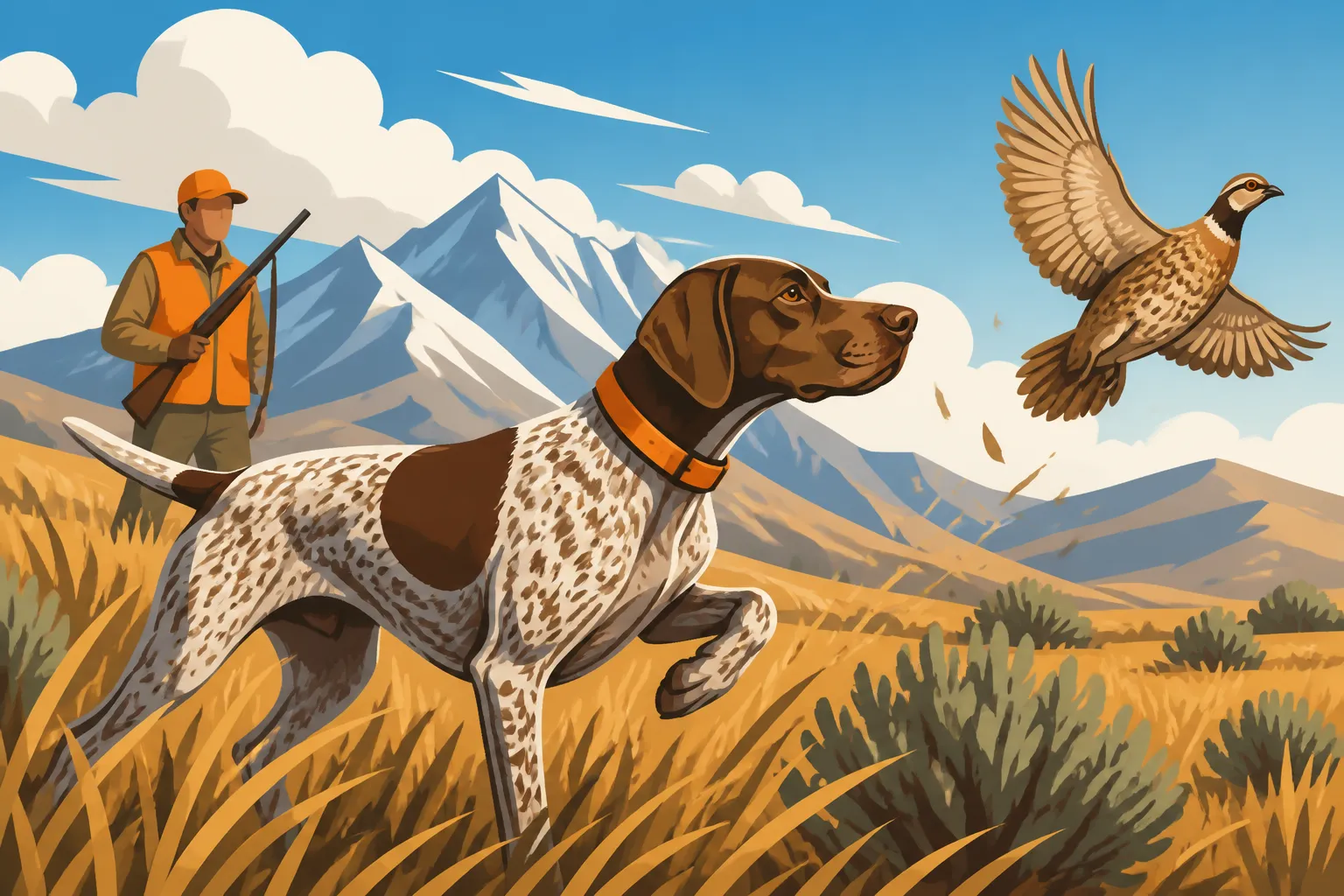
Upland game birds, however, are a different story entirely. Species like pheasants, various grouse species (sharp-tailed, sage, blue, ruffed), partridge (chukar, Hungarian), and quail are fair game for dog-assisted hunting. In fact, many upland hunters would argue that a well-trained bird dog is not just an asset, but an essential part of the experience, enhancing both effectiveness and enjoyment. These dogs are specifically bred and trained to locate, flush, and retrieve birds, and their use is not only permitted but encouraged as a traditional and effective method. It’s also important to note that while turkeys are considered upland birds, using a dog to hunt them is generally not allowed in Wyoming, particularly during the spring gobbler seasons. Always check the specific regulations for your chosen species and hunt area before heading out. For general information, you can always consult Wyoming's Turkey Hunting Units Explained.
Public vs. Private Land Considerations
Wyoming boasts an incredible amount of public land, from vast expanses of BLM ground to the rugged peaks of the National Forests. When you’re hunting on these public parcels, the state’s general regulations apply directly. This means if you're chasing sage grouse across open sagebrush flats on Bureau of Land Management (BLM) land or flushing ruffed grouse in a national forest, your bird dog is typically welcome, provided they are under your control and not harassing other wildlife or disturbing other public land users. It’s always a good idea to ensure your dog is well-behaved, responding to commands, and not running rampant, even if they're technically allowed. Remember that other users, like hikers, mountain bikers, or even other hunters, might be in the area, and a loose dog can create conflicts.
When it comes to private land, the rules shift slightly. While state regulations still form the baseline for what's legal regarding dog use, the landowner's permission and specific stipulations become paramount. You might have permission to hunt pheasants on a particular ranch, but the landowner could have rules about where your dog can go, whether they need to be leashed in certain areas, or even if dogs are allowed at all, especially if there's livestock present. Always clarify these details before you step foot on private property. Many landowners are happy to accommodate bird hunters with dogs, but they expect respect for their property and their livestock. Programs like Access Yes Opens Private Wyoming Ground to Public Hunters are fantastic for finding accessible private ground, but even then, reviewing the specific rules for each Access Yes area is crucial.
Specific Rules for Bird Dogs in Upland Game Hunting
Understanding the broad strokes is one thing, but getting into the nitty-gritty of what’s allowed and what’s not when your bird dog is actually in the field is where many hunters need clarification. Wyoming's game and fish regulations are designed to ensure fair chase, promote ethical hunting, and minimize conflicts, all while recognizing the valuable role of a well-trained bird dog.
Training and Hunting: What's Allowed
Wyoming differentiates between training your dog and actively hunting with them. During the closed season for upland birds, you can generally train your bird dog, which often involves working them on retrieving dummies, scent work, or honing their pointing and flushing skills. However, these training activities must not involve the actual pursuit or taking of wild game birds out of season. Some states allow the use of pen-raised birds for training, but you need to be acutely aware of local ordinances and state regulations regarding this. The goal of out-of-season training is to prepare your dog for the actual hunting season, not to circumvent it.
When the upland bird seasons are open, your bird dog becomes a legitimate hunting tool. They are allowed to locate, flush, and retrieve legally harvested game birds. This means your pointer can lock up on a covey of quail, your flusher can bust a pheasant from cover, and your retriever can bring back a downed bird. This is where the partnership truly shines, and it’s why so many hunters dedicate countless hours to training. The dog’s primary role is to assist in finding and recovering birds, which also plays a crucial role in preventing wanton waste. For specifics on species and locations, checking resources like Where to Find Sharp-Tailed Grouse in Wyoming or Chukar Country Along Wyoming's Rough Breaks can help you plan your hunt with your dog in mind.
Licensing and Collars
When it comes to your dog themselves, Wyoming doesn't have a specific state hunting license requirement for the dog. However, all standard county and city ordinances regarding dog licensing, identification tags, and rabies vaccinations still apply. If you're traveling from out of state, ensure your dog's vaccination records are up to date and readily available. Having an ID tag with your contact information on your dog at all times is just plain common sense and a critical safety measure should your dog get lost in the vast Wyoming landscape.
Electronic collars, including e-collars for training and GPS tracking collars, are generally permitted for upland bird hunting in Wyoming. These tools are invaluable for maintaining control over your dog, especially in open country where they might range far, and for quickly locating them if they get out of sight. The legality often comes down to how they are used. An e-collar used to correct a dog's behavior or reinforce commands is acceptable. However, using any electronic device to directly assist in the taking of game, beyond what a traditional dog does (i.e., not a device that guides the dog to a bird in a way that provides an unfair advantage over the game), would likely be illegal. For bird dogs, electronic collars are typically viewed as aids to control and communication, which is perfectly fine. Many hunters rely on brands like Garmin and SportDOG for their reliability in the field.
Prohibited Activities and Concerns
While bird dogs are largely welcome in the upland fields, there are definitive "don'ts" you need to be aware of. First and foremost, as mentioned, your bird dog should never be used to pursue or harass big game animals. If your pointer suddenly locks up on a mule deer fawn, you must call them off immediately. Allowing a dog to chase deer, elk, or pronghorn can result in citations and can be incredibly stressful for the animals, especially during harsh winters or calving season. The rules on hunting from a vehicle are also very clear, and these generally extend to deploying dogs from a vehicle as a primary method of pursuit.
Another major concern, particularly in a state like Wyoming, is the presence of livestock. Your bird dog must be under sufficient control to avoid harassing or injuring cattle, sheep, or horses. A rancher has every right to protect their livestock, and a loose dog chasing their herd could lead to serious consequences, even on public lands grazed by private livestock. Be mindful of critical wildlife habitat closures, especially during winter months, where dogs might be restricted to protect stressed animals. Furthermore, with chronic wasting disease (CWD) being a persistent concern, be aware of any carcass transport or handling regulations that might affect how you manage your dog around harvested game, though direct dog transmission is not a primary concern. The general rule of thumb is: if you wouldn't do it, your dog shouldn't either.
Practical Tips for Hunting Upland Game with Your Dog in Wyoming
Hunting upland game in Wyoming can be a truly rewarding experience, especially with a well-prepared bird dog by your side. The state's diverse landscapes, from high desert sagebrush to mountain timber, offer varied challenges and opportunities. Being prepared is key for both you and your canine hunting partner.
Preparing Your Dog for Wyoming's Terrain
Wyoming's terrain is notoriously diverse and often unforgiving. One moment you might be in tall grass along a river bottom looking for pheasants, and the next you're scrambling over rocky outcrops chasing chukars. This means your dog's physical conditioning is paramount. They need to be in excellent shape to endure long days of running, pointing, and retrieving. Start their conditioning program well before the season opens, gradually increasing their exercise to build stamina and muscle.
Paw protection is another critical aspect. Sharp rocks, abrasive sagebrush, and frozen ground can quickly injure unprotected paws. Consider using dog boots, especially for multiple-day hunts or particularly rough terrain. Even if you don't use them constantly, having them on hand for emergencies can save a hunt. Hydration is also a constant battle in Wyoming's arid environment. Always carry ample water for your dog and offer it frequently. Heatstroke can be a real danger, especially during early season hunts in warmer valleys. Conversely, be mindful of extreme cold later in the season. A dog vest can offer both protection from brush and warmth in colder conditions. For insight into specific bird habitats, look into articles like Sage Grouse, Pheasant and Wyoming's Bird Country or The Pheasant Bag Limit Explained to better understand what your dog will face.
Navigating Different Upland Species and Their Habitats
Wyoming is home to a fantastic array of upland birds, and each species often prefers specific habitats, which in turn influences how you hunt them with your dog. For instance, pheasants are typically found in dense cover along agricultural fields and river bottoms, areas that might require a dog with a strong nose and a powerful flush. The North Platte River valley is a prime example of such habitat. Sharp-tailed grouse and sage grouse prefer the vast expanses of sagebrush country, demanding a dog that can cover a lot of ground and respond to long-distance commands. Blue and ruffed grouse, on the other hand, dwell in the mountainous timbered areas, where a closer-working dog might be more effective.
Understanding these habitat preferences, which can be found in resources like Where Wyoming Releases Pheasants Each Fall or Blue and Ruffed Grouse in Wyoming's Mountains, allows you to tailor your dog’s handling. Some dogs excel at close-quarters flushing in heavy cover, while others are better suited for wide-ranging searches in open country. Adjusting your pace, line, and the commands you give based on the terrain and target species will make both you and your dog more successful and prevent unnecessary fatigue or frustration.
Safety Considerations in the Field
Hunting with a dog adds another layer of responsibility to your safety planning. Beyond the usual precautions for yourself, you need to consider your dog's well-being and how they might interact with the environment and other living things. Keep your dog within a reasonable range and ensure they are clearly visible, perhaps with a bright orange vest, especially during rifle seasons when other hunters might be out. While blaze orange is not required for archers, it's a good idea for your dog. For more on hunter safety rules, refer to Is Blaze Orange Required for Archery Hunting?
Wildlife encounters are always a possibility. Rattlesnakes are prevalent in many upland bird habitats, especially in warmer months. Knowing how to identify and avoid them, and perhaps even investing in rattlesnake aversion training for your dog, can be a lifesaver. Porcupines are also common and can inflict painful, dangerous quills. While less likely in typical upland terrain, larger predators like bears and mountain lions exist in Wyoming, and while your dog might alert you, they can also attract unwanted attention. Always be aware of your surroundings. Finally, be considerate of other hunters and outdoor enthusiasts. A well-behaved dog reflects positively on all hunters. Maintaining control and cleaning up after your dog helps preserve access and promotes a good image of hunters who bring their dogs to the field.
Disclaimer
Please note that this information is intended as a general guide and is not a substitute for the official Wyoming Game and Fish Department regulations. Hunting laws can change, and specific rules may apply to certain hunt areas or species. Always consult the most current official Wyoming hunting regulations booklet before planning any hunting trip.