Wyoming’s Reduced-Price Antlerless Options
It's no secret that drawing a coveted Wyoming big game tag can feel like winning the lottery, especially for those hoping to chase a trophy bull elk or a giant mule deer. The wait times can stretch into years, even decades, and the costs for nonresidents can be substantial. But what if I told you there’s a more accessible, often overlooked, pathway to experiencing the incredible hunting opportunities Wyoming offers? This guide is all about diving deep into Wyoming's reduced-price antlerless options, breaking down how these tags work, why they exist, and how you can leverage them to get into the field sooner, fill your freezer, and build valuable experience.
Why Reduced-Price Antlerless Tags Are a Game Changer
Many hunters focus solely on antlered or horned animals, chasing that iconic image of a big bull, buck, or ram. And while those hunts are incredible, they often come with high demand and steep odds. Reduced-price antlerless tags offer a pragmatic alternative that serves both the hunter and wildlife management.
Supporting Healthy Herd Management
Wyoming's wildlife managers work tirelessly to keep big game populations balanced with their habitat. Sometimes, populations grow beyond what the land can sustainably support, or they need to be managed in specific areas to prevent disease spread or agricultural damage. This is where antlerless tags become critical.
For example, on the elk feedgrounds in western Wyoming, managing cow elk numbers is paramount to slowing the spread of diseases like brucellosis and Chronic Wasting Disease (CWD). Providing abundant cow elk tags helps to achieve these management objectives, distributing harvest pressure and keeping herds healthier in the long run. Similarly, in areas with high deer or antelope populations, doe and fawn tags ensure that the herd doesn't overgraze its winter range, which can lead to larger die-offs in severe winters. These tags are a direct tool in the Game and Fish Department's toolbox to maintain ecological balance and ensure robust populations for future generations. It’s a win-win: hunters get an opportunity, and the herds get managed responsibly.
Making Wyoming Hunting More Accessible
Let's face it, hunting in Wyoming can be expensive, especially for nonresidents. The cost of a general elk license, for instance, can be a significant investment, not to mention the travel, gear, and time off work. Reduced-price antlerless tags dramatically lower the financial barrier to entry, making it feasible for more hunters to experience the state's incredible landscapes and abundant wildlife.
For a resident, a standard cow elk tag is already much more affordable than a bull tag, and for nonresidents, while still a significant sum, it's a fraction of the cost of a full-price bull or buck tag. This affordability extends to deer and antelope doe/fawn tags, which are often the least expensive big game licenses available. This means you might be able to afford a trip to Wyoming every few years for an antlerless hunt, building your skills and knowledge of the terrain, rather than waiting a decade or more for a premium tag. It also opens the door for youth hunters or those new to big game hunting to gain valuable experience without the pressure of a high-stakes trophy hunt. Many families find these tags ideal for filling the freezer without breaking the bank.
Boosting Your Chances to Draw a Tag
The preference point system in Wyoming can be a slow burn. If you're a nonresident chasing an elk or deer tag in a popular unit, you could be looking at years of accumulating points before you have a realistic shot. Antlerless tags, by their very nature, are designed to encourage harvest, which often translates to much better draw odds.
It's common to find general cow elk tags, doe deer tags, or doe antelope tags that can be drawn with zero or very few preference points, even for nonresidents. This is where GoHunt or the Wyoming Game & Fish draw odds reports become invaluable. You can meticulously research specific hunt areas and license types to identify those with high success rates for antlerless draws. This isn't just about getting a tag; it's about getting into the field. Every time you hunt, you learn. You learn the terrain, the animal behavior, the local weather patterns. These experiences are priceless and directly contribute to your success when you eventually draw that coveted trophy tag. Think of it as hands-on education in the vast classrooms of Wyoming’s public lands.
Unpacking Wyoming's Antlerless Tag System
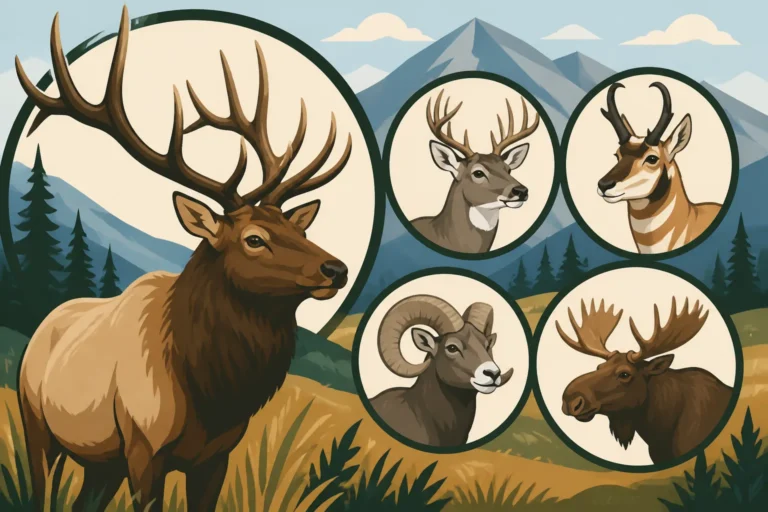
Wyoming doesn't just have one "antlerless" tag; it has several, each with different species, hunt areas, and objectives. Understanding the nuances of these licenses is key to applying successfully and knowing what to expect in the field.
Cow Elk Licenses: Filling the Freezer
For many, a cow elk hunt is the ultimate freezer filler. Elk meat is lean, delicious, and abundant, making a successful cow hunt incredibly rewarding. Wyoming offers several types of cow elk licenses, usually designated as Type 6, Type 7, Type 8, or Type 9.
These tags are often specific to certain hunt areas and sometimes have expanded seasons, opening earlier or running later than bull seasons to maximize harvest opportunities. For instance, you might find Type 6 licenses that allow for "any elk" during an archery season, but then switch to "antlerless only" for rifle season, or Type 9 licenses that are strictly antlerless and often run late into the year. The cost comparison can be striking: while a standard nonresident bull elk tag can run upwards of $1,200, a Type 6 or Type 9 cow tag might be significantly less. You can find more details on these costs by looking into specific license prices like What a Wyoming Cow Elk Tag Costs. These tags are especially prevalent in hunt areas experiencing high elk populations, often near agriculture or in units where elk congregate on winter range. Researching these specific hunt areas through the Wyoming Hunt Planner is crucial to understanding the season dates and specific limitations before you apply.
Doe Deer Licenses: Mule Deer and Whitetail Opportunities
Just like elk, deer herds in various regions of Wyoming can benefit from antlerless harvest, offering hunters doe deer tags. You'll typically find these as Type 8 or Type 9 licenses, explicitly for "doe or fawn." These are excellent opportunities for both mule deer and whitetail.
In areas where mule deer populations are strong, particularly in the central and southern parts of the state, doe tags can be a fantastic way to experience a western deer hunt. These tags also tend to have better draw odds than buck tags, allowing more hunters to get into the field. On the eastern side of the state, where whitetail deer dominate the river bottoms and agricultural areas, doe tags are abundant and can offer excellent hunting, often with longer seasons. Pricing for these tags, such as Doe and Fawn Deer Tag Pricing in Wyoming, reflects their management purpose and increased availability compared to antlered buck tags. While not trophy hunts in the traditional sense, a successful doe deer hunt provides excellent table fare and a valuable hunting experience. These tags are also fantastic for introducing new hunters to the sport, as the pressure is often lower than on a trophy buck hunt.
Doe/Fawn Antelope Licenses: Speed and Accessibility
Antelope are known for their incredible speed and keen eyesight, making them a unique and exciting animal to hunt. Wyoming is home to the largest antelope population in the world, and consequently, doe/fawn antelope licenses are often the easiest big game tags to draw, even for nonresidents. These are commonly Type 6 or Type 7 licenses.
These tags are often available as a second or even third tag after drawing a buck antelope license, allowing hunters to fill their freezer while already in the field. They can also be drawn as standalone licenses for those primarily interested in the meat or a simpler hunting experience. The draw odds for doe/fawn antelope tags are incredibly favorable, with many units offering 100% success with zero preference points for residents and often excellent odds for nonresidents. This makes them a perfect choice for those just starting to build points or simply wanting to experience a Wyoming hunt without the long wait. For details on how these tags are explained, check out Doe and Fawn Antelope Licenses Explained. They are a budget-friendly way to enjoy an open-country hunt and are especially abundant in the expansive plains and sagebrush country of central and eastern Wyoming.
Navigating the Application Process for Reduced-Price Tags
Applying for any big game tag in Wyoming can feel a bit intimidating, but understanding the system and knowing where to look will make the process much smoother. Reduced-price antlerless tags often have their own unique quirks within the application system.
Mastering the Wyoming Game & Fish Online System
The Wyoming Game & Fish Department (WGFD) website is your primary resource for all things hunting applications. While it can seem dense at first, it's packed with crucial information, including regulations, hunt area maps, season dates, and drawing odds. You'll need to create an account through their Electronic Licensing System (ELS) to apply.
When looking for reduced-price antlerless tags, pay close attention to the "License Type" (e.g., Type 6, 7, 8, 9) and "Hunt Area" information within the annual regulations. The WGFD website also publishes past drawing odds, which are absolutely vital for strategizing your application. You can filter these odds by species, resident/nonresident status, and license type to see how many points it historically takes to draw a specific antlerless tag. For those who like a more streamlined interface, tools like GoHunt consolidate this data into user-friendly platforms, often providing additional insights and predictions that can help you refine your choices. Don't be afraid to spend time exploring the WGFD site; it's a treasure trove of information that will directly impact your success.
Understanding Deadlines and Draw Mechanics
Missing a deadline in Wyoming means waiting another year, and nobody wants that! The primary application deadlines for big game are usually in the spring and early summer. Elk applications typically close in early February, while deer and antelope applications usually close around June 1st, as detailed in Wyoming Deer and Antelope Applications Close June 1.
Wyoming uses a preference point system for most species, combined with a random draw. For deer and antelope, a significant portion of tags are allocated via a 75/25 split, where 75% go to the highest point holders and 25% are drawn randomly. For Wyoming's 75/25 Draw Split Explained, it means even if you have zero points, you still have a small chance in the random pool. Reduced-price antlerless tags often have higher odds in both pools because fewer hunters are typically applying for them compared to trophy bull or buck tags. For example, some doe antelope units might have 100% draw odds for residents and even high non-resident odds with zero points, making them a great way to guarantee a hunt. Even if you're primarily accumulating points for a trophy tag, applying for an antlerless tag in a separate species (if available and you have funds) or even applying for a reduced-price tag as a second choice can increase your odds of drawing something to hunt that year.
Strategic Research for Higher Odds
Choosing the right hunt area for your antlerless tag is just as important as for a trophy tag. You want to maximize your chances of success both in the draw and in the field.
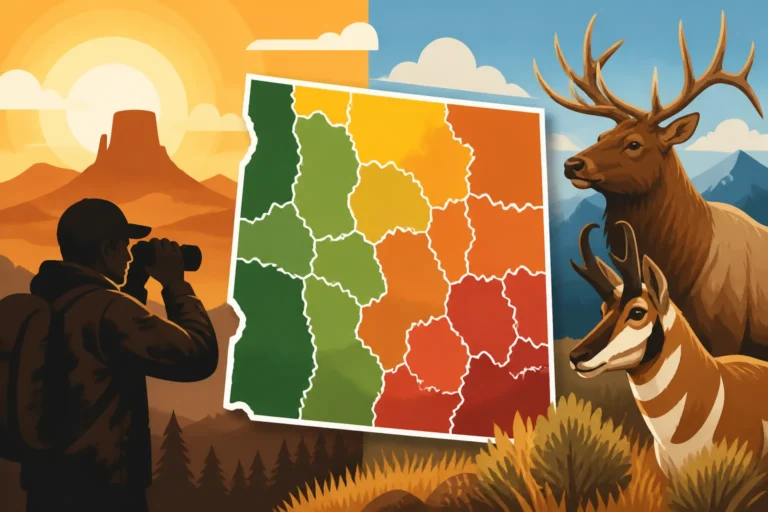
Start by looking at the WGFD draw odds reports and filtering for antlerless licenses. Pay attention to areas that consistently show high draw success with low or zero preference points. Remember to also look at the Wyoming Hunt Planner for details on public land access in those units. Some units might have high success rates but limited public access, making a DIY hunt challenging. This is where you might leverage tools like GoHunt to cross-reference draw odds with detailed public land maps, such as OnX Hunt. For example, if you're looking for Wyoming Antelope Odds With Zero Preference Points, you can often find numerous units that offer great opportunities. You might find certain units that are less popular due to their remoteness or lower trophy potential but offer excellent opportunities for an antlerless harvest. Don't be afraid to call the WGFD regional offices; the biologists and game wardens can offer invaluable insights into herd numbers and public land access in specific units.
Practicalities of Hunting Reduced-Price Antlerless Animals
Once you've drawn that coveted antlerless tag, the real work and fun begin. While the objective might be meat rather than antlers, the hunt itself demands the same respect, preparation, and ethical considerations as any other big game pursuit.
Scouting and Locating Antlerless Game
Just because you're hunting an antlerless animal doesn't mean you can skip scouting. In fact, understanding the behavior and preferred habitats of cow elk, doe deer, and doe antelope is crucial.
Cow elk often travel in larger herds than bulls and might be found in different terrain, especially during late seasons when they move to lower elevations or agricultural fields. They can be incredibly vocal, and learning to identify cow calls can be helpful. Doe deer, especially whitetails, will often stick to thick cover and river bottoms, while mule deer does might be found in more open sagebrush or timbered areas, often with their fawns. Antelope does are frequently found in large groups in wide-open country. Using tools like E-Scouting a Unit Before the Season Opens and studying aerial maps to identify water sources, escape cover, and feeding areas is vital. Pay attention to pinch points, saddles, and draws that animals might use for travel. While some antlerless hunts occur during the rut, many are post-rut or late season, when animals are focused purely on feeding and conserving energy. Observing animal patterns from a distance with optics can give you a significant advantage.
Ethical Harvest and Field Care
The ethical responsibility to make a clean kill and properly care for the meat applies universally, regardless of the animal's sex or antler size. A reduced-price tag is still a precious opportunity.
Always strive for a clean, ethical shot. Practice your shooting diligently before the season, knowing your effective range and limitations. When hunting antlerless animals, shot placement is key to minimizing suffering and ensuring good meat quality. Once an animal is down, the clock starts ticking, especially in warmer temperatures. Knowing how to Field Dressing and Carcass Transport Rules Explained is paramount. Quickly field dress the animal to cool the carcass, and if possible, quarter it and get it on ice or hung in a cool place. Wyoming requires hunters to salvage all edible portions of the meat, so proper care is not just ethical, it's legally mandated. Have a plan for meat processing and transportation before you leave home, especially if you're traveling from out of state.
Understanding Specific Regulations
Even for reduced-price antlerless tags, it’s critical to thoroughly understand the specific regulations for your hunt area and license type. These can vary significantly.
Pay close attention to season dates, legal shooting hours, and any weapon restrictions. For example, some archery-only seasons might have specific rules for broadheads, or certain hunt areas might have restrictions on What Wyoming Counts as a Legal Firearm for Big Game. While antlerless hunts are typically simpler in terms of animal identification, ensure you understand the boundaries of your specific hunt area. Wyoming Legal Shooting Hours for Big Game dictate when you can legally hunt from dawn to dusk. Always carry your license and conservation stamp, and be prepared to show proof of hunter education, especially if you were born after 1965, as covered in Anyone Born After 1965 Needs Wyoming Hunter Education. Reviewing the WGFD regulations booklet for your specific species and hunt area before your trip is a non-negotiable step.
A Comparative Look at Reduced-Price Antlerless Tags
To help illustrate the differences and opportunities, here's a quick comparison of typical reduced-price antlerless tags in Wyoming. Keep in mind these are general figures and can vary by hunt area and year.
| License Type | Species | Resident Price (Approx.) | Nonresident Price (Approx.) | Typical Draw Odds (Zero Points) | Primary Season |
|---|---|---|---|---|---|
| Type 6, 9 Elk | Cow Elk | $60 | $300 – $400 | Moderate to Good | Fall/Late Season |
| Type 8, 9 Deer | Doe Deer | $40 | $200 – $300 | Good to Excellent | Fall/Late Season |
| Type 6, 7 Antelope | Doe/Fawn | $30 | $100 – $200 | Excellent | Fall/Late Season |
Prices are approximate and subject to change by the Wyoming Game & Fish Department. Always check current regulations for exact fees and specific hunt area details.
This table highlights the accessibility these tags offer, especially for those looking to get into the field quickly and affordably. For many, drawing a doe antelope tag with zero points is a reality, providing a fantastic entry point into Wyoming big game hunting.
Disclaimer
Please remember that hunting regulations in Wyoming are subject to change. Always consult the most current Wyoming Game & Fish Department regulations, available on their official website, before planning or participating in any hunting activity. This guide is for informational purposes only and should not be considered a substitute for official legal advice or up-to-date regulations.