How Many Points It Takes to Draw Wyoming Elk
Oh, the elusive Wyoming elk tag! For so many of us, especially those dreaming of a hunt in the Cowboy State from afar, trying to decipher the draw system and figure out how many preference points it really takes can feel like staring at a complex math problem written in ancient hieroglyphics. You pour over the regulations, scan the draw odds, and still, that nagging question persists: "Do I have enough points, or am I just wasting my time and money?" This guide is here to unravel that mystery, offering a realistic look at the preference point system for Wyoming elk and helping you understand what it truly takes to finally hold that coveted tag in your hands.
Understanding Wyoming's Elk Draw System
Before we even dive into specific point numbers, it’s crucial to understand the foundation of Wyoming's draw system for species like elk. It's not a simple lottery where everyone has an equal shot; there are specific mechanisms in place that heavily favor those who've been building points. This system, while sometimes frustrating for newcomers, is designed to reward loyalty and patience.
The Preference Point Advantage
Think of a preference point as a golden ticket that improves your chances each year you apply unsuccessfully or choose to just buy a point. For nonresidents especially, these points are absolutely critical to drawing an elk tag in Wyoming. You earn one point per year when you apply for an elk license and are unsuccessful in the draw, or you can purchase a "point only" during a specific window if you decide not to apply for a tag that year. These points accumulate, and the more you have, the better your odds become in future draws. It's a system that values commitment.
These points are then factored into the draw, essentially giving you a higher position in line. It’s not a guarantee, but it certainly stacks the deck in your favor. If you're consistently unsuccessful, or simply planning for a future hunt, it's wise to start buying points as soon as you can. This annual investment is often the most critical step in eventually drawing a quality elk tag. Many hunters, even if they can't hunt every year, keep buying points to ensure they stay competitive for that dream hunt down the road. If you're just looking to start building, you can learn more about Buying Wyoming Preference Points Without Applying for a Tag.
The 75/25 Split and Its Impact
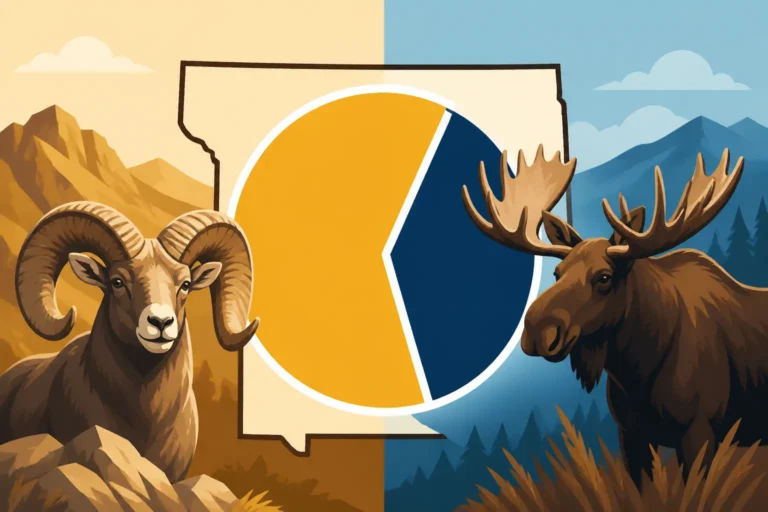
Wyoming's elk draw operates on a very specific allocation known as the 75/25 split for nonresidents. This means that 75% of the available nonresident elk tags in any given hunt area are awarded to applicants based on their preference point totals, with the highest point holders drawing first. The remaining 25% of tags are then allocated through a random draw, regardless of how many points an applicant has.
This split is incredibly important to understand. The vast majority of tags go to the patient hunters who've been accumulating points. If you have zero or very few points, your primary hope lies in that smaller 25% random draw. While it's certainly possible to draw a tag with few points through the random allocation – and it happens every year for some lucky hunters – it's akin to winning a small lottery. Your chances increase dramatically as you build points and get into that 75% allocation pool. This dual system, explained in detail in How Wyoming Splits Every Draw 75 Percent Points and 25 Percent Random, is what makes the preference point strategy so central to nonresident elk hunting in Wyoming.
Realistic Point Requirements for Nonresident Elk Tags
Now that we understand the mechanics, let's talk about the numbers. What does this actually mean for your draw odds, and how many points do you realistically need? The answer, as you might expect, isn't simple, as it varies wildly depending on the type of tag you're after and the specific hunt area.
General Tag vs. Limited Quota Units
First, we need to distinguish between a general elk tag and a limited quota tag. A general elk tag allows you to hunt in any of the designated general hunt areas across the state. These areas are typically more numerous and often have more public land. Drawing a general tag is generally the "easiest" elk tag to acquire for a nonresident, but even these aren't a guarantee with zero points anymore. Historically, you might have drawn a general tag with just a point or two, but with increasing demand, even these tags can take more. Currently, a nonresident typically needs 2-4 preference points to reliably draw a general elk license, though it can fluctuate.
Limited Quota Units, on the other hand, are specific hunt areas that have a set, limited number of tags issued each year. These are often the "trophy" units known for older age-class bulls, better success rates, or more accessible terrain. The demand for these tags is incredibly high, and consequently, the point requirements are significantly steeper. For some of the most sought-after limited quota units, a nonresident might need 10, 15, or even 20+ preference points to draw a bull tag. It's a long-term game for those dream hunts. This distinction is crucial, and you can learn more about where general tags work in Wyoming General Elk Licenses and Where They Work.
The "Special" Draw vs. Regular Draw
Wyoming offers two different application options for nonresidents: the "regular" draw and the "special" draw. The fundamental difference lies in the price of the license and, consequently, the number of applicants. A special license costs significantly more than a regular license. For example, a nonresident regular elk license might be around $700, while a special license could be over $1200.
Why would anyone pay more? Because fewer people are willing or able to afford the special license, which creates a smaller applicant pool. This smaller pool often translates to slightly better draw odds, meaning you might be able to draw a tag with a few less points in the special draw compared to the regular draw for the same unit. For hunters who are serious about drawing a tag and can absorb the higher cost, the special draw can be a strategic move to shorten their wait time. Is it worth the extra money? That's a personal decision, but for some, the improved odds make it a clear "yes." You can dive deeper into that question with Is the Wyoming Special Draw Worth the Money?.
Point Creep: The Ever-Increasing Hurdle
One of the most frustrating realities for hunters playing the preference point game is "point creep." This isn't some obscure phenomenon; it's the natural result of more hunters accumulating points each year than there are tags available. Essentially, the number of points required to draw a particular unit slowly but steadily increases over time. If a unit required 10 points last year, it might require 11 points this year, and 12 the next.
This means that simply matching last year's highest successful point total might not be enough to draw next year. You need to account for this creeping increase in demand. It necessitates a long-term strategy, often requiring hunters to accumulate more points than they initially anticipated. This phenomenon is particularly noticeable in high-demand units like those found in Point Creep in Wyoming's Region G or even the challenging terrain of Elk Point Creep in the Bighorn Mountains. Staying informed about current draw trends and understanding how many points are building up in the system is key to managing expectations and refining your application strategy. This is where tools like GoHunt's Insider platform become invaluable, as they help analyze historical data and predict future trends, giving you a clearer picture of how much point creep you might be facing.
Here's a quick overview of typical nonresident point ranges for elk in Wyoming:
| License Type | Draw Category | Typical Nonresident Point Range (Approx.) |
|---|---|---|
| General Elk (Bull/Cow) | Regular | 2-4 points |
| General Elk (Bull/Cow) | Special | 1-3 points |
| Limited Quota Elk (Cow) | Regular | 0-5 points (highly unit dependent) |
| Limited Quota Elk (Bull, Average Demand) | Regular | 5-10 points |
| Limited Quota Elk (Bull, High Demand) | Regular | 10-20+ points |
| Limited Quota Elk (Bull, Average Demand) | Special | 4-8 points |
| Limited Quota Elk (Bull, High Demand) | Special | 8-15+ points |
Note: These are approximations and highly variable based on annual applications, unit changes, and point creep. Always check current year regulations and draw odds.
Strategies for Drawing a Wyoming Elk Tag
Navigating the Wyoming elk draw can feel daunting, but with a well-thought-out strategy and realistic expectations, you can significantly improve your chances. It’s about more than just throwing your hat in the ring; it’s about making informed decisions.
Analyzing Draw Odds and Unit Research
The absolute best thing you can do for your application strategy is thorough research. The Wyoming Game and Fish Department (WGFD) publishes draw odds and statistics every year. This data is your roadmap. Don't just look at the raw point totals of successful applicants; delve into the actual draw odds percentages for each unit, both for the regular and special draws, and for different point levels. This will give you a clearer picture of your chances. Websites and tools like GoHunt are also incredibly helpful for visualizing this data, often presenting it in user-friendly formats that allow you to quickly filter and compare units based on point requirements, success rates, and public land access.
When researching, consider more than just the points required. Look at the unit's success rates, the amount of accessible public land, the type of terrain, and the specific season dates. An "easier to draw" unit might have less public land or a later, colder season. A unit with lower point requirements might mean a tougher hunt, but it’s a hunt nonetheless. Tools that map out public and private land, like onX Hunt, can also be critical for identifying viable hunting opportunities within units that might otherwise seem challenging from a pure draw odds perspective. Taking the time to truly understand Wyoming Draw Odds Broken Down by Hunt Area will pay dividends. The more you know, the better your decisions will be when it comes time for the Wyoming Nonresident Elk Application Deadline.
Patience and Long-Term Point Strategy
Let's be realistic: for nonresidents dreaming of a top-tier bull elk tag in a highly sought-after unit, patience isn't just a virtue, it's a necessity. You might be looking at a 5, 10, or even 15-year commitment to accumulate enough points. This long-term strategy involves consistently buying a preference point each year, even if you don't apply for a tag, or applying annually knowing you might be unsuccessful for several seasons.
Many hunters use this time to gain experience in other states, hunt other species in Wyoming, or simply save up for the significant financial investment a Wyoming elk hunt entails. It’s about playing the long game with a clear objective. Don't get discouraged if you don't draw in your first few years. View each unsuccessful draw as another step closer to your goal. When the Wyoming Elk Draw Results Come in May, if you don't see your name, remind yourself that you just earned another valuable point. This consistent approach is often the only path to those incredible, high-demand experiences.
Considering "Opportunity" Units
While everyone dreams of a record book bull in a premier unit, there are plenty of incredible elk hunting experiences to be had in units that require fewer points. These are what we call "opportunity" units. These units might have slightly lower overall success rates, more rugged terrain, a higher percentage of cow tags available, or perhaps less easily accessible public land, which deters some applicants.
However, for the resourceful and determined hunter, these units can offer fantastic experiences without the decade-long wait. This strategy requires extensive research to identify hidden gems, often with the help of platforms like GoHunt that allow you to filter units by various criteria, including lower point requirements or specific tag types (like cow-only tags, which often require zero to very few points). It might mean focusing on areas with more physically demanding hunts or units where hunting pressure is higher, requiring you to work harder to find unpressured animals. The key is to be flexible and open to a different kind of challenge. Sometimes, the most memorable hunts are those you worked hardest for, not necessarily the ones with the highest point totals. It's about getting a tag in hand and experiencing the wild.
Disclaimer
Please be aware that hunting regulations, seasons, and draw odds are subject to change annually by the Wyoming Game and Fish Department. Always consult the most current official WGFD regulations before planning any hunt or submitting an application. This article is intended for informational purposes only and does not constitute legal advice.