Wyoming Antelope Odds With Zero Preference Points
Trying to draw a Wyoming antelope tag without any preference points can feel like buying a lottery ticket – you know the odds are against you, but that glimmer of hope keeps you coming back. It’s a common frustration for many hunters, especially non-residents, who dream of chasing speed goats across the sagebrush but face the daunting reality of limited tags. This guide is here to walk you through the realistic expectations, the draw system mechanics, and some savvy strategies to maximize your chances, even if you’re starting from scratch.
The Reality of Zero Preference Point Antelope Odds in Wyoming
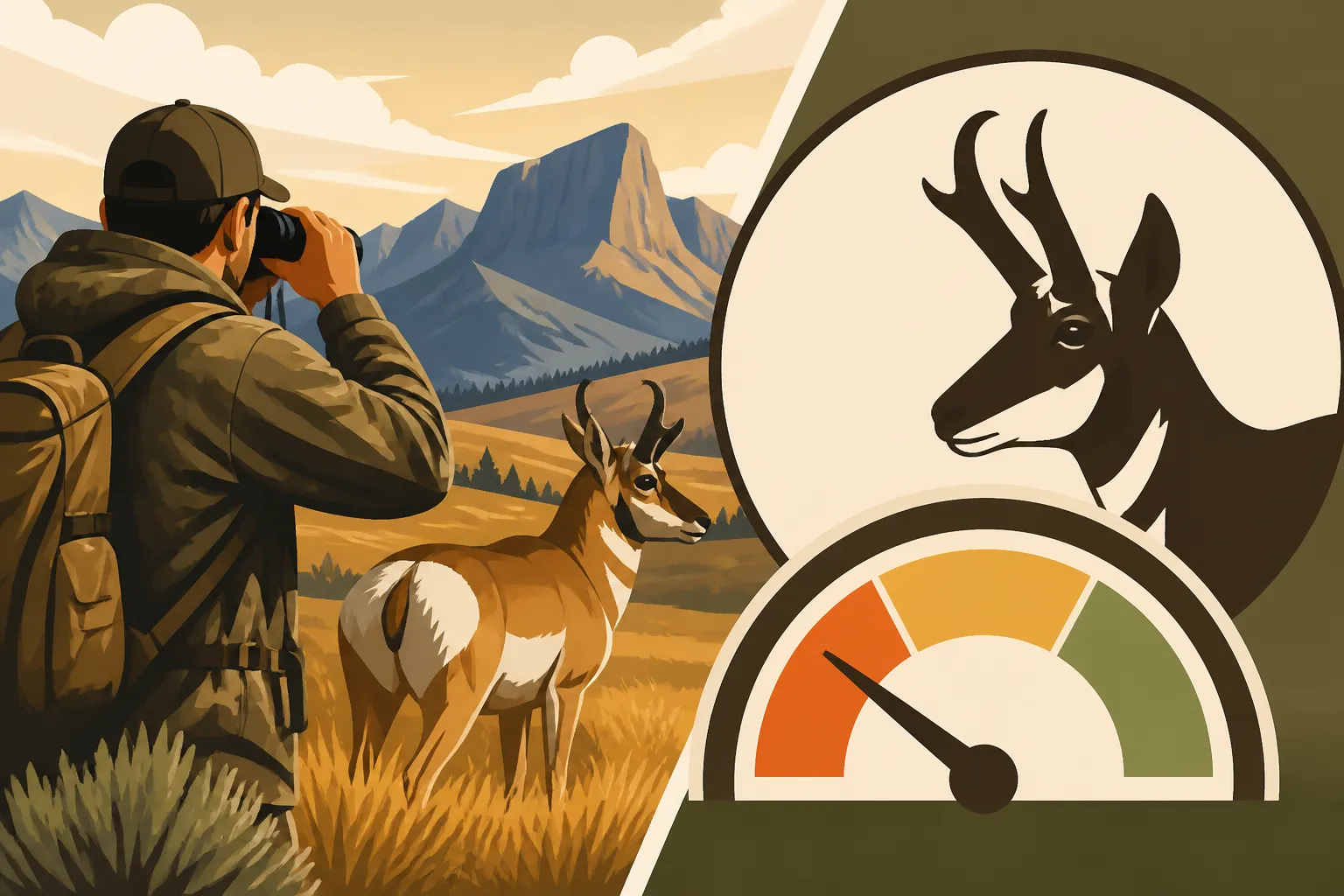
Let's be brutally honest upfront: drawing a coveted Type 1 buck antelope tag in Wyoming as a non-resident with zero preference points is an uphill battle, bordering on a long shot. It's not impossible, but you need to temper your expectations. Wyoming’s draw system, especially for popular species like antelope, heavily favors applicants with accumulated points. But don't despair entirely; there are nuances and specific tag types that offer more hope.
Understanding the Preference Point System's Impact
Wyoming uses a modified preference point system where 75% of the available non-resident tags for a given unit are allocated to applicants with the most points, and the remaining 25% go into a random draw. This means that if you're sitting at zero points, you're competing only for that 25% pool. Think of it like this: for every 100 non-resident tags in a unit, 75 go to the folks who've been patiently building points for years, and only 25 are left for everyone else, including all the other zero-point applicants. This is a critical factor in understanding Wyoming's 75/25 Draw Split Explained.
The competition within that 25% random pool is fierce. Many applicants with a few points (but not enough for the point-based draw) or those just starting out will all be vying for those few random tags. It’s why you’ll often see draw odds for zero-point applicants hover in the low single digits, sometimes even less than 1% for prime buck units. For example, a unit known for mature bucks might have 100% odds for someone with 8-10 points, but 2% for someone with none. This creates a significant hurdle, but not an insurmountable one if you know where to look.
Why Some Units Offer More Hope Than Others
Not all antelope units are created equal, and this is where a zero-point hunter can find a sliver of opportunity. Units with lower trophy potential, harder access, or higher tag quotas often present slightly better odds for those without points. For instance, areas that are less celebrated in hunting magazines might have fewer applicants overall, meaning less competition in that random 25% pool.
Some units might be in areas with a higher overall antelope population, leading to more available tags. While the demand might still be high, the sheer volume of tags can slightly nudge the random draw odds in your favor. It’s crucial to dive deep into the Wyoming Game and Fish Department’s draw odds reports from previous years. These reports, often broken down by resident/non-resident and point levels, are your best friend in identifying these needles in the haystack. Resources like GoHunt's insider research tools can really help dissect this data, showing you trends and giving you a realistic picture of where your zero-point application might actually stand a chance.
Navigating the Application Process and Alternative Tag Types
Even with zero points, understanding the application process and exploring different tag types can dramatically change your outlook. It's not just about the classic "Type 1 buck tag"; Wyoming offers several options that can get you into the antelope fields.
Application Deadlines and Understanding Tag Types
The main application period for Wyoming deer and antelope typically closes on June 1. Missing this deadline means you're out of luck for the primary draw, so mark your calendar! Once you're ready to apply, you'll encounter various license types, and this is where strategy comes into play for the zero-point hunter.
Here's a breakdown of common antelope tag types:
| License Type | Description | Target Animal | Zero-Point Draw Odds (Non-Resident) | Strategy for Zero-Pointers |
|---|---|---|---|---|
| Type 1 | Any Antelope | Buck, Doe, or Fawn | Very Low (e.g., 1-5%) | Focus on high-quota, low-demand units; consider applying with a group. |
| Type 2 | Antlered Antelope | Buck | Low (e.g., 3-8%) | Similar to Type 1, but still very competitive for good units. |
| Type 6 | Antlerless Antelope | Doe or Fawn | Moderate to High (e.g., 20-60%) | Best bet for drawing any tag. Research units with high quotas. |
| Type 7 | Antlerless Antelope | Doe or Fawn | Moderate to High (e.g., 20-60%) | Similar to Type 6, often specific to certain areas or later seasons. |
| Type 8 | Antlerless Antelope | Doe or Fawn | Moderate to High (e.g., 20-60%) | Similar to Type 6/7, look for units with very high populations. |
| Type 9 | Reduced Price Antlerless | Doe or Fawn | High (e.g., 50-80%+) | Often available in the leftover draw, very good chance of drawing. |
As you can see, the "Antlerless Antelope" tags (Type 6, 7, 8, and especially Type 9) offer significantly better odds for someone with no points. While you might be dreaming of a trophy buck, drawing an antlerless tag gets you out hunting, teaches you the ropes of chasing pronghorn, and lets you explore new country. It’s a fantastic way to gain experience and scout future buck units without the pressure of a high-dollar trophy hunt. Consider applying for Wyoming's Reduced-Price Antlerless Options to get your foot in the door.
The Leftover Draw: Your Second Chance
If you strike out in the initial draw (which is a strong possibility with zero points for buck tags), don't lose heart! Wyoming has a leftover draw where any unallocated tags from the primary draw become available. This usually happens in late June. While premium buck tags are almost always gone, you can often find plenty of antlerless tags, and sometimes even a few buck tags in less popular units or those with very high quotas.
The leftover draw is a first-come, first-served system, so speed is of the essence when it opens. Have your desired units and tag types researched beforehand. Sites like GoHunt often have excellent modules specifically for tracking leftover tags, making it easier to quickly identify opportunities. This is a prime time to snag a Type 9 antlerless license, which can be incredibly affordable and almost guarantees you a hunting opportunity. This process is detailed in Wyoming's Leftover Draw in Late June.
Strategies for Maximizing Your Odds as a Zero-Point Applicant
Even without a pile of preference points, you can be a smart and strategic applicant. It requires a bit more research and flexibility, but it can absolutely pay off with a Wyoming antelope tag.
Researching High-Quota, Low-Demand Units
This is perhaps the most critical strategy. Instead of focusing on the "dream units" that everyone else with points is applying for, shift your attention to units that historically have higher quotas and lower demand. These are often units that are less glamorous, perhaps with lower public land access percentages, or are further from major population centers.
Tools like GoHunt's filtering systems allow you to sort units by draw odds, success rates, and public land access. Look for units where the random draw odds for non-residents, even at zero points, were 10% or higher in recent years. These aren't going to be your trophy buck havens, but they are realistic options for getting an antelope tag. Pay close attention to Which Wyoming Counties Hold the Most Antelope as these areas might offer more tags.
Remember that "public land" isn't always equal. Some units might have vast expanses of public land but be difficult to access without crossing private property, which naturally reduces hunter pressure and can improve draw odds for those willing to do the legwork. Always consult detailed maps and land ownership layers.
Group Applications and Building Points for the Future
Applying as a group can sometimes slightly improve your mathematical odds in certain situations, especially if everyone in the group has zero points and you're entering the random draw. However, remember that if any member of your group has points, the application will be considered at the lowest point total within the group. So, for zero-point applicants, it means you're all still essentially applying as zero-point hunters. It can, however, streamline the process if you plan to hunt together.
While your immediate goal might be a zero-point draw, it's also wise to start thinking about the long game. You can purchase a preference point without applying for a tag during a specific window (typically July 1 to November 1). For a relatively small fee, you can start accumulating points that will significantly improve your odds for those coveted buck tags in the future. Even if you draw a Type 6 tag this year, buy a point for next year! Over time, these points will be your ticket to better opportunities. This is how you can manage Wyoming Preference Point Prices in Wyoming: $52 Elk, $41 Deer, $31 Antelope.
Being Flexible with Your Expectations and Season Dates
Don't be locked into hunting during the peak rut in late September. Antelope seasons in Wyoming can stretch from August into October or even early November in some areas. Looking at early or late season tags, or tags for less-desirable parts of the season, can sometimes improve your draw odds. You might find that a late-season doe-fawn tag has fantastic odds, even if it means bundling up more.
Being open to an antlerless tag is another major flexibility point. As mentioned, Type 6, 7, 8, and 9 tags have significantly higher draw odds. Harvesting a doe or fawn is an excellent way to fill your freezer, practice your hunting skills, and spend time in the field. Plus, it gives you an opportunity to scout areas for future buck hunts. There's immense satisfaction in a successful hunt, regardless of antler size. You can learn a lot by Stalking Pronghorn Across Wyoming's Open Sagebrush or even by trying Decoy Setups That Pull Pronghorn Bucks on a doe tag.
Leveraging Local Knowledge and Hunt Planner Resources
The Wyoming Game and Fish Department's website is a treasure trove of information. Their online Hunt Planner tool allows you to search for regulations, harvest statistics, and unit-specific details. Spend time poring over these resources. Look at the number of tags issued, hunter success rates, and the proportion of public land in each unit.
Additionally, don't underestimate the power of online forums and hunting communities. While you should always take advice with a grain of salt and verify it with official sources, these platforms can sometimes offer insights into lesser-known units or strategies. Just be mindful that good information gets quickly saturated. Familiarize yourself with how to use a Reading an Antelope Hunt Unit Map to better understand the nuances of each area. Learning to use tools like OnX maps to identify public land, water sources, and potential bedding areas can also give you an edge, whether you're drawing a tag with zero points or twenty. And remember to always adhere to Wyoming Legal Shooting Hours for Big Game.
It boils down to this: with zero preference points, drawing a Wyoming antelope buck tag in a prime unit is tough. But by understanding the draw system, applying for antlerless tags, keeping an eye on the leftover draw, focusing on high-quota units, and patiently building points for the future, you significantly increase your chances of experiencing a fantastic antelope hunt in the Equality State.
Disclaimer
Please remember that hunting regulations, seasons, and draw odds can change annually. Always consult the most current Wyoming Game and Fish Department regulations before planning your hunt. This information is intended as a general guide and should not replace official state publications.