Wyoming’s Archery Only Elk Hunt Areas
Navigating Wyoming's elk hunting regulations can feel like trying to solve a puzzle with half the pieces missing, especially when you start looking into specific weapon types. It’s easy to get lost in the sea of hunt area numbers and license types, leaving you wondering where you can actually stretch your bowstring for a bull. This guide is here to untangle the complexities of Wyoming's archery-only elk hunt areas, helping you understand where these unique opportunities exist and what you need to know to pursue them.
Understanding Wyoming's Archery-Only Designations
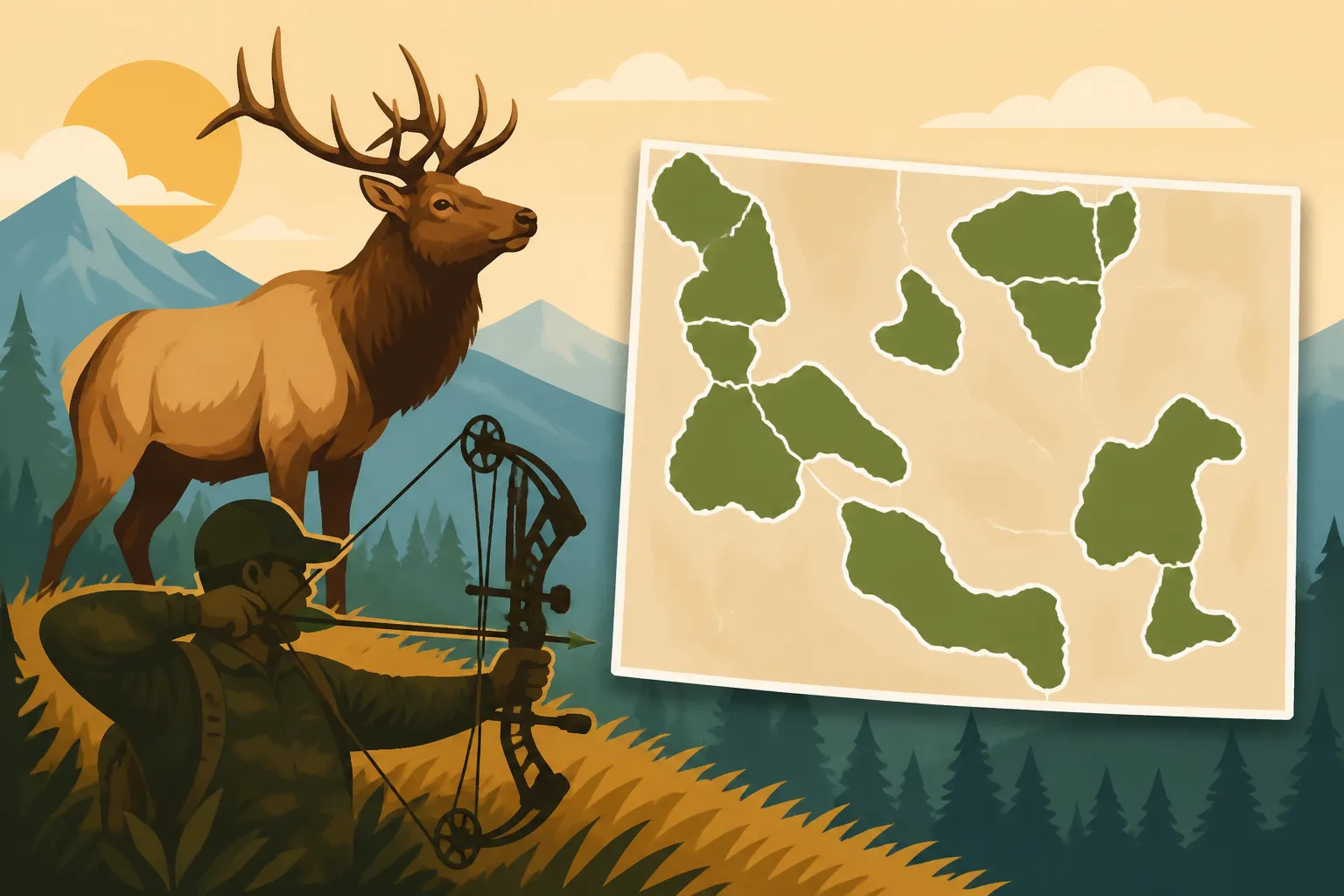
When we talk about "archery-only" elk hunt areas in Wyoming, it's important to understand there are a couple of ways this can play out. Sometimes, an entire hunt area is designated as archery-only for a specific license type, often a Type 9 license. Other times, specific hunt areas might have an extended archery season before the general rifle season opens, allowing bowhunters exclusive access during that window, but then opening up to firearms later. Both scenarios offer unique challenges and incredible rewards for the dedicated bowhunter, but they operate under different sets of rules you absolutely need to be aware of.
Dedicated Archery-Only Hunt Areas
These are the units where, for certain license types, only archery equipment is legal for the entire season. This means if you draw one of these tags, you're committed to the bow. These areas are specifically managed to provide a unique hunting experience, often aiming to spread out pressure or offer a higher quality archery opportunity. Think of it as a special club for bowhunters, where the rules ensure everyone is playing the same game. It's not just about the weapon; it's about the entire approach to the hunt. You'll find yourself among hunters who are just as passionate about getting in close, reading the wind, and executing a silent stalk. These areas typically have lower hunter densities during the season, allowing for a more intimate experience with the elk. It really changes the dynamic of the hunt when you know everyone out there is facing the same challenge of How Close a Bowhunter Really Needs to Get.
Extended Archery Seasons within General Units
Many of Wyoming's general elk hunt areas have a separate archery season that precedes the general firearms season. This is incredibly popular, and for good reason. It offers bowhunters a chance to get into the woods when elk are often more vocal, especially during the early stages of the rut, without the added pressure of rifle hunters. While these units eventually open up to firearms, that initial archery-only window can be magical. You might find yourself bugling at a bull in early September, enjoying crisp mornings and the thrill of animals that haven't yet been heavily pressured. The dates for these archery seasons can vary wildly from one hunt area to the next, so always check the specific regulations for your chosen unit. This is where Wyoming Elk Season Dates Are Set Hunt Area by Hunt Area really comes into play, as every unit's calendar is distinct.
Specific Archery-Only Elk Hunt Areas in Wyoming
Wyoming Game and Fish Department (WGFD) regularly reviews and adjusts hunt area designations and regulations. While specific units can change, certain areas are historically known for their dedicated archery opportunities. These are often smaller, more challenging units or those managed for specific herd objectives. They demand a high level of scouting and skill.
The Type 9 License: A Bowhunter's Tag
If you're serious about an archery-only elk hunt in Wyoming, you'll inevitably encounter the "Type 9" license. These licenses are specifically designated for archery-only hunting in certain areas. Drawing a Type 9 tag means you're in an area where firearms are not permitted for elk hunting during that season. This creates a distinct hunting environment, often less pressured and more aligned with the bowhunting ethos. These hunts are truly about the challenge and immersion.
Let's look at some examples, keeping in mind these are subject to change year to year, so always confirm with the latest WGFD regulations. Historically, areas like Hunt Area 113 (Piney-Labarge) or Hunt Area 114 (Wyoming Range – South) might have Type 9 licenses available, offering archery-only opportunities in scenic, rugged terrain. These aren't easy hunts; they often involve significant elevation changes, dense timber, and a lot of glassing and footwork. You need to be prepared for the physical demands and the specific challenges of bowhunting, including understanding legal equipment like Fixed and Expandable Heads Under Wyoming Rules.
When considering these Type 9 areas, it's critical to dive deep into the specific unit's characteristics. Is it steep and timbered, or more open sagebrush? What are the elk populations like, and what kind of pressure does it receive from other hunters? A tool like GoHunt can be invaluable here, offering detailed draw odds and unit breakdowns that include terrain features, public land access, and historical harvest data. It can really help you visualize the hunt before you even apply, allowing you to fine-tune your E-scouting a Unit From Your Kitchen Table.
Table of Potential Archery-Only Elk Hunt Areas (Examples)
This table provides illustrative examples of areas that might offer dedicated archery-only (Type 9) or extended archery season opportunities. Always verify the most current WGFD regulations for your specific hunt year and license type.
| Hunt Area | Common Archery Designation | Terrain Type | Notable Challenges/Opportunities |
|---|---|---|---|
| Area 113 (Piney-Labarge) | Type 9 Archery-Only | Mountains, timber, open parks | Remote, physically demanding, good bugling |
| Area 114 (Wyoming Range – South) | Type 9 Archery-Only | High mountains, dark timber, canyons | Access can be tough, strong winds, elk migration |
| Area 100 (Greys River) | Extended Archery Season | Steep, heavily timbered, river drainages | High elk numbers, early rut activity, grizzly presence |
| Area 7 (Bighorn Mountains) | Extended Archery Season | Rugged mountains, thick timber, high basins | Good for Glassing Wyoming Basins Before You Take a Step, varying elk density |
| Area 23 (South Wind River) | Extended Archery Season | Mixed forest, open slopes, wilderness interface | High success potential but can be pressured |
Note: This table is for informational purposes only. Always consult the official Wyoming Game and Fish Department regulations for the most up-to-date and accurate information.
Preparing for an Archery-Only Elk Hunt
Hunting elk with a bow, especially in areas designated solely for archery, requires a different mindset and preparation than a rifle hunt. The distances are shorter, the encounters more intimate, and the margin for error much thinner. It's a game of patience, precision, and truly knowing your equipment and your quarry.
Gear and Physical Conditioning
First off, your gear needs to be dialed in. That means not just your bow, but your arrows and broadheads. Wyoming has specific rules about minimum draw weight, which for elk is 50 pounds, as well as broadhead cutting diameter. You need to ensure your broadheads are sharp and meet The Minimum Cutting Width a Broadhead Must Make requirement. Practice, practice, practice at varying distances, and especially from different positions, mimicking real-world hunting scenarios. Remember, a successful bow shot often comes after a strenuous stalk or a long day on the mountain.
Physical conditioning is non-negotiable. Many of Wyoming's prime elk hunting areas are rugged, steep, and at high altitudes. You'll be covering miles on foot, often with significant elevation gains and losses. If you're not used to it, the altitude alone can be a serious deterrent. Start training months in advance: hiking with a loaded pack, doing stair climbs, and generally getting your cardio in shape. There's nothing worse than having a bull screaming at you from 100 yards, only to be too winded to draw your bow effectively.
Scouting and Strategy
Scouting is paramount for any hunt, but it's especially crucial for archery-only elk areas. You need to know the terrain, where the elk are likely to be, their escape routes, and how they react to pressure. Since these hunts often coincide with the rut or the pre-rut, understanding Bugle and Cow Call Timing Through the Rut is a huge advantage. You need to know when to be aggressive with your calls and when to be silent.
Utilizing modern tools like GoHunt can significantly enhance your scouting efforts, even if you can't be boots on the ground for extended periods. Their platform allows you to research public/private land boundaries, analyze historical harvest data for specific units, and identify potential elk hotspots based on satellite imagery. This kind of detailed E-scouting a Unit Before the Season Opens can give you a massive leg up, helping you pinpoint water sources, bedding areas, and potential travel corridors long before you set foot in the field. This also helps you understand the nuances of Wyoming's Elk Hunt Unit Boundaries.
When you're in the field, pay meticulous attention to wind direction. Elk have an incredible sense of smell, and a shifting breeze can ruin a perfect stalk in an instant. This is particularly true in open country or when trying to approach a wallowing bull. Knowing how to read wind on an Open-Country Stalk isn't just a suggestion; it's a survival skill for bowhunters. Your approach needs to be calculated, stealthy, and always downwind or crosswind.
Why Choose an Archery-Only Elk Hunt in Wyoming?
For many hunters, the appeal of an archery-only elk hunt goes beyond simply using a bow. It’s about the raw, visceral experience of pitting your skills against one of North America's most magnificent big game animals on its home turf, without the added noise and pressure of firearms.
The Challenge and Reward
There’s an undeniable satisfaction that comes from calling in a bull to bow range, slipping through the timber undetected, or executing a perfect shot after a long stalk. These are moments that engrave themselves into your memory, far beyond just the size of the animal. The difficulty itself is part of the allure. It forces you to become a better hunter, honing your tracking skills, your ability to read the landscape, and your understanding of elk behavior. The animals you encounter in these specialized areas might also be less wary, at least initially, offering slightly better odds for a close-range encounter.
Unique Hunting Experiences
Archery seasons often take place earlier in the fall, frequently coinciding with the peak of the elk rut. This means more vocal bulls, more calling opportunities, and a truly immersive experience in the elk woods. Imagine hearing a bull's bugle echo through a high mountain basin at dawn, then spending the next hour working your way into position, communicating with him through calls. These are the experiences that bowhunters live for. While these areas are still public land and can see pressure, the type of pressure is different, often less disruptive to elk patterns compared to the opening day of rifle season. Understanding When the Elk Rut Actually Peaks Out West can dramatically improve your timing and success on an archery hunt.
Navigating Regulations and Resources
Staying informed about Wyoming’s ever-changing hunting regulations is crucial. The Wyoming Game and Fish Department website is your primary source for official information, including season dates, hunt area maps, and license quotas. Don't rely solely on what you hear in forums or from friends; always double-check the official rulebook.
Remember to factor in your license application strategy. Drawing a Type 9 license can be tough, and preference points play a significant role in Wyoming's draw system. You might need to accumulate points over several years to draw a coveted archery-only tag. Platforms like GoHunt provide detailed draw odds for every hunt area and license type, including Type 9 tags, helping you build a smart long-term application strategy. They can tell you exactly what kind of odds you're looking at and how many points past successful applicants had. This takes some of the guesswork out of the application process and helps you decide if it's worth investing in a Wyoming Elk Preference Point Costs.
Disclaimer
Please remember that hunting regulations, season dates, and specific hunt area designations can change annually. Always consult the official Wyoming Game and Fish Department website or their current year's hunting regulations booklet before planning any hunt to ensure you have the most accurate and up-to-date information.