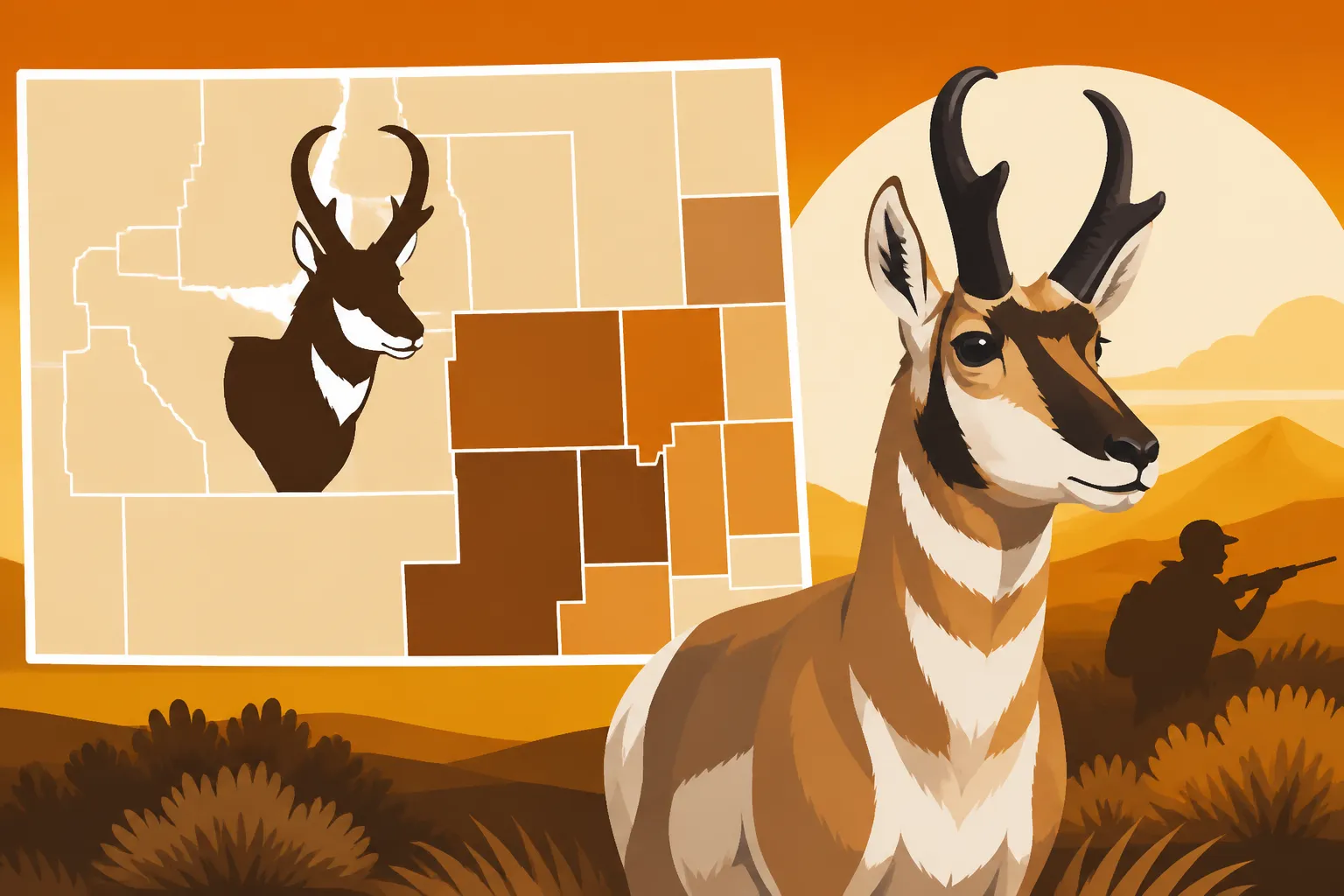
Which Wyoming Counties Hold the Most Antelope
You’ve got your sights set on a Wyoming antelope hunt, dreaming of those vast sagebrush flats and spotting a trophy buck, but one of the biggest initial hurdles is figuring out where to even begin your search. Wyoming is a massive state, and not all counties are created equal when it comes to pronghorn numbers or hunting opportunity. This guide will cut through the noise, revealing which Wyoming counties consistently hold the most antelope and offer the best chances for a successful hunt, helping you pinpoint your efforts effectively.
Understanding Wyoming's Antelope Appeal and Habitat
Wyoming is arguably the best place in the world to hunt pronghorn, often called antelope, due to its massive herds and the vast, open landscapes they call home. These incredible animals are built for speed and thrive in the expansive, semi-arid plains, sagebrush steppes, and grasslands that define much of the Cowboy State. But not every square mile of Wyoming offers the same quality or quantity of antelope. Understanding why certain areas are pronghorn magnets is key to narrowing down your hunt.
Why Certain Regions Excel for Pronghorn
Pronghorn are highly adapted to specific environments. They prefer open areas with good visibility, where their incredible eyesight can detect predators from miles away. This means they shy away from dense timber or rugged mountain ranges. Instead, they seek out areas dominated by sagebrush, various grasses, and forbs, which make up the bulk of their diet. Counties that offer these optimal conditions—vast expanses of public and private land with low human population density and abundant forage—are naturally going to host the largest herds. Think about rolling hills, wide-open basins, and plateaus dotted with isolated buttes and draws. These geological features provide just enough cover for fawns and a place for bucks to escape the midday sun, all while maintaining that crucial open visibility.
Water sources, even small ones, are also critical. While pronghorn are surprisingly efficient at extracting moisture from their diet, they still need to drink, especially in dry periods. Areas with scattered stock ponds, ephemeral streams, or reliable springs often concentrate animals, making them prime hunting grounds. The interplay of food, water, and cover—all within their preferred open-country habitat—is what truly defines the top-tier antelope counties in Wyoming. It’s not just about how many animals are there, but how accessible and concentrated they are for hunting.
The Impact of Drought and Winter on Pronghorn Numbers
Even in the best habitats, antelope populations aren't static; they fluctuate significantly based on environmental conditions, particularly severe winters and prolonged droughts. A harsh winter with deep, crusted snow can devastate herds, especially fawns and older animals, by making forage inaccessible and increasing energy demands. We've seen years where winter kill has dramatically reduced numbers in certain regions. Conversely, a mild winter often leads to excellent survival rates and robust fawn crops, setting the stage for higher populations in subsequent years.
Drought, while less dramatic than a blizzard, can also take a heavy toll. Extended dry periods reduce the quantity and quality of forage, forcing animals to travel further for food and water. This can stress animals, make them more susceptible to disease, and ultimately lower fawn recruitment. When you're planning your hunt, it's always wise to keep an eye on recent weather patterns in your target areas. A few mild years can lead to an explosion in antelope numbers, making a good county even better, whereas a tough stretch might mean lower densities, even in historically strong areas. This dynamic underscores the importance of staying informed about specific herd health, which the Wyoming Game and Fish Department (WGFD) works diligently to monitor.
Wyoming's Top Counties for Pronghorn: Where to Focus Your Search
When it comes to sheer numbers and consistent opportunity, a few Wyoming counties stand out as true pronghorn havens. These are the places where the habitat aligns perfectly with the pronghorn's needs, leading to robust populations year after year.
Sweetwater County: A Pronghorn Powerhouse
If you’re looking for a place with an abundance of pronghorn, Sweetwater County often rises to the top of the list. Situated in southwest Wyoming, this massive county boasts vast tracts of public land, primarily managed by the Bureau of Land Management (BLM), interspersed with private ranches. The landscape is classic antelope country: wide-open sagebrush flats, rolling hills, and dry washes. The sheer size of Sweetwater County, combined with its ideal habitat, allows for extremely large, free-ranging herds. Historically, this county and its surrounding areas have consistently produced high harvest numbers.
Hunters often find that the biggest challenge in Sweetwater isn't finding antelope, but rather picking the right buck from the numerous herds spotted across the landscape. The county is known for its wide-open vistas, which means spotting scopes are your best friend for glassing distant animals. Draw odds can vary by specific unit within Sweetwater, but the overall opportunity for a tag and a successful hunt remains high. Recent reports have even highlighted Why Sweetwater County Pronghorn Numbers Are Climbing after a few favorable years, making it an even more attractive destination.
Carbon County: Consistent Producers
Just east of Sweetwater, Carbon County offers similar vastness and excellent antelope habitat, making it another consistent producer of pronghorn. This county also features extensive public lands and a mosaic of private ranches, providing ample room for antelope to thrive. The terrain ranges from the flatter sagebrush basins in the county's central and southern parts to the foothills leading up to the Sierra Madre and Snowy Range mountains, though the antelope tend to stick to the more open areas. Carbon County often holds very strong antelope numbers, and it's a favorite for many hunters due to the combination of healthy herds and relatively good access.
The hunting experience here often mirrors Sweetwater, requiring good optics and the patience to pick through herds. While some areas might be more pressured, careful scouting, especially using tools that show land ownership and topography, can help you find less-disturbed pockets. The WGFD frequently looks at areas like this when considering Where Wyoming Raised Its Antelope Quotas, reflecting the healthy populations Carbon County supports.
Fremont County: Diverse Hunting Experiences
Venturing further north and east, Fremont County presents a slightly different, yet equally rewarding, antelope hunting experience. This county is incredibly diverse geographically, encompassing everything from high mountain ranges to the sprawling Red Desert. While the mountainous regions aren't prime antelope habitat, the expansive basins and lower elevation plains are absolutely teeming with pronghorn. Fremont County benefits from a mix of federal, state, and private lands, offering varied access opportunities.
What makes Fremont unique is the blend of landscapes. You can find yourself hunting classic sagebrush flats one day and more broken, hilly terrain the next. This diversity can sometimes make spotting more challenging than in the endless plains of Sweetwater, but it can also offer more stalking cover, which many hunters appreciate. The Wyoming Pronghorn Population Estimate Explained often shows strong numbers for the units within Fremont, indicating healthy and robust herds.
Other Notable Counties with Excellent Antelope Opportunity
While Sweetwater, Carbon, and Fremont often lead the pack, several other Wyoming counties consistently provide excellent antelope hunting:
- Natrona County: Home to Casper, Natrona County combines a significant human population with expansive, open country. East and south of Casper, the land opens up into classic sagebrush and grassland habitat, supporting large antelope numbers. Public land is available, though often interspersed with private, requiring diligent scouting for access.
- Converse County: Located in east-central Wyoming, Converse County is another strong contender, particularly in its eastern and southern portions. It boasts significant private land, but also ample public access through various programs and federal lands. The landscape here is often characterized by rolling grasslands and bluffs, providing excellent feeding and bedding areas for pronghorn.
- Campbell County: Farther to the northeast, Campbell County around Gillette offers good antelope numbers, particularly on its eastern side. This area is more impacted by energy development, but the vastness of the landscape still provides plenty of room for pronghorn. Public access here can be a bit more limited than in the western counties, but opportunities certainly exist for those willing to do their homework.
These counties, and many others in Wyoming, underscore why the state remains the premier destination for pronghorn hunting.
Beyond the County Line: Essential Planning for Your Antelope Hunt
Knowing which counties hold the most antelope is a fantastic start, but a successful hunt involves much more than just picking a county. You need to dive deeper into the specifics, utilizing available resources and understanding the practicalities of hunting these magnificent animals.
Leveraging Draw Odds and Hunt Unit Data
Wyoming manages its big game hunting through a limited quota draw system, broken down into specific hunt units. This means that while a county might be rich in antelope, certain units within it could have vastly different draw odds or tag availability. This is where detailed research becomes paramount. Services like GoHunt are invaluable for analyzing draw odds, historical harvest data, and specific unit information. They compile years of data, allowing you to see how many points it might take to draw a specific unit, or which units offer decent odds with zero preference points. For instance, you might find that while Carbon County generally has great numbers, some units within it are "trophy units" that take many points to draw, while others offer easier-to-get tags for a general antelope.
Understanding these nuances is critical, especially for non-residents. The cost of a Wyoming Nonresident Antelope Tag Price Explained is a significant investment, so you want to maximize your chances of success. Looking at Antelope Draw Odds With Zero Preference Points can help you find a starting point if you're new to the Wyoming draw. Don't just pick a county; pick a unit within that county that aligns with your point level and hunting goals.
The Importance of E-Scouting and Boots on the Ground
Even with the best county and unit selected, your homework isn't done. E-scouting from home is a powerful tool to further refine your strategy. Using satellite imagery, topographic maps, and public land overlays (many hunters, myself included, rely on mapping platforms and services like GoHunt to analyze land ownership, terrain features, and historical harvest data right from their living room), you can identify potential travel corridors, water sources, bedding areas, and most importantly, public access points. This allows you to visualize the terrain and pinpoint areas to focus on once you're in the field. You can spend hours virtually navigating the landscape, looking for draws and cutbanks that might hide an approach, or isolated public parcels surrounded by private land that might hold unpressured animals.
However, nothing beats boots on the ground. A pre-season scouting trip, if feasible, can confirm your e-scouting findings, reveal subtle terrain features not visible from satellite, and help you understand game movement patterns. Even if you can't scout weeks ahead, arriving a day or two early can make a huge difference, allowing you to get a feel for the land, identify fresh sign, and adapt your plan. Remember, antelope are constantly moving, so recent intel is always best. Understanding Reading an Antelope Hunt Unit Map effectively during your scouting will clarify boundaries and access.
Access and Public Land Considerations
Wyoming offers a tremendous amount of public land, but it's not always neatly organized. Many of the top antelope counties feature a checkerboard pattern of public and private ownership, which can create access challenges. Learning how to navigate these land ownership patterns is crucial. Tools like onX Public Land Layers in Wyoming can clearly display federal (BLM, Forest Service), state, and private lands, helping you identify legal access points. The state also has excellent programs like Access Yes, which opens up private land to public hunting for specific species and seasons. Familiarize yourself with these programs and look for Walk-In Areas (WIAs) and Hunter Management Areas (HMAs) in your chosen unit.
Gaining permission from private landowners is another avenue. While not always easy, a polite request can sometimes open up excellent hunting opportunities, especially for antelope which can often be found on agricultural lands. Never trespass. Always know where you stand, literally, on public or private ground. This attention to detail can be the difference between a frustrating hunt and a rewarding one.
Here’s a snapshot of key considerations for top antelope counties:
| County Name | Primary Terrain | Public Land Access | Antelope Population Reputation | Key Hunting Consideration |
|---|---|---|---|---|
| Sweetwater | Vast sagebrush flats, rolling hills | Excellent (BLM) | Very High | Sheer vastness; optics are critical for spotting. |
| Carbon | Sagebrush basins, grasslands, scattered mesas | Good (BLM, State) | High | Consistent producer; requires detailed access planning. |
| Fremont | Diverse: basins, plains, some broken country | Good (BLM, State) | High | Varied terrain offers more stalking opportunities. |
| Natrona | Open plains, sagebrush, river bottoms | Moderate | Good | Closer to services; scattered public parcels. |
| Converse | Rolling grasslands, bluffs, agricultural | Moderate | Good | Mix of private/public; Access Yes can be key. |
| Campbell | Grasslands, broken timber, energy development | Moderate | Good | Strong herds; focus on specific units for access. |
Practical Tips for Planning Your Wyoming Antelope Hunt
Once you've zeroed in on your target county and unit, a few final practical steps will round out your hunt preparation, ensuring you’re ready for the unique challenges and rewards of a Wyoming antelope adventure.
Timing Your Application and Season Dates
Successfully hunting antelope in Wyoming starts with a well-timed application. The nonresident deer and antelope application deadline typically falls in early June. Missing this deadline means missing your chance for a draw tag entirely, so mark your calendar! Once the draw results are out, usually in June, you'll know if you've secured a tag. The actual When Wyoming Antelope Rifle Season Opens can vary by hunt unit, but generally begins in late September and runs into October. Archery season usually opens much earlier, often in August, providing an alternative if you prefer a bow hunt. Always check the specific WGFD regulations for your chosen unit, as dates are precise and strictly enforced. Planning around these dates is crucial for securing time off work and coordinating travel.
Gear Up for Open Country
Hunting pronghorn in Wyoming's vast, open country demands specific gear. First and foremost, quality optics are non-negotiable. A good pair of 10x binoculars on a tripod, and a spotting scope (20-60x or similar) are essential for covering ground and evaluating animals from a distance. You'll spend a lot of time glassing, so clear, steady viewing is key. For your rifle, think flatter shooting calibers, as shots can often be long across the open plains. Know your rifle's capabilities and practice shooting from field positions, often supported by shooting sticks or a bipod, at varying distances.
Comfortable, durable boots are also vital, as you'll be doing a lot of walking, sometimes across rough terrain and through thorny sagebrush. Layers of clothing are a must, as temperatures can swing wildly from cold mornings to warm afternoons. Don't forget a good backpack for water, snacks, extra layers, and to carry out meat. For bowhunters, consider if The Decoy Distance That Actually Pulls Antelope Bucks aligns with your effective range, and practice How Far to Stalk a Bedded Pronghorn using the terrain. And always be mindful of Playing Wind Direction on an Open Sagebrush Stalk, as an antelope's nose is almost as good as its eyes!
Finding the right county is the first step toward a successful Wyoming antelope hunt, but it's the detailed planning, smart use of resources, and understanding of the specific challenges that truly bring it all together. Do your homework, enjoy the process, and prepare for an unforgettable adventure chasing these incredible speedsters across the Wyoming plains.
Disclaimer
This article is for general informational purposes only and does not constitute professional advice. Laws, prices and regulations vary by location and change over time. Consult a qualified professional for guidance on your specific situation.