How Long the Wyoming Moose Season Runs
The anticipation of a Wyoming moose hunt is enough to tie even the most seasoned hunter in knots, let alone trying to pinpoint exactly when that dream season might actually happen. It's not like flipping a switch where a statewide season just is. The truth is, the duration of the moose season in Wyoming is a nuanced puzzle, varying wildly depending on the specific hunt area you're fortunate enough to draw. This guide will meticulously break down how long you can expect the Wyoming moose season to run, helping you navigate the complexities of planning for such an incredible, once-in-a-lifetime opportunity.
Understanding Wyoming's Moose Season Framework
Unlike some other game species that might have a more uniform season across broad regions, Wyoming manages its moose population with a fine-toothed comb. This means there isn't a single, statewide moose season opener and closer. Instead, everything is highly localized, tailored to the specific needs and health of individual moose herds within particular hunt areas. This approach is rooted in careful biological management, striving to provide hunting opportunities while ensuring the long-term sustainability of these magnificent animals.
The General Length of Moose Seasons
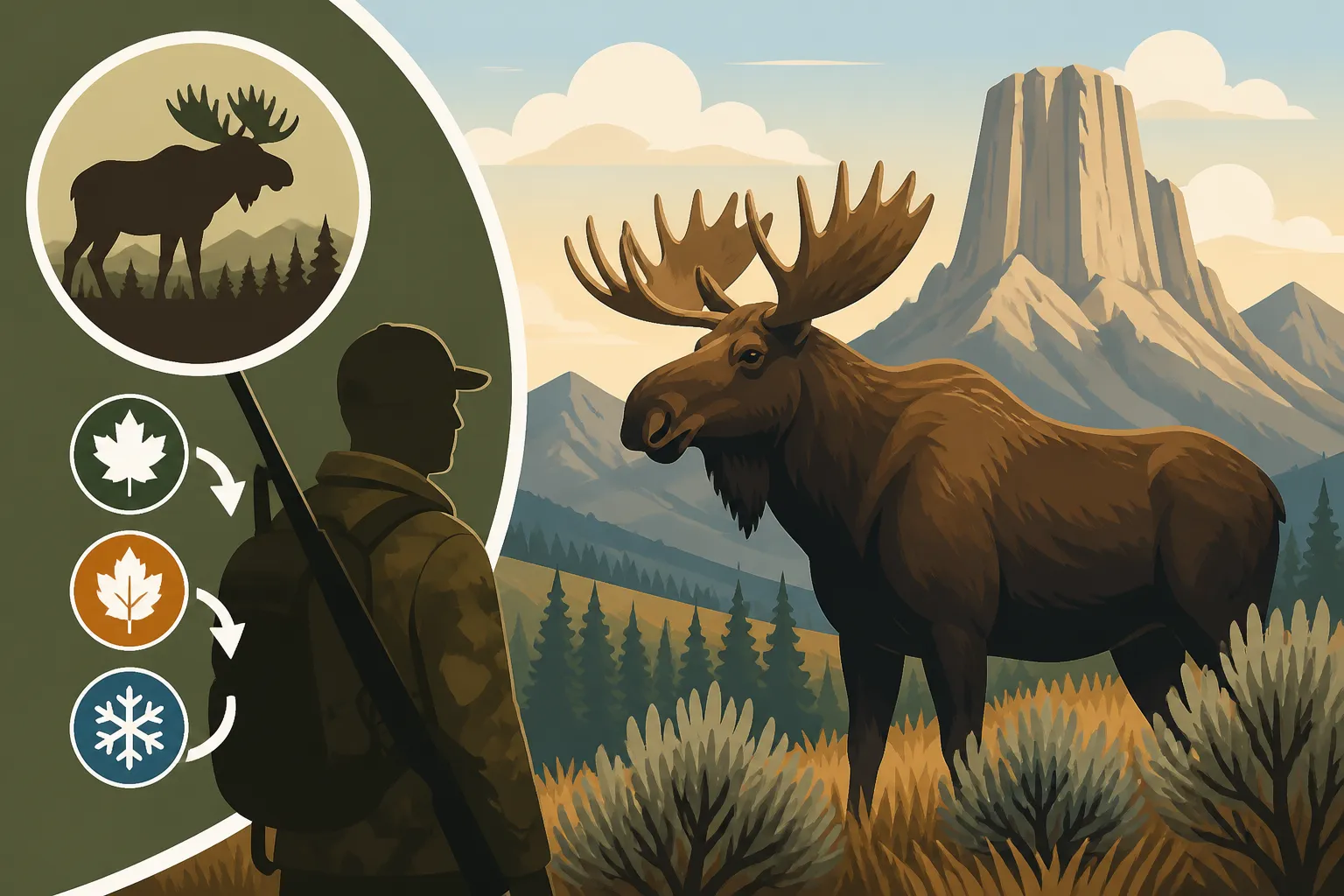
When you finally pull that coveted Wyoming moose tag, you’ll discover that the season isn't usually a fleeting weekend affair. Most moose seasons across the state generally offer a window of about 1.5 to 2.5 months for hunters. For example, a common framework might see archery-only seasons kicking off around September 1st, followed by the general rifle season opening around mid-September, and running through late October or even into mid-November in some districts. This extended period gives hunters ample opportunity to pursue their bull or cow moose, allowing for flexibility in their schedule, which is often crucial given the challenging nature of moose hunting.
However, it's vital to recognize that these are general trends. You might find a specific hunt area that only has a 30-day rifle season, while another, often more remote or with different management objectives, could stretch to nearly three months. This variability is a testament to Wyoming Game and Fish Department's commitment to tailored management, ensuring that hunting pressure aligns with the local moose population dynamics. It means you can't just assume your tag will have the same length of opportunity as your buddy's in a different part of the state.
Why Moose Season Dates Vary So Much
The variation in season dates for moose across Wyoming isn't arbitrary; it's a direct reflection of intensive wildlife management practices. Wyoming Game and Fish Department biologists painstakingly assess factors like population size, bull-to-cow ratios, calf recruitment rates, winter severity, and habitat conditions in each individual hunt area. If a particular herd is thriving and above its population objective, the season might be longer or offer more tags. Conversely, if a herd is struggling due to harsh winters, disease, or other environmental stressors, the season might be shortened, or tag numbers drastically reduced to aid recovery.
These decisions are also influenced by public input and historical data. For instance, areas with high demand might have seasons structured to spread out hunter pressure. The department also considers the timing of the moose rut, aiming to provide peak hunting opportunities during this period while also managing for a post-rut recovery phase. This intricate balance ensures that every hunting season date is a strategic choice, designed to maintain healthy moose populations for future generations of hunters and wildlife enthusiasts.
Diving Into Specific Hunt Area Dates for Moose
The real clarity on how long your Wyoming moose season runs comes down to the specifics of your drawn hunt area. Generalizations only get you so far; the devil is truly in the details when it comes to these highly sought-after tags. This level of detail requires diligent research, which is why platforms like GoHunt become invaluable tools for pre-application scouting and understanding the precise regulations.
Navigating the Wyoming Game and Fish Regulations
Your absolute first stop for accurate, up-to-date information must always be the official Wyoming Game and Fish Department (WGFD) website. They publish comprehensive regulation booklets each year, usually in late spring or early summer, that detail every single season date for every hunt area and species. These booklets are the authoritative source. You can download them or use the interactive hunt planner tool on their site. It’s a good idea to remember that these dates are subject to change annually, so relying on last year’s information could lead to a very disappointing, and illegal, hunt.
When you're looking at the regulations, pay close attention to the "Moose Hunt District Boundaries Explained" section. Your specific hunt area number will correspond to a detailed description of its boundaries and, crucially, the precise opening and closing dates for both archery and general seasons within that district. For example, some units might have an archery season from September 1st to 14th, followed by a general season from September 15th to October 31st. Other areas might open later or close earlier, emphasizing the importance of checking your specific tag details.
Common Season Structures You'll Encounter
Most Wyoming moose seasons follow a fairly consistent pattern, though the exact dates will shift per unit. You'll often see an early, exclusive archery season which allows bowhunters a quieter, pre-rut opportunity. This can be a fantastic, but challenging, time to hunt, relying heavily on scouting and a keen understanding of moose behavior. Following the archery-only window, the general season, which typically allows for rifle hunting, opens. This is usually the longest portion of the season.
Here’s a simplified look at how some moose seasons might be structured, highlighting the varied lengths:
| Hunt Area (Example) | Archery Season (Approx.) | General Season (Approx.) | Total Hunting Days (Approx.) | Notes |
|---|---|---|---|---|
| Area 1 (Mountains) | Sept 1 – Sept 14 | Sept 15 – Oct 31 | 61 days | Standard season in accessible mountain terrain. |
| Area 2 (Remote) | Sept 1 – Sept 14 | Sept 15 – Nov 15 | 76 days | Extended general season, often for difficult access areas or specific management goals. |
| Area 3 (Specific) | None | Sept 15 – Oct 15 | 31 days | Shorter general season, perhaps in a more sensitive area or for cow/calf tags. |
Please note: These are hypothetical examples. Always refer to the current Wyoming Game and Fish Department regulations for exact dates pertaining to your specific license.
In some rare instances, or for specific cow/calf tags, you might find late-season opportunities extending into November. These are often designed to target specific population demographics or to allow harvest after major snowfall pushes moose into more accessible winter ranges. These late seasons often come with their own set of challenges, including extreme weather and limited access, but they can offer unique hunting experiences. Remember, the general rule of thumb is that if you're holding a bull moose tag, your primary window will typically fall within September and October.
Maximizing Your Moose Hunt Within the Season Window
Once you've drawn that incredible tag and know your season dates, the next step is to strategize how to make the absolute most of your limited time in the field. Even with a season that might span 60 days, most hunters can only dedicate a week or two, making careful planning paramount.
The Best Time to Hunt Moose in Wyoming
Deciding on the "best" time to hunt moose within your designated season window often comes down to personal preference, hunting style, and what you prioritize. Early season, usually the first two weeks of September, offers generally milder weather and moose are often still in their summer feeding patterns. If you're lucky, you might even find a bull still in velvet. However, they can be harder to locate and call. This is a great time for diligent scouting, perhaps E-Scouting a Unit Before the Season Opens to pinpoint likely feeding and bedding areas.
The rut, typically peaking in late September and early October, is often considered prime time by many hunters. Bulls are more active, less cautious, and more responsive to calling. This is when tactics like How to Bugle a Wyoming Bull Into Bow Range can be incredibly effective, leading to thrilling, close-range encounters. The challenge here can be increased hunter pressure and potentially more volatile weather. Finally, the late season, extending into late October and sometimes November, can be tough. Temperatures drop, snow often arrives, and moose might begin to yard up in wintering areas. While difficult, it can also lead to predictable patterns and concentrated animals, especially after the first heavy snow pushes them lower. Each phase offers unique challenges and rewards, so consider what kind of hunt you envision.
Planning Logistics Around a Long Season
A longer season provides flexibility but also demands robust logistical planning. For starters, understanding the terrain and potential changes in conditions across a two-month span is critical. That early September warmth can quickly turn into a blizzard by mid-October, especially in the higher elevations where moose often reside. You'll need gear for all four seasons, often carried in the same backpack.
Physical conditioning is also non-negotiable, particularly if you're planning a DIY hunt in rugged country. Moose are big animals, and getting one out of the backcountry is a monumental task. The more prepared you are physically, the better you can capitalize on opportunities, no matter when they arise within the season. If you're considering a guided experience, remember that What a Guided Moose Hunt Costs in Wyoming will reflect the intense effort and resources an outfitter invests over the course of a long season, including extensive scouting and camp preparation. Be sure to communicate your preferred hunting window to your outfitter well in advance.
The Role of Tags and Draw Odds in Your Moose Season
Knowing how long a Wyoming moose season runs is absolutely critical, but all that information is academic if you don't first secure a tag. The harsh reality is that a Wyoming moose tag is one of the most difficult to draw in the Lower 48, making it a true once-in-a-lifetime opportunity for most. This fact frames every piece of season planning.
Understanding the Wyoming Moose Draw
Drawing a Wyoming moose tag isn't just difficult; it’s legendary in its difficulty. Hunters often joke about applying for Shiras Moose: A Wyoming Tag Measured in Decades due to the sheer number of preference points required, especially for non-residents. Wyoming employs a complex draw system, with a significant Wyoming's 90/10 Resident Split on Once-in-a-Lifetime Species for species like moose, sheep, and goat, meaning 90% of the tags go to residents, and only 10% to non-residents. This makes the non-resident draw incredibly competitive.
Preference points play a huge role, but even with max points, drawing is never guaranteed because of the random draw component. You need to understand How Wyoming Preference Points Accumulate Year to Year and diligently apply for points every year, even if you don't apply for a tag, to build up your chances. Using resources like GoHunt to study Moose Draw Odds by Hunt District is essential for setting realistic expectations and deciding where to focus your efforts. Keep a close eye on When Wyoming Moose Applications Close as missing that deadline means losing a year of point accumulation and draw opportunity. The Wyoming's Four Application Deadlines, February Through June vary by species, so confirm the correct moose deadline to avoid disappointment. The phenomenon of Why Point Creep Keeps Outrunning Wyoming Applicants is also a very real concern for moose hunters, as more applicants acquire points each year, raising the bar for success.
Once-in-a-Lifetime Opportunity
The reality that a moose tag in Wyoming is a once-in-a-lifetime opportunity makes the planning and execution of your hunt incredibly special. Once you draw that tag, you cannot draw another moose license in Wyoming again. This rule, similar to Why Sheep Is a Once-in-a-Lifetime License in Wyoming, puts immense pressure on hunters to make their drawn season count. It means that the length of the season, the weather conditions, and every single day you spend in the field are magnified in importance.
This once-in-a-lifetime status also impacts how hunters approach the hunt itself. Many choose to hire an experienced outfitter to maximize their chances of success, especially if they are unfamiliar with the vastness of Wyoming's backcountry and the specific challenges of moose hunting. For those who choose a DIY approach, the level of research, scouting, and physical preparation often goes far beyond what they might undertake for more common tags. It's not just about harvesting an animal; it's about experiencing a truly rare and memorable hunt that you won't have the chance to repeat in the same state.
Disclaimer
Please remember that hunting regulations, including season dates, license fees, and application processes, can change. Always consult the official Wyoming Game and Fish Department website and their most current regulations booklet before making any hunting plans or purchases. This article is intended for informational purposes only and does not constitute legal advice.