How to Bugle a Wyoming Bull Into Bow Range
There's nothing quite like the sound of a bull elk bugling across a crisp Wyoming September morning. It's the sound of the wild, and for many bowhunters, it's the ultimate adrenaline rush. But let's be honest, getting that bull to commit, to come charging in, and present a shot within bow range is a whole different ballgame. It's frustrating to hear a distant bugle, feel that surge of hope, only to have the bull hang up out of range or simply vanish into the timber. This guide is dedicated to helping you understand the intricacies of elk vocalizations, master effective calling techniques, and implement the strategic approaches necessary to consistently pull Wyoming bulls into bow range, turning those distant dreams into tangible opportunities.
Understanding the Language of Elk: More Than Just a Bugle
Elk communicate in a surprisingly complex manner, and truly understanding their vocalizations goes far beyond just a simple bugle. It's about discerning intent, reading the mood of the herd, and responding in a way that resonates with their natural instincts. Thinking of it as a conversation rather than just making noise is key.
Decoding the Bull Bugle: Challenge, Location, and Dominance
When a bull bugles, he's not just yelling into the wind; he's communicating a wealth of information. A long, drawn-out bugle might be a locator call, telling other elk where he is, especially at dawn or dusk when they're moving between feeding and bedding areas. A more aggressive, choppy bugle with chuckles and grunts often signifies a challenge, a declaration of dominance, or a warning to other bulls to stay away from his cows. A herd bull will bugle to keep his harem gathered, while a satellite bull might bugle tentatively, hoping to sneak in and steal a cow. Knowing the difference allows you to tailor your response. If a bull is screaming aggressively, an equally bold or slightly submissive bugle might work. If he's just locating, a soft cow call might be more effective in drawing him in without immediately challenging his authority.
The Subtleties of Cow and Calf Calls: The True Lures
While the bugle is the showstopper, cow and calf calls are often the true workhorses for a bowhunter. These are the sounds that convey contentment, curiosity, or a sense of urgency, and they tap directly into a bull's desire to gather and protect his cows. Soft cow mews can signal a curious cow looking for the rest of her herd, or a contented cow feeding. An estrus whine is a powerful, almost desperate sound that tells a bull a cow is ready to breed, and it can be incredibly effective at drawing him in, especially if he's a herd bull with a large harem. Calf calls, such as distressed chirps, can sometimes bring in a protective cow, and if a bull is with her, he might follow. The key is to make these calls sound as realistic and natural as possible, mimicking the subtle nuances of real elk vocalizations.
Combining Calls for a Realistic Scenario
The most successful elk callers don't just make one sound; they create a narrative. Think about what a small group of elk sounds like. You might hear a few soft cow mews, perhaps a calf chirp, and then a bull's locator bugle. By combining calls, you can paint a more believable picture for a bull. For example, start with a soft cow mew, then pause. If you get a response, maybe another mew, followed by a light chuckle from a bull tube. You're creating the illusion of a small, interested herd. The timing between calls is just as important as the calls themselves – natural pauses and variations in volume make all the difference. Sometimes, a quiet, almost pleading estrus whine after a series of regular mews can be the trigger that brings a bull those last crucial yards.
Essential Gear for Effective Elk Calling
Just like you wouldn't head into the mountains without your bow and arrows, having the right elk calls and knowing how to use them is paramount. The variety of calls available can be overwhelming, but mastering a few key types will significantly increase your success.
Types of Elk Calls: From Diaphragm to External Reeds
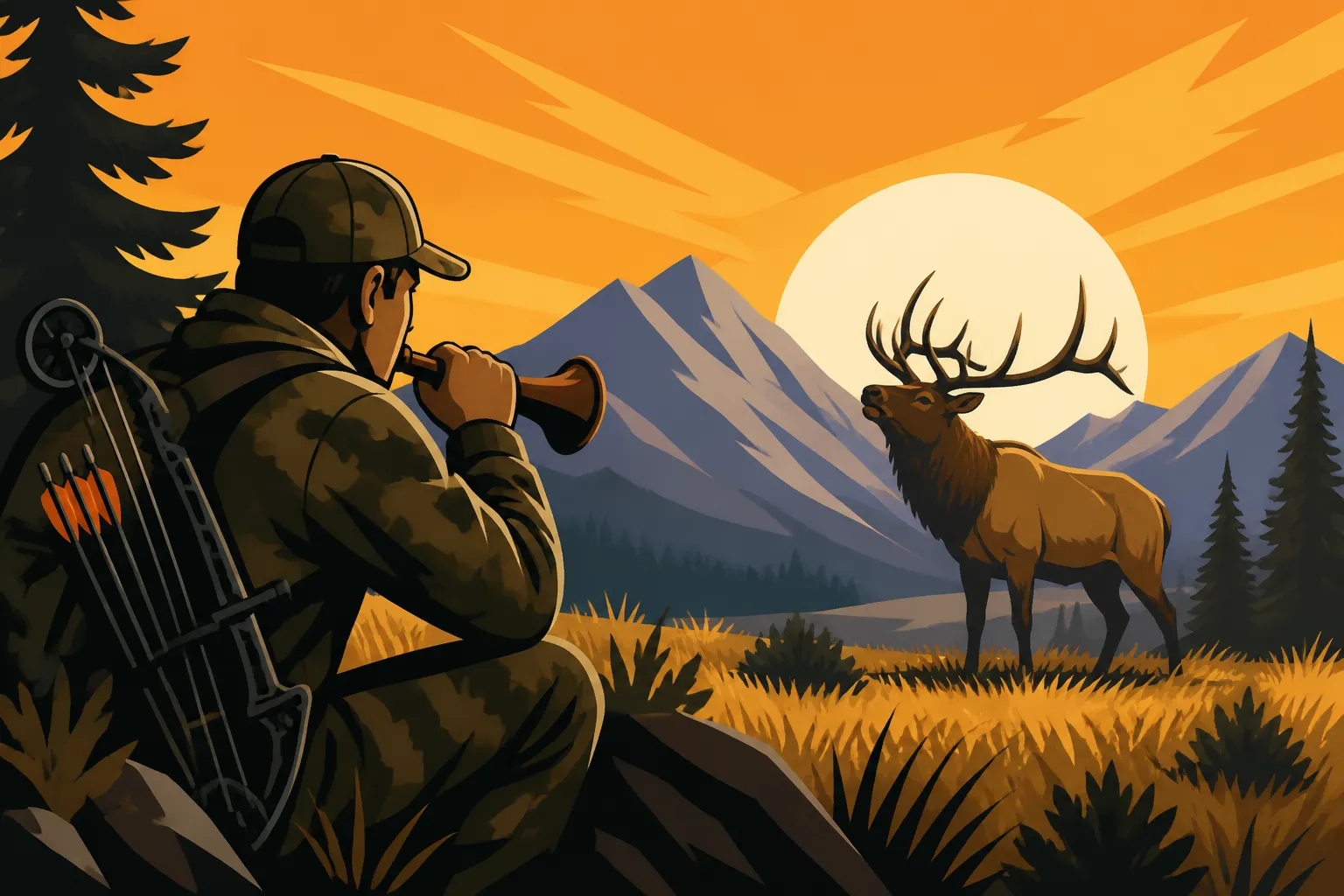
Every elk hunter has their go-to call, and often, it's a combination. Diaphragm calls are fantastic because they allow for hands-free operation, which is critical when a bull is closing in and you need to keep your bow ready. They offer incredible versatility, from soft mews and chirps to aggressive bugles and grunts, all with practice. External reed calls, or "mouth calls," are generally easier for beginners to learn and produce consistent sounds, but they require a hand to hold them. Bugle tubes are essential for amplifying your diaphragm or external reed calls, giving them the deep, resonant quality of a bull elk. They're invaluable for projecting sound across vast Wyoming canyons, helping you locate distant bulls or make your challenge sound more intimidating. For close-in work, sometimes just a diaphragm call is all you need for those subtle, seductive mews.
Tuning Your Calls for Wyoming's Open Country
Simply owning a call isn't enough; you need to be proficient. Spend significant time practicing at home, listening to actual elk vocalizations online, and refining your technique. The acoustics of your living room are far different from a wide-open basin in the Bridger-Teton National Forest, so practice outdoors too. You'll quickly learn that sometimes a booming, aggressive bugle is needed to get a response from a distant bull, while other times, a whisper-soft estrus mew is what pulls a wary bull the last 50 yards into bow range. Pay attention to how the wind carries your sound – often, you'll need to call louder or in a different direction to cut through the breeze.
Call Accessories and Considerations
Don't forget the small but mighty accessories. A good bugle tube cover can protect your tube from dings and scratches, and some even help deaden the plastic sound, making your bugles sound more natural. Lanyards for your calls keep them accessible and prevent them from getting lost in the heat of the moment. Always carry spare diaphragm reeds; they can wear out or get damaged quickly. Keeping your calls clean is also important for hygiene and consistent sound production. Some hunters like to carry a small grunt tube for additional sounds, adding depth to their calling scenario.
Setting the Scene: Strategic Positioning and Wind Awareness
You can be the best caller in the world, but if your setup isn't right, a bull elk will bust you every time. Wyoming's vast, open country and often swirling mountain winds present unique challenges that demand meticulous planning and execution.
Playing the Wind: Your Number One Priority
Elk have an incredible sense of smell, arguably their strongest defense mechanism. Ignoring the wind is a guaranteed way to go home empty-handed. Before you even think about calling, you must assess the wind direction and velocity. Always plan your approach and setup so that your scent blows away from where you expect the elk to come from. In mountainous terrain, wind can be notoriously unpredictable, swirling through draws and over ridges. Carry a wind checker – a small bottle of unscented powder or thread – and check it constantly. If the wind shifts and starts blowing your scent towards the elk, you've likely lost that opportunity. Sometimes, waiting for a more favorable wind or making a strategic circle to get on the downwind side is your only option. Your success hinges on understanding and respecting the wind. If you're struggling to understand the nuances, remember that getting a bead on how to predict and react to a Reading Wind on an Open-Country Stalk can make or break your hunt.
Utilizing Terrain for Advantage: Cover and Concealment
Wyoming's diverse landscape offers numerous opportunities for strategic positioning. Use the terrain to your advantage for both your approach and your setup. Deep draws, timbered ridges, and dense patches of sagebrush can all provide the cover you need to move silently and remain undetected. When setting up to call, choose a spot that offers good concealment while still providing shooting lanes. Consider where a bull is likely to approach from based on the terrain. Will he come over a ridge, through a timbered finger, or along a creek bottom? Position yourself so he'll step into a clear shooting window before he spots you. Often, a slight rise or a cluster of pines just behind your position can be an ideal spot, allowing you to remain hidden while drawing him in.
The Two-Hunter Setup: A Game Changer
For bowhunters, the two-hunter setup is an absolute game-changer, especially when calling aggressive bulls. This tactic involves one person acting as the designated caller and the other as the shooter. The caller positions themselves 50 to 100 yards behind the shooter, off to one side. When the bull approaches, he will naturally focus his attention on the sounds of the caller, allowing the shooter to remain still and unnoticed, ready to draw their bow as the bull passes into range. This works incredibly well if the caller mimics a cow trying to get away, drawing the bull's attention past the shooter's position. This technique is so effective that many seasoned elk hunters consider it almost a necessity. If you're planning a trip with a buddy, taking the time to practice Two-Hunter Calling Setups That Actually Work on Bulls will greatly boost your odds.
The Art of the Approach: Locating and Closing the Distance
Finding elk in Wyoming's vast wilderness is a challenge in itself. Once you've located a responsive bull, the next critical step is to close the distance strategically and interpret his responses, setting the stage for a successful calling sequence.
Locator Bugles for Finding Bulls at Dawn and Dusk
Often, the first step is simply finding a bull that's willing to talk. The best times for this are typically dawn and dusk, when elk are most active and vocal. Let out a robust, confident locator bugle into a basin or across a canyon. Don't be shy, you need to project your sound far and wide. Then, be patient and listen intently. A bull might respond immediately, or it might take a few minutes. Sometimes, you'll hear a distant bugle you wouldn't have heard otherwise. The key here is not to overcall. A few well-placed locator bugles, followed by long periods of listening, will tell you if there are bulls in the area and where they might be headed. Remember, this isn't about calling them in yet; it's about finding them. For a deeper dive, consider techniques for Locator Bugles for Finding Bulls at Dawn.
Reading the Response: Understanding What the Bull is Telling You
Once a bull responds, every subsequent vocalization from him is a clue. Is his bugle weak and distant, suggesting he's just acknowledging your presence without much interest? Is it a screaming, aggressive bugle that cuts off your own, indicating he's coming in hot and ready to fight? Or perhaps he's letting out soft mews and chuckles, showing curiosity but a cautious approach. If he's moving and bugling, pay attention to his direction. If he stops talking entirely, he might be moving in silently, or he could have picked up on something. Interpreting these responses allows you to adjust your strategy. An aggressive bull might require a more direct, challenging call, while a hesitant one might need softer, more seductive cow sounds.
Silent Stalking and Strategic Pauses
After you've located a bull and determined his general direction, the hard work of closing the distance begins. This is where silent stalking becomes absolutely vital. Every step must be intentional, eyes scanning the terrain for obstacles and potential elk. Use natural features like depressions, rock formations, and timber patches to conceal your movement. Move slowly, deliberately, and pause frequently to listen. Elk have incredible hearing, and rushing in will often lead to blowing your setup before you even get a chance to call effectively. During these pauses, you might hear the tell-tale snap of a twig, the rustle of leaves, or the soft mew of a cow, all indicating elk presence. Remember, the quieter you are, the closer you can get before needing to call him in. This silent approach is similar to the patience required for Still Hunting Timber for Bedded Mule Deer, but applied to the more active pursuit of elk.
The Calling Sequence: From First Contact to Bow Shot
Once you've made contact with a bull and positioned yourself favorably, the calling sequence becomes a delicate dance between persuasion and caution. This is where your practice and understanding of elk vocalizations truly pay off.
Initiating Contact: Soft and Inviting
When you're ready to start calling, especially if the bull has already responded to a locator, often less is more. Resist the urge to immediately blast a challenge bugle. Instead, start with soft, inquisitive cow mews or chirps. You're trying to pique his curiosity, to suggest there's a receptive cow nearby without being overtly aggressive. A series of three or four soft mews, then a long pause, can be incredibly effective. This approach works particularly well if the bull seems cautious or if you suspect he's with cows and you don't want to alert a dominant herd bull too soon. You want to sound like a natural part of his world, not an intruder.
Escalation and De-escalation: Reading the Bull's Mood
As the bull responds and moves, you need to constantly read his mood and adjust your calling. If he comes in hot and aggressive, you might need to match his intensity with some light raking on a tree (mimicking a bull rubbing his antlers) and a confident chuckle on your bugle tube. If he slows down, hesitates, or seems to hang up, switch back to softer, more seductive cow calls, perhaps an estrus whine, to pull him those last few yards. Knowing when to escalate (more aggressive calls) and when to de-escalate (softer, more pleading calls) is a fine art that comes with experience. It's a continuous conversation. Understanding the differences between Bugling Against Cow Calling Through September can make a huge impact on your success rates during the rut.
The Final Draw: Guiding Him to Your Lane
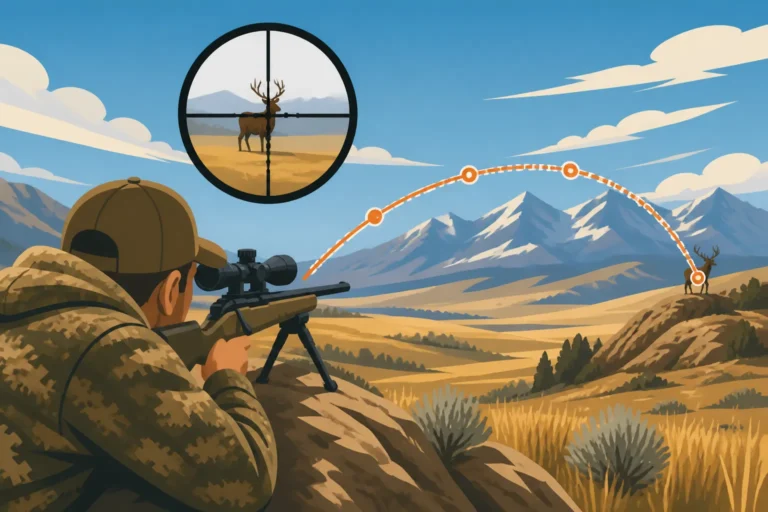
When a bull is within 100 yards and approaching, your calling shifts from attraction to precision. Your goal now is to subtly guide him into a shooting lane, positioning him for a clean shot. If he's staring intently in one direction, a soft mew or chirp from slightly to the left or right of your position can often make him turn his head, take a few more steps, or shift his body just enough to expose a vital area. Use the terrain and cover to your advantage. Try to anticipate where he'll step next and make a soft call just as he's about to enter your lane. Sometimes, going completely silent for a moment can also make him take those extra steps, trying to pinpoint where the "cow" went. This delicate final approach truly illustrates How Close a Bowhunter Really Needs to Get for a successful archery shot.
Common Challenges and Troubleshooting in Wyoming
Wyoming elk hunting, especially with a bow, is a test of skill, patience, and adaptability. You're going to encounter situations that don't go according to plan, and knowing how to troubleshoot in the moment can turn a frustrating hang-up into a successful harvest.
Pressured Bulls and Educated Herds
One of the biggest realities of hunting public land in Wyoming is that many elk, especially older bulls, are "call-shy" or "call-educated." They've heard it all before, they've been busted, and they've learned to be extremely wary of aggressive bugles or repetitive cow calls. In these situations, subtlety is your best friend. Lean heavily on soft, infrequent cow mews and chirps. Sometimes, no calling at all, and simply using your knowledge of terrain and wind to stalk silently, is more effective. If you do call, keep your sequences short and spaced out. Mimic a small, quiet group of elk. You might also find that hunting outside of peak rut, or in less accessible areas, increases your chances. It truly requires a nuanced approach, particularly when Calling Elk on Pressured Wyoming Public Land.
Elk Hanging Up: Why They Stop and How to Counter
It's a classic scenario: a bull is bugling back, sounds like he's coming in, and then… he stops. He's just out of range, bugling intermittently, staring intently into the timber. There are several reasons this happens:
- Wind Shift: He caught a whiff of your scent.
- Visual Confirmation: He saw something that didn't look right, even a subtle movement.
- Lack of Conviction: Your calls weren't convincing enough, or he suspects a trick.
- No Cow: He's looking for a visual of the cow he's hearing.
- Satellite Bull: A younger bull is hanging around, preventing the dominant bull from committing fully.
To counter this, first, check the wind. If it's bad, the gig is up. If the wind is good, try going completely silent for 5-10 minutes. This often makes him curious enough to take a few more steps to investigate. If that doesn't work, try a different type of call – an estrus whine instead of a mew, or vice-versa. If you're with a partner, have the caller try to circle slightly, making calls from a different position, simulating a cow moving away. This often forces the bull to commit.
Dealing with Satellite Bulls and Unwanted Attention
Sometimes, your calls will attract not the herd bull you're after, but a young, eager satellite bull or a spike. While it's exciting to have an elk come in, these smaller bulls can sometimes blow your setup for the big one. If a satellite bull comes charging in, stay still and let him pass if possible. Avoid drawing your bow unless you intend to harvest him and he's legal. If he gets too close or seems to be circling to get downwind, a soft "chuck" or a quiet "quit it" can sometimes make him hesitate or move on without spooking the entire area. The goal is to manage the situation without creating unnecessary commotion that will alert the dominant bull or his cows.
Beyond the Call: Scouting and Preparation for Success
While mastering elk calls is a crucial skill, it's only one piece of the puzzle. The most successful bowhunters understand that effective calling is built upon a foundation of thorough scouting, meticulous planning, and rigorous physical and mental preparation.
E-Scouting and Boots-on-the-Ground Reconnaissance
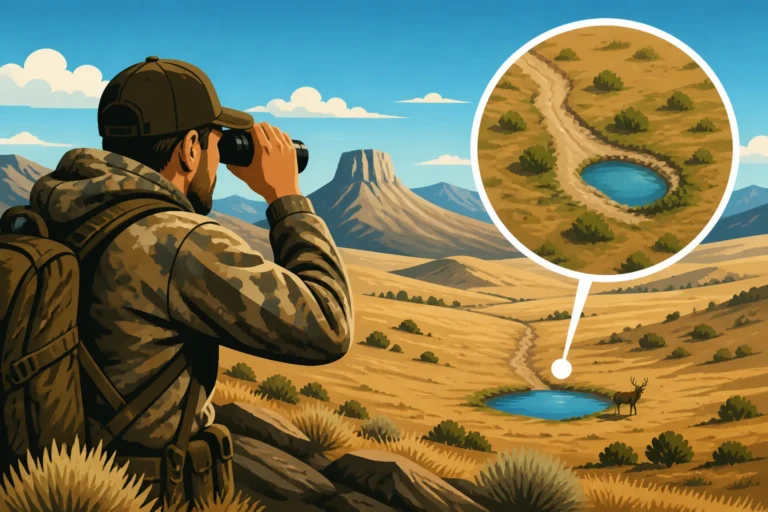
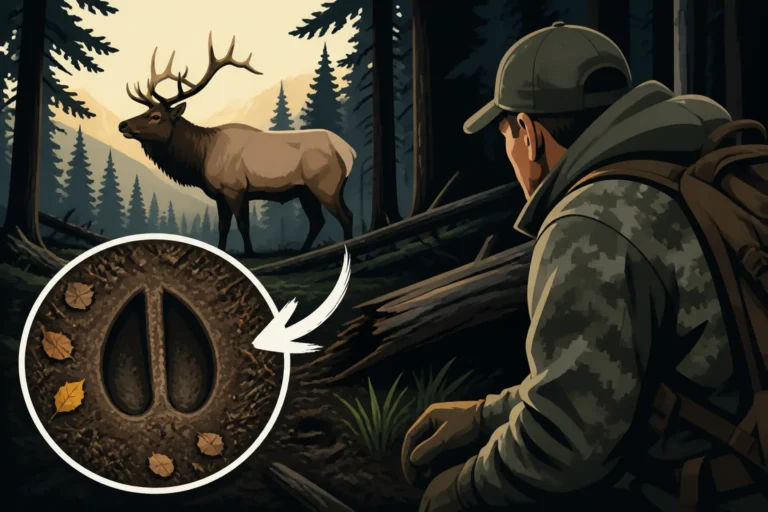
Modern technology has revolutionized the way we scout. Tools like GoHunt and onX Hunt allow you to e-scout from the comfort of your home, identifying potential elk habitat, north-facing timbered slopes (prime bedding areas), water sources, and known migration corridors. You can analyze terrain, public/private land boundaries, and access points. However, e-scouting is only the first step. Nothing replaces "boots-on-the-ground" reconnaissance. Hike into those potential areas, look for fresh sign—tracks, droppings, rubs, wallows. Confirm water sources and identify natural pinch points or funnels where elk might travel. This combination of digital and physical scouting allows you to enter the field with a solid game plan, increasing your chances of finding elk before you even make your first call. For a comprehensive strategy, review resources on E-Scouting a Unit Before the Season Opens.
Timing Your Hunt: Peak Rut and Beyond
While elk calling can be effective throughout the season, understanding the elk rut cycle in Wyoming is critical for maximizing your calling opportunities. The peak of the rut, typically in mid to late September, is when bulls are most vocal and susceptible to calling as they compete for cows. During this time, aggressive bugles and estrus whines are often most effective. However, don't dismiss early or late season. In early September, bulls are often bachelor-grouped and might respond to curiosity calls. Post-rut in October can also be productive, as bulls are worn down and still looking for receptive cows. Knowing When the Elk Rut Actually Peaks Out West can help you plan your hunt for the absolute best chances. Keep an eye on the specific Wyoming Elk Season Dates Are Set Hunt Area by Hunt Area for your chosen unit.
Physical and Mental Conditioning for the Mountains
Wyoming elk hunting is physically demanding. You'll be covering miles over steep, uneven terrain, often at high altitudes. Being in excellent physical condition is not just about comfort; it's about being able to perform when it counts. Regular hikes with a loaded pack, cardio workouts, and strength training will prepare your body for the rigors of the hunt. Equally important is mental conditioning. Elk hunting can be mentally taxing, with long hours of no activity, frustrating setbacks, and the pressure of a shot opportunity. Develop patience, perseverance, and a positive attitude. Practice your bow shooting in hunting scenarios – drawing from an awkward position, after a strenuous hike, or from an elevated stand. The better prepared you are physically and mentally, the more effectively you can execute your calling strategies when the moment of truth arrives.
Ethical Considerations and Fair Chase Principles
As bowhunters, we have a profound responsibility to uphold the highest ethical standards and practice fair chase. This not only ensures the future of hunting but also respects the animals we pursue and the landscapes we traverse.
Respecting the Animal and the Land
Our commitment to ethical hunting extends far beyond simply following the rules. It means minimizing stress on the animal, ensuring a quick and humane harvest, and making every effort to retrieve downed game. Understand and practice proper field dressing techniques and carcass transport rules to preserve the meat. Always pack out everything you pack in, leaving no trace of your presence. Calls should be used as a tool for ethical hunting, not for harassing or excessively disturbing wildlife. It's about respecting the animals' natural behaviors and their habitat. Wyoming's Wanton Waste Rules Every Wyoming Hunter Should Know are not just legal requirements but ethical guidelines for every responsible hunter.
Legalities and Regulations in Wyoming
Before you ever set foot in the field, thoroughly familiarize yourself with the current Wyoming Game and Fish Department regulations. These regulations are designed to manage wildlife populations, ensure fair chase, and provide sustainable hunting opportunities. This includes understanding weapon specific rules, such as Wyoming Sets Bow Draw Weight at 40 Pounds, 50 for Elk and other bow hunting guidelines, legal shooting hours, specific tag requirements for your hunt area, and any special restrictions that may apply. Ignorance of the law is never an excuse. Always carry your license and tag, and if you have questions, contact the Wyoming Game and Fish Department directly.
The Spirit of the Hunt: Beyond the Kill
Ultimately, elk hunting in Wyoming is about more than just punching a tag. It's about the entire experience: the early mornings, the physical challenge, the camaraderie with hunting partners, the stunning landscapes, and the intimate connection with nature. It's about the thrill of the chase, the strategic chess match with a wily bull, and the satisfaction of a well-executed plan. Whether you fill your tag or not, the lessons learned, the memories made, and the personal growth experienced are what truly define a successful hunt. Embrace the journey, respect the wild, and cherish every moment spent in pursuit of the majestic Wyoming elk.
Comparison of Elk Call Types
Here's a quick overview of common elk call types, their pros, cons, and best uses:
| Call Type | Pros | Cons | Best Use |
|---|---|---|---|
| Diaphragm Call | Hands-free operation, highly versatile (mews, chirps, bugles, grunts). | Steep learning curve, can be uncomfortable for some, sensitive. | Close-range cow calls, hands-free calling when bull is approaching, subtle mews. |
| External Reed Call | Easier to learn, consistent sound, good volume. | Requires a hand to operate, less versatile for varied sounds. | Locating distant bulls, loud cow calls, general calling practice. |
| Bugle Tube | Amplifies sounds, adds realism to bugles, deep guttural sounds. | Large and bulky, generally used in conjunction with another call. | Projecting bugles across long distances, aggressive challenge bugles. |
Disclaimer
Please remember that hunting regulations and wildlife conditions can change. Always consult the official Wyoming Game and Fish Department regulations for the current season before planning your hunt. This guide is for informational purposes only and does not constitute legal advice.