The Wyoming Range Deer Herd Is Half of What It Should Be
It's incredibly disheartening when a deer herd you've come to know and love takes such a hit. For years, the Wyoming Range mule deer herd was a beacon for hunters, known for its sheer numbers and the opportunity it provided. But devastating winters and other pressures have left this iconic herd at roughly half its ideal size, creating real challenges and uncertainty for everyone who cares about these animals. This guide is all about diving deep into what happened, where things stand today, and what the future might hold for the resilient mule deer of the Wyoming Range.
Understanding the Wyoming Range Deer Herd's Historical Significance
The Wyoming Range, stretching across western Wyoming, has long been a place of incredible natural beauty and abundant wildlife. For generations, it was synonymous with healthy mule deer populations, drawing hunters from across the country and supporting a vibrant local culture.
A Legacy of Abundance and Opportunity
Imagine a time, not so long ago, when you could glass a hillside in the Wyoming Range and see dozens, sometimes hundreds, of mule deer. This area, encompassing towns like Pinedale, Big Piney, and Afton, was once a premier destination for mule deer enthusiasts. Hunters talked about the "good old days" when general tags offered a reasonable chance at a respectable buck, and the sheer numbers meant a memorable hunt was almost a given. Local businesses, from gas stations and diners to sporting goods stores and outfitters, thrived on the influx of hunters during the fall seasons. It wasn't just about big antlers; it was about the experience, the tradition, and the opportunity to put venison in the freezer after a challenging but rewarding hunt in truly wild country. The herd's robust numbers were a testament to the health of the ecosystem and effective wildlife management strategies of the past. It felt like an endless resource, a legacy to be enjoyed by all.
The reputation of the Wyoming Range wasn't built on a few scattered deer; it was built on consistent, reliable populations that bounced back year after year. This sustained abundance provided not only economic stability for local communities but also deeply ingrained hunting traditions for families who had called this part of Wyoming home for generations. Every fall, the highways would fill with trucks loaded with gear, all heading to the timbered slopes and sagebrush flats where the deer roamed. The excitement was palpable, and the stories of successful hunts were legendary, reinforcing the area's status as a mule deer paradise.
The Ecosystem of the Wyoming Range
The success of the Wyoming Range deer herd was intrinsically linked to its unique and diverse habitat. The landscape here offers a perfect blend of high-elevation summer ranges in the mountains, providing lush forage and cooler temperatures, and critical winter ranges at lower elevations, where deer could typically escape the deepest snows and find sustenance. Areas like the Pinedale Mesa, Ryegrass Creek, and other specific wintering grounds were absolutely vital. These areas feature bitterbrush, sagebrush, and other browse species that deer rely on when snow blankets higher elevations.
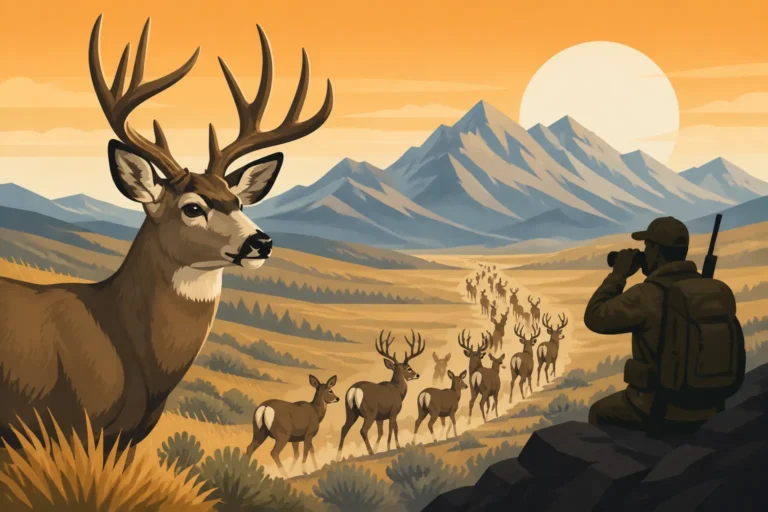
The complex network of migration corridors connecting these seasonal ranges is perhaps the most remarkable aspect of the Wyoming Range ecosystem. These ancient pathways, often spanning dozens of miles, allow deer to move from summer feeding grounds to winter survival zones, a testament to their resilience and adaptability. Maintaining the integrity of these corridors is paramount, as any disruption can have cascading effects on herd health. The interplay of topography, vegetation, and water sources throughout the Wyoming Range created a mosaic of habitats perfectly suited for mule deer, allowing them to thrive for so long.
The Troubling Decline: What Went Wrong?
The past few years have brought unprecedented challenges to the Wyoming Range deer herd, pushing populations to alarming lows. It's a sobering reality for anyone who cares about these magnificent animals.
The Brutal Winter of 2022-23 and Its Immediate Aftermath
You hear about "tough winters" in Wyoming, but the winter of 2022-23 was something else entirely. It wasn't just tough; it was absolutely brutal, a true deer killer, especially for the Wyoming Range. Persistent, heavy snowfall started early and stayed late, accumulating to depths rarely seen in decades. This wasn't fluffy powder; it was often dense, crusty snow that made movement incredibly difficult and exhausting for deer, especially the smaller fawns. Combine that with prolonged periods of extreme cold, and you have a recipe for disaster.
The deer simply couldn't access the limited forage that usually helps them through the lean months. Their energy reserves were depleted at an alarming rate, leading to widespread starvation. Fawn mortality was through the roof, and even mature does and bucks, usually more resilient, succumbed in significant numbers. It felt like the land itself was holding its breath, and when spring finally arrived, the devastating impact became painfully clear. Hunters and wildlife managers alike observed drastically reduced deer numbers, with some areas looking eerily empty. It’s hard to overstate the profound impact this single winter had on the herd. We saw firsthand What the 2022-23 Winter Did to Wyoming Mule Deer, and the effects will ripple through the population for years.
Chronic Wasting Disease CWD and Its Silent Toll
While the extreme winter delivered a crushing blow, Chronic Wasting Disease (CWD) has been a persistent, insidious threat to the Wyoming Range deer herd for years, silently chipping away at its health. CWD is a fatal neurological disease affecting cervids (deer, elk, moose) and is caused by abnormal proteins called prions. It's always 100% fatal, and there is no known cure or vaccine. The disease spreads through direct animal-to-animal contact, as well as indirectly through contaminated environments, as prions can persist in soil and plants for extended periods.
The scariest part about CWD is that it can take years for an infected animal to show symptoms, which include emaciation, lethargy, drooling, and abnormal behavior. By the time symptoms are visible, the animal has likely been shedding prions into the environment for a long time, infecting others. High deer densities, particularly on winter ranges where animals congregate, can accelerate its spread. While CWD doesn't cause mass die-offs like a severe winter, its steady, grinding impact weakens the herd, making it more vulnerable to other stressors and reducing overall population health and reproductive success. Hunters play a crucial role in monitoring CWD by submitting samples for testing, helping wildlife managers track its prevalence and distribution.
Habitat Degradation and Fragmentation
Beyond the acute pressures of severe winters and chronic disease, the Wyoming Range deer herd has also contended with longer-term issues of habitat degradation and fragmentation. Energy development, particularly oil and gas activities, has expanded in certain areas, leading to increased road networks, infrastructure, and human activity. This can disrupt crucial winter ranges and migration corridors, making deer more susceptible to stress and displacement.
Modern fence lines, while necessary for ranching, can also act as significant barriers for migrating deer, forcing them into longer, more perilous routes or cutting them off from vital resources. While some efforts have been made to modify or remove problematic fences, it remains an ongoing challenge. Wildfires, while a natural part of the ecosystem, can also temporarily or, in some cases, permanently alter habitat, affecting forage availability and cover. Overgrazing in some areas, or simply the natural succession of vegetation that becomes less palatable for deer, further reduces the carrying capacity of the land. All these factors combine to shrink and diminish the quality of the habitat that the Wyoming Range deer depend on for their survival, making recovery even more challenging.
Current Status and Population Objectives
When you look at the numbers, it's clear the Wyoming Range deer herd is in a tough spot. Wildlife managers and hunters alike are grappling with a population that is dramatically smaller than it should be, a stark reminder of the challenges these animals face.
Far Below Management Objectives
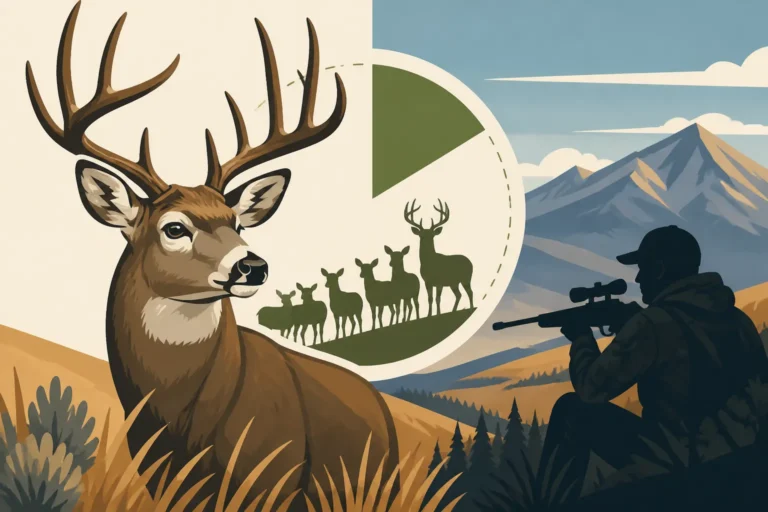
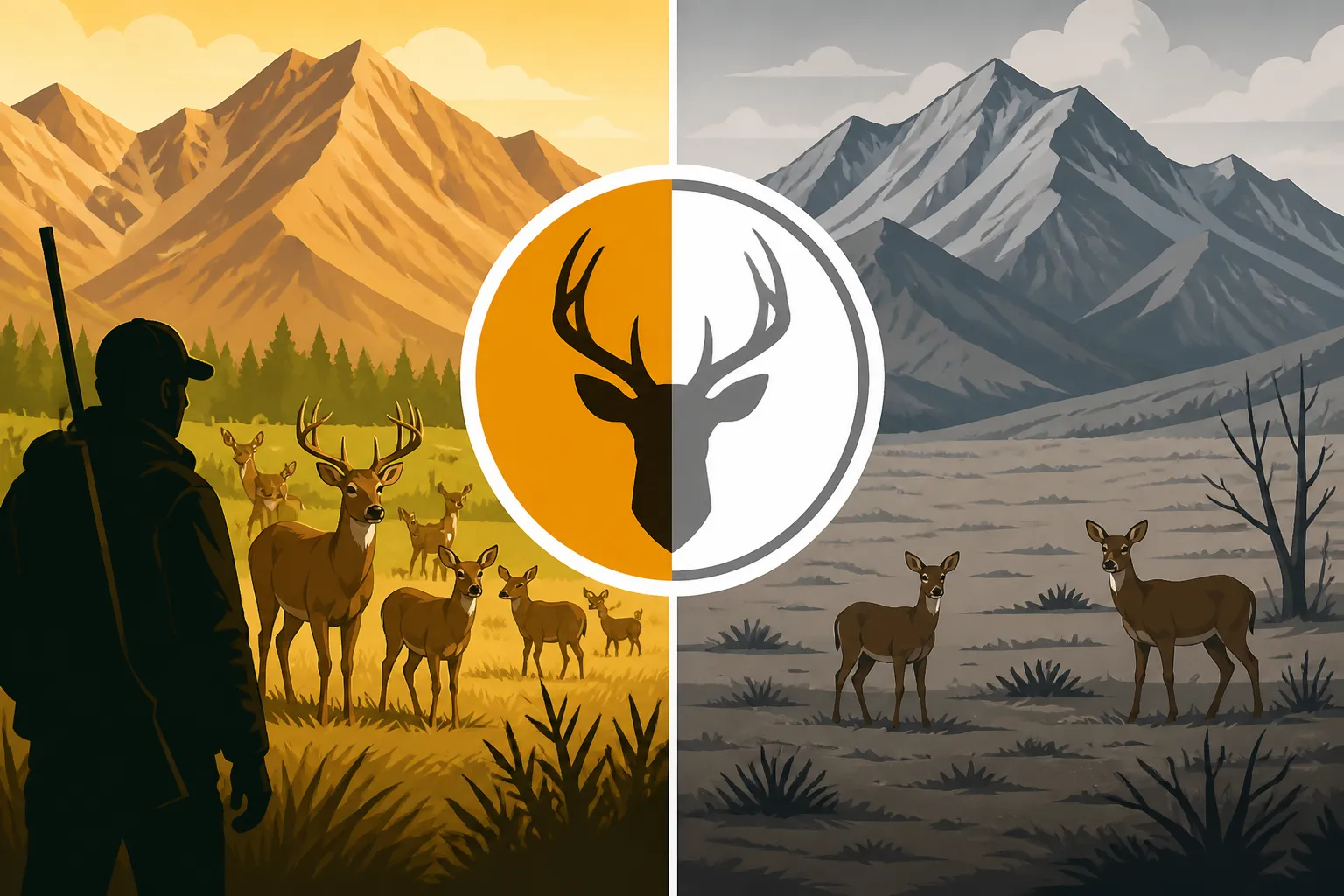
For years, the Wyoming Game and Fish Department (WGFD) has set specific population objectives for the Wyoming Range mule deer herd, aiming for a healthy and sustainable population that balances ecological factors with hunter opportunity. Historically, this objective hovered around 30,000 to 45,000 deer, reflecting the area's capacity to support a thriving herd. However, the latest estimates paint a grim picture: the herd is currently estimated to be closer to 17,000 to 18,000 animals, which is, in essence, about half of what it should be.
This significant shortfall means the herd is in a precarious state, struggling to maintain its numbers, let alone grow. A "population objective" isn't just a random number; it's a carefully calculated target based on habitat carrying capacity, historical data, and what the landscape can realistically support. Being so far below this objective triggers serious management actions, largely focused on protection and recovery rather than maximizing harvest. It means fewer tags, more conservative hunting seasons, and a long-term commitment to rebuilding the herd from the ground up. The sheer gap between the current numbers and the ideal is a sobering indicator of the work ahead. Understanding The Population Objective for Wyoming Range Deer helps contextualize the magnitude of the problem facing this herd.
Demographic Shifts: Older Bucks and Fewer Fawns
One of the most concerning consequences of the severe winter and other pressures is the dramatic shift in the herd's demographics. When a significant die-off occurs, it's rarely uniform. Fawns and older, less robust deer are often the first to perish. The brutal winter of 2022-23 wiped out a huge percentage of the fawn crop and many older does, severely impacting the herd's reproductive potential. What's left, in many areas, is a disproportionate number of middle-aged to older bucks and a reduced cohort of breeding-age does.
This leads to a "missing generation" of deer, as fewer fawns were recruited into the population. While it might sound good to have a higher proportion of older bucks, it actually presents challenges for recovery. A healthy herd needs a robust population of reproductive-age does to produce fawns year after year. With fewer fawns surviving, the growth rate is severely hampered, and it takes much longer for the population to rebound. This demographic imbalance also means that when hunters do draw a tag, they might see more mature bucks simply because those are the animals that were strong enough to survive, not necessarily because the overall population is healthy. It's a tough dynamic that highlights Why Surviving Bucks Are Now Five to Eight Years Old in many hard-hit areas.
Management Strategies for Recovery
Facing such a significant decline, the Wyoming Game and Fish Department has implemented a multi-faceted approach aimed at protecting the remaining deer and fostering conditions for recovery. These strategies require patience and understanding from everyone involved.
Hunting Regulation Adjustments
When a deer herd is struggling, one of the most immediate and impactful tools wildlife managers have is adjusting hunting regulations. For the Wyoming Range, this has meant significant reductions in tag allocations across many hunt areas. The days of easily acquired general season tags are, for the time being, largely gone in the hardest-hit units. Instead, we're seeing more limited quota options, often with very few tags available, particularly for antlered deer.
The primary rationale behind these changes is simple: protect the reproductive potential of the herd. By reducing hunter pressure, especially on does, the WGFD hopes to allow more fawns to be born and survive, slowly rebuilding the population. You might also see specific hunt areas implement stricter Antler Point Restrictions Kept for the 2026 Season to protect younger bucks and ensure they have a chance to mature and contribute to future breeding. These changes can be frustrating for hunters who have traditionally hunted the Wyoming Range, making it much harder to draw a tag. However, they are crucial steps designed to give the deer a fighting chance to bounce back.
Habitat Improvement Projects
While regulating hunting is an immediate action, long-term recovery for the Wyoming Range deer herd hinges on robust habitat. The WGFD, often in collaboration with organizations like the Mule Deer Foundation, National Forest Service, and Bureau of Land Management (BLM), is actively engaged in various habitat improvement projects. These initiatives are designed to enhance the quality and quantity of forage, improve cover, and ensure the functionality of vital migration corridors.
Projects might include targeted bitterbrush planting in crucial winter ranges, conifer removal in areas where encroaching trees have shaded out preferred deer forage, or prescribed burns to stimulate new, nutritious growth. Another critical focus is modifying or removing problematic fence lines to facilitate deer movement, particularly during migration. Groups like the Wyoming Migration Initiative have pioneered efforts to map these routes and identify barriers. These projects aren't quick fixes; they are long-term investments in the health of the ecosystem, designed to create a more resilient landscape that can better support deer through future challenges. It's a testament to the idea that you can't have healthy deer without healthy habitat.
Disease Monitoring and Research
With Chronic Wasting Disease (CWD) posing a significant long-term threat, continuous disease monitoring and research are paramount to the recovery of the Wyoming Range deer herd. The WGFD relies heavily on hunters to voluntarily submit lymph node samples from harvested deer, which allows biologists to track the prevalence and geographic spread of CWD. This data is critical for understanding the disease's impact and informing management decisions.
Beyond CWD, there's also ongoing vigilance for other diseases, such as brucellosis, which can affect elk and sometimes deer, especially in areas where different cervid species congregate. While the focus has been on CWD in deer, lessons learned from managing diseases like brucellosis in elk, particularly around How Many Elk Feedgrounds Wyoming Still Runs, inform broader disease management strategies. Researchers are also exploring various avenues, including genetic resistance to CWD and potential environmental mitigation strategies. Public education is a key component, ensuring hunters understand how to minimize disease transmission and what precautions to take when handling and consuming venison from CWD-positive areas. The more we understand, the better we can protect these herds.
What This Means for Hunters
The changes impacting the Wyoming Range deer herd have ripple effects that directly impact hunters. It's a new reality that requires adaptation, patience, and a willingness to embrace different approaches to hunting in this iconic region.
Navigating Reduced Opportunity and Increased Competition
Let's be honest: the days of showing up in the Wyoming Range with an over-the-counter tag and expecting to easily find deer are largely behind us, at least for the foreseeable future. The significant reduction in deer numbers has translated directly into drastically reduced tag allocations for many of the hunt areas within the Wyoming Range. This means fewer opportunities overall, particularly for nonresident hunters.
Drawing a coveted mule deer tag in this region now often requires accumulating preference points for several years, or getting lucky in the random draw. The competition for available tags is intense, and the draw odds have plummeted for many popular units. This can be incredibly frustrating, especially for those who've dreamed of hunting this area or have long-standing traditions there. Tools like GoHunt become invaluable in this new landscape, allowing hunters to meticulously research draw odds, analyze unit-specific success rates, and plan their multi-year strategy for accumulating points or targeting units with slightly better chances. It's no longer just about deciding where to hunt, but how to play the draw game. Knowing Points Needed for a Wyoming Mule Deer Tag for specific areas is crucial intel.
Adapting Hunting Strategies
With fewer deer on the landscape and increased pressure on the remaining animals, hunters heading to the Wyoming Range need to adapt their strategies. Simply cruising roads or expecting to glass up huge herds is likely to lead to disappointment. Instead, a more focused, patient, and often more physically demanding approach is required.
This means putting in extra effort during scouting, perhaps utilizing advanced e-scouting tools to identify smaller, overlooked pockets of habitat where deer might be concentrated. When you are in the field, it's about being incredibly observant, paying attention to subtle sign, and being prepared to cover more ground on foot. Ethical shot placement becomes even more critical, ensuring quick, clean kills, especially given the precious nature of every deer harvested. Avoid over-pressuring areas, allowing deer to utilize essential habitat undisturbed. Furthermore, understanding how to read the wind on an open-country stalk, a skill often vital in Wyoming, becomes even more important when deer are sparser and more wary. Resources like GoHunt provide detailed maps and data layers that can assist in identifying potential bedding areas, feeding zones, and migration funnels, helping hunters make the most of their limited opportunities.
Becoming Part of the Solution
While it's easy to feel disheartened by the decline, hunters have a critical role to play in the recovery of the Wyoming Range deer herd. Your participation and support are not just helpful; they're essential. One of the most direct ways is by supporting conservation organizations like the Mule Deer Foundation, Rocky Mountain Elk Foundation, or local wildlife groups that are actively involved in habitat improvement projects. Voluntarily participating in these projects, whether it's planting bitterbrush or helping with fence modifications, is a tangible way to give back to the resource.
Beyond direct action, every license dollar you spend in Wyoming contributes to wildlife management, research, and enforcement efforts by the WGFD. Adhering strictly to all hunting regulations, including new or modified season structures and antler point restrictions, is non-negotiable. Reporting any unusual observations, such as sick deer or significant winter kills, to the WGFD can provide valuable data. Finally, considering Where Doe and Fawn Deer Licenses Remain and focusing on those opportunities where they exist can help manage herds sustainably in some areas, while being highly selective and patient in trophy units demonstrates respect for the recovering population. By being informed, engaged, and ethical, hunters can truly become stewards of the Wyoming Range deer herd, helping ensure its future for generations to come.
The Road Ahead: Hope and Challenges
The path to recovery for the Wyoming Range deer herd is not a sprint; it's a marathon. It will require sustained effort, favorable conditions, and the continued dedication of wildlife managers, conservationists, and hunters alike.
Long-Term Outlook and Recovery Timelines
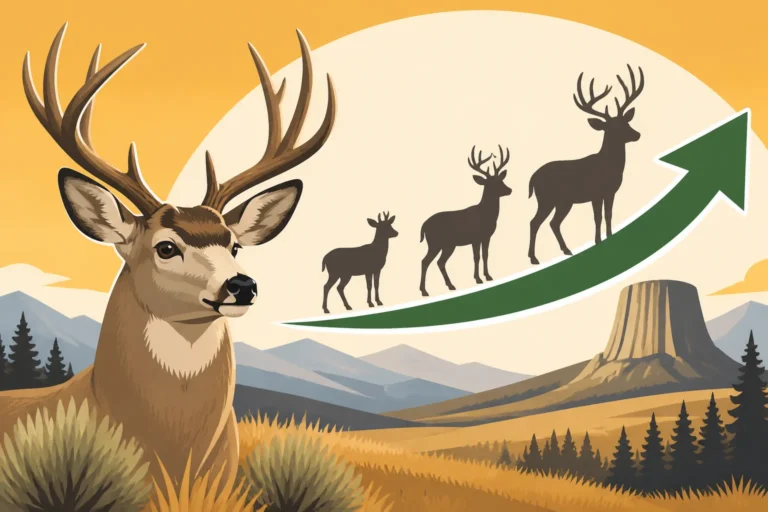
Let's be realistic: a herd that has been decimated to half its target population doesn't rebound overnight. The recovery of the Wyoming Range deer herd is going to be a multi-year, and quite possibly a multi-decade, process. Wildlife populations are complex, and their recovery depends on a delicate balance of factors. The most critical element for a rapid rebound will be a string of mild, open winters, allowing fawns to survive their first year and does to enter spring in good body condition, maximizing their reproductive success. Consistent, strong fawn recruitment is the engine that drives population growth.
Even with favorable weather, it takes time for fawns to mature into breeding adults, and even longer for them to contribute significantly to the overall herd numbers. Factors like continued disease prevalence, predator pressure, and the pace of habitat restoration will also play a significant role. The WGFD will continue to monitor the herd closely, adjusting regulations as needed, but everyone involved needs to temper expectations with patience. We're looking at a long road, but with concerted effort and a bit of luck from Mother Nature, the herd can eventually return to healthy objective levels.
Climate Change and Future Winters
One of the biggest wild cards in the recovery of the Wyoming Range deer herd, and indeed for all wildlife, is the unpredictable nature of climate change. While we hope for a succession of mild winters, the reality is that we've been experiencing more extreme weather patterns—droughts followed by devastating snowfalls, sudden temperature swings, and shifts in precipitation. These events pose significant challenges to wildlife management.
A single severe winter can erase years of slow, hard-won population gains, as we saw with the 2022-23 season. Droughts impact forage quality and water availability, stressing deer before winter even begins. Managing a herd in the face of such variability means focusing even more intensely on creating resilient habitat, ensuring deer have access to diverse forage and secure wintering grounds that can buffer them against environmental extremes. It also means building adaptive management strategies that can respond quickly to changing conditions. The future of the Wyoming Range deer herd will, in many ways, be a testament to our ability to manage and conserve wildlife in a rapidly changing world.
| Factor | Historical Population (circa early 2000s) | Management Objective (Pre-2022) | Post-Winter 2022-23 Estimate | Current Tag Allocations (Example) |
|---|---|---|---|---|
| Wyoming Range Deer | ~40,000 – 50,000 | 30,000 – 45,000 | ~17,000 – 18,000 | Significantly Reduced |
| Fawn Survival | High (50-70%) | Moderate-High | Extremely Low (10-20%) | N/A |
| Hunter Opportunity | High (General Tags Common) | Moderate | Very Low (Limited Quota) | Highly Competitive |
Disclaimer
Please remember that hunting regulations and wildlife population estimates are subject to change by the Wyoming Game and Fish Department. Always consult the most current official regulations and hunt proclamations before planning any hunt. This article provides general information and perspectives from a lifestyle blogger and should not be considered legal advice or a substitute for official sources.