Brucellosis, Cattle and Wyoming Elk
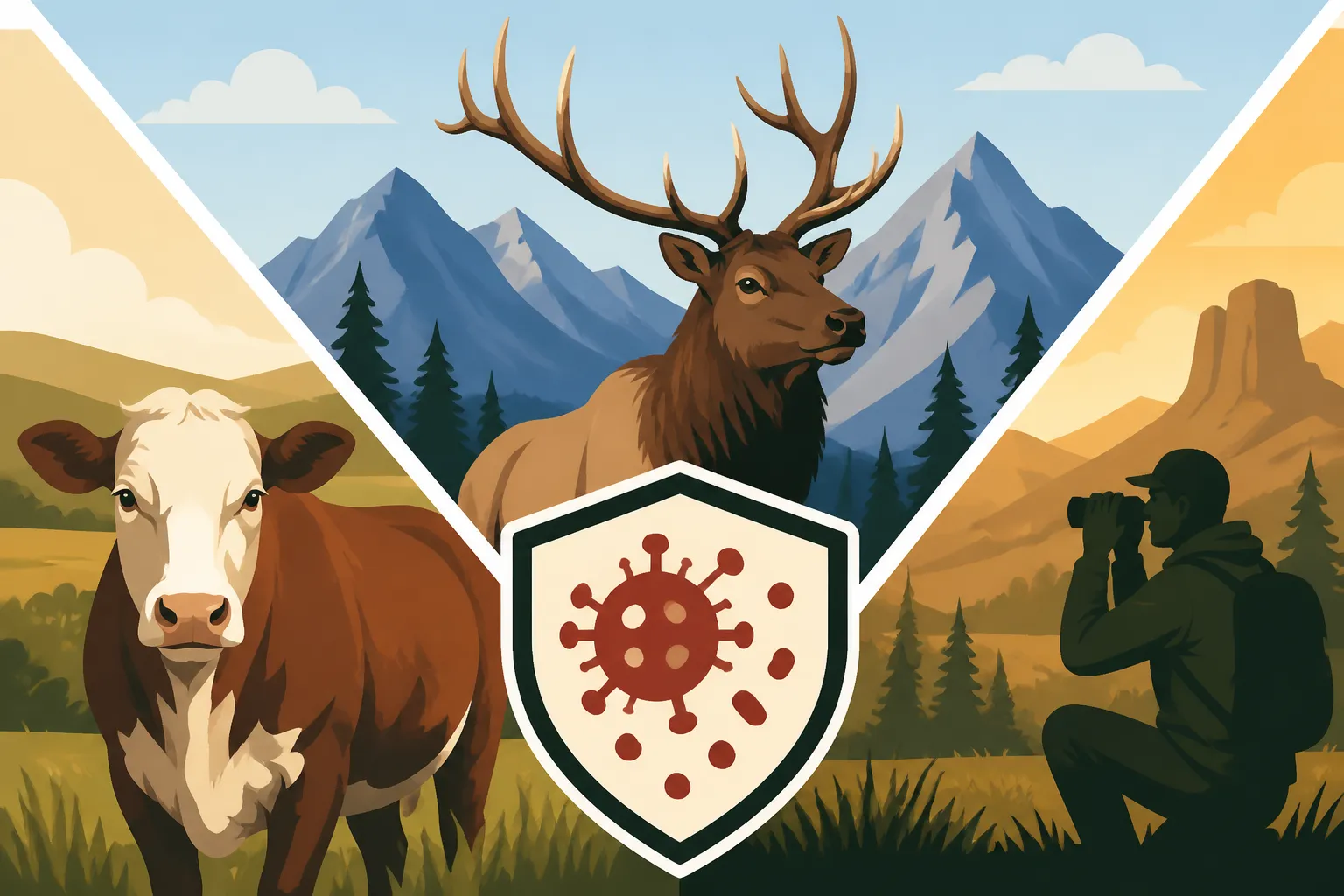
The invisible threat of disease in wildlife populations can feel like a constant worry for hunters, especially when it directly impacts iconic species like Wyoming elk and spills over into agricultural concerns like cattle. Navigating the complexities of brucellosis – what it is, how it spreads, and what it means for your hunt – can be confusing and frankly, a bit disheartening. This guide aims to clear up some of that haze, offering a comprehensive look at brucellosis in Wyoming, its implications for elk and cattle, and how hunters play a vital role in its management.
Understanding Brucellosis: A Persistent Challenge in Wyoming
Brucellosis is one of those words that can send shivers down a rancher's spine and raise questions for any hunter passionate about Western big game. It’s a bacterial disease that has deep roots in Wyoming and continues to present significant challenges for wildlife managers, livestock producers, and the hunting community alike. It’s not just a biological problem; it’s an economic and social one too, touching on everything from herd health to the very traditions of the West.
What is Brucellosis and How Does it Spread?
At its core, brucellosis is caused by bacteria, primarily Brucella abortus in cattle and elk, though other species exist. This nasty bug primarily targets reproductive organs, leading to abortions, stillbirths, and infertility. Imagine the devastation for a cattle rancher watching their cows abort calves, or for an elk herd struggling with reduced calf recruitment. The frustration is real, and the stakes are incredibly high. The primary way the disease spreads is through contact with infected birth tissues, fluids, and aborted fetuses. When an infected elk or cow aborts a calf, the surrounding area becomes highly contaminated with bacteria, which can then be ingested by other animals. This means if an uninfected animal grazes in an area where an infected abortion occurred, they can easily contract the disease. This is particularly problematic in areas where animals congregate, either naturally or in places like the Wyoming's Elk Feedgrounds and Why They Exist.
The symptoms in elk often go unnoticed by the casual observer until a major event like an abortion. In cattle, however, the disease can lead to visible signs such as swollen joints or retained afterbirth, though abortions are the most common and devastating symptom. It’s a slow-moving, insidious disease that can silently spread through a herd before anyone fully realizes the extent of the problem. For us hunters, understanding this transmission is crucial because it directly influences management strategies and our responsibilities in the field. The bacteria can survive in cold, moist environments for extended periods, making areas with persistent snow cover or damp ground potential hotbeds for transmission, especially during calving season.
The Historical Context: Brucellosis's Roots in the West
Brucellosis isn't a new problem in the Greater Yellowstone Ecosystem, which includes parts of Wyoming, Montana, and Idaho. It's been a persistent headache for over a century. Wild bison in Yellowstone National Park are a natural reservoir for the disease, and they’ve long been a source of transmission to elk, and from elk, sometimes to cattle. The frustration for many is that while bison are often seen as the primary source, the modern spread is more complex. The high concentration of elk on supplemental feeding grounds, particularly in western Wyoming, has created an ideal environment for brucellosis to spread among elk populations. These feedgrounds, established decades ago to mitigate elk depredation on private lands and help elk survive harsh winters, inadvertently became breeding grounds for disease. It's a classic Catch-22: provide winter sustenance, but at the cost of increased disease transmission.
For generations, families have relied on ranching and hunting as cornerstones of their lives in Wyoming. To see these traditions threatened by a persistent disease like brucellosis creates a unique blend of anxiety and resilience. The challenges faced by ranchers who lose calves or are forced to quarantine their herds are immense, impacting their livelihoods directly. Similarly, hunters worry about the health of the Wyoming Elk Herd Units and Winter Range and the long-term viability of their hunting opportunities. The history of brucellosis is a testament to the intricate and sometimes delicate balance between wildlife, livestock, and human activity in the wild West. The solutions aren’t simple, and they rarely satisfy everyone, leading to ongoing debates about the best path forward.
The Complex Relationship Between Elk and Cattle
The heart of the brucellosis issue in Wyoming often boils down to the interaction between wild elk and domestic cattle. Ranchers have every right to protect their livelihoods, and hunters want healthy elk populations. When disease bridges the gap between these two groups, it creates significant tension and requires careful, often difficult, management decisions. It’s not about blaming one animal over the other; it’s about understanding the mechanisms of transmission and working towards practical solutions that respect both wildlife and agricultural interests.
How Elk Transmit Brucellosis to Cattle
The primary concern for cattle producers is the transmission of brucellosis from elk to their domestic herds. This typically occurs when elk, especially those from infected herds, come into contact with cattle on shared grazing lands, or more critically, when an infected elk aborts a fetus or passes birth tissues on a cattle pasture. Imagine a rancher, carefully managing their herd, only to discover a devastating brucellosis outbreak. The source is often elusive, but the most likely culprit is an infected elk shedding the bacteria. The risk is highest during the late winter and spring calving seasons when pregnant elk are most likely to abort and cattle are also calving.
Consider a scenario where elk, pushed by deep snow, move down into lower elevations where cattle are beginning to graze for spring. If an infected elk aborts a calf in that pasture, the bacteria can persist in the environment. A curious cow might investigate the aborted material, or simply graze in the contaminated area, ingesting the bacteria. This direct or indirect contact with infected birthing fluids and tissues is the main pathway. The problem is exacerbated by the sheer number of elk in some areas and the close proximity they share with cattle, particularly around winter ranges and migration corridors. The density of animals in concentrated areas like the How Many Elk Feedgrounds Wyoming Still Runs makes this transmission a much higher risk, as the bacteria can spread rapidly through the dense population of elk, increasing the chances of spillover to cattle.
Economic and Management Impacts on Ranchers
For ranchers, a brucellosis outbreak is nothing short of an economic disaster. The immediate concern is the loss of calves due to abortions, which directly impacts their annual income. However, the ripple effects are far more extensive and create immense frustration. If a cattle herd tests positive for brucellosis, the ranch often faces a lengthy quarantine period. During this time, animals cannot be moved off the property without strict regulations and testing, severely limiting market access. This can mean delayed sales, lower prices, and increased feed costs for animals that would otherwise have been sold.
Furthermore, managing a quarantined herd involves extensive and costly testing protocols. Cattle must undergo repeated blood tests, which are time-consuming and add significant veterinary expenses. In severe cases, partial or even full herd depopulation might be required to eradicate the disease, a heartbreaking and financially ruinous decision for any ranching family. The stress and uncertainty of these situations are enormous, not just financially but emotionally. Ranchers in Wyoming already operate on tight margins, battling droughts, harsh winters, and fluctuating markets. Adding the burden of brucellosis, with its quarantines and potential herd losses, is a weight that many find incredibly difficult to bear. The collective impact of these outbreaks can even affect an entire state's beef industry, leading to trade restrictions or reduced market confidence, which is why the state invests so heavily in mitigation and surveillance.
Wyoming's Management Strategies and Hunter Involvement
Addressing brucellosis in Wyoming is a multi-faceted endeavor that involves wildlife agencies, livestock producers, researchers, and crucially, the hunting community. It's a constant effort to balance the health of wild populations with the economic viability of agriculture, all while striving to maintain hunting opportunities. No single solution exists, and strategies often evolve as new research emerges and environmental conditions change.
Efforts to Control Brucellosis in Elk Populations
The Wyoming Game and Fish Department, along with other agencies, implements a range of strategies to manage brucellosis in elk. One of the most significant efforts involves vaccination programs. Biologists capture elk, primarily on feedgrounds, and administer the Strain RB51 vaccine. This vaccine is not 100% effective at preventing infection, but it significantly reduces the rate of abortions in infected elk, thereby cutting down on the amount of bacteria shed into the environment. It's a massive undertaking, requiring substantial resources and personnel, often under challenging winter conditions. While there are debates about the efficacy and scale of these efforts, they represent a tangible commitment to mitigating the problem.
Beyond vaccination, other management tools include hazing elk away from cattle pastures, especially during critical calving periods. This can be contentious, as hazing often means pushing elk back towards areas with less forage or deeper snow. There's also ongoing research into ways to reduce elk congregation, particularly on the feedgrounds. This includes exploring alternative winter feeding strategies or slowly phasing out certain feedgrounds, which brings its own set of challenges, including potential increases in elk depredation on private land and concerns about the winter survival of the herd. When considering such changes, factors like What CWD on the Feedgrounds Means for Hunters also come into play, as disease management is rarely isolated to a single pathogen. The goal is to reduce disease transmission while maintaining healthy elk populations and minimizing impacts on local communities.
The Hunter's Role in Brucellosis Surveillance and Mitigation
Hunters are absolutely vital partners in Wyoming's brucellosis management efforts. Our presence in the field, our observation skills, and our willingness to participate in surveillance programs provide critical data that wildlife managers simply can't get any other way. The most direct way hunters contribute is through voluntary or mandatory brucellosis testing of harvested elk. In some hunt areas, Wyoming Game and Fish will ask hunters to submit blood samples or reproductive tissue from their harvested animals. This isn't just a bureaucratic hoop; it's how they monitor disease prevalence and track its spread.
When you harvest an elk, especially a cow or calf, consider offering samples for testing if requested. Knowing the brucellosis status of animals in different hunt areas helps biologists understand where the disease is active and where management efforts need to be focused. Beyond testing, proper carcass disposal is another critical aspect. If you harvest an elk, especially a female, it's always a good idea to pack out or bury any reproductive tissues and aborted fetuses (if encountered) away from areas where cattle might graze or other elk congregate. This simple act reduces the risk of further environmental contamination. Think of it as being a responsible steward of the land and its wildlife. Resources like GoHunt often highlight areas with higher disease prevalence, making hunters more aware of their potential role in disease monitoring.
Special Rules and Considerations for Hunters
While brucellosis doesn't generally pose a significant direct threat to hunter health if proper precautions are taken (more on that later), it does influence hunting regulations in certain areas. You won't typically find "brucellosis-specific" hunting seasons, but the disease influences overall herd management objectives, which in turn affect license quotas, season dates, and even The Wyoming Elk Population Estimate Explained. For instance, areas with high brucellosis prevalence might see increased cow tags issued to reduce overall herd density and thus minimize opportunities for disease transmission. It's frustrating to see fewer bull tags or more cow tags, but sometimes these decisions are made with herd health in mind.
It's crucial for hunters to stay informed about the specific regulations for their chosen hunt area. This means thoroughly reviewing the Wyoming Game and Fish regulations, using tools like the A Walkthrough of the Wyoming Hunt Planner and checking for any updates or special instructions related to disease monitoring. Pay attention to requirements for submitting samples or any guidelines on carcass transport, especially in areas bordering cattle operations or feedgrounds. Being a responsible hunter means not just following the letter of the law but understanding the spirit behind it – that we're all working together to maintain healthy wildlife populations and a vibrant hunting tradition. For example, rules regarding Field Dressing and Carcass Transport Rules Explained can be influenced by disease concerns, asking hunters to minimize the spread of biological materials.
Brucellosis in Elk vs. Cattle: Key Differences
| Feature | Elk | Cattle |
|---|---|---|
| Primary Strain | Brucella abortus | Brucella abortus |
| Main Symptom | Abortions, stillbirths (often unnoticed by public) | Abortions, stillbirths, infertility, retained afterbirth |
| Reservoir Status | Can act as a reservoir in some areas | Susceptible, not generally considered a wildlife reservoir |
| Transmission Risk | High in dense populations (e.g., feedgrounds) | From infected wild animals (elk, bison) to domestic herds |
| Vaccination | Strain RB51 vaccine (reduces abortions) | Strain RB51 vaccine (reduces abortions) |
| Management Focus | Population control, vaccination, reducing co-mingling | Testing, quarantine, depopulation, vaccination |
| Economic Impact | Indirect (herd health, hunting opportunity) | Direct (calf loss, market restrictions, testing costs) |
Living with Brucellosis: Challenges and the Future of Wyoming Hunting
Brucellosis is not going away anytime soon, and managing it will remain a significant challenge for Wyoming. It forces us to confront uncomfortable truths about human impacts on wildlife and the delicate balance required for a thriving ecosystem that includes both wild and domestic animals. As hunters, understanding these broader issues not only makes us more informed but also more effective advocates for the future of our hunting heritage.
The Debate Over Elk Feedgrounds
The issue of elk feedgrounds in Wyoming is perhaps the most contentious aspect of brucellosis management. On one hand, these feedgrounds, some of which have been in operation for over a century, undeniably help thousands of elk survive brutal Wyoming winters, preventing widespread starvation and reducing depredation on private haystacks. They are a deeply ingrained part of the local culture in many western Wyoming communities, and residents often feel a strong connection to the feedground elk. For example, areas discussed in The Pinedale Elk Herd Feedground Plan Explained often revolve around feedground issues.
On the other hand, scientists and managers widely agree that the unnaturally high concentration of elk on these feedgrounds creates an ideal environment for the rapid transmission of brucellosis. It’s a literal petri dish for the bacteria, significantly increasing the chances of outbreaks and subsequent transmission to cattle. This dilemma pits long-standing tradition and perceived necessity against modern wildlife disease science. Proposals to reduce or phase out feedgrounds are met with strong resistance, generating intense debates that involve local communities, ranchers, environmental groups, and hunters. It's a complex socio-political knot, and finding a path forward that satisfies diverse stakeholders while effectively addressing disease concerns is incredibly difficult. The future of brucellosis in Wyoming is inextricably linked to the future of these feedgrounds, and any meaningful long-term solution will likely involve significant changes to how elk are managed in these areas.
Personal Safety and Meat Handling for Hunters
While brucellosis is primarily a concern for animal health, it can affect humans. The disease in humans is called undulant fever and can cause flu-like symptoms, joint pain, and fatigue. However, direct transmission from elk to hunters is rare and usually occurs through direct contact with infected birth tissues, fluids, or raw meat, especially if there are open cuts or abrasions on the skin. This is why practicing good hygiene in the field is paramount, regardless of brucellosis concerns.
Always wear rubber or latex gloves when field dressing any animal, including elk. This isn't just for brucellosis; it protects against other potential pathogens and keeps your hands clean. When handling internal organs, particularly the reproductive tract of a cow elk, exercise extra caution. If you notice any abnormalities, like an aborted fetus or signs of infection, report it to the Wyoming Game and Fish Department. After field dressing, thoroughly wash your hands and tools with soap and water. When processing the meat, ensure it's cooked thoroughly. Brucellosis bacteria are readily killed by heat, so cooking elk meat to an internal temperature of at least 160°F (71°C) will eliminate any risk. There's no evidence that eating thoroughly cooked meat from a brucellosis-positive animal poses a risk to human health, but it's always wise to exercise caution. This also applies to considerations when asking Is Elk Meat Safe If the Animal Had CWD?, where proper cooking is key.
Navigating Hunt Area Regulations and Resources
Staying informed is your best defense against surprises and frustrations in the field. Wyoming Game and Fish regulations are updated annually, and it's your responsibility as a hunter to know and follow them. This includes any specific requirements related to disease surveillance in your chosen hunt area. The agency's website is the authoritative source for the most current information, offering detailed maps, season dates, and regulatory booklets.
Beyond official channels, various online resources and communities can be incredibly helpful. Platforms like GoHunt provide detailed data on draw odds, unit analyses, and often share insights into herd health and management strategies, giving hunters a deeper understanding of the challenges and opportunities in specific areas. Engaging with these resources, paying attention to herd health reports, and even participating in online forums can help you prepare for your hunt and understand the broader context of wildlife management in Wyoming. Remember, a well-informed hunter is a more ethical and successful hunter, capable of contributing positively to the conservation efforts that keep Wyoming's wild places truly wild. When planning, check the Wyoming Game and Fish posts access area maps for crucial information.
Disclaimer
Please remember that hunting regulations, seasons, and wildlife health information can change. Always consult the most current Wyoming Game and Fish Department regulations and official sources before planning and executing your hunt. The information provided here is for general guidance and educational purposes only.