Migration Corridors and the Red Desert Herd
It's incredibly frustrating to spend countless hours scouting, pouring over maps, and still feel like you're missing a critical piece of the puzzle when it comes to finding Wyoming mule deer. These incredible animals are constantly on the move, and nowhere is that more evident than in the vast, open stretches of the Red Desert. This guide will dive deep into the fascinating world of mule deer migration corridors, specifically focusing on the iconic Red Desert herd, and equip you with the knowledge to understand and potentially intercept these movements.
The Pulse of the Red Desert: Understanding Mule Deer Migrations
The Red Desert mule deer herd is a testament to resilience, but their survival hinges on one of nature's most incredible phenomena: migration. These aren't just random wanderings; they are deeply ingrained, generational movements that are crucial for the herd's ability to thrive, or sometimes, just to survive the brutal realities of the Wyoming landscape. For hunters, understanding these patterns isn't just academic; it's the key to unlocking success and truly appreciating the animals we pursue.
Why Migration Matters for Mule Deer Survival
Imagine a landscape that swings wildly between feast and famine, lush green and barren white. That's the reality for mule deer in places like the Red Desert. Migration isn't a choice; it's an absolute necessity driven by the seasonal availability of vital resources like food and shelter. During the harsh Wyoming winters, lower elevations and areas with less snow cover become critical survival zones, offering what little browse might be available. As spring emerges and green-up occurs, the deer begin their arduous journey back to higher elevations and summer ranges, where forage is abundant and nutritious, allowing them to rebuild body fat and does to successfully fawns.
Without these intricate movements, the herd simply couldn't sustain itself. The sheer distances covered by some of these deer are staggering, allowing them to exploit resources across vast territories. This seasonal shuffle also plays a role in disease management and genetic diversity, ensuring a robust and healthy population over time. For us as hunters, this means that understanding where and when these deer move from one critical habitat to another is paramount. Being in the right place at the right time, often along these established migration routes, can make all the difference between a successful hunt and a frustrating walk in the sagebrush.
The Red Desert's Unique Landscape Challenges
The Red Desert isn't your typical mule deer habitat. It’s a place of stark, often brutal beauty, characterized by vast, open sagebrush plains, barren badlands, and scattered buttes. Unlike the timbered mountains where deer might find refuge in dense forests, cover is scarce here. This means mule deer are incredibly exposed to predators and the elements, forcing them to rely on their keen senses, speed, and often, sheer distance to evade danger. Water sources, too, can be few and far between, especially during dry periods, making reliable water a significant driver of movement.
These extreme conditions directly influence mule deer behavior and, crucially, their migration paths. Deer here don't just follow the path of least resistance; they follow the path of most survival. This means utilizing subtle changes in topography like draws, creek beds, and the lee side of ridges to gain whatever shelter they can find from biting winds and scorching sun. Their migration corridors are often etched into this landscape over millennia, following routes that offer historical advantages in terms of forage availability, water access, and minimal predation risk. Knowing these subtle features can provide critical insights into where the deer will funnel when they're on the move.
Mapping the Invisible Highways: Identifying Migration Corridors
For a long time, understanding mule deer movements was largely anecdotal, based on observations and tradition. But thanks to incredible advances in technology and dedicated research, these "invisible highways" are now being mapped with unprecedented detail. For us hunters, this newfound knowledge is a game-changer, allowing us to plan our hunts with a much deeper understanding of the deer's world.
How Biologists Track Mule Deer Movements
Modern wildlife biologists utilize sophisticated tools to unravel the mysteries of deer migration. The most prominent of these are GPS collars. These devices are carefully fitted to individual deer, often in wintering grounds, and then continuously record their location over months and even years. This data, when aggregated from many animals, paints an incredibly detailed picture of migration routes, stopover points, and crucial bottlenecks. Researchers can then analyze patterns, identify specific corridors, and understand the timing of movements in response to weather patterns, forage conditions, and other environmental cues.
Beyond GPS collars, other technologies like remote cameras, aerial surveys, and even genetic sampling contribute to our understanding. The Wyoming Migration Initiative, a collaborative effort often referenced in discussions about Wyoming's Longest Recorded Mule Deer Migration, has been at the forefront of this research, mapping hundreds of migration routes across the state. This scientific approach provides invaluable insights into not just where the deer are going, but why they are going there, offering a foundation for both conservation efforts and informed hunting strategies.
Hunter's Tools for Corridor Identification
While biologists have their high-tech gadgets, we as hunters have our own powerful tools to identify these critical corridors. It starts with good old-fashioned topographic maps and satellite imagery. Look for natural funnels in the landscape: saddles between peaks, narrow draws, river crossings, and areas where open country abruptly meets denser cover. These are the places where animals are naturally compressed and directed along specific paths. Studying these features on a map during your E-Scouting a Unit Before the Season Opens can highlight potential pinch points where deer are likely to travel.
Modern hunting apps and digital mapping platforms are absolute game-changers here. Services like GoHunt often integrate public land boundaries, private land ownership, and even known migration data layers, allowing you to overlay this critical information directly onto your maps. This means you can virtually scout from your living room, identifying key terrain features and understanding land access simultaneously. By combining detailed satellite views with topographic lines, you can start to trace what looks like a natural travel route, then cross-reference it with any available migration corridor data or local knowledge. Remember, looking for these patterns from an aerial perspective on a screen can reveal details you might miss on the ground, helping you anticipate where deer will move, especially when pressured.
The Red Desert Herd: A Case Study in Resilience
The Red Desert mule deer herd is truly iconic, a testament to the rugged spirit of both the animals and the landscape they call home. It’s a herd that faces immense challenges, but one that continues to captivate hunters and conservationists alike with its incredible movements and adaptability.
Historical Context and Recent Population Trends
The Red Desert mule deer herd has long been known for its epic migrations and the sheer vastness of its range. Historically, it was a robust population, but like many Western herds, it has faced significant hurdles over the past few decades. Habitat fragmentation from energy development, drought, and predation have all taken a toll. More recently, devastating events such as the 2022-23 Winter Did to Wyoming Mule Deer, which saw massive snow depths and prolonged cold, hammered mule deer populations across the state, including in the Red Desert. These events can set back a herd's recovery by years, impacting not just fawn recruitment but also the survival of mature animals.
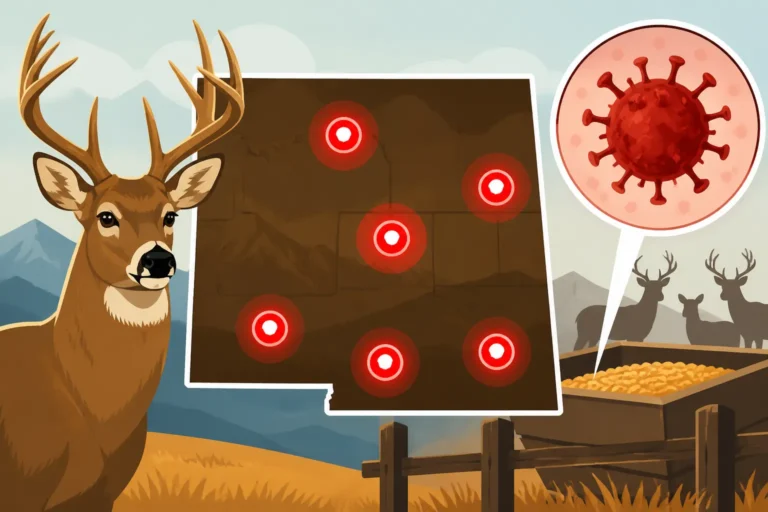
Chronic Wasting Disease (CWD) also presents an ongoing concern, particularly as deer congregate on winter ranges, increasing the potential for transmission. Despite these challenges, the Red Desert herd continues to persist, a testament to their inherent resilience and the conservation efforts aimed at protecting their habitat. Biologists carefully monitor population trends, fawn-to-doe ratios, and harvest data to understand the herd's health and make informed management decisions, often adjusting tag allocations to allow for recovery or to manage localized issues.
Key Migration Routes Within the Red Desert
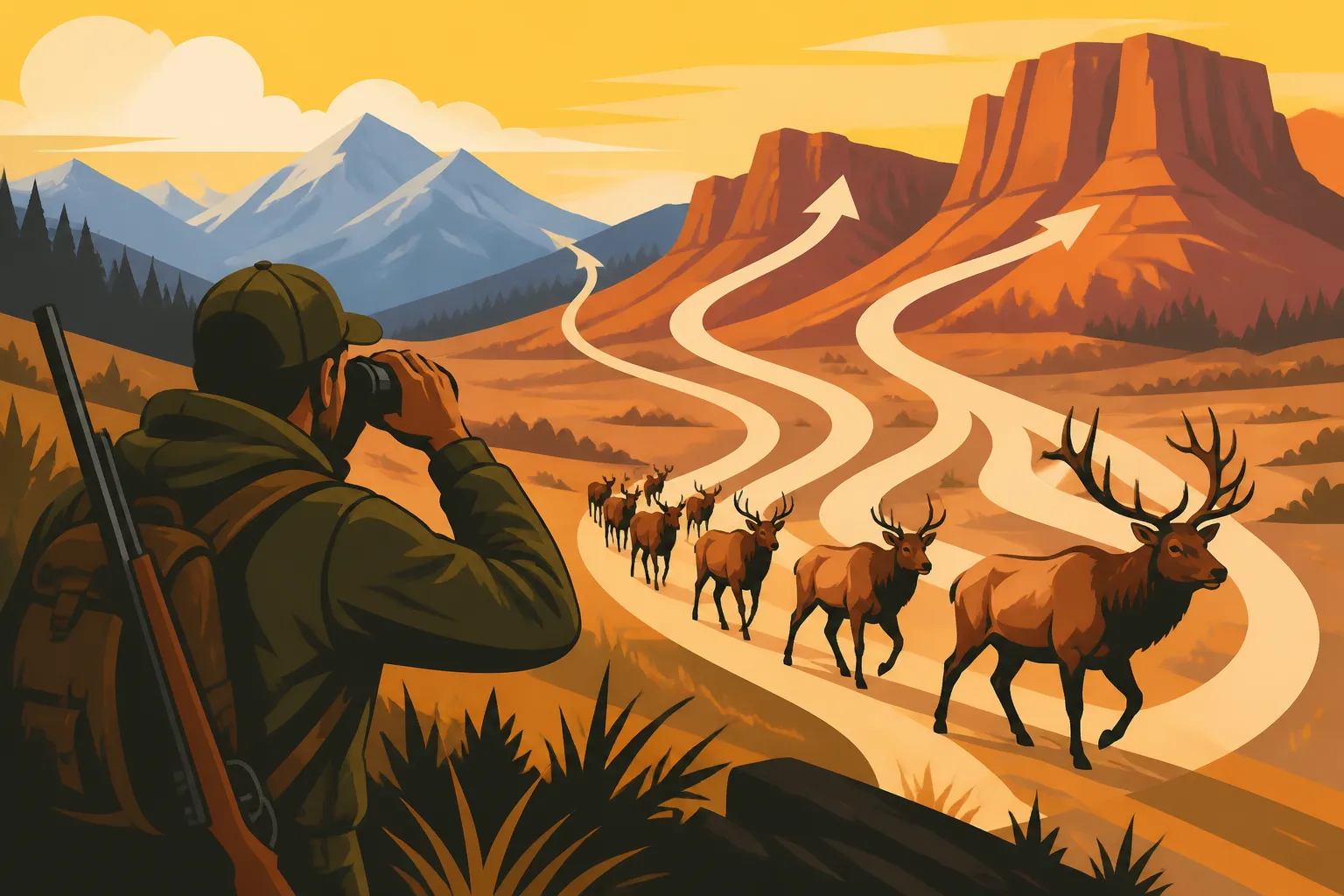
The Red Desert is home to some of the most spectacular and well-documented mule deer migrations in North America. Perhaps the most famous is the Red Desert-Hoback migration, a journey of over 150 miles that links the vast, low-elevation winter range of the Red Desert with the high-alpine summer grounds of the Hoback Mountains. This incredible trek sees deer navigate a complex landscape of highways, fences, and various land uses. Imagine the determination it takes for these animals to make such a journey, twice a year, sometimes battling blizzards or scorching heat.
Other significant migrations occur within the broader Red Desert ecosystem, connecting various summer and winter ranges. These routes are not always straight lines; they often feature important "stopover" habitats where deer can rest and feed during their travels, crucial for building energy reserves. These corridors are not just lines on a map; they are living arteries that are essential for the herd's genetic health and its ability to adapt to changing environmental conditions. Understanding the nuances of these specific routes, including where they bottleneck or cross critical features, is paramount for anyone hoping to connect with a Red Desert buck. For more detailed information, checking sources like The Red Desert Mule Deer Migration Explained can provide deeper context on specific routes and their significance.
Hunting Strategies Along the Corridors
Hunting mule deer in the Red Desert, especially along their migration corridors, requires a blend of patience, perseverance, and a deep understanding of their movements. It's not about luck; it's about being prepared and knowing when and where to apply pressure, or more importantly, when to hold back.
Timing Your Hunt: The Seasonal Shuffle
The timing of your hunt is arguably the most critical factor when targeting deer moving through migration corridors. These movements are incredibly sensitive to weather patterns, particularly the first significant snowfalls that push deer off high country into lower wintering areas. Early season hunts, usually in September, might find deer still widely dispersed across their summer ranges. However, as October progresses and especially into November, a cold front and accumulating snow can trigger a mass exodus, pushing deer down into more accessible country.
This "seasonal shuffle" can create incredible opportunities, as deer are concentrated and often more visible as they traverse open ground. Conversely, a mild fall can delay these movements, making for a tough early-season hunt where deer are scattered. The rut, typically peaking in mid-November, also influences deer behavior, often coinciding with migration for many bucks. This combination of migration and rut activity can make late-season hunts exceptionally productive, but also physically demanding due to colder temperatures and potentially deeper snow. For those hunting during peak migration, remember that these animals are under pressure and often moving with purpose, which can be both an advantage and a challenge.
Scouting and Stand Placement in Migration Funnels
Successfully hunting migration corridors demands extensive scouting, both in person and through digital tools. Before the season, spend time studying maps and satellite imagery on platforms like GoHunt to identify natural funnels. Look for anything that restricts deer movement: narrow canyons, steep ridges that force deer into saddles, or even stretches of private land that push deer onto public access points. Pay close attention to areas where draws merge or cross under roads, as these can become major choke points. You might even find historical travel routes marked by worn trails or old fence crossings.
When you're on the ground, look for fresh sign: tracks, rubs, and droppings that indicate recent travel. The goal isn't necessarily a "stand" in the traditional sense, as this is wide-open country. Instead, identify ambush points or glassing knobs that offer commanding views of these funnels. Consider how the deer will use the topography when they move. Will they stay on the north-facing slopes for thermal cover, or hug a particular ridge line to avoid wind? Always factor in wind direction and sun position for both your approach and your chosen vantage point. Being able to effectively use the terrain that Hides an Approach is critical in this vast, open country.
Ethical Considerations and Pressure Management
Hunting mule deer during migration, particularly when they are concentrated, comes with significant ethical responsibilities. These animals are often physically stressed from their journey, and undue hunting pressure can exacerbate that stress, impacting their survival. It’s crucial to be mindful of your impact and practice responsible hunting. This means avoiding unnecessary pursuit of individual animals and allowing deer to move through corridors without constant harassment. Over-pressuring a migration route can cause deer to alter their movements, potentially pushing them into less suitable habitat or onto private land where access is limited.
Furthermore, recognize that while deer may be easier to spot in concentration, they are also more wary. If you get within range, make sure you can execute a clean, ethical shot. Avoid taking low-percentage shots on moving animals that are simply trying to get to their wintering grounds. Give the deer space, especially when they are grouped up and actively migrating. Our actions as hunters directly reflect on the broader hunting community and our commitment to wildlife conservation. Being a good steward of the resource means recognizing when to hunt, and when to let them pass.
Conservation Efforts and the Future of Red Desert Mule Deer
The Red Desert mule deer herd and its incredible migrations are a natural wonder, but they face constant threats. Protecting these animals and their pathways is a monumental task that requires ongoing effort from government agencies, conservation groups, and, importantly, hunters themselves.
Protecting the Paths: Land Use and Habitat Projects
The long-term survival of the Red Desert mule deer hinges on the protection and enhancement of their migration corridors. These pathways are often fragmented by human development, including energy infrastructure, fences, and roads. When deer encounter obstacles, it can delay their migration, increase their energy expenditure, and make them more vulnerable to vehicle collisions or predation. Consequently, significant conservation efforts are underway to address these challenges. Projects include modifying or removing problematic fences, building highway overpasses and underpasses specifically designed for wildlife, and securing conservation easements on private lands that fall within critical corridors.
These habitat projects are not just about opening up pathways; they also focus on improving the quality of the habitat along the routes. This can involve sagebrush restoration, managing invasive species, and ensuring access to crucial water sources. Organizations like the Mule Deer Foundation, along with the Wyoming Game and Fish Department and the Bureau of Land Management (BLM), are key players in these collaborative initiatives. Understanding the importance of Mule Deer Winter Range Closures Explained provides context for how land managers protect these critical areas during the most vulnerable times for the herd. The work is ongoing, as the balance between human development and wildlife needs is a constant negotiation in a growing state like Wyoming.
What Hunters Can Do to Help
As hunters, we have a direct stake in the health and future of the Red Desert mule deer herd. Our participation in conservation efforts is not just encouraged; it's vital. One of the simplest ways to help is by joining and supporting organizations dedicated to mule deer conservation, such as the Mule Deer Foundation or local chapters of sportsmen's groups. These organizations often funnel resources directly into habitat improvement projects and advocate for policies that protect migration corridors.
Beyond financial support, ethical hunting practices are paramount. Reporting harvest data accurately, abiding by all regulations, and adhering to fair chase principles contribute to sound wildlife management. Furthermore, advocating for habitat protection and responsible land use with your local representatives and land management agencies makes a difference. Whether it's supporting proposals for wildlife crossings or opposing development that would fragment critical habitat, your voice as a hunter carries weight. Every hunter has a role to play in ensuring that future generations can experience the awe-inspiring sight of the Red Desert mule deer on their incredible migrations.
Key Considerations for Red Desert Mule Deer Migration
| Aspect | Description | Impact on Hunters |
|---|---|---|
| Migration Length | Some routes, like the Red Desert-Hoback, span over 150 miles, making them among the longest ungulate migrations in North America. | Requires understanding vast landscape and potential timing shifts. |
| Triggering Factors | Primarily driven by snow depth, temperature drops, and the availability of forage on winter ranges. Less direct correlation to specific dates. | Hunters must be flexible and watch weather patterns, not just calendar dates. |
| Bottlenecks/Funnels | Natural terrain features (saddles, draws, river crossings) or human-made obstacles (fences, roads) that concentrate deer movement. | Critical areas for scouting and potential ambush points; also sensitive areas for wildlife disturbance. |
| Habitat Diversity | Migrators move between diverse habitats from high mountain summer ranges to low sagebrush desert winter ranges. | Deer behavior and available forage will change dramatically between different parts of the migration route. |
| Conservation Status | Corridors face threats from energy development, fences, and vehicle collisions, prompting ongoing conservation efforts to protect these vital pathways. | Hunters should be aware of and support efforts to maintain these routes for herd health. |
| GoHunt Integration | Digital platforms like GoHunt offer data layers for public/private land and, in some cases, mapped migration routes, aiding in e-scouting. | Empowers hunters to conduct thorough pre-season scouting and identify key areas virtually before setting foot on the ground. |
Disclaimer
Please remember that hunting regulations and wildlife management strategies are subject to change. Always consult the most current Wyoming Game and Fish Department regulations before planning any hunt. This guide is for informational purposes only and does not supersede official regulations.