Brucellosis Testing in Western Elk Herds
For many hunters, the thought of brucellosis in western elk herds can cast a shadow of uncertainty over an otherwise exciting pursuit. It's a concern that goes beyond just the animal's health, touching on everything from management practices to personal safety and even the availability of tags. This guide aims to clear up some of that confusion by detailing exactly what brucellosis testing involves for elk in Wyoming and what every hunter should understand about this complex disease.
Understanding Brucellosis: A Hunter's Perspective
Brucellosis is one of those words that can send shivers down a hunter's spine, conjuring images of sick animals and health risks. But truly understanding what it is and how it impacts elk herds in states like Wyoming can help hunters make informed decisions and ease some of those worries. It’s not just a biological issue; it’s a management challenge that directly affects our hunting opportunities and the long-term health of these iconic animals.
The Nature of the Disease in Elk
At its heart, brucellosis is a bacterial disease, specifically caused by Brucella abortus, that primarily affects cattle, bison, and elk in the western United States. For elk, the most noticeable and impactful symptom is often reproductive failure, particularly abortions in pregnant cows. This means a cow might lose her calf, or give birth to a weak, stillborn animal, which has serious implications for herd recruitment and overall population numbers. The bacteria localizes in the reproductive organs and lymph nodes, and sometimes in joints, leading to swollen joints and lameness in some animals.
What makes brucellosis particularly concerning for elk herds, especially in Wyoming, is how easily it can spread. The primary mode of transmission happens when an infected animal aborts or gives birth. The birthing fluids, placenta, and aborted fetuses are teeming with the Brucella bacteria. Other elk then come into contact with these contaminated materials, often by sniffing or licking, and ingest the bacteria. This cycle is particularly efficient in areas where elk congregate in high densities, which leads us directly to the feedground issue in western Wyoming. The disease is quite resilient in cold, damp environments, meaning the bacteria can survive for a time in the snow and soil, prolonging the window for transmission.
Why Hunters Care About Brucellosis
Beyond the ecological impact on elk populations, hunters have very legitimate reasons to be concerned about brucellosis. One of the most common questions is about meat safety. It’s important to understand that while elk can carry the disease, proper handling and cooking practices significantly reduce any risk to humans. The bacteria are primarily concentrated in specific tissues, particularly reproductive organs, lymph nodes, and sometimes bone marrow or joint fluid. They are not typically found in muscle tissue, which is what we consume as meat.
However, the handling of a brucellosis-positive animal in the field does require extra precautions. We're talking about avoiding direct contact with reproductive fluids, wearing gloves during field dressing, and thoroughly washing hands and tools afterward. The emotional toll of potentially harvesting an infected animal, and the subsequent concern for one’s health or the health of one's family, is a real frustration that many hunters face. It adds a layer of complexity to the hunting experience that no one wants, but it’s a reality we must acknowledge and prepare for. For more general information on how diseases can impact game, you might want to read about Is Elk Meat Safe If the Animal Had CWD?.
Wyoming's Approach to Brucellosis Management
Wyoming has been at the forefront of managing brucellosis in its wildlife populations, particularly elk, for decades. It's a complex dance involving wildlife biologists, ranchers, hunters, and policymakers, all trying to find a balance between healthy herds, healthy livestock, and sustainable hunting opportunities. This isn't just about elk; it touches on the entire ecosystem and agricultural economy of the state.
The Persistent Challenge of Elk Feedgrounds
One of the most significant and often debated aspects of brucellosis management in Wyoming revolves around the state's elk feedgrounds. These supplemental feeding programs, many of which date back to the early 20th century, were established primarily to keep elk from depredating private haystacks during harsh winters and to consolidate elk for easier management. While they achieved these goals, an unintended consequence has been the creation of ideal conditions for disease transmission.
When thousands of elk gather daily in close proximity for months on end, the risk of brucellosis spreading skyrockets. An infected cow that aborts on a feedground can easily contaminate the limited area, exposing numerous other elk to the bacteria. This is why many of the highest rates of brucellosis prevalence are found in elk herds that utilize these feedgrounds. The situation is a Catch-22: closing the feedgrounds abruptly could lead to widespread elk dispersal onto private lands, causing agricultural damage, while keeping them open perpetuates a disease risk. Understanding Wyoming Elk, the Feedgrounds and the Disease Question is crucial for anyone interested in this topic.
Game and Fish Surveillance and Research
The Wyoming Game and Fish Department (WGFD) invests significant resources into monitoring and managing brucellosis. This isn't just a passive observation; it involves active surveillance programs, research initiatives, and adaptive management strategies. WGFD biologists regularly capture and test elk in affected herd units to track disease prevalence, identify hotspots, and understand transmission dynamics.
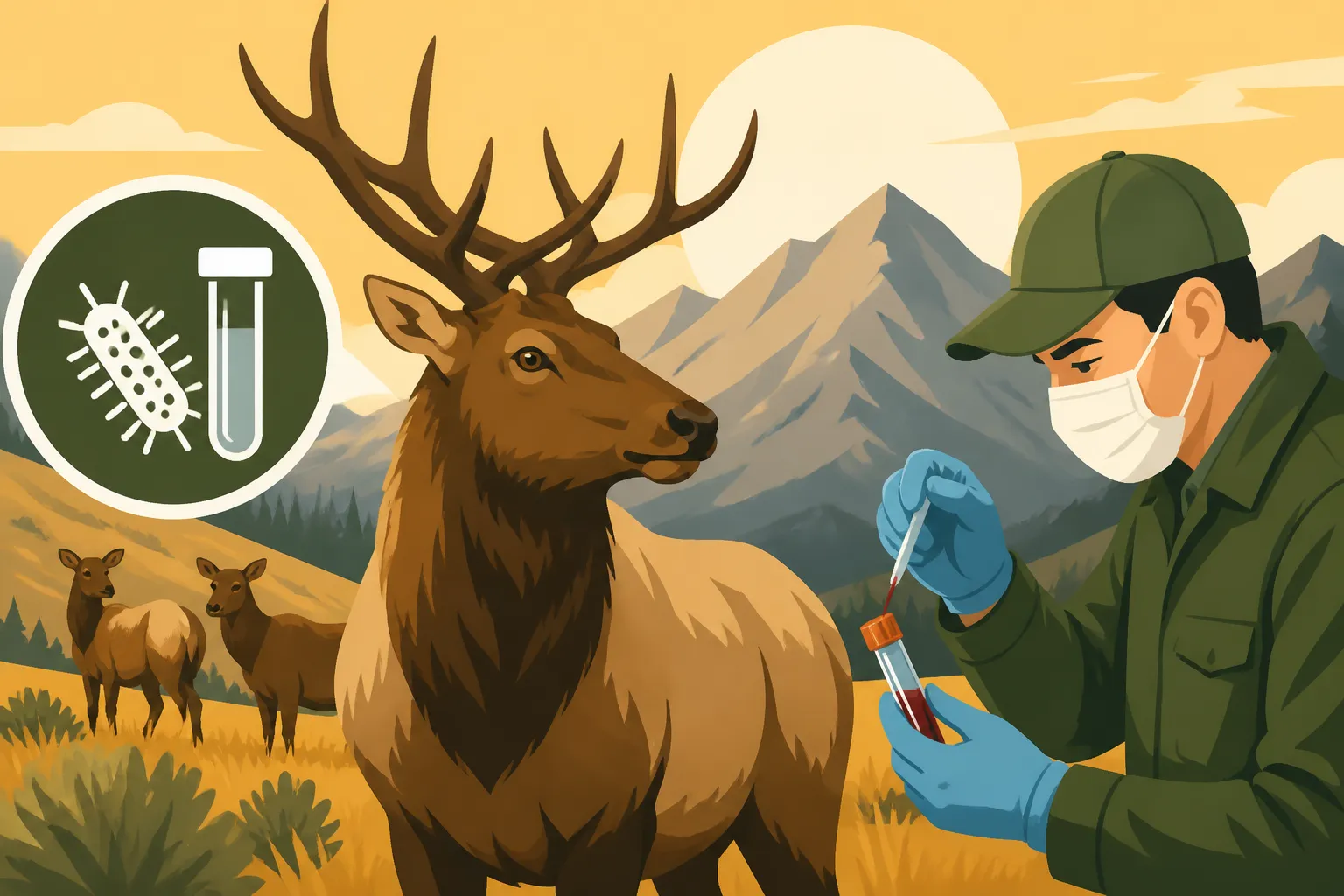
These efforts involve capturing elk, taking blood samples, and sometimes fitting them with GPS collars to track their movements and identify areas of congregation. The data collected from these surveillance efforts are vital for informing management decisions, such as vaccination programs, targeted removals, or adjustments to hunting seasons and quotas in specific areas. While eradication of brucellosis from wild elk is considered highly improbable given the vast landscapes and the nature of the disease, the goal is to manage its prevalence to reduce spillover risk to cattle and maintain healthy elk populations. Tools like the A Walkthrough of the Wyoming Hunt Planner can offer insights into herd health data for specific units.
Hunter Interaction with Brucellosis Testing
As a hunter, your role in brucellosis management, though often indirect, is nonetheless important. Knowing what to expect regarding testing, how to handle your harvest, and what precautions to take can contribute to both your safety and the broader conservation efforts.
How Hunter-Harvested Elk are Tested
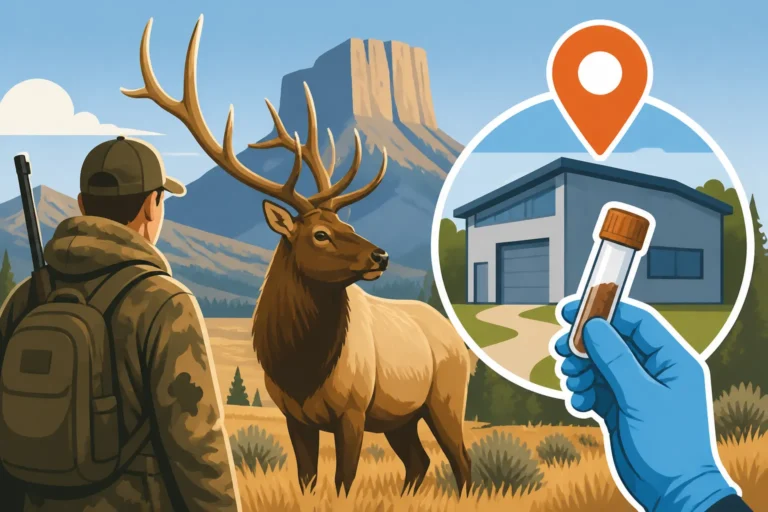
In areas with known brucellosis prevalence, particularly around the feedgrounds and adjacent herd units, WGFD may implement voluntary or mandatory brucellosis sampling stations for hunter-harvested elk. While these aren't always active, especially in lower prevalence areas, it's wise to be aware they exist. You might encounter biologists or technicians at check stations or designated collection points during hunting season. They will typically ask to collect blood samples, reproductive tissues (like the uterus of a cow), or lymph nodes.
This sampling is usually quick and minimally invasive to your animal. The purpose is not to condemn your meat but to gather crucial data on the disease's presence and prevalence within that specific herd. This information helps WGFD understand where the disease is active and at what rates, guiding future management strategies. It’s part of a larger monitoring effort, similar to how they approach other wildlife diseases, which you can learn more about by searching for Where to Get an Elk Tested for CWD. Cooperation from hunters is invaluable for these data collection efforts. Many hunters use resources like GoHunt to research specific hunt areas and their health concerns before they even apply for a tag.
Interpreting Test Results and Taking Precautions
If you participate in a brucellosis sampling program and your elk tests positive, it's natural to feel a bit concerned. First and foremost, remember that a positive test does not mean your meat is unsafe to eat, assuming you follow proper handling and cooking guidelines. The primary risk to humans from Brucella abortus is through direct contact with infected tissues, fluids, or unpasteurized dairy products, not through consuming properly cooked meat.
The WGFD will provide guidance on what a positive result means and reiterate safety precautions. They'll emphasize thorough cooking of all meat to an internal temperature of at least 160°F (71°C). For your own safety and peace of mind, it is always recommended to wear gloves when field dressing any big game animal, especially when handling organs or fluids. Ensure all knives, saws, and processing surfaces are thoroughly cleaned and disinfected after use. This also applies to items like your hunting pack or clothing that may have come into contact with fluids. These common-sense precautions are detailed further in guides like Field Dressing and Carcass Transport Rules Explained or The Meat Salvage Requirements for Big Game, which are vital for any hunter. GoHunt often includes region-specific health advisories that can help hunters stay informed.
Personal Safety and Best Practices for Hunters
When hunting in brucellosis-endemic areas, a few extra steps can make all the difference for your personal safety. Beyond wearing gloves, consider carrying a small bottle of hand sanitizer and perhaps even disposable wipes. If you’re gutting an animal, try to avoid splashing blood or fluids onto exposed skin, particularly around cuts or scrapes. If you have any concerns about potential exposure after handling an animal, especially if you experience flu-like symptoms, consult your doctor and inform them of your hunting activities.
It’s also wise to properly dispose of all non-edible parts of the animal, particularly the reproductive organs of cows, in a manner that prevents scavengers from spreading potential bacteria. Burying them deeply or double-bagging and taking them to a designated disposal site are good options. Being proactive and educated is the best defense. Researching your specific hunt area through tools like the WGFD website or platforms such as GoHunt can also help you understand the local disease context and any special instructions from the state. By taking these simple, yet effective, precautions, you can enjoy your Wyoming hunt with greater confidence and contribute to responsible wildlife stewardship.
Disclaimer
This article is for general informational purposes only and does not constitute professional advice. Laws, prices and regulations vary by location and change over time. Consult a qualified professional for guidance on your specific situation.