How Many Elk Feedgrounds Wyoming Still Runs
It’s no secret that Wyoming winters can be brutally harsh, and for generations, those extreme conditions have shaped the relationship between humans and wildlife, particularly our magnificent elk. When you’re dreaming of chasing a bull through the sagebrush or glassing a distant herd, the topic of elk feedgrounds might not be the first thing that comes to mind. Yet, these operations are a critical, often controversial, part of how Wyoming manages its massive elk populations, creating both benefits and significant challenges. This guide will take a deep dive into how many feedgrounds Wyoming still runs, why they exist, and the complex issues surrounding them.
The Current Landscape of Wyoming's Elk Feedgrounds
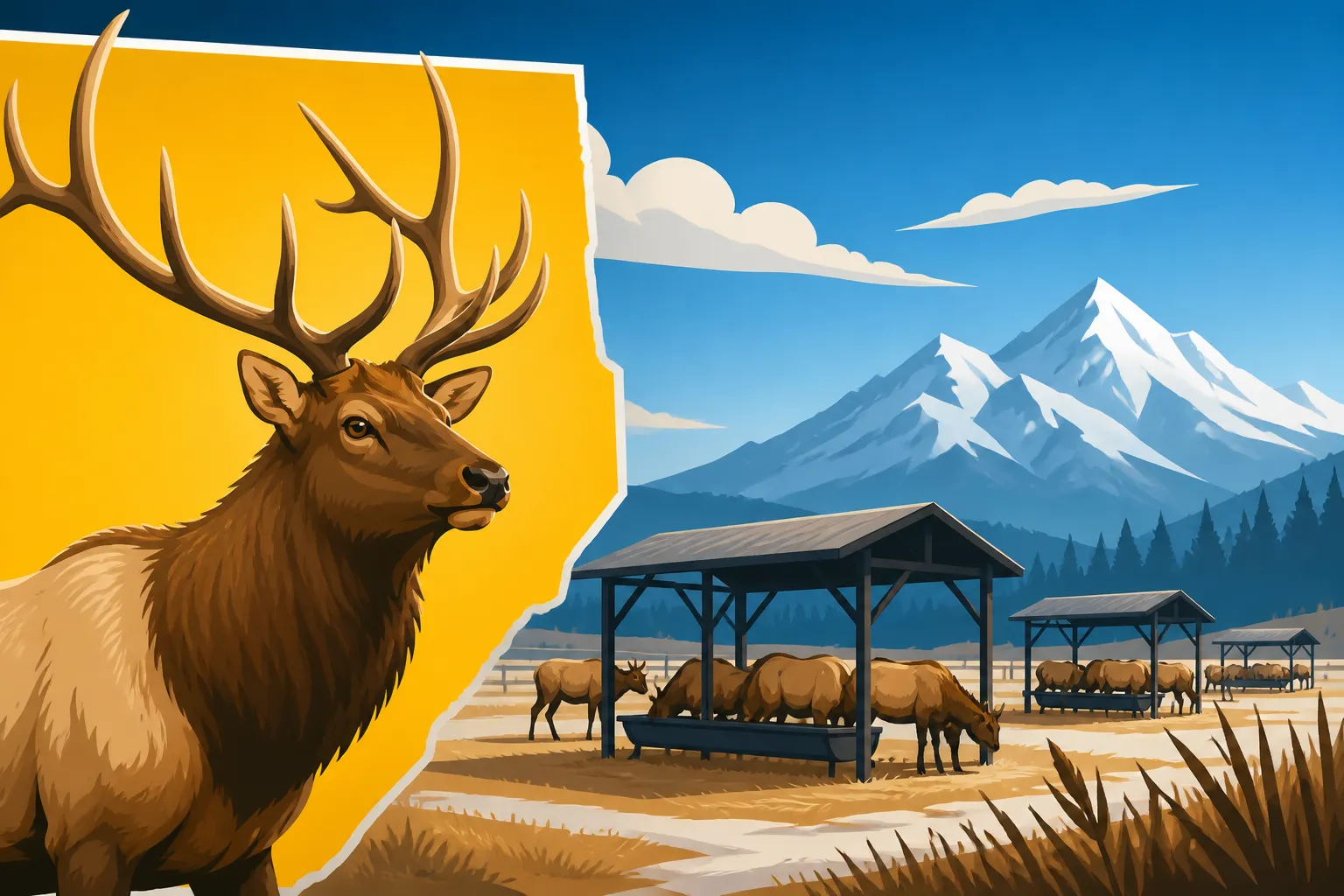
If you’ve spent any time researching hunting opportunities in the Cowboy State, you've likely come across discussions about elk feedgrounds. These operations are a defining feature of winter elk management, particularly in the western half of the state. They’re places where elk are given supplemental feed, typically hay, during the harshest months, concentrating thousands of animals in relatively small areas.
How Many Operations Are Active Today
Currently, the Wyoming Game and Fish Department (WGFD) manages 22 elk feedgrounds across the state. In addition to these state-run operations, there’s another incredibly significant federal feeding operation: the National Elk Refuge (NER), located just outside Jackson. So, when you add it all up, Wyoming has a grand total of 23 managed feeding operations actively distributing supplemental feed to elk populations each winter.
It's a huge undertaking, demanding significant resources and staff. These aren't just small patches of hay; many of these feedgrounds draw thousands of elk, bringing them down from higher elevations to more accessible areas where they can be fed. The scale is truly immense, and it’s something you can almost feel when you drive through areas like Star Valley or the Pinedale region in the heart of winter. The sheer number of elk gathered in one spot is a sight to behold, but it also carries a heavy weight of responsibility for wildlife managers.
Key Feedgrounds and Their Locations
The vast majority of these feedgrounds are concentrated in western Wyoming, particularly in areas like the Jackson Hole valley, the Pinedale area, and along the Greys River and Star Valley. These regions are characterized by severe winters, deep snow, and often, significant private land development that has encroached upon traditional elk winter ranges.
The National Elk Refuge, for example, is perhaps the most well-known. Established in 1912, it has historically supported over 7,000 elk annually, providing winter sustenance and helping to draw them away from private lands in the burgeoning town of Jackson. Beyond the refuge, state feedgrounds like Alkali, Blacklock, Finnegan, and Dog Creek serve similar functions in other critical areas. These specific locations were chosen out of necessity, often due to historical patterns of elk congregating there, combined with the pressures of human settlement and diminishing natural winter forage. Understanding the historical context of these feedgrounds helps us appreciate the deeply ingrained nature of these operations within Wyoming's wildlife management strategy. For more on the reasons behind these vital winter locations, you might find insight in our piece on Wyoming's Elk Feedgrounds and Why They Exist.
The Deep-Rooted Reasons Behind Supplemental Feeding
It’s easy to look at a feedground and see only the potential problems. But to truly understand why Wyoming continues to operate these facilities, we need to dig into the history and the very real pressures that led to their creation and continued existence. This isn't a simple choice; it’s a complex balancing act developed over more than a century.
Historical Context and Winter Survival Needs
Think back to the late 1800s and early 1900s. Wyoming was rapidly being settled, and with that came fencing, ranching, and the conversion of traditional elk winter range into agricultural land. Simultaneously, market hunting had decimated elk populations across much of the West. While efforts were being made to rebuild herds, severe winters were still a constant threat, often leading to massive die-offs. The winter of 1909-1910, for instance, saw an estimated 20,000 elk starve in the Jackson Hole area alone. It was a crisis, and early conservationists and local residents felt a moral obligation to intervene.
Supplemental feeding began as an emergency measure, a way to prevent these catastrophic losses and help the herds survive. It wasn't just about saving individual animals; it was about preserving the very future of elk in Wyoming. Over time, as human populations grew and demands on the landscape increased, what started as an emergency response evolved into a critical, albeit complicated, management tool. Without it, many believed, elk populations in western Wyoming simply couldn’t sustain their current numbers given the altered landscape and unpredictable weather patterns.
Mitigating Private Land Damage and Forage Competition
Beyond simply preventing starvation, another powerful driver for maintaining feedgrounds is the mitigation of conflicts with private landowners. Imagine being a rancher in the Pinedale area, with thousands of hungry elk descending from the mountains during a harsh winter. These animals, driven by instinct and hunger, would quickly devastate haystacks, damage fences, and compete with livestock for what little forage might be available on private pastures. The economic impact on agricultural operations could be crippling.
Feedgrounds act as a buffer, drawing elk away from these private properties and concentrating them on public lands or designated feeding areas. This helps protect crucial agricultural investments and fosters a more cooperative relationship between wildlife management agencies and landowners. It’s a pragmatic solution to a very real problem, allowing both elk and people to coexist, even if somewhat artificially. For hunters, this dynamic can also influence access. Understanding Wyoming Elk Herd Units and Winter Range is crucial when planning a hunt, and resources like GoHunt can provide invaluable data layers showing these land use patterns and how feedgrounds might affect elk distribution in certain units, helping you scout more effectively.
Navigating the Challenges and Controversies of Feedgrounds
While feedgrounds were established with the best intentions and have undoubtedly saved countless elk lives, they also come with a complex set of challenges that wildlife managers are continually grappling with. These aren't simple problems with easy answers, and they often spark passionate debate among hunters, conservationists, and the public.
The Ever-Present Threat of Chronic Wasting Disease CWD
Perhaps the most significant and alarming issue associated with feedgrounds is the heightened risk of disease transmission, particularly Chronic Wasting Disease (CWD). CWD is a fatal neurological disease that affects cervids like elk, deer, and moose. When thousands of elk gather shoulder-to-shoulder on a feedground, the conditions are ripe for the disease to spread. It's a terrifying reality that what was meant to save elk could now be contributing to a major health crisis for the species.
The WGFD and other agencies have confirmed that CWD is present in many of the elk herds that frequent feedgrounds. For instance, several state feedgrounds and portions of the National Elk Refuge herd have Which Feedgrounds Have Tested Positive for CWD, leading to increased concern about the long-term health of these populations. This raises critical questions for hunters, such as What CWD on the Feedgrounds Means for Hunters and even more fundamentally, Is Elk Meat Safe If the Animal Had CWD?. While the science suggests minimal risk to humans, the uncertainty weighs heavily on hunters and processors. Getting your elk tested for CWD is a responsible practice, and you can learn Where to Get an Elk Tested for CWD through WGFD resources. The challenge is immense, with no easy solution to manage CWD in such concentrated populations.
The Persistent Issue of Brucellosis Transmission
Another major disease concern directly linked to feedgrounds is brucellosis. This bacterial disease can cause abortions in elk, bison, and most notably, cattle. Wyoming is a major cattle-producing state, and the potential for disease transmission from elk to livestock is a significant economic and political issue. When elk mingle closely with domestic cattle, especially in spring when elk are shedding the bacteria after calving, the risk goes up.
The state has designated brucellosis surveillance areas, and strict protocols are in place to monitor and manage the disease. Efforts include Brucellosis Testing in Western Elk Herds and implementing measures to prevent direct contact between elk and cattle. It’s a constant tightrope walk, as managers try to keep elk healthy and on public land, while simultaneously protecting the livelihoods of ranchers. Our article on Brucellosis, Cattle and Wyoming Elk delves deeper into this delicate balance.
Shifting Elk Behavior and Ecosystem Impacts
Beyond disease, feedgrounds undeniably alter the natural behavior of elk. Instead of migrating long distances to find forage, many elk herds have become dependent on the handouts, congregating in the same areas year after year. This can lead to a host of ecological issues. Their natural migration corridors can be interrupted, and their genetic diversity could potentially be affected over the long term.
Consider the Jackson Elk Herd, whose population has grown considerably over the decades, largely due to the consistent feeding at the National Elk Refuge. While it's a success story in terms of herd numbers, it also means a massive concentration of animals, altering their natural movement patterns and creating a reliance on human intervention. There are ongoing debates and plans, such as The Pinedale Elk Herd Feedground Plan Explained, which seek to address these dependencies and encourage more natural foraging behaviors where possible. It’s a complex dance between historical necessity and ecological ideal.
The Future of Feedground Management and Hunter Involvement
The reality is that Wyoming's elk feedgrounds aren't going away overnight. They are deeply embedded in the state's wildlife management strategy and intertwined with the economics and culture of western Wyoming. However, that doesn't mean management agencies are static; they are actively seeking long-term, sustainable solutions to mitigate the risks while preserving elk populations.
Balancing Tradition with Modern Wildlife Management
The WGFD and the U.S. Fish and Wildlife Service (which manages the National Elk Refuge) are constantly evaluating feedground operations. Their goal isn't necessarily to eliminate them entirely, but rather to reduce elk dependency, improve habitat elsewhere, and minimize disease transmission risks wherever feasible. This includes strategies like hazing elk off feedgrounds earlier in the spring, improving natural forage on winter ranges, and exploring ways to reduce overall herd numbers in some areas to alleviate pressure.
These efforts are often met with diverse opinions from the public, landowners, and hunters. It's a delicate balance to honor the historical commitment to elk survival while adapting to modern scientific understanding and evolving conservation goals. The scale of How Big the Jackson Elk Herd Has Grown or How the National Elk Refuge Manages Its Herd provides a glimpse into the constant analysis and adaptation required to sustain these iconic animals.
Hunter's Role in Herd Management and Disease Mitigation
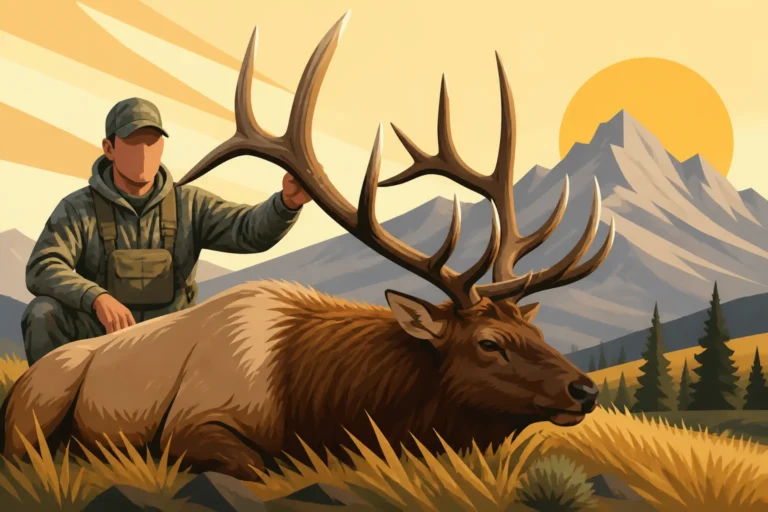
As hunters, we play an absolutely critical role in the health and management of Wyoming's elk herds, especially those influenced by feedgrounds. Ethical hunting is one of the most effective tools for population control, helping to keep herd numbers in check and reduce the densities that contribute to disease spread. When you successfully draw an elk tag, you're not just pursuing a trophy or meat for the freezer; you're actively participating in a vital conservation effort.
It's paramount for hunters to understand the specific regulations for their hunt unit, especially if it's in an area adjacent to or affected by feedgrounds. Participating in voluntary CWD testing, reporting sick animals, and adhering to carcass transport rules are all ways we can contribute to the long-term health of these herds. Furthermore, utilizing comprehensive hunting resources like GoHunt can help you research specific units, understand draw odds for areas with varying feedground influence, and make informed decisions that align with responsible wildlife management. Our collective responsibility extends beyond the shot; it encompasses a commitment to the species and the future of hunting in Wyoming.
Here's a quick overview of Wyoming's elk feedgrounds:
| Feature | Wyoming Game and Fish Department (WGFD) Feedgrounds | National Elk Refuge (NER) |
|---|---|---|
| Number of Operations | 22 | 1 |
| Managing Agency | WGFD (State) | US Fish & Wildlife Service (Federal) |
| Primary Locations | Western WY (Pinedale, Greys River, Star Valley) | Jackson Hole Valley |
| Primary Purpose | Winter survival, private land damage mitigation | Winter survival, private land damage mitigation |
| Disease Concerns | CWD, Brucellosis | CWD, Brucellosis |
| Management Focus | Reducing dependency, habitat improvement, disease control | Herd health, migration, disease control |
| Hunter Impact | Quotas often designed to manage local herds | Influences Jackson Elk Herd management |
Disclaimer
Please remember that hunting regulations, seasons, and wildlife management strategies are subject to change. Always consult the most current Wyoming Game and Fish Department regulations and official sources before planning any hunting activity. This content is for informational purposes only and does not constitute legal or official advice.