How Big the Jackson Elk Herd Has Grown
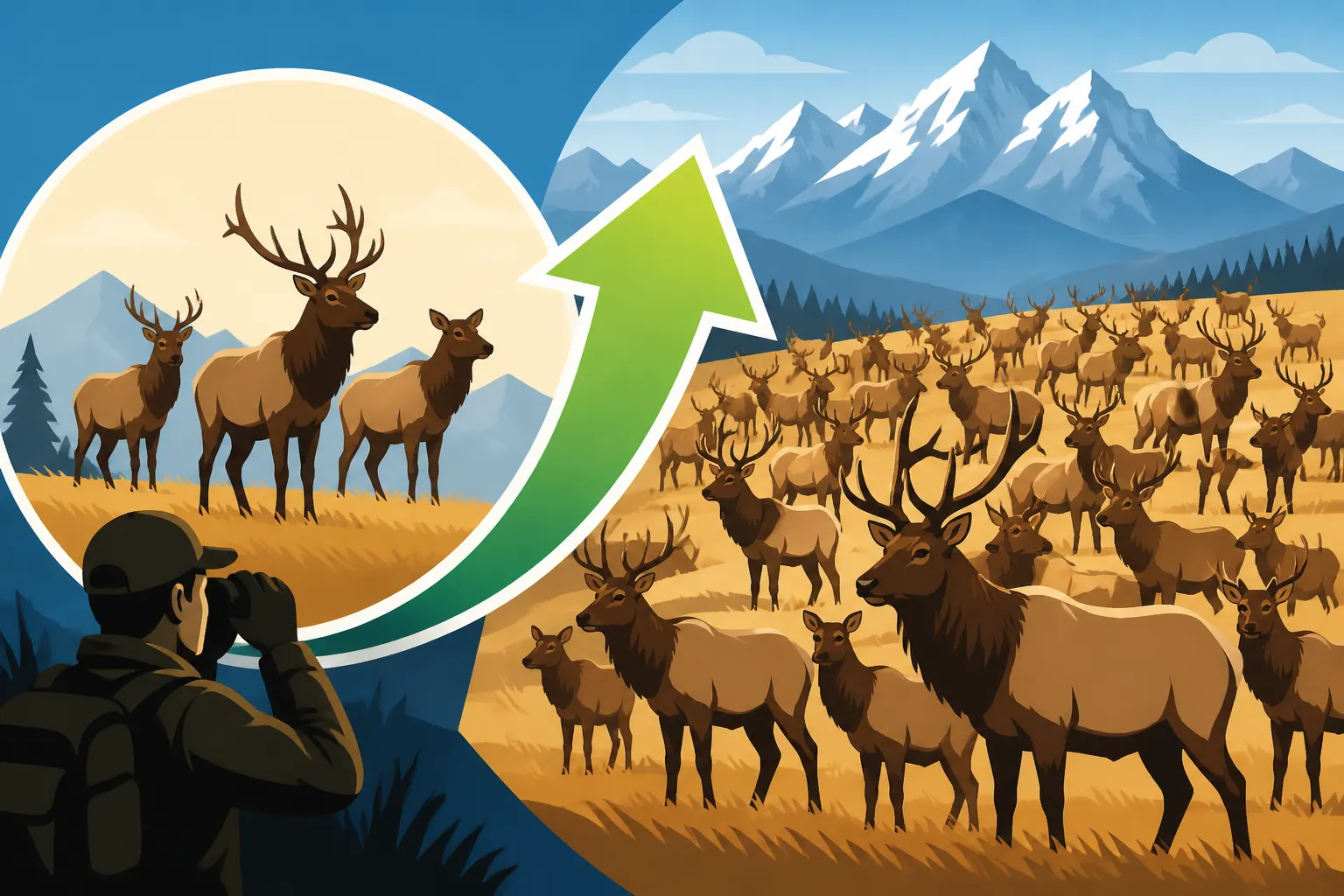
Many folks traveling through Jackson Hole, Wyoming, especially in the winter, are struck by the sheer number of elk they see, sometimes right by the highway or gathered in massive herds on the National Elk Refuge. It's a truly spectacular sight, but it also raises a lot of questions about how this herd got so big and what challenges come with managing such a substantial wildlife population. This guide will dive deep into the fascinating story of the Jackson Elk Herd, exploring its impressive growth, the factors that contribute to it, and the complex management strategies designed to keep it healthy while balancing the needs of wildlife, habitat, and people.
Understanding the Jackson Elk Herd's Unique Situation
The Jackson Elk Herd is undeniably one of North America's most iconic wildlife populations, a testament to Wyoming's rich natural heritage. However, its immense size and the way it's managed make it a unique and often debated case in wildlife conservation. Unlike many elk herds that rely solely on natural forage through the winter, the Jackson herd has a long history intertwined with supplemental feeding, primarily at the National Elk Refuge, established in 1912. This refuge was created to ensure the survival of elk that had historically wintered in the valley, a crucial intervention after settlers encroached upon their traditional winter range and pushed them into smaller, less productive areas.
This supplemental feeding, while critical for preventing widespread starvation in harsh winters, has profoundly impacted the herd's dynamics. It has allowed the population to grow beyond what the natural winter range could typically support. While it's a blessing for wildlife viewers and often ensures hunters have opportunities, it's also a double-edged sword, creating unique challenges that wildlife managers grapple with every single day. The image of thousands of elk gathered on the refuge is beautiful, but it's also a stark reminder of human intervention in natural cycles. It’s an intricate dance between providing for the animals and maintaining ecological balance, and it’s a situation unlike almost any other in the West.
Factors Driving the Jackson Elk Herd's Growth
The growth of the Jackson Elk Herd isn't just a simple matter of more births than deaths; it's a complex interplay of environmental conditions, human management decisions, and the unique characteristics of the Jackson Hole ecosystem. Over the decades, several key factors have contributed to its robust and often increasing numbers.
Firstly, and perhaps most significantly, is the presence and ongoing operation of the National Elk Refuge. This 24,700-acre haven directly north of the town of Jackson provides a critical wintering ground and, crucially, supplemental feed when natural forage is scarce. While the goal is to minimize feeding, extremely harsh winters necessitate it to prevent mass die-offs. The consistent availability of food, even if supplemental, drastically increases winter survival rates for calves and adult cows, leading to higher recruitment into the breeding population. This reliable winter resource acts as a population safety net, something most other elk herds across the West don't have to this extent. For a deeper understanding of this complex topic, you might want to read about How the National Elk Refuge Manages Its Herd.
Secondly, recent years have often brought milder winters compared to historical norms. While individual severe winters can still occur and cause significant mortality, a series of mild winters reduces the overall stress on the herd, allowing more animals to survive through the lean months. This higher overwinter survival, combined with good summer forage on the vast public lands of the Bridger-Teton National Forest and Grand Teton National Park, translates directly into a larger breeding population and more calves surviving their first year. When you add the consistent nutrition from the refuge to milder conditions, you create an environment ripe for population growth.
Finally, the combination of habitat, supplemental feeding, and carefully managed hunting seasons contributes. While hunting is a primary management tool for the Wyoming Game and Fish Department to control elk numbers, the sheer size of the herd and the challenge of accessing elk in certain areas (like within Grand Teton National Park where hunting is heavily regulated) mean that the population can still push past desired objectives. Also, while predators like wolves and grizzlies are present and certainly take their toll, their impact alone hasn't been enough to consistently curb the herd's growth to the desired levels in all areas. This leads to an ongoing need for active management strategies.
Management Challenges and Conservation Efforts
Managing a herd of this magnitude, especially one so closely tied to supplemental feeding, comes with a unique set of challenges that wildlife managers, conservationists, and the public continually debate. The focus isn't just on numbers, but on the long-term health and ecological integrity of the entire ecosystem.
One of the most pressing concerns revolves around disease transmission. When thousands of elk congregate in close proximity on feedgrounds, the risk of diseases like Chronic Wasting Disease (CWD) and brucellosis increases dramatically. CWD is a neurological disease fatal to deer, elk, and moose, and its presence in the Jackson herd and on some feedgrounds is a major worry. While efforts are made to monitor and test elk, the concentrated nature of the feedgrounds creates an ideal environment for the disease to spread. Similarly, brucellosis, a bacterial disease that can cause abortions in elk and can be transmitted to cattle, is also a concern. This is why Which Feedgrounds Have Tested Positive for CWD and Brucellosis Testing in Western Elk Herds are such important topics for hunters and ranchers alike. The Wyoming Game and Fish Department has been tirelessly working to mitigate these risks, but it’s an uphill battle.
Here’s a snapshot of the estimated Jackson Elk Herd population over recent years, though these numbers fluctuate based on winter severity and management actions:
| Year | Estimated Wintering Population (Jackson Herd Unit) | Primary Management Challenge |
|---|---|---|
| 2015 | ~11,000 | Disease management, feedground reliance |
| 2018 | ~12,500 | Habitat impacts, population objective targets |
| 2021 | ~13,000 | CWD prevalence, human-wildlife conflict |
| 2023 | ~11,500 (post-severe winter) | Winter mortality, ongoing disease risk |
Note: These numbers are approximate and fluctuate based on data collected by the Wyoming Game and Fish Department, often reflecting post-winter counts.
In response to these challenges, the Wyoming Game and Fish Department, in collaboration with federal agencies like the U.S. Fish and Wildlife Service (which manages the National Elk Refuge), implements various conservation efforts. These include targeted hunting seasons and quotas designed to reduce elk numbers to herd objectives, particularly cows, and in areas where elk densities are highest. You can find detailed information on draw odds and unit specifics on platforms like GoHunt, which can be invaluable for planning. They also explore ways to reduce reliance on supplemental feeding over time, such as habitat improvements on winter ranges away from feedgrounds and fostering natural migratory patterns. The goal is to encourage elk to spread out and forage naturally, thereby reducing disease transmission risks and minimizing habitat degradation from overgrazing. Understanding The Wyoming Elk Population Estimate Explained helps shed light on how these numbers are tracked and inform decisions.
What This Means for Hunters and Wildlife Enthusiasts
For hunters, the burgeoning Jackson Elk Herd presents both incredible opportunities and significant challenges. On one hand, a large, healthy elk population means there's a greater chance for hunters to draw a tag and experience a truly memorable hunt in one of the most scenic places on earth. The sheer number of elk in the region often translates into better odds for success once a tag is secured. However, drawing one of those coveted tags, especially for a bull elk, can still be a multi-year endeavor, often requiring many preference points. Tools like the GoHunt Insider can be incredibly helpful for researching draw odds and unit performance for those looking to apply.
It's crucial for hunters to understand the specific regulations for the various Wyoming Elk Herd Units and Winter Range in the area, as some areas may have different season dates or weapon restrictions. For instance, hunting within or near the National Elk Refuge has its own unique rules and complexities. The need to potentially travel to hunt elk spread across vast wilderness areas or on adjacent national forests like the Bridger-Teton also demands physical fitness and a readiness for a challenging hunt. Many non-resident hunters seek a guide for these areas, understanding that Wyoming's Wilderness Guide Law for Nonresidents might apply depending on where they choose to hunt.
For wildlife enthusiasts and photographers, the large Jackson Elk Herd offers unparalleled viewing opportunities. During the winter, thousands of elk gather on the National Elk Refuge, creating spectacular scenes easily accessible to the public. However, it also means that ethical wildlife viewing practices are paramount. Giving animals ample space, never feeding them, and understanding their behavior is crucial to minimizing stress and keeping both people and wildlife safe. This herd is a cornerstone of the Greater Yellowstone Ecosystem, and its health is vital for the entire region's ecological balance. Everyone, from the dedicated hunter checking draw odds on GoHunt to the casual tourist admiring the herd, plays a role in appreciating and protecting this magnificent natural resource.
Disclaimer
Please note that hunting regulations, seasons, and wildlife population estimates can change frequently. Always consult the most current Wyoming Game and Fish Department regulations and official publications before planning any hunting trip or making decisions based on wildlife information. The content provided here is for informational purposes only and should not be considered legal advice or a substitute for official sources.