A Hunting Overview of the Bighorn Basin
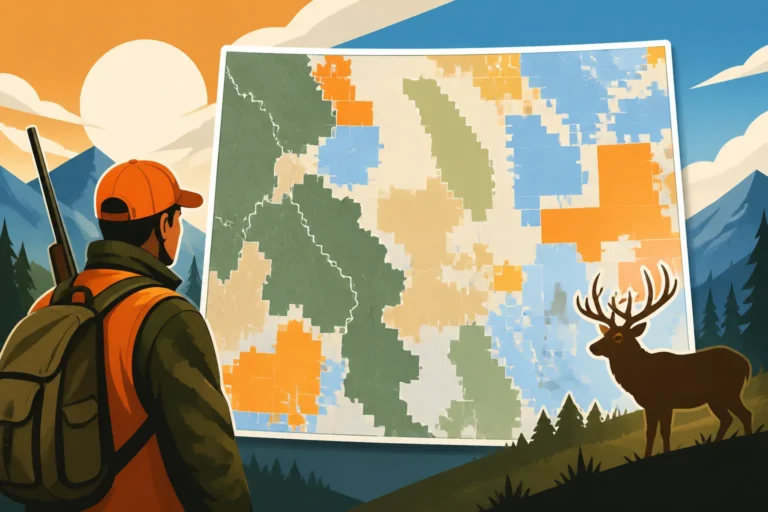
When you're looking at a hunting map of Wyoming, the Bighorn Basin jumps out as a massive, often intimidating, expanse of diverse terrain. It’s not just one type of hunting; it’s a whole spectrum, from high mountain timber to vast sagebrush flats. Understanding this sprawling region can feel like a monumental task, but this guide will cut through the complexity, giving you a clear overview of what to expect, where to focus, and how to plan a successful hunt in the Bighorn Basin.
The Bighorn Basin: A Landscape for Wyoming Hunters
The Bighorn Basin isn't just a place on a map; it's an ecosystem, a geological marvel, and a hunter's paradise all rolled into one. Bordered by the imposing Bighorn Mountains to the east, the Absaroka and Owl Creek Mountains to the west and south, and extending north toward Montana, this region offers a mix of habitats that few other places can match. For hunters, this translates into incredible diversity, but also a need for nuanced strategies. You can't hunt the high country timber the same way you'd approach the wide-open sage flats, and understanding these distinctions is your first step toward success.
Geographic Features and Diverse Habitat
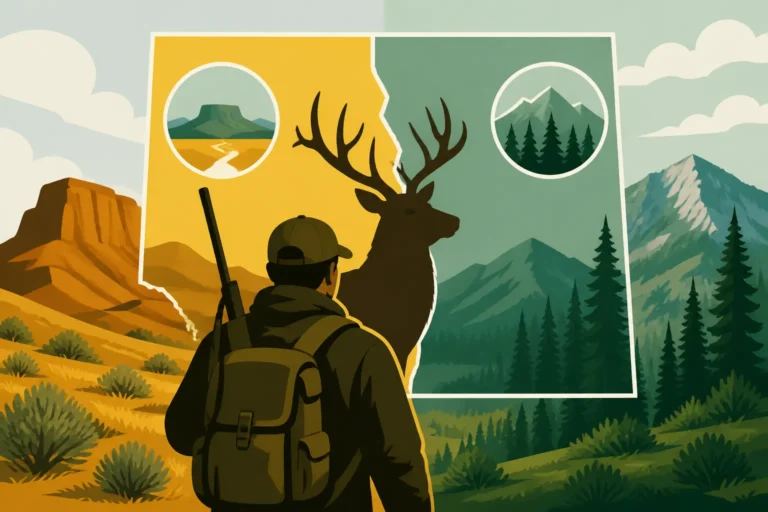
Imagine driving through the Bighorn Basin. One moment you're in a desert-like expanse of greasewood and sage, with buttes and badlands breaking the horizon. The next, you're climbing into rolling foothills covered in juniper and mountain mahogany, eventually transitioning into dense pine and aspen forests as you gain elevation towards the surrounding mountain ranges, especially the Bighorns themselves. This dramatic shift in elevation and vegetation creates a patchwork quilt of habitats, each favoring different game species. The Bighorn River carves a path through the basin, offering crucial water sources and riparian zones that act as magnets for wildlife. This diversity means you need to be prepared for everything from extreme heat in the lower elevations to cold, snow-packed conditions in the mountains, sometimes within the same hunt.
The geology here is fascinating too, with distinct layers of rock forming unique features like the Red Wall, offering both rugged travel and critical thermal cover for animals. These topographical variations create natural travel corridors, bedding areas, and feeding grounds. You'll find everything from vast open areas where long-range glassing is key, to steep, broken terrain that demands physical fitness and careful foot placement. It’s a landscape that rewards meticulous scouting and an understanding of how animals use these varied environments throughout the season.
Key Game Species to Expect
The beauty of hunting the Bighorn Basin lies in its incredible biodiversity. While many hunters come for the big game, it's also a haven for smaller species and predators. For big game, your primary targets will likely be elk, mule deer, and pronghorn antelope. The basin truly shines with its antelope populations, often providing excellent opportunities for both trophy-class bucks and management-focused doe tags. Mule deer are also abundant, though finding those truly mature bucks often means working harder and getting into more remote, broken country. Elk, while present throughout the region, tend to concentrate more in the higher elevations of the surrounding mountain ranges like the Bighorn National Forest, but they will filter into the foothills and even the agricultural valleys as seasons progress and hunting pressure builds.
Beyond these main three, you'll also find opportunities for black bear in the timbered mountains, especially during spring and fall seasons. Mountain lions roam these areas too, though they are notoriously difficult to hunt without hounds. Coyotes are ubiquitous across the basin, offering year-round predator hunting. For those interested in upland birds, chukar and Hungarian partridge can be found in the rugged breaks, while sage grouse frequent the sagebrush flats. Knowing which species you're after will dictate which part of the basin you target and what type of habitat you focus on.
Weather Patterns and Seasonal Considerations
Hunting in the Bighorn Basin demands respect for the weather, which can be as varied as the terrain itself. Early season archery hunts in September can bring scorching temperatures in the lower elevations, making water sources and early morning/late evening movement critical. Elk rut often overlaps with this, so heat can really impact calling strategies. As you move into rifle seasons in October and November, conditions can swing dramatically. One day might be mild and sunny, perfect for glassing; the next could bring a heavy snowstorm that shuts down roads and makes travel treacherous.
The Bighorn Mountains, in particular, will see significant snowfall much earlier than the basin floor, sometimes pushing elk and deer down into lower country as early as late September or October. It’s not uncommon to start a hunt in short sleeves and end it bundled in full winter gear, post-blizzard. Always pack layers, have emergency supplies, and keep a close eye on the forecast from multiple sources. A good set of tire chains and knowing how to use them can literally save your hunt, or even your life, when those late-season snows hit. Road closures are common in the mountains, so always check with the local Forest Service or BLM office before heading deep into any area.
Big Game Hunting Opportunities in the Bighorn Basin
When you decide to hunt the Bighorn Basin, you're stepping into a region that offers diverse challenges and rewards for various big game species. Your strategy will shift dramatically depending on whether you're chasing elk in the high timber, mule deer in the foothills, or pronghorn on the vast plains. It’s a place where adaptability and a deep understanding of animal behavior in different habitats are key to filling your tag.
Elk Hunting: Mountain Highs and Basin Lows
Elk hunting in the Bighorn Basin primarily revolves around the perimeter mountain ranges, especially the Bighorn National Forest. These mountains hold significant elk populations and offer classic Western elk hunting experiences. During the early archery season, bugling bulls echo through the timber, and a smart hunter can get into some incredible close-range action. As the seasons progress, rifle hunters pursue them through vast stands of pine, aspen, and dark timber. Access Into the Bighorn National Forest is a critical piece of the puzzle, as many areas require significant hiking or even horseback access to get away from pressure. Knowing Wyoming's Bighorn National Forest Elk and Deer patterns will be crucial.
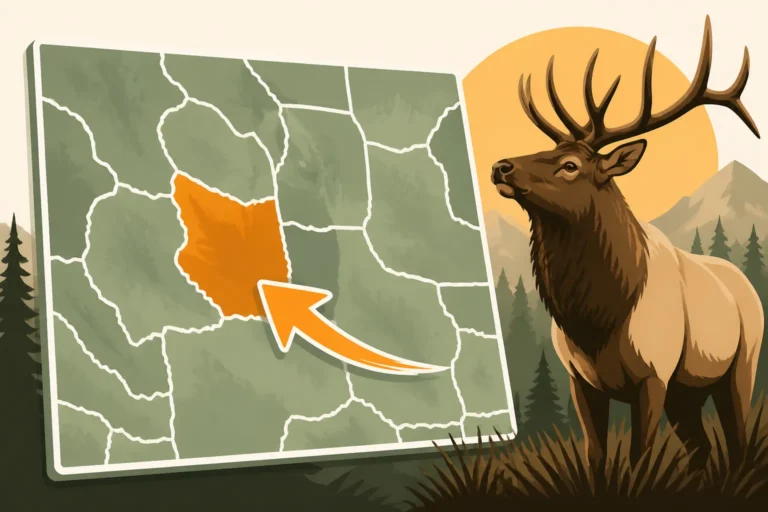
However, elk aren't exclusive to the high mountains. As hunting pressure mounts and snow begins to fall, herds will often migrate down into the foothills and even onto private agricultural lands within the basin. These lower-elevation hunts can be challenging, often requiring permission from landowners or focusing on fragmented pieces of public land that adjoin private ground. Some specific hunt areas, identified by Wyoming Elk Hunt Unit Boundaries, might even be designed to target these migratory animals. Understanding these migration patterns, and having alternative strategies for both high and low country, will maximize your chances.
Mule Deer: The Basin's Elusive Monarchs
Mule deer are truly at home throughout the Bighorn Basin, from the rugged mountains to the sagebrush canyons and river breaks. Unlike elk, which often stick to denser timber, mule deer thrive in more open, broken country, using elevation changes and sparse cover to their advantage. Finding a mature mule deer buck often means covering a lot of ground with optics, glassing patiently from high vantage points. The vastness of the basin means that bucks can seemingly vanish into thin air, only to reappear miles away.
Specific areas within the basin, like those around the McCullough Peaks or the breaks of the Bighorn River, can hold impressive deer. What Deer Hunt Area 1 Covers might give you an idea of how these areas are designated. Hunting these deer requires stamina, good optics, and a willingness to put on miles, often through thorny brush and steep, eroded canyons. The rut in November can also offer incredible opportunities, as bucks become more active and less wary, though weather conditions can be severe at this time. Focus on areas with good cover, water, and varied terrain that offers both bedding and feeding opportunities.
Pronghorn Antelope: Speedsters of the Sagebrush Flats
If there's one species that truly defines the Bighorn Basin, it's the pronghorn antelope. These "speed goats" are synonymous with Wyoming's open country, and the basin is home to thriving populations. Hunting pronghorn here is a completely different game than hunting elk or deer. It's almost exclusively a spot-and-stalk affair on relatively flat, expansive terrain. Optics are your best friend, as you'll often be spotting animals at incredible distances. You'll spend hours behind the glass, picking apart the vast sagebrush, looking for that telltale flash of white or the distinct horn shape of a buck.
Once you've spotted a target animal, the real challenge begins: closing the distance in coverless country. This is where creative use of topography – even the slightest rise, coulee, or cutbank – becomes paramount. A good approach might involve long crawls, circuitous routes, and an intimate understanding of how far a pronghorn's eyesight extends. Reading an Antelope Hunt Unit Map will show you which areas are known for higher densities and better trophy potential. While drawing a tag can sometimes require a few preference points, there are often good opportunities for general or doe-fawn tags, especially in the central and eastern parts of the basin.
Accessing the Bighorn Basin: Public Land Realities
Wyoming is famous for its vast public lands, and the Bighorn Basin is no exception. However, navigating these lands effectively and legally requires careful planning and a deep understanding of land ownership patterns. The basin presents a mix of federal, state, and private lands, often in a complex checkerboard pattern, making access a hunter's biggest challenge and opportunity.
BLM and Forest Service Lands: Your Hunting Grounds
The majority of public hunting opportunities in the Bighorn Basin come on Bureau of Land Management (BLM) and National Forest lands. BLM lands typically dominate the lower, more arid parts of the basin, offering extensive ground for pronghorn and mule deer. These areas are characterized by sagebrush, greasewood, and dry washes. How Many Square Miles of BLM Wyoming Holds is a testament to the sheer scale of these opportunities. You'll often find vast, unimproved two-track roads, but be prepared for remote travel and potential washouts, especially after rain or snow.
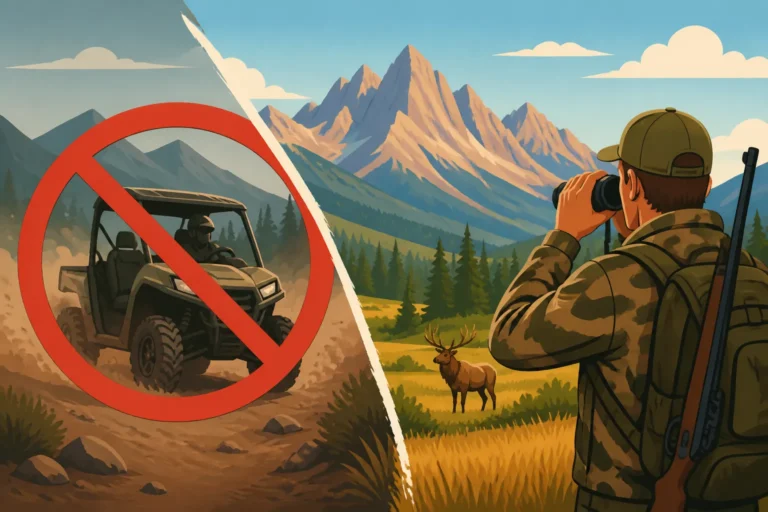
As you gain elevation toward the surrounding mountains, National Forest lands, like the Bighorn National Forest, become more prevalent. These timbered areas are prime elk and mountain mule deer habitat, offering a completely different hunting experience. These lands often have more established road networks, but also designated wilderness areas where motorized travel is prohibited, and Wyoming's Wilderness Guide Law for Nonresidents might apply for certain species. Using detailed maps and recognizing How Wyoming Numbers Its Hunt Areas will help you distinguish these zones and plan your route.
Understanding Private Land and Corner Crossing
One of the persistent challenges in Wyoming, and particularly in regions like the Bighorn Basin with historical land grants, is the "checkerboard" land ownership. This pattern, where alternating sections of public and private land create a literal grid, can make accessing otherwise public ground incredibly difficult. It's frustrating to see public land surrounded by private, seemingly out of reach.
However, recent developments regarding "corner crossing" have provided some clarity and opportunity. The general understanding is that crossing from one piece of public land to another at a common corner, without touching the private ground, is permissible. While the specifics can still be a legal gray area, especially on the ground, the spirit of the ruling aims to open up previously inaccessible public acreage. It's crucial to understand Whether Corner Crossing Is Legal in Wyoming and approach such situations with extreme caution and respect for all property rights. You should always be absolutely certain of your location and the corner boundaries before attempting to cross.
Leveraging Technology for Access
In an area as vast and complex as the Bighorn Basin, modern technology is no longer a luxury, but a necessity. Mapping applications are indispensable tools for identifying land ownership, navigating terrain, and pinpointing potential hunting spots. Tools like onX Hunt have revolutionized how hunters approach public land, allowing you to see precise land boundaries, property owner names, and a wealth of topographical information right on your phone or GPS device. Using onX Public Land Layers in Wyoming is a game-changer for identifying public access routes and avoiding accidental trespass.
Similarly, resources like GoHunt provide valuable information on draw odds, unit breakdowns, and harvest statistics, helping you select the most promising hunt areas within the Bighorn Basin based on your preference points and desired species. These platforms are invaluable for E-Scouting a Unit Before the Season Opens, allowing you to virtually explore terrain, identify key features like water sources and bedding areas, and plan your approach long before you ever set foot in the field. While these tools are fantastic, remember that Can You Rely on onX for a Boundary? should be approached with the understanding that even the best digital maps are representations, and on-the-ground verification is always wise.
| Land Type | Primary Game | Typical Terrain | Access Considerations |
|---|---|---|---|
| BLM Land | Pronghorn, Mule Deer | Sagebrush flats, badlands, dry washes | Extensive, but often remote; checkerboard patterns |
| National Forest | Elk, Mule Deer, Bear | Conifer forests, aspen groves, high alpine | Road systems, wilderness areas, seasonal closures |
| State Trust Land | Varies widely | Diverse, often mixed with private | Requires specific knowledge of access rules; permission sometimes needed |
| Private Land | All species | Agricultural fields, riparian zones, timbered draws | Permission required; often holds significant game |
Preparing for Your Bighorn Basin Hunting Adventure
A successful hunt in the Bighorn Basin isn't just about drawing a tag and showing up; it's about preparation, both physically and mentally. The diverse and often rugged landscape demands a well-thought-out plan, the right gear, and a solid understanding of the regulations specific to your chosen hunt area and species.
Essential Gear and Physical Conditioning
The Bighorn Basin can throw anything at you, from scorching heat to bitter cold, from flat plains to steep mountains. Your gear needs to be versatile and reliable. Layered clothing is non-negotiable, allowing you to adapt to rapidly changing temperatures. Good quality optics – binoculars, a spotting scope, and a rangefinder – are paramount, especially for open-country glassing of mule deer and pronghorn. A sturdy backpack capable of carrying extra layers, water, food, and eventually meat, is essential. Don't skimp on footwear; comfortable, broken-in boots that can handle rough terrain are critical.
Physical conditioning should be a top priority, particularly if you're targeting elk in the mountains or plan extensive spot-and-stalk hunts for deer and antelope. Walking miles at elevation, often with significant gains and losses, is demanding. Start a conditioning program well in advance of your hunt, focusing on cardiovascular endurance, leg strength, and pack training. Even flat ground hunting for antelope can involve miles of walking and crawling, so don't underestimate the physical toll. The fitter you are, the more enjoyable and successful your hunt will be.
Drawing Tags and Understanding Regulations
Wyoming's draw system can be complex, and understanding it is vital for securing a tag in the Bighorn Basin. Most big game tags are allocated through a lottery system, often involving preference points that you can accumulate over time. Before you even apply, you need to research draw odds for your desired species and hunt area. Resources like Checking Draw Odds Before You Apply can provide invaluable data to help you strategize your application. It’s important to familiarize yourself with Wyoming Nonresident Elk Applications Close in Early February and other deadlines, as they vary by species.
Once you have your tag, the real homework begins with the regulations. Each hunt area within the Bighorn Basin will have specific season dates, weapon restrictions, and sometimes even antler point restrictions. Always download and thoroughly read the current year's hunting regulations for your specific species and hunt unit. Don't rely on information from previous years, as rules can and do change. This includes understanding tagging requirements, game retrieval rules, and any special provisions for chronic wasting disease (CWD) testing. Being knowledgeable about the rules prevents costly mistakes and ensures a legal and ethical hunt.
Scouting and Strategy for Success
Whether you're new to the Bighorn Basin or a seasoned veteran, scouting is the cornerstone of a successful hunt. Given the vastness of the region, E-Scouting a Unit Before the Season Opens is a highly effective way to narrow down potential hunting areas. Utilize online mapping tools, satellite imagery, and topographic maps to identify key features like water sources, potential bedding areas, travel corridors, and escape routes. Look for pinch points, saddles, and areas where different habitat types converge.
Once you've identified some promising spots on your map, in-person scouting, if possible, is invaluable. This allows you to verify terrain, find fresh sign, and understand animal movement patterns. If a pre-season trip isn't feasible, arrive a few days early for your hunt to allow for last-minute scouting and acclimatization. Develop multiple strategies based on weather, animal behavior, and hunting pressure. Be prepared to adapt. The Bighorn Basin is a challenging but incredibly rewarding place to hunt, and diligent preparation is your key to unlocking its secrets.
Disclaimer
This article is for general informational purposes only and does not constitute professional advice. Laws, prices and regulations vary by location and change over time. Consult a qualified professional for guidance on your specific situation.