Motorized Vehicles Inside Wyoming Wilderness Areas
Navigating Wyoming's vast and rugged backcountry is part of the allure for many hunters, but it comes with a strict set of rules, especially when it concerns designated wilderness areas. It's a common frustration: you've planned a hunt into what looks like prime habitat, only to realize that the shortcut you hoped to take on your ATV is completely off-limits. This guide will meticulously break down the regulations surrounding motorized vehicles in Wyoming's wilderness, ensuring you understand exactly what's allowed and, more importantly, what isn't, so you can plan a successful and legal hunt.
Understanding Wilderness Area Designations in Wyoming
Wyoming is blessed with immense tracts of wild country, and some of the most pristine and remote are designated as Wilderness Areas. These aren't just pretty places; they're areas specifically set aside by Congress to preserve their natural character and provide opportunities for solitude and unconfined recreation. For hunters, these areas often hold some of the best big game opportunities, precisely because they are so difficult to access.
What Defines a Wilderness Area?
When an area is designated as "wilderness," it means it's managed to remain primarily untouched by human activity. The Wilderness Act of 1964 defines wilderness as a place where "the earth and its community of life are untrammeled by man, where man himself is a visitor who does not remain." This isn't just a philosophical idea; it has very real, practical implications for how you can travel and hunt within these boundaries. Essentially, it means no roads, no permanent structures, and absolutely no mechanized or motorized equipment. The intent is to preserve an ecosystem that feels wild, where the only sounds you hear are those of nature, and your journey relies entirely on your own strength or the power of an animal.
Major Wyoming Wilderness Areas Relevant to Hunters
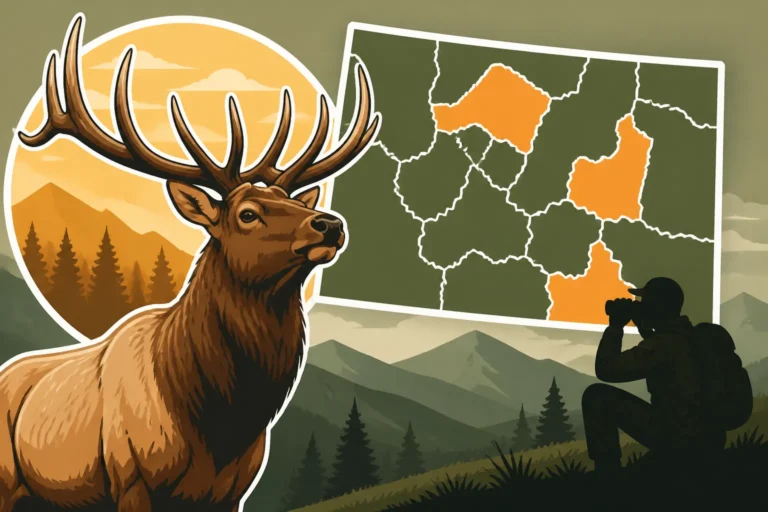
Wyoming hosts several prominent Wilderness Areas that attract hunters seeking true backcountry experiences. Understanding where these boundaries lie is crucial. For instance, the Bridger-Teton National Forest contains vast wilderness portions, including the Gros Ventre Wilderness, the Popo Agie Wilderness, and parts of the Wind River Range. Further north, the Shoshone National Forest is home to the Absaroka-Beartooth Wilderness and other remote sections. The Bighorn National Forest encompasses the Cloud Peak Wilderness. These are not small, isolated pockets; they represent significant portions of Wyoming's mountain ranges and are often prime habitat for elk, mule deer, and bighorn sheep. If you're planning a hunt in any of these grand landscapes, you must know the Wilderness Rules Every Wyoming Nonresident Should Know and plan accordingly.
Why These Rules Exist
The primary purpose of wilderness designation is conservation. These rules are in place to protect sensitive ecosystems, prevent habitat degradation, and ensure that certain wild places remain wild for future generations. Motorized vehicles, by their very nature, leave tracks, compact soil, introduce noise and pollution, and can easily disturb wildlife. The intent is to provide an experience where humans are visitors in a truly wild setting, where the challenge of accessing remote areas is part of the experience. It's about maintaining solitude, fostering a sense of self-reliance, and safeguarding the raw beauty that makes these places so special.
The Strict Rules Against Motorized Vehicles
When we talk about "motorized vehicles" in Wyoming's wilderness, the definition is broad and strictly enforced. This isn't just about large trucks; it encompasses almost anything with an engine or a motor that provides propulsion. Understanding these nuances is critical to avoiding a serious violation.
What Counts as a Motorized Vehicle?
In a wilderness area, any device that uses an engine or motor for propulsion falls under the "motorized vehicle" umbrella. This includes, but isn't limited to:
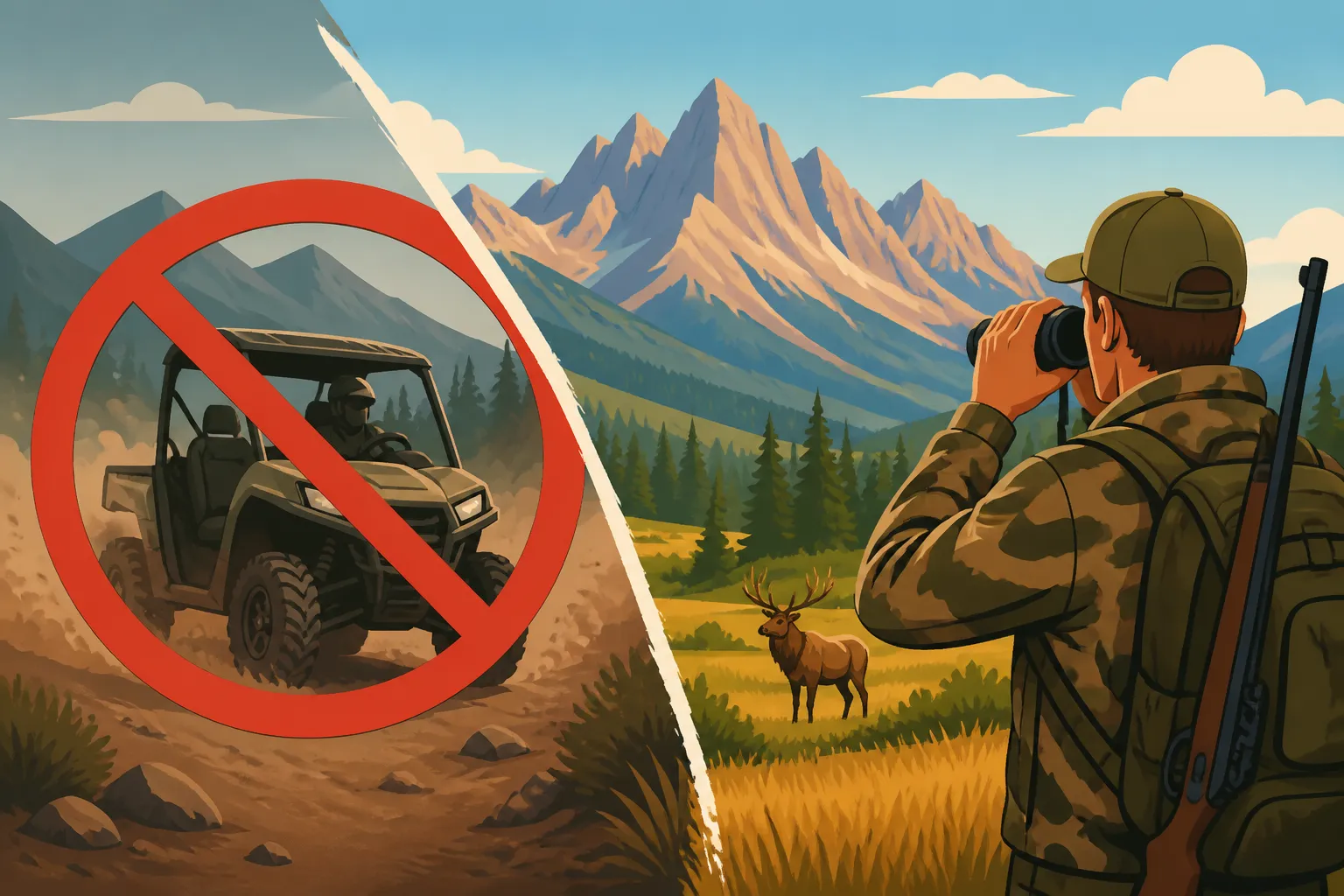
- All-Terrain Vehicles (ATVs) and Utility Task Vehicles (UTVs): These are perhaps the most common forms of motorized transport hunters wish to use, but they are absolutely prohibited within wilderness boundaries.
- Dirt Bikes and Motorcycles: No two-wheeled motorized vehicles are allowed.
- Automobiles and Trucks: While less common to attempt, driving a truck into a wilderness area is also illegal.
- Snowmobiles: Even in winter, snowmobiles are banned, which means accessing some areas for late-season hunts or winter recreation requires different methods.
- Electric Bicycles (E-bikes): This is a point of increasing confusion. Despite being pedal-assist, federal regulations, which Wyoming generally follows for wilderness areas, classify e-bikes as motorized. So, leave your e-bike at the trailhead.
- Electric Game Carts or Wagons: Even if designed for retrieving game, if it has a motor, it's not allowed.
The key takeaway is that if it moves under its own mechanical power, it's motorized, and it's prohibited. The rule is about the power source, not just the size or type of vehicle.
Defining "Motorized Use"
"Motorized use" isn't just about driving deep into a wilderness area. It includes any operation or attempt to operate a motorized vehicle within the designated boundaries. Even starting an ATV engine just inside the boundary line, or using a winch powered by an engine, could be considered a violation.
It’s crucial to understand that there are virtually no exceptions for routine hunting activities. You cannot use a motorized vehicle to pack in your gear, retrieve a downed animal, or set up camp. Many hunters mistakenly believe that game retrieval is an exception, especially for large animals like elk, but this is a dangerous assumption that can lead to significant penalties. This means if you are fortunate enough to harvest an elk in the Elk Hunting the Wind River Wilderness, you will be packing it out using your own two feet or the traditional method of pack stock.
Exceptions and Misconceptions
The truth is, legitimate exceptions to the motorized vehicle ban in wilderness areas are extremely rare and typically involve official administrative duties or true life-threatening emergencies that require immediate intervention from search and rescue. They are not for hunter convenience.
A common misconception is that a "short cut" across a wilderness corner is permissible, or that using an old, unmaintained road that used to allow vehicles is now fine. This is never the case. Wilderness boundaries are absolute, regardless of terrain or historical access. Another prevalent myth is that if you're retrieving game, the rules relax. They do not. The physical effort required to pack out a large animal from a wilderness area is a fundamental part of the challenge and experience. This is why Physical Conditioning for a Mountain Hunt is so important for hunters venturing into these remote areas.
Planning Your Hunt Without Motorized Access
Since motorized vehicles are out of the question, successfully hunting in Wyoming's wilderness requires a different approach to planning, gear, and logistics. It demands a commitment to self-reliance and traditional backcountry methods.
The Reliance on Foot and Horseback
The primary modes of travel within wilderness areas are human power or animal power. This means hiking, backpacking, or utilizing horses and mules.
- Foot Travel: For many, this is the most direct and purest way to experience the wilderness. It allows for stealthy movement, close observation, and a deep connection to the land. However, it's physically demanding, especially when carrying heavy gear or packing out meat. You'll need to develop your hiking endurance and navigation skills.
- Horseback and Pack Stock: For covering longer distances, carrying more gear, or for game retrieval, horses and mules are invaluable. Many outfitters specialize in Pack String Outfitters Working in Wyoming or Wilderness Pack Trips Built for Hunters, offering drop camps or fully guided services that rely solely on stock. If you plan to use your own stock, be aware of Pack Stock Rules Inside Wilderness Areas and ensure your animals are accustomed to backcountry travel. This method significantly extends your range and carrying capacity, making deeper penetrations into prime habitat much more feasible.
Gear Considerations for Backpacking and Packing In
When every item must be carried on your back or on a pack animal, weight becomes paramount. This isn't the time for luxury items. Your gear list needs to be lightweight, durable, and functional.
- Shelter: Ultralight tents or tarps are preferred over heavy canvas wall tents.
- Sleeping System: High-quality, compact sleeping bags and pads are essential for warmth and minimal bulk.
- Cooking: Backpacking stoves and dehydrated meals minimize weight and fuel consumption.
- Navigation: While GPS devices like those integrated with onX Hunt are allowed (they aren't motorized in themselves), a physical map and compass are crucial backups. Using onX Public Land Layers in Wyoming can be incredibly helpful for planning your route and identifying boundaries from home.
- Game Processing: Lightweight knives, game bags, and a bone saw are critical for efficient field dressing and packing out.
- Pack System: A comfortable, high-capacity backpack is non-negotiable for foot travel, capable of handling heavy loads of meat. If using stock, specialized panniers and pack saddles are necessary.
Thinking through every ounce can make the difference between an enjoyable, successful hunt and an agonizing ordeal.
Using Pack Stock and Outfitters
For many nonresident hunters, or those simply not equipped for self-supported backcountry horse packing, hiring a professional outfitter is often the best solution.
- Drop Camps: An outfitter can pack you and your gear into a pre-arranged camp, often with horses or mules, and then pick you up at a later date. This offers the wilderness experience without the heavy investment in pack stock or the expertise required to manage them. What a Wyoming Drop Camp Actually Includes can vary, so always clarify the services provided.
- Fully Guided Hunts: Outfitters also provide fully guided hunts within wilderness areas, complete with guides, camp setup, cooking, and stock. This service takes care of all the logistics, allowing you to focus purely on the hunt. For nonresidents, remember that The Wilderness Guide Requirement for Wyoming Nonresidents means a licensed outfitter or a resident guide must accompany you in certain wilderness areas when hunting specific big game species.
When vetting an outfitter, ensure they have experience operating in the specific wilderness area you're targeting and are fully licensed and insured.
E-Scouting and Map Tools
Before you even set foot in Wyoming, advanced planning using mapping software can save you immense effort and prevent headaches. Tools like onX Hunt and GoHunt are invaluable for this.
- Boundary Identification: These apps allow you to clearly see wilderness boundaries, helping you plan your approach and identify legal access points. You can mark areas that are off-limits for motorized travel and focus your scouting efforts on legal zones.
- Terrain Analysis: Study contour lines, identifying potential drainages for cover, ridgelines for glassing, and possible travel corridors for game and yourself. Understanding the elevation changes will give you a realistic picture of the physical demands of your chosen area.
- Access Routes: Pinpoint roads that lead to wilderness trailheads and identify any private land parcels you might need to navigate or avoid. Planning your entry and exit points meticulously is crucial when you're relying on foot or horseback.
- Water Sources and Camp Spots: Good maps will show perennial water sources, which are vital for both human consumption and for stock. Identifying potential camp locations that offer shelter and good access to water can be done from your couch. E-Scouting a Unit Before the Season Opens is more than just looking for game sign; it's about understanding the entire logistical puzzle.
Penalties for Violating Wilderness Vehicle Rules
The rules regarding motorized vehicles in Wyoming's wilderness are not suggestions; they are federal law, and violations carry serious consequences. Ignorance of the law is not an excuse.
Legal Consequences
If you are caught operating a motorized vehicle within a designated wilderness area, you could face significant penalties. These typically include:
- Fines: Fines can range from hundreds to thousands of dollars, depending on the severity of the violation and any damage caused.
- Confiscation: In some cases, your vehicle (ATV, dirt bike, e-bike) could be confiscated.
- Imprisonment: For severe or repeated offenses, federal charges could lead to jail time.
- Loss of Hunting Privileges: You could lose your hunting license for a period of time, not just in Wyoming but potentially in other states through the Interstate Wildlife Violator Compact.
Law enforcement, including Forest Service rangers and game wardens, actively patrol wilderness boundaries and are well-versed in identifying and prosecuting violations. They take these rules very seriously because the integrity of these protected areas depends on it.
Environmental and Ethical Impacts
Beyond the legal ramifications, violating wilderness vehicle rules has broader environmental and ethical implications.
- Environmental Damage: Motorized vehicles compact soil, destroy sensitive vegetation, spread invasive species, and can lead to erosion, especially on steep slopes or wet ground. They also disrupt natural water flow and leave scars on the landscape that can take decades to heal.
- Wildlife Disturbance: The noise and presence of vehicles can stress wildlife, displacing animals from crucial feeding, bedding, or breeding areas. This goes against the core principle of minimizing human impact in these untrammeled spaces.
- Erosion of Wilderness Character: Every illegal vehicle track degrades the very solitude and wildness that defines a wilderness area. It detracts from the experience for other visitors seeking an unmechanized outdoor adventure.
- Negative Perception of Hunters: When hunters are found violating these rules, it casts a shadow over the entire hunting community, fueling anti-hunting sentiments and potentially leading to tighter regulations for everyone. Ethical hunters are stewards of the land, and respecting wilderness designations is a fundamental part of that responsibility.
Reporting Violations
If you witness a motorized vehicle violation in a Wyoming wilderness area, you have a responsibility to report it. Documenting the incident with photos, location details (GPS coordinates if possible), vehicle descriptions, and license plate numbers (if visible) can be incredibly helpful. You should report these violations to the local Forest Service office, BLM office, or the Wyoming Game and Fish Department. By actively participating in the enforcement of these rules, the hunting community helps preserve these precious resources for all.
Comparison of Travel Methods in Wilderness Areas
To help clarify, here's a quick look at common travel methods and their legality within Wyoming's designated Wilderness Areas.
| Travel Method | Legality in Wyoming Wilderness | Key Considerations |
|---|---|---|
| Foot Travel | Permitted | Most common, quiet, minimal impact; requires good physical conditioning and navigation. |
| Horseback/Pack Stock | Permitted | Excellent for covering distance and carrying heavy loads; requires experience with animals. |
| ATV/UTV | Prohibited | Illegal, will result in fines and potential vehicle confiscation. |
| Dirt Bike/Motorcycle | Prohibited | Illegal, similar consequences to ATVs. |
| Electric Bicycle (E-bike) | Prohibited | Classified as motorized under federal wilderness rules. |
| Electric Game Cart | Prohibited | Any motor means it's illegal, even for game retrieval. |
| Bicycle (Non-electric) | Generally Prohibited | Most wilderness areas ban bicycles to maintain primitive character and prevent impact. |
Remember, always check specific wilderness area regulations as minor variations can occur, but the motorized vehicle ban is universal.
Disclaimer
This article is for general informational purposes only and does not constitute professional advice. Laws, prices and regulations vary by location and change over time. Consult a qualified professional for guidance on your specific situation.