The Bear Meat Salvage Requirement Explained
Wyoming bear meat salvage regulations require hunters to pack out all edible muscle from hindquarters, front quarters, and the backbone.
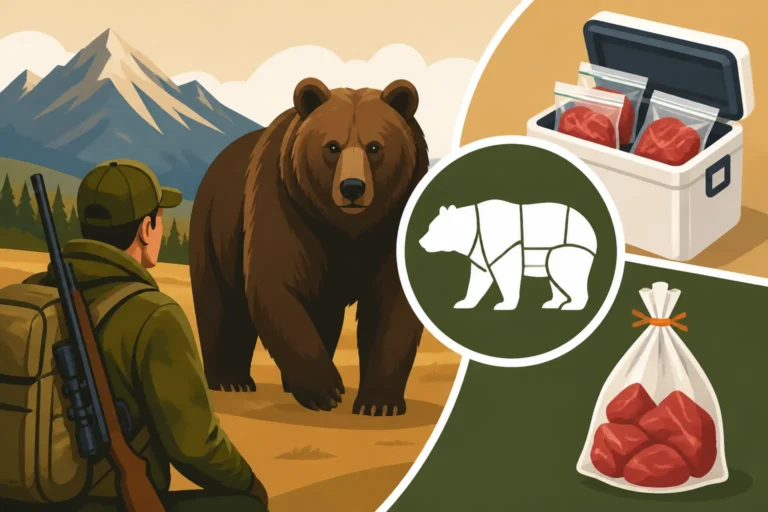
Wyoming bear meat salvage regulations require hunters to pack out all edible muscle from hindquarters, front quarters, and the backbone.

Wyoming bear identification details five physical characteristics to distinguish grizzly bears from huntable black bears safely.
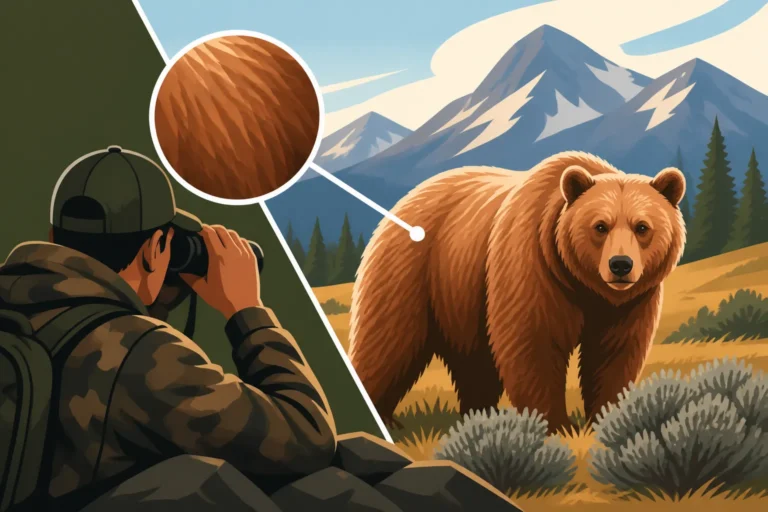
Wyoming black bear hunters learn distinct field characteristics to separate reddish brown cinnamon phases from grizzly bears.
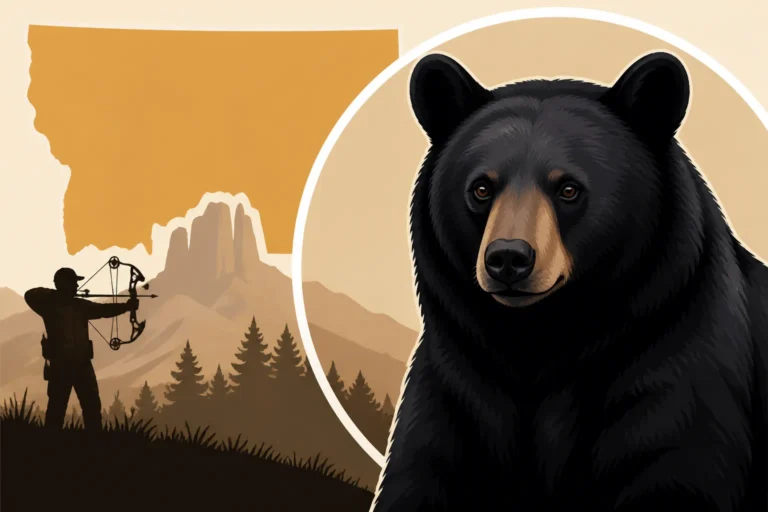
Wyoming black bear coats range from rich chocolate to shimmering blonde because recessive genetics dictate fur pigment variations.
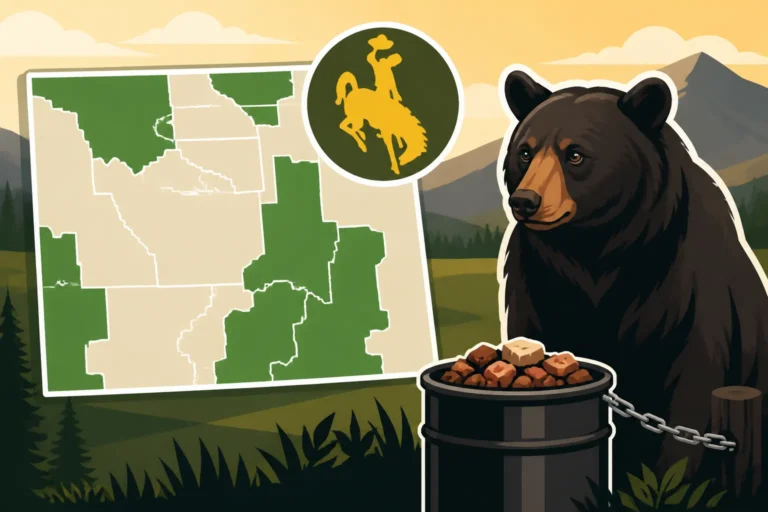
Wyoming Game and Fish Department regulations identify specific hunt areas where black bear baiting is legally permitted.

Wyoming black bear fall hunting seasons feature varying opening dates, hunt areas, and quotas managed by wildlife officials.

Wyoming spring black bear season dates vary by specific hunt area, requiring hunters to monitor fluctuating quotas and regulations.
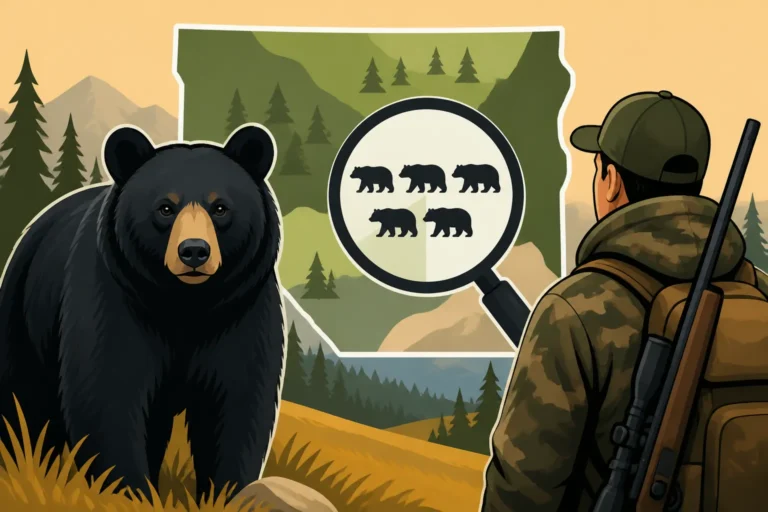
Wyoming black bear population estimates are complex scientific calculations rather than exact headcounts used to set hunting regulations.
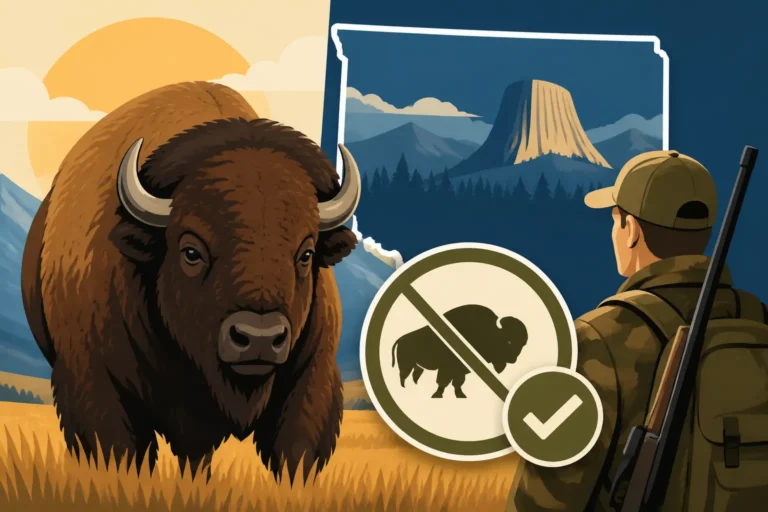
Wyoming bison once-in-a-lifetime rules restrict successful hunters to one harvest forever, permanently barring them from future license applications.
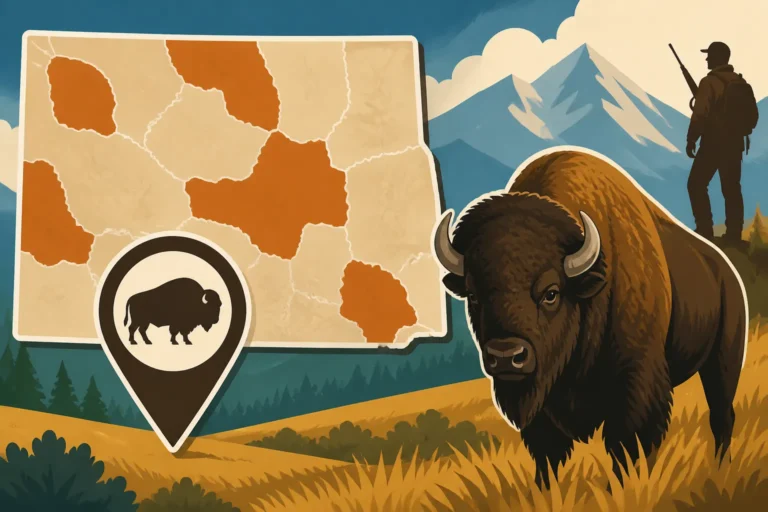
Wyoming bison hunt areas detail specific public land locations where the Jackson Hole herd migrates across the Bridger-Teton National Forest.