When Wyoming’s Mourning Dove Opener Falls
There's nothing quite like the crisp air of early September in Wyoming, the promise of autumn on the breeze, and the distinct, mournful coo of a dove signaling the close of summer. For many hunters, myself included, the opening of mourning dove season isn't just another date on the calendar; it's a cherished tradition, a chance to dust off the scattergun, sharpen those reflexes, and enjoy some fast-paced action before the big game seasons kick into full swing. But pinning down exact dates for migratory birds can sometimes feel like trying to nail jelly to a tree. Regulations change, and knowing when you can head afield for these swift, elusive birds is half the battle. This guide is going to walk you through precisely when Wyoming's mourning dove opener generally falls, why it's set that way, and what you need to know to be ready for the season.
Understanding Wyoming's Migratory Bird Seasons
Hunting migratory birds, like mourning doves, isn't quite the same as pursuing a resident species like mule deer or elk. There's an extra layer of federal oversight involved, which can sometimes make things feel a bit more complex, but it's there to protect species that cross state and international borders.
The Federal Framework for Dove Hunting Dates
Unlike big game species, which are managed almost entirely by state agencies, migratory birds fall under the joint jurisdiction of both federal and state governments. The U.S. Fish and Wildlife Service (USFWS) establishes broad guidelines and frameworks for migratory bird hunting seasons, setting outer limits for season lengths, bag limits, and general timing. These frameworks are based on extensive population data, biological research, and conservation goals for each species across their entire migratory range.
What this means for us hunters is that while Wyoming's game and fish department has a lot of say, they have to operate within these federal boundaries. They can't just pick any date they want for the opener or extend the season indefinitely. The federal government ensures that hunting pressure on doves is sustainable across their entire flyway, from Canada down into Mexico. So, when you see those season dates, know that they're the result of careful scientific study and collaboration between state and federal biologists, aimed at providing hunting opportunity while safeguarding the health of the dove population. It's a system designed to ensure these birds continue to grace our skies for generations to come.
How Wyoming Sets Its Specific Dates
Once the federal frameworks are in place, the Wyoming Game and Fish Department steps in to finalize the specific season dates, bag limits, and shooting hours for our state. They have a bit of flexibility within those federal guidelines, and they use local biological data, hunter input, and habitat conditions to make their decisions. For doves, which are often found near agricultural fields and water sources, the timing is often linked to harvest schedules and the availability of food and water as summer transitions to fall.
The department considers factors like nesting success for the year, local population trends, and hunter harvest reports from previous seasons. They also try to balance hunter opportunity with minimizing conflicts, especially in areas where doves might be found near other hunting activities. This process involves public meetings, proposals, and ultimately, the setting of the final regulations that we, as hunters, need to abide by. It's a thorough process, and that's why it's absolutely crucial to always consult the current year's official regulations, rather than relying on what you remember from previous years. Changes can and do happen, and a missed detail can turn a great hunt into a legal headache.
When the Mourning Dove Opener Falls in Wyoming
Alright, let's get to the heart of the matter. For many years running, Wyoming's mourning dove season has consistently opened on a particular date, offering a reliable start to the fall hunting calendar.
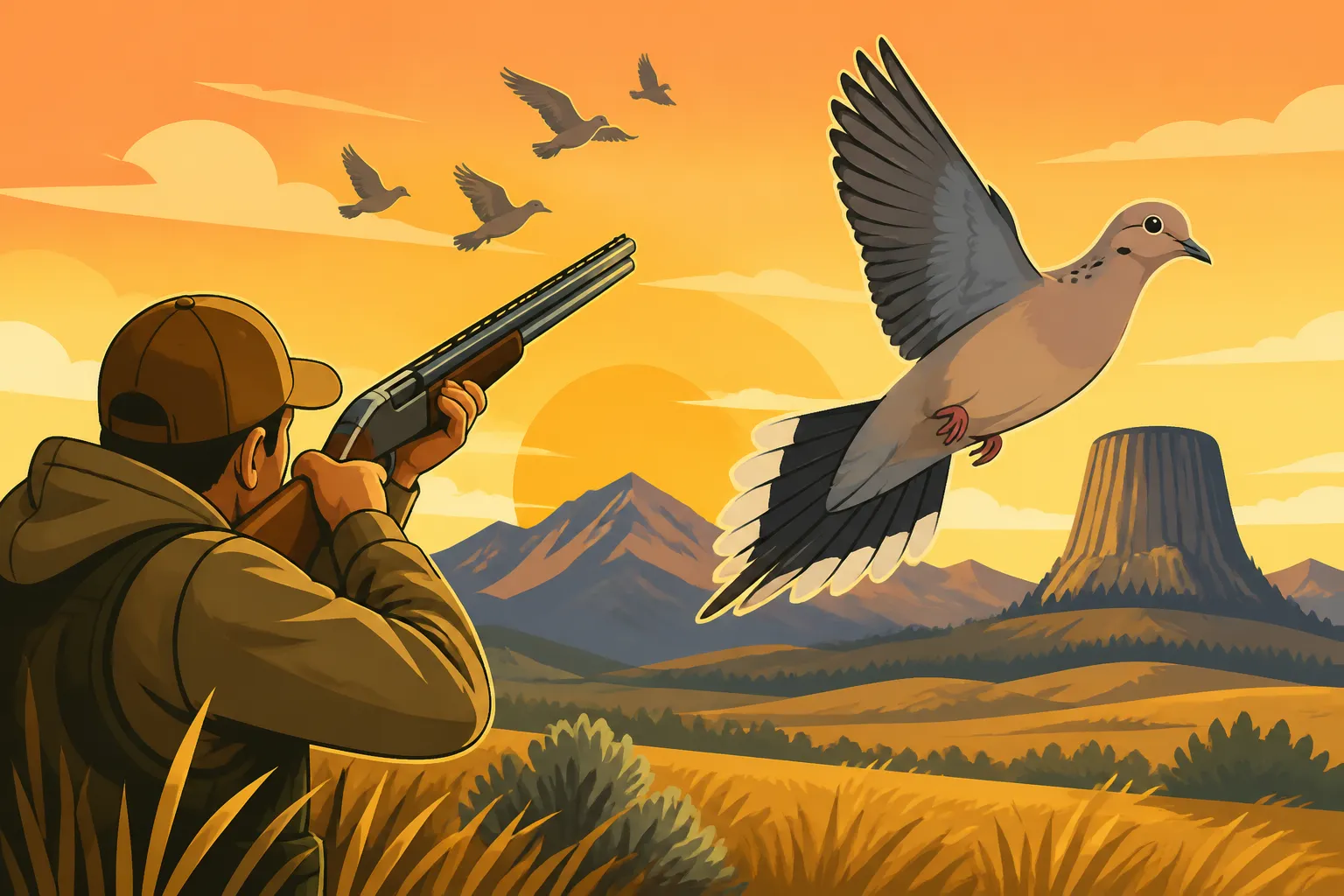
Historically, the mourning dove season in Wyoming opens on September 1st. This date holds true for most, if not all, of the state's hunt areas where doves are present. It's a date that many of us mark on our calendars well in advance, knowing it signifies the official kickoff for wingshooting opportunities. This early September opening takes advantage of the period when young doves are fledged and local populations are at their peak before the main migration south really gets underway. It’s also a time of year when the weather is generally still pleasant, making for enjoyable days afield.
While September 1st is the traditional opener, and you can generally count on it, I cannot stress enough the importance of confirming this date yourself every single year. You can find the most up-to-date and official information by checking Where the Current Wyoming Regulations Are Posted on the Wyoming Game and Fish Department's website. They publish their annual migratory bird regulations, typically in late summer, well in advance of the season. Always check those official documents; they are the final word.
Why the Dates are Consistent (Usually)
The consistency of the September 1st opener for mourning doves in Wyoming isn't just a happy accident; it's a carefully considered decision based on several biological and practical factors. First and foremost, late summer and early fall represent the peak of the mourning dove population. After multiple broods throughout the spring and summer, young birds are strong fliers and have dispersed from their nesting areas. This timing provides ample hunting opportunity without impacting the breeding population.
Secondly, setting the opener on September 1st allows hunters to capitalize on the local doves before a significant portion of the population begins its southward migration. While some birds may start moving earlier, the bulk of the migratory push typically occurs later in September and into October. By opening early, Wyoming offers a chance at these locally raised birds. It also fits nicely into the broader hunting calendar, often preceding the general big game seasons, offering hunters an excellent warm-up. Plus, it gives plenty of overlap with the first signs of cooler weather, making for very comfortable days in the field without the extreme heat of mid-summer.
Key Factors Influencing the Season Length
While the opening date tends to be quite stable, the overall length of the mourning dove season can sometimes see minor adjustments, though it generally remains a generous window of opportunity. The primary drivers for season length are, again, federal guidelines and biological data. The USFWS sets a maximum number of hunting days for doves within specific zones, and Wyoming then allocates those days.
Factors like annual dove population surveys, habitat conditions, and hunter harvest success from previous years all play a role. If a particular year sees a strong breeding season and high dove numbers, the state might opt for a longer season within the federal limits. Conversely, if there are concerns about population declines, though rare for doves, they might shorten it slightly. Weather patterns can also subtly influence the "effective" season length, as an early cold snap can push birds south faster, effectively ending hunting opportunities even if the season is technically still open. This is why paying attention to localized forecasts and migration reports can be as important as the published dates themselves. The Wyoming Game and Fish Department also considers recreational value, aiming to provide sufficient time for hunters to pursue doves across different parts of the state.
Preparing for Wyoming's Dove Season
Getting ready for dove season in Wyoming is about more than just knowing the date; it's about having the right paperwork, the right gear, and the right approach. It’s a fast-paced hunt that demands attention to detail.
Licensing and Stamp Requirements
Before you even think about stepping into a dove field, you need to make sure your paperwork is in order. This isn't just a formality; it's a legal requirement and contributes directly to conservation efforts. First, you'll need a valid Wyoming hunting license. This will be either a resident or nonresident small game license, depending on your status. For youth hunters, there might be specific requirements, and anyone born after 1965 needs to have completed a hunter education course. You can learn more about this by checking out Wyoming Hunter Education Requirements Before Age Twelve.
Beyond your base hunting license, you'll also need a Wyoming Conservation Stamp. This stamp is mandatory for nearly all hunting and fishing activities in the state and helps fund critical conservation projects. To ensure you’re fully compliant, make sure you also have your federal Migratory Bird Hunting and Conservation Stamp, commonly known as a "Duck Stamp." Even though you're hunting doves, this federal stamp is required for hunting any migratory waterfowl or migratory game birds. Finally, you must also be registered with the Harvest Information Program (HIP). This is a free registration, usually done when you purchase your license, that collects information on migratory bird hunters, which helps biologists gather data for management. Always carry proof of all your licenses and stamps while afield; it’s part of responsible hunting, and you can find more on that by looking at Carrying Proof of Certification in the Field.
Gear and Tactics for Success
Mourning dove hunting is often described as a "gentleman's hunt," but don't let that fool you—it can be incredibly challenging and requires quick reflexes. Your gear setup is relatively simple. A reliable shotgun, typically a 12- or 20-gauge, is standard, with lighter loads like 7.5 or 8 shot being common. Doves are small and fragile, so heavy loads aren't necessary and can damage meat. Eye protection and ear protection are non-negotiable for safety. A good bird vest or shell bag is essential for holding ammunition and retrieving downed birds.
Tactics often involve identifying flight paths between roosting areas, feeding fields, and water sources. Doves are creatures of habit, and scouting before the season opens can pay huge dividends. Look for fields of harvested grain, sunflowers, or weed seeds. Water holes are also prime locations, especially in the afternoon heat. Blinds can be as simple as sitting next to a fence line or a clump of bushes, or you can use a portable chair and some camouflage. Decoys can be incredibly effective, especially spinning wing decoys, which grab a dove's attention from a distance. However, remember that electronic calls are generally not permitted for migratory game birds, so leave those at home. While Electronic Calls for Predators and Varmint Hunting details where they are allowed, dove hunting is not one of those situations. The key is to be patient, stay still, and be ready for fast-moving targets that can change direction in an instant.
Finding Good Dove Habitat in Wyoming
Wyoming is a vast state, and while doves can be found in many areas, understanding their preferred habitats can greatly increase your chances of a successful hunt. These aren't deep timber birds; they're lovers of open country and agricultural settings.
Agricultural Fields and Water Sources
Mourning doves thrive in landscapes that offer a mix of food, water, and roosting cover. This often points directly to agricultural areas. Fields of small grains like wheat, barley, or millet, especially after harvest, are absolute magnets for doves. They'll also frequent sunflower fields, corn stubble, and even fields full of various weeds that produce small, edible seeds. These fields provide the high-energy food sources doves need.
Beyond food, water is paramount, especially in Wyoming's often arid environment. Ponds, stock tanks, river bottoms, and even small puddles or seeps will attract doves, particularly in the hot afternoons. When scouting, look for "edges" – where a harvested field meets a line of trees or a water source. These transition zones are often dove highways. Remember, getting permission to hunt on private agricultural land is crucial. Many landowners are open to dove hunters, especially if you ask politely and respect their property. However, if private land isn't an option, don't despair; Wyoming has plenty of public access.
Public Land Opportunities
While private agricultural lands are often prime dove territory, Wyoming offers significant public land access where you can find doves. Bureau of Land Management (BLM) lands and State Trust Lands often have suitable habitat, particularly where there are scattered agricultural leases, water sources, or natural stands of seed-producing weeds. River bottoms and drainages on public ground can also be excellent, as these areas often provide both water and roosting trees. Areas near small towns or agricultural communities, even if surrounded by private land, may have small pockets of public access that hold birds.
The key to finding doves on public land is thorough scouting, both in person and with maps like those offered by GoHunt or the Wyoming Game and Fish Department's online mapping tools. Look for areas with a mosaic of open ground, scattered trees or brush for roosting, and proximity to water. While it might take a bit more searching than walking into a known private stubble field, the reward of a successful public land dove hunt is incredibly satisfying. Don't forget to check specific public land regulations, as some areas may have unique rules regarding vehicle access or camping. For instance, you might find some good habitat in areas described in Public Access Across Fremont County, but always verify current conditions and specific dove patterns.
The Mourning Dove's Place in Wyoming's Ecosystem
Mourning doves are not only popular game birds but also an integral part of Wyoming's natural environment. Understanding their role and habits gives a richer context to the hunt itself.
Migration Patterns and Survival
Mourning doves are named for their distinctive, melancholy call, but they are far from melancholic in their flight patterns. They are strong fliers and undertake extensive migrations, often traveling thousands of miles between their breeding grounds in the north and wintering areas in the southern United States and Mexico. The doves we hunt in early September might be local birds, but as the season progresses, we also encounter "flight birds" – those migrating through Wyoming from further north.
Their migratory success relies heavily on available food sources and suitable habitat along their routes. This is one reason why hunting regulations are set at a federal level, to manage the species across its entire range. While hunting does contribute to mortality, natural factors like predation, weather events, and habitat loss are far more significant in shaping dove populations. Their high reproductive rate, with multiple broods per season, allows them to sustain populations despite these pressures, ensuring they remain a vibrant part of the ecosystem and a cherished target for wingshooters.
Conservation Efforts and Sustainable Hunting
The management of mourning doves and other migratory birds is a testament to successful conservation strategies driven by hunter funding. Through the purchase of hunting licenses, the federal duck stamp, and excise taxes on firearms and ammunition (Pittman-Robertson Act funds), hunters directly contribute billions of dollars annually to wildlife research, habitat acquisition, and management. This funding is critical for monitoring dove populations, conducting research, and ensuring that sustainable hunting seasons can continue.
For mourning doves specifically, annual banding studies provide invaluable data on survival rates, migration routes, and harvest levels. This data directly informs the season setting process, allowing biologists to make informed decisions that ensure healthy dove populations while providing recreational opportunities. When you participate in dove hunting, you're not just enjoying a day afield; you're part of a larger, successful conservation framework that has ensured the abundance of migratory game birds for generations. By adhering to bag limits, respecting the resource, and supporting conservation efforts, we ensure the future of this unique tradition. Don't forget to review Wyoming Small Game Seasons at a Glance for a broader view of other opportunities and how they fit into the conservation picture.
Wrapping Up Your Wyoming Dove Hunting Plan
Hunting mourning doves in Wyoming is a fantastic way to kick off your fall hunting season. It’s a challenging, rewarding experience that offers a lot of action and a chance to hone your wingshooting skills. While the September 1st opener is a reliable benchmark, diligent hunters always make it a point to check the official Wyoming Game and Fish Department regulations for the current year. This ensures you're completely up to date on season dates, bag limits, and any other specific rules for the hunt areas you plan to visit.
Getting your licenses and stamps squared away, scouting your hunting spots, and preparing your gear are all essential steps. Whether you're hunting private agricultural land with permission or exploring public land opportunities, understanding dove behavior and habitat preferences will greatly increase your success. More than anything, remember to prioritize safety, practice ethical hunting, and soak in those beautiful early September days in the Wyoming outdoors. It’s an experience that truly connects you to the rhythms of the wild and the thrill of the chase.
| Aspect of Dove Season | Typical Wyoming Standard | Important Note |
|---|---|---|
| Opening Date | September 1st | Always confirm with current year's WGFD regulations. |
| Season Length | Approximately 30-60 days | Varies slightly year-to-year based on federal frameworks. |
| Bag Limit | Often 15 birds daily | Confirm current limits, possession limits also apply. |
| Shooting Hours | Half-hour before sunrise to sunset | Generally consistent, but check regulations. Wyoming Legal Shooting Hours for Big Game gives a general idea, but check small game. |
| Required Stamps | WY Conservation Stamp, Federal Duck Stamp, HIP Registration | All mandatory for migratory bird hunting. |
| Key Habitat | Agricultural fields, water sources, tree lines | Scout early for active areas. |
Disclaimer
This article is for general informational purposes only and does not constitute professional advice. Laws, prices and regulations vary by location and change over time. Consult a qualified professional for guidance on your specific situation.