Evidence of Sex Requirements on a Carcass
You’ve just made a clean shot, your animal is down, and the adrenaline is still pumping. You’ve got your tag in hand, ready to notch it and start the hard work of field dressing. But hold on a second. Before you start quartering that elk or mule deer, do you know exactly what parts need to stay attached to the carcass to prove its sex and species according to Wyoming Game and Fish Department regulations? Missing this crucial detail can turn a successful hunt into a nightmare of citations and confiscated meat, a frustration no hunter wants to experience after all that effort. This guide is going to meticulously walk you through Wyoming's evidence of sex requirements, helping you understand not just what to do, but why it matters, so you can confidently process your game in the field and avoid legal headaches.
Why Evidence of Sex Matters in Wyoming Hunting
It might seem like an overly bureaucratic rule when you're standing over a hard-earned animal in the backcountry, but the requirement to leave evidence of sex attached to your harvested game is a cornerstone of responsible wildlife management and legal hunting in Wyoming. It's not there to make your life harder; it's there to protect the resource and ensure fairness.
Preventing Waste and Illegal Harvest
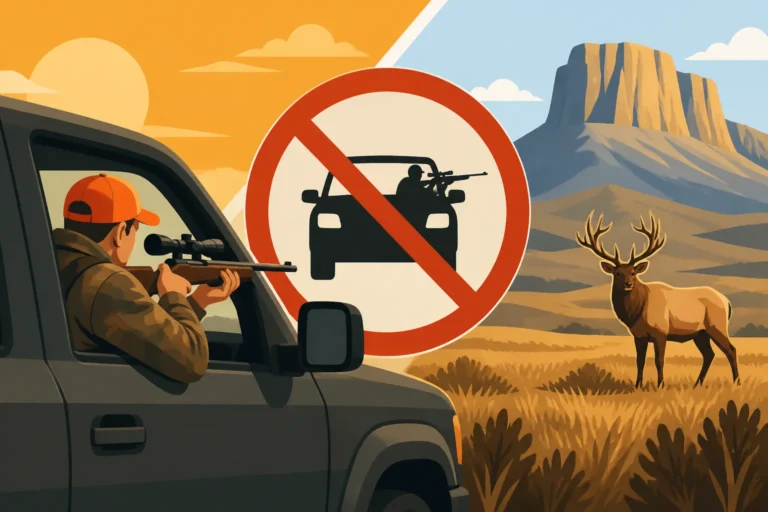
Imagine a scenario where a general season bull elk tag is valid in an area, but antlerless elk tags are highly restricted or nonexistent. Without clear evidence of sex, it would be impossible for game wardens to verify if an antlerless elk, completely processed into boned-out quarters, was harvested under a valid bull tag or if it was illegally taken. This rule directly combats poaching and helps prevent the wanton waste of game animals. Every tag issued in Wyoming is specific – whether it's a general bull elk tag, a doe/fawn antelope tag, or a ram bighorn sheep tag. These distinctions are critical for managing population objectives for different herd units across the state. Without an identifiable part of the animal clearly showing its sex, that management falls apart, and opportunities for illegal harvest skyrocket. These regulations help maintain the integrity of the hunt, ensuring that those who put in the time and effort to secure a specific license are indeed harvesting the animal their license allows.
Avoiding Costly Citations and Lost Game
The consequences of not adhering to Wyoming's evidence of sex requirements are severe. We're not talking about a slap on the wrist. If a game warden stops you in the field or at a check station and your harvested animal doesn't meet the legal requirements for evidence of sex, you could be facing a hefty fine, loss of your hunting privileges, and even confiscation of your hard-earned meat and trophy. Think about the investment you've made: the time spent scouting, the money on licenses, gear, and travel, and the physical exertion of the hunt itself. To have all that erased and potentially face criminal charges simply because a small, crucial piece of the animal wasn't left intact is a devastating blow. Game wardens take these rules very seriously because they are fundamental to protecting Wyoming's wildlife. They're on the lookout for hunters attempting to skirt the rules, and a lack of proper evidence of sex is a clear red flag that can lead to a detailed investigation. It's a situation that causes immense stress and heartache, easily avoidable by understanding and following the regulations to the letter.
Specific Evidence of Sex Requirements for Big Game in Wyoming
Wyoming Game and Fish Department regulations are quite specific about what constitutes "evidence of sex" for different big game species. It's not a one-size-fits-all rule, and understanding the nuances is key to staying legal.
Antlered vs. Antlerless Species: What to Leave Attached
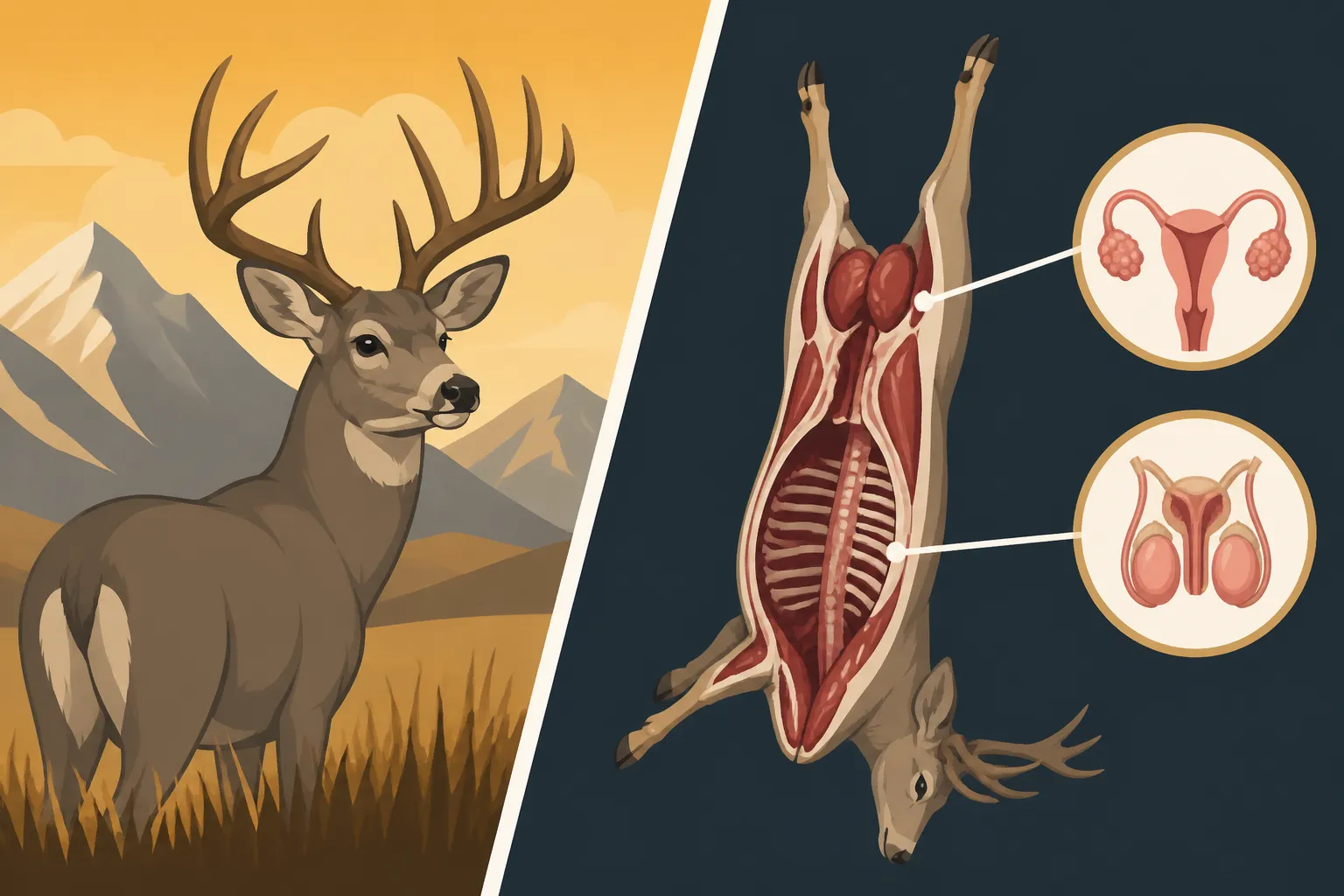
For animals like deer (mule deer and whitetail) and elk, which are often hunted with licenses specific to antlered animals (bucks or bulls), the evidence of sex is typically tied to their antlers. The general rule for these species is that the skull plate with both antlers attached must remain naturally connected to a portion of the carcass until the animal is processed at a residency, commercial processing facility, or taxidermist. This means if you're field dressing a bull elk or a mule deer buck, you cannot just cut off the antlers and carry them out separately, leaving the rest of the head behind. The skull plate, with those antlers still intact, needs to be physically linked to a major portion of the meat.
This rule is critical for verifying that you’ve harvested a legal antlered animal. For example, if you have a general elk license, you're permitted to take a bull elk. Without the antlers and skull plate attached, proving it was indeed a bull could become a complicated affair. This regulation helps wardens instantly identify whether the animal harvested matches the type of license you possess. It’s also important to note that specific regulations, like those for Wyoming's 40-Pound Minimum for Deer, Antelope and Sheep, indirectly support this by ensuring the animal taken is of a certain maturity or size, and the antler rules align with that. Similarly, for species like elk, where you might be hunting with a license for The 50-Pound Bows Elk and Moose Require, ensuring you’re taking a legal bull is paramount, and the attached antlers provide that undeniable proof.
Now, if you have an antlerless license—say, a Type 6, 7 and 8 Doe-Fawn Licenses in Wyoming for deer, or a cow elk tag—the requirements shift. For these, a quarter, with the udder or other external genitalia naturally attached, must be part of the carcass until final processing. It's usually easiest to leave the rear quarter with the udder intact. For deer or elk, you’ll typically bone out the meat and leave the hindquarter, with the evidence, attached to a bone. This ensures that a game warden can clearly see that the animal was indeed a female or a fawn, matching the specifics of your tag.
Meeting Requirements for Doe/Cow/Fawn Licenses
Hunting for antlerless animals, like a cow elk or a doe antelope, comes with its own set of evidence-of-sex requirements that differ from those for males. When you're successful on a Reduced Price Antlerless Licenses in Wyoming, or any tag that specifies a female or young animal, you absolutely must ensure that the udder or other external genitalia remains naturally attached to a hindquarter until the meat reaches its final destination—be it your home, a butcher shop, or a taxidermist.
The most practical way to comply with this is to leave one of the rear quarters intact, ensuring the udder is clearly visible and connected. This provides undeniable proof that the animal harvested was, in fact, female. Removing this evidence prematurely makes it nearly impossible for a game warden to verify your compliance with the license type, leading back to those unwelcome scenarios of fines and confiscation. Always think about how a game warden would view your carcass; their job is to enforce regulations, and clear evidence makes their job, and your life, much easier.
Special Considerations for Trophy Species (Moose, Sheep, Goats)
When it comes to highly coveted tags for species like Shiras moose, bighorn sheep, or mountain goats, the evidence of sex requirements can be even more stringent, reflecting the rarity and trophy value of these animals. For moose, often hunted under licenses that require long waiting periods like those covered in How Many Years It Takes to Draw Wyoming Moose, the regulations typically require that the antlers and skull plate remain attached to the carcass, similar to deer and elk, for bull moose. For cow moose, the udder rule applies.
For bighorn sheep and mountain goats, which are often once-in-a-lifetime hunts with incredibly tough odds like those explained in Bighorn Sheep Random Draw Odds Explained, the requirements often mandate that the entire skull with horns attached be retained, sometimes even requiring an agency representative to inspect and seal the trophy. These species have very specific harvest criteria, such as ram curl requirements for sheep, which necessitate the full head for proper identification and measurement. Hunters pursuing these animals need to be extra diligent and thoroughly review the specific hunt area regulations, as they can sometimes have unique rules beyond the general statewide guidelines. The investment in these hunts is enormous, and jeopardizing it by neglecting the evidence of sex requirements would be a truly heartbreaking outcome.
Practical Tips for Field Dressing and Transporting Your Harvest
Getting an animal down is only half the battle. Properly field dressing and transporting your game while adhering to legal requirements, especially those for evidence of sex, is where many hunters can run into trouble. A little preparation and knowledge go a long way.
Maintaining Evidence During Field Processing
When you're out in the field, likely miles from the nearest road, efficiently and legally processing your animal is crucial. For antlered game like deer and elk, the main objective is to keep the skull plate with both antlers attached to a major portion of the carcass. This usually means taking a hindquarter, a front quarter, or the backstraps, and ensuring the portion of the spine or ribs still has the skull plate and antlers naturally attached. You don't have to haul out the entire head if you're quartering, but a significant portion of the skull must remain connected to some meat. Many hunters will simply saw off the skull plate, leaving a section of the spine connected to one side of it, and then attach that to a quarter or the rib cage if they're not boning everything out.
For antlerless animals, remember that the udder or external genitalia must remain naturally attached to one hindquarter. When you're gutting and quartering, be mindful to keep this specific hindquarter intact, making sure that identifying feature is clearly visible. If you're boning out your meat to reduce weight, you can still meet this requirement by leaving the bone in that particular hindquarter to which the udder is attached. Keeping the evidence clean and identifiable is also important. While field dressing, try to minimize blood and debris on the identifying parts to make it easier for a game warden to inspect later. Carry a small saw, sharp knives, and game bags to keep everything organized and sanitary. Proper cooling of the meat is paramount, but don't let it compromise the evidence of sex. The goal is to get the animal into game bags and cooled as quickly as possible, ensuring the required evidence remains clearly identifiable. Always double-check your unit's specific regulations, and if you use a service like GoHunt, their detailed breakdowns can often highlight these nuances for specific hunt areas.
Transporting Your Game Legally
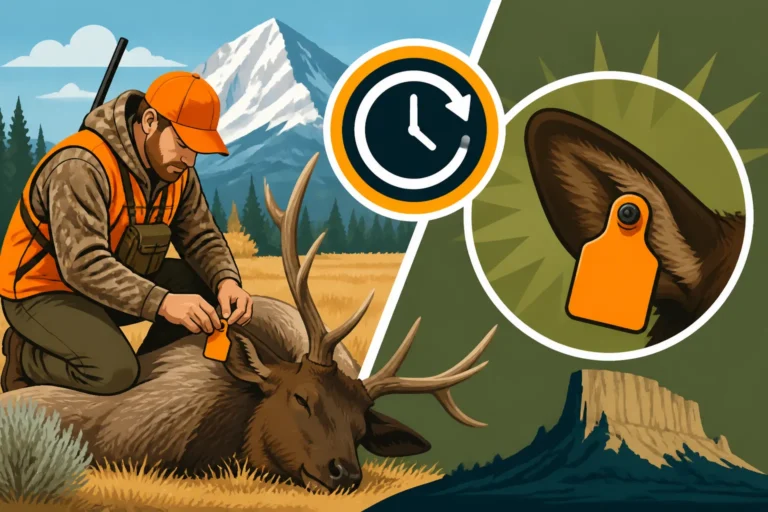
Transporting your harvested game from the field back to your vehicle, and then home or to a processor, requires careful attention to legal details. The key principle is that the required evidence of sex, along with your properly notched tag, must remain with the meat until it reaches its final destination for processing. This means if you quarter your animal, each quarter (or bundle of meat) must have a piece of the tag, and at least one portion must have the evidence of sex clearly attached. Wyoming's Carcass Coupon and Tagging Rules are quite explicit on this, requiring specific tag portions to be attached to each game bag or major part of the animal.
When transporting in your vehicle, ensure the meat and evidence are visible if a warden requests an inspection. Don't hide it under a tarp unless you're explicitly asked to remove it. If you're traveling across state lines, be aware that other states might have different rules regarding the transport of game, especially concerning Chronic Wasting Disease (CWD). While Wyoming rules specify what must be attached for transport within the state, cross-state transport might have additional restrictions on bringing in brain, spinal cord, or lymphatic tissue. It's always best practice to bone out meat and leave the skull plate with antlers (or entire skull for trophy species) for taxidermy, while disposing of high-risk CWD parts responsibly. Understanding Wanton Waste Rules Every Wyoming Hunter Should Know also plays into this, ensuring all edible meat is salvaged and transported legally.
Before heading out, consult the official Wyoming Game and Fish Department regulations for your specific hunt area and species. Sometimes, there are subtle differences between areas or for certain types of licenses, such as those covered in A Walkthrough of the Wyoming Hunt Planner. Tools like GoHunt can also be invaluable for researching these localized rules, helping you avoid an unpleasant surprise on your way home.
When and Where to Remove Evidence of Sex
The question of when you can finally remove the evidence of sex from your game is a common one, and thankfully, Wyoming's regulations are pretty clear. You are required to keep the evidence of sex (skull plate with antlers, udder, or genitalia) naturally attached to a portion of the carcass until the meat is delivered to your personal residence, a commercial processing plant, or a taxidermist.
This means that while you're in the field, and during transport from the field to your vehicle, and from your vehicle to one of those three designated locations, the evidence must remain intact and identifiable with the corresponding portion of the animal. Once your game is officially at your home, a butcher, or a taxidermist, you can then proceed with full processing, caping out the skull, or boning out that last hindquarter. At this point, the game has been legally transported, and its sex and species have been verifiable by law enforcement if an encounter occurred.
It’s important not to rush this step. Resist the temptation to fully process the animal in a remote camp or at a roadside stop if it's not your permanent residence. Always err on the side of caution. If you are ever unsure, contacting a local game warden or the Wyoming Game and Fish Department directly is the best course of action. They are there to help you understand and comply with the regulations, preventing any unintentional infractions. Resources like GoHunt often summarize these "final processing" rules clearly within their species or unit guides, offering another layer of easily accessible information.
Common Misconceptions and What to Do If You're Unsure
Navigating hunting regulations can feel like walking through a minefield sometimes, and evidence of sex rules are no exception. There are a few common misunderstandings that can trip up even experienced hunters.
The "Quartered Carcass" Myth vs. Reality
One of the most persistent myths or misunderstandings among hunters, particularly those new to Western hunting or coming from states with different rules, is the idea that once an animal is quartered, all parts are separate entities and the evidence of sex can be discarded or separated entirely. This is absolutely not the case in Wyoming.
The reality, as we’ve discussed, is that the evidence of sex (whether it's the skull plate with antlers or the udder/genitalia) must remain naturally attached to a portion of the carcass. This doesn't mean the whole animal has to be packed out intact; quartering is definitely allowed and often necessary. However, it does mean that one specific portion of the animal must still have the identifying sex characteristic physically connected to it. You can't just throw the antlers in a separate pack and bone out all the meat. That skull plate needs to be attached to a piece of bone-in meat, perhaps from the neck or rib cage, or one of the hindquarters. For antlerless animals, that udder or external genitalia needs to be attached to a hindquarter, even if you're boning out the rest of the animal. This ensures that even in a field-dressed, quartered state, a game warden can visually confirm the sex of the animal harvested. It's a critical distinction to grasp to avoid legal trouble.
Consulting Official Resources
In the vast and varied landscape of Wyoming, regulations can sometimes have area-specific nuances that aren't immediately obvious. This is why the most important piece of advice any hunter can receive is to always consult the current, official Wyoming Game and Fish Department regulations for the season and hunt area you are pursuing. You can find these regulations readily available online, often in a PDF format, or pick up a physical copy wherever licenses are sold. The digital version is typically more up-to-date and searchable. You can also explore Where the Current Wyoming Regulations Are Posted for direct links.
Don't rely solely on campfire stories, online forums, or even well-meaning friends. Regulations can change year to year, and what was legal last season or in a different unit might not be this season or in your current hunt area. If, after reviewing the regulations, you still have questions or are unsure about a specific situation in the field, do not hesitate to contact a local game warden or the regional Wyoming Game and Fish Department office. They are the definitive authority, and they much prefer a proactive call from a hunter trying to do the right thing over encountering a violation in the field. Many hunting intelligence platforms, like GoHunt, do an excellent job of breaking down these regulations into digestible formats and flagging specific rules for each unit, which can be a huge time-saver for pre-hunt research. They often link directly back to the official resources, making it easier to verify information. Being prepared and informed is your best defense against inadvertently breaking the law and losing your hard-earned game.
| Species Category | Antlered/Horned Animals (e.g., Elk, Deer, Moose, Bighorn Sheep) | Antlerless Animals (e.g., Cow Elk, Doe Deer, Fawn Antelope) |
|---|---|---|
| Evidence Required | Skull plate with both antlers/horns naturally attached to a portion of the carcass. For bighorn sheep/mountain goat, often the entire skull with horns. | One hindquarter with the udder or external genitalia naturally attached to a portion of the carcass. |
| Duration of Requirement | Must remain attached until the carcass is at your personal residence, a commercial processing plant, or a taxidermist. | Must remain attached until the carcass is at your personal residence, a commercial processing plant, or a taxidermist. |
| Key Considerations | Ensures proof of species and sex (bull/buck/ram). Prevents misrepresentation of harvest. | Ensures proof of species and sex (cow/doe/fawn). Prevents misrepresentation of harvest. |
| Practical Tip | When quartering, leave a section of spine or rib cage attached to the skull plate to maintain natural connection to a major meat portion. | When quartering or boning, ensure one hindquarter retains the bone and the udder/genitalia for clear identification. |
Disclaimer
The information provided in this guide is intended for informational purposes only and is based on general Wyoming hunting regulations. Hunting laws and regulations are subject to change, and specific rules may vary by hunt area, species, or season. It is the responsibility of every hunter to consult the most current official Wyoming Game and Fish Department regulations directly before heading afield. This guide should not be considered a substitute for legal advice or official regulatory documents.