Carbon and Sweetwater County Pronghorn Gains
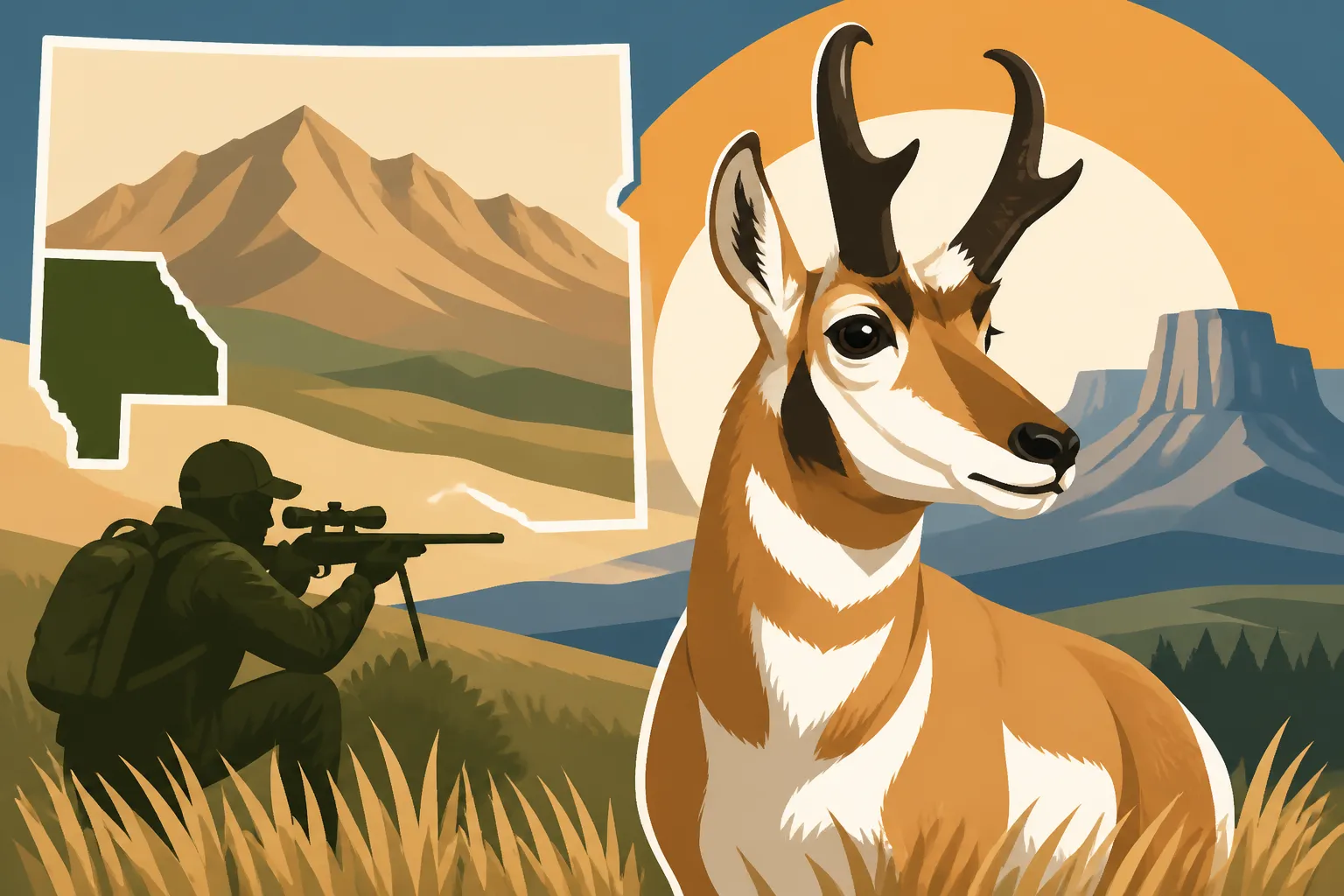
The past few years have been a real rollercoaster for big game populations across Wyoming, and if you’ve been keeping up with the news, you know that tough winters can really hit certain species hard. It’s disheartening to hear about declining numbers, especially when you’re passionate about hunting here. But amidst those struggles, we’ve actually seen some truly encouraging news for pronghorn in parts of the state, particularly in Carbon and Sweetwater counties. This guide dives deep into why these areas are seeing such positive gains and what it means for your hunting opportunities.
The Rollercoaster of Pronghorn Populations in Wyoming
Wyoming is iconic for its vast, open landscapes and the incredible wildlife that calls them home, none more so than the American pronghorn. These speedsters are a defining feature of our sagebrush country, but their populations are anything but static. They ebb and flow with environmental conditions, and understanding these shifts is key to appreciating the current good news in places like Carbon and Sweetwater.
Understanding the Impact of Recent Winters
The winter of 2022-23 was particularly brutal across much of Wyoming. Heavy snowfalls, prolonged cold snaps, and icy conditions made foraging incredibly difficult for many big game species, leading to significant mortality in some deer and even elk herds. Pronghorn, while generally resilient, are not immune to these challenges. They rely on their speed to escape predators and often seek out windswept ridges where snow cover is thinner, allowing them to access forage. When persistent, deep snow blankets everything, it can lead to starvation and increase vulnerability to predators. Many hunters experienced the frustration of seeing fewer animals and understanding the biological toll.
However, nature has a way of balancing things out, and thankfully, we've had a string of mild winters since that devastating one in many areas, offering a crucial respite. These less severe conditions mean easier access to forage, reduced energy expenditure for warmth, and significantly lower overwinter mortality rates for pronghorn fawns and adults alike. It’s these milder conditions that have really provided the foundation for recovery in key areas, allowing herds to rebound and even thrive. The resiliency of the pronghorn, coupled with a bit of a break from Mother Nature, has allowed for some impressive increases in numbers, especially in the southern half of the state. If you’re interested in a broader picture of these trends, you might want to look into how Three Mild Winters Have Wyoming Pronghorn Climbing Again.
The Critical Role of Habitat and Migration Corridors
Wyoming's vast sagebrush steppe is the quintessential home for pronghorn, providing essential forage year-round. These unique ecosystems, characterized by various sagebrush species, grasses, and forbs, offer both food and cover. Pronghorn are highly adapted to this environment, grazing on plant species that many other animals ignore, allowing them to carve out a distinct niche. The quality and intactness of this habitat are paramount to their survival and reproductive success. Without healthy sagebrush, you simply don't have healthy pronghorn.
Beyond just the quality of the habitat, the ability for pronghorn to move freely across the landscape is absolutely critical. They are renowned for their long-distance migrations, often covering hundreds of miles between their summer and winter ranges. These migration corridors are ancient pathways, passed down through generations, allowing them to escape harsh conditions and access the best forage at different times of the year. Development—whether it's energy infrastructure, fencing, or increasing human encroachment—can fragment these vital corridors, creating bottlenecks or completely blocking movement. When pronghorn can't reach their traditional wintering grounds or access crucial resources, it can lead to increased stress, mortality, and overall population decline. That’s why efforts to identify and protect these routes are so important for the long-term health of our herds.
A Closer Look at Carbon County's Pronghorn Recovery
Carbon County, stretching across southern Wyoming, is a landscape of expansive sagebrush flats, rolling hills, and occasional breaks of mountain ranges. It’s traditionally been strong pronghorn country, but even here, the populations have seen their ups and downs. Lately, however, Carbon County has shown some really promising upticks in pronghorn numbers, making it an exciting area for hunters to watch.
Factors Contributing to Carbon County's Gains
Several factors likely contribute to the positive trend in Carbon County's pronghorn populations. One significant element is the sheer vastness of the unbroken sagebrush habitat available. Unlike some areas with more fragmented landscapes, large tracts of Carbon County offer relatively undisturbed territory where pronghorn can move, feed, and breed without constant human pressure. This expansive, high-quality forage base provides the nutritional foundation for healthy does to fawns, boosting recruitment rates. Additionally, some localized conservation efforts, often involving landowners working with the Wyoming Game and Fish Department, have focused on improving habitat or modifying fences to be more wildlife-friendly, reducing barriers to movement and increasing access to resources. When you combine these factors with a few consecutive milder winters, the pronghorn have simply had the conditions they need to thrive.
The management philosophy within certain hunt areas of Carbon County may also play a role. By carefully setting quotas and seasons, the Game and Fish Department aims to maintain healthy age structures and buck-to-doe ratios, which are vital for sustained population growth. For hunters using tools like GoHunt, understanding these specific unit-by-unit management strategies is key to predicting where good numbers might exist. This data, when analyzed carefully, helps paint a picture of where populations are truly growing. For a broad understanding, it’s always helpful to consult The Wyoming Pronghorn Population Estimate Explained to see how statewide trends might align with local gains.
What Hunters Can Expect in Carbon County
For hunters looking at Carbon County, these population gains translate into increased opportunities, both in terms of tag availability and the potential for a successful hunt. We're talking about more eyes scanning the horizon for those tell-tale white patches against the sage. While specific hunt area data can fluctuate year to year, areas within Carbon County that encompass large stretches of continuous sagebrush are often good bets. For example, units around the vast reaches of the Red Desert to the north of Rawlins, or the expansive plains south towards the Colorado border, have historically held strong numbers and could be showing further improvements.
When you’re preparing for a hunt in Carbon County, expect wide-open spaces and potentially long-distance glassing opportunities. This is not a place for stalking through heavy timber; it’s all about spotting your animal from afar and planning a careful approach. Hunters should be prepared for varying terrain, from flat, featureless plains to rolling hills and drainages that can offer valuable cover. Given the openness, pressure can quickly spread pronghorn out, so early season or midweek hunts often yield better results for undisturbed animals. Using detailed mapping tools like onX Hunt can be invaluable here, helping you identify public land access points and potential cover for those crucial stalks. Getting a handle on Which Antelope Units Hold the Highest Density will be critical to your planning.
Sweetwater County's Pronghorn Success Story
Just to the west of Carbon County lies Sweetwater County, the largest county by land area in Wyoming. This vast expanse of desert and high plains is another stronghold for pronghorn, and like its neighbor to the east, it's also experiencing some remarkable increases in its pronghorn populations. Sweetwater's unique landscape and management approaches offer distinct advantages for these animals.
Why Sweetwater County Pronghorn Numbers Are Climbing
Sweetwater County's extensive, unbroken sagebrush and desert ecosystems are prime pronghorn habitat. The sheer scale of public land here—much of it managed by the Bureau of Land Management (BLM)—provides immense areas where pronghorn can roam with minimal fragmentation. A significant contributing factor to the rising numbers in Sweetwater is the impact of several mild winters coupled with consistent, strategic herd management by the Wyoming Game and Fish Department. In particular, some of the management units within Sweetwater County have been carefully managed to allow for population growth after previous dips, focusing on robust fawn recruitment and good overwinter survival. The result is a noticeable increase in animal density in certain regions. For those curious about the specifics of this increase, diving into Why Sweetwater County Pronghorn Numbers Are Climbing can offer more insights into the regional dynamics.
Another element is the relative remoteness of some areas within Sweetwater. While accessible, the vastness naturally disperses hunting pressure, meaning animals are not constantly being pushed around. This allows for more natural behavior and less stress on the herds. The types of forage available in Sweetwater, including a diverse mix of forbs and browse species, also contribute to excellent nutrition for does, leading to healthier fawns and higher survival rates. The combination of plentiful, quality habitat, careful management, and favorable weather conditions has set the stage for this impressive pronghorn rebound.
Navigating Hunt Opportunities in Sweetwater
Sweetwater County offers a wealth of pronghorn hunting opportunities, from accessible public lands along major highways to truly remote, backcountry experiences. With rising populations, hunters might find slightly better odds in the draw, or even more over-the-counter or leftover tag options in certain units. It's always a good idea to check the Wyoming Game and Fish Department's leftover draw in late June, as some of these tags might appear if quotas allow.
When planning a hunt in Sweetwater, be prepared for even more expansive and often more arid conditions than in Carbon County. Water sources can be few and far between, so planning for hydration is crucial. Areas like the Red Desert to the north and east, or the vast basins south of Interstate 80, are classic pronghorn country. These areas, particularly the ones designated as Trophy Pronghorn Units Worth Applying For, often have specific draw odds that you'll want to investigate. Using a mapping application to scout e-scout is invaluable for identifying subtle terrain features, like washes or low ridges, that can provide concealment for a stalk. Remember, pronghorn have incredible eyesight, so minimizing your profile and using terrain to your advantage is paramount.
Implications for Hunters: Quotas and Draw Odds
When pronghorn populations show significant gains in areas like Carbon and Sweetwater counties, it has direct and exciting implications for hunters. The Wyoming Game and Fish Department (WGFD) works diligently to manage these populations sustainably, and positive trends often lead to increased hunting opportunities.
How Population Gains Influence Quota Allocations
The Wyoming Game and Fish Department uses a sophisticated system of aerial surveys, ground observations, and harvest data to estimate population numbers and trends for each herd unit. When these data indicate healthy and growing populations, especially with good buck-to-doe ratios and fawn recruitment, the WGFD often has the flexibility to propose increased quotas for hunting licenses. This is exactly what we’ve seen in some of the recent proposals for antelope in certain areas. It's a testament to effective management and the resilience of the species.
For hunters, this means there’s a real chance of more licenses being available, which can translate into better draw odds. This is particularly good news for non-residents who often face tougher draws due to the 75/25 split that allocates 75% of tags to residents and 25% to non-residents (with some exceptions). While there's no guarantee, an upward trend in population estimates often leads to an upward trend in available tags. Keeping an eye on Where Wyoming Proposed Higher Antelope Quotas is essential for anyone planning their application strategy for the upcoming season. These adjustments are always made with the long-term health of the herd in mind, ensuring that hunting remains a sustainable management tool.
Maximizing Your Chances: Strategy for Applications
Given these positive population trends, now is a fantastic time to refine your application strategy for Wyoming pronghorn. If tag numbers are increasing, even marginally, it can significantly impact your odds, especially for those with fewer preference points. Wyoming uses a preference point system for its draw, meaning the more points you have, the better your chances in the primary draw for many coveted units. However, there are still plenty of opportunities for those with zero or few points, particularly in general units or areas with higher quotas.
For those just starting out, or looking for a more accessible hunt, don’t dismiss areas that might historically have required fewer points. With an increase in overall tag numbers, some units might become more attainable even for applicants with zero preference points. It's always worth researching Wyoming Antelope Odds With Zero Preference Points to find those hidden gems. Resources like GoHunt's Insider service offer invaluable draw odds data and unit analyses, helping you make informed decisions about where to apply. They can break down which areas have seen quota increases and where your preference points might go furthest. Remember, applying for a quality hunt, even if it seems like a long shot, is part of the game. For specific season dates, you'll want to keep an eye on when Wyoming Antelope Archery Opens Before Rifle, as archery tags are sometimes easier to draw.
Practical Strategies for Hunting Wyoming Pronghorn
Hunting pronghorn in Wyoming is a unique and exhilarating experience. The vast, open landscapes demand specific tactics that differ significantly from hunting other big game species. To maximize your success in Carbon and Sweetwater counties, where populations are looking strong, you’ll need to master the art of glassing and the stealth of the open-country stalk.
Effective Scouting and Glassing Techniques
Successful pronghorn hunting begins long before you even step foot in the field, with thorough scouting. In today's digital age, e-scouting is a powerful tool. Using satellite imagery, topographical maps, and public land overlays on platforms like onX Hunt, you can identify potential bedding areas, feeding grounds, water sources, and most importantly, terrain features that could offer cover for a stalk. Look for subtle rises, drainages, and cut banks that might not seem significant on the ground but are crucial for staying out of sight of a pronghorn's keen eyes.
Once you’re in the field, your optics are your most important tool. High-quality binoculars (10x to 15x are popular) and a spotting scope (20-60x or higher) are essential for picking apart the vast landscape. The technique of Grid Glassing a Basin Without Missing Bucks is particularly effective for pronghorn. Instead of randomly scanning, systematically break down a hillside or basin into small sections and meticulously examine each one. Set up on a high point with a good vantage, get comfortable, and spend hours behind your glass. It takes patience, but it’s the most effective way to locate animals in the expansive terrain of Carbon and Sweetwater counties. Remember, pronghorn often blend in surprisingly well with the sagebrush, so look for subtle movements, flicking ears, or the distinct white patch of their rump. For more on this, check out Optics Power for Wyoming's Long Sightlines.
The Art of the Pronghorn Stalk
Once you've spotted a buck worth pursuing, the real challenge begins: the stalk. This is where pronghorn hunting truly tests a hunter's patience and skill. Their legendary eyesight makes getting close incredibly difficult in the open country they inhabit. The first rule of a pronghorn stalk is to use the terrain to your advantage. Identify every dip, rise, and patch of brush that can provide concealment between you and the animal. Sometimes, a successful stalk might involve a long, circuitous route, crawling on hands and knees for hundreds of yards, or even army-crawling for the final approach. Reading an Antelope Hunt Unit Map beforehand can highlight these subtle terrain features that might save your stalk.
Wind direction is another critical factor. While pronghorn don't rely on scent as heavily as deer or elk, they can still pick up human odor, especially if you're downwind. Always try to approach with the wind in your face or across your body to minimize your scent profile. Playing Wind Direction on an Open Sagebrush Stalk is paramount. In particularly flat country, a decoy can be an incredibly effective tool, especially during the rut when bucks are territorial. A well-placed decoy can draw a curious or aggressive buck into shooting range, allowing a hunting partner to set up for a shot. Learning about Decoy Setups That Pull Pronghorn Bucks can significantly increase your odds. Remember, your goal is to get within your effective shooting range without being detected, which for most hunters is 200-300 yards with a rifle, or much closer with archery equipment.
Carbon vs. Sweetwater: Pronghorn Hunting Comparison
To help you visualize the differences and similarities, here's a quick comparison of pronghorn hunting in Carbon and Sweetwater counties:
| Feature | Carbon County, Wyoming | Sweetwater County, Wyoming |
|---|---|---|
| Typical Terrain | Rolling sagebrush flats, some higher elevations, diverse | Vast, open desert plains, more arid, large BLM tracts |
| Pronghorn Population | Strong and showing recent gains | Strongest populations, significant recent growth |
| Access | Excellent public land, mix of BLM/State/Private | Abundant public land (mostly BLM), very remote areas |
| Hunting Pressure | Moderate, can be localized | Dispersed due to vastness, but popular areas see pressure |
| E-Scouting Focus | Identifying subtle terrain breaks, water sources | Long-distance planning, remote access points, water |
| Optics Importance | Critical for spotting and judging | Absolutely paramount for expansive views |
| Stalking Challenge | High, requires terrain use and patience | Very High, often involves long crawls, limited cover |
| Water Availability | More frequent than Sweetwater, still plan accordingly | Very limited, critical to plan for hydration |
| Proximity to Cities | Rawlins, Sinclair (provides amenities) | Rock Springs, Green River (provides amenities) |
| Draw Odds Potential | Improving with population gains | Generally good, improving for certain units |
Disclaimer
Please remember that hunting regulations, seasons, and population dynamics are subject to change. Always consult the most current Wyoming Game and Fish Department regulations before planning any hunt. This guide is for informational purposes only and should not replace official sources.