How to Get a Wyoming Sandhill Crane Permit
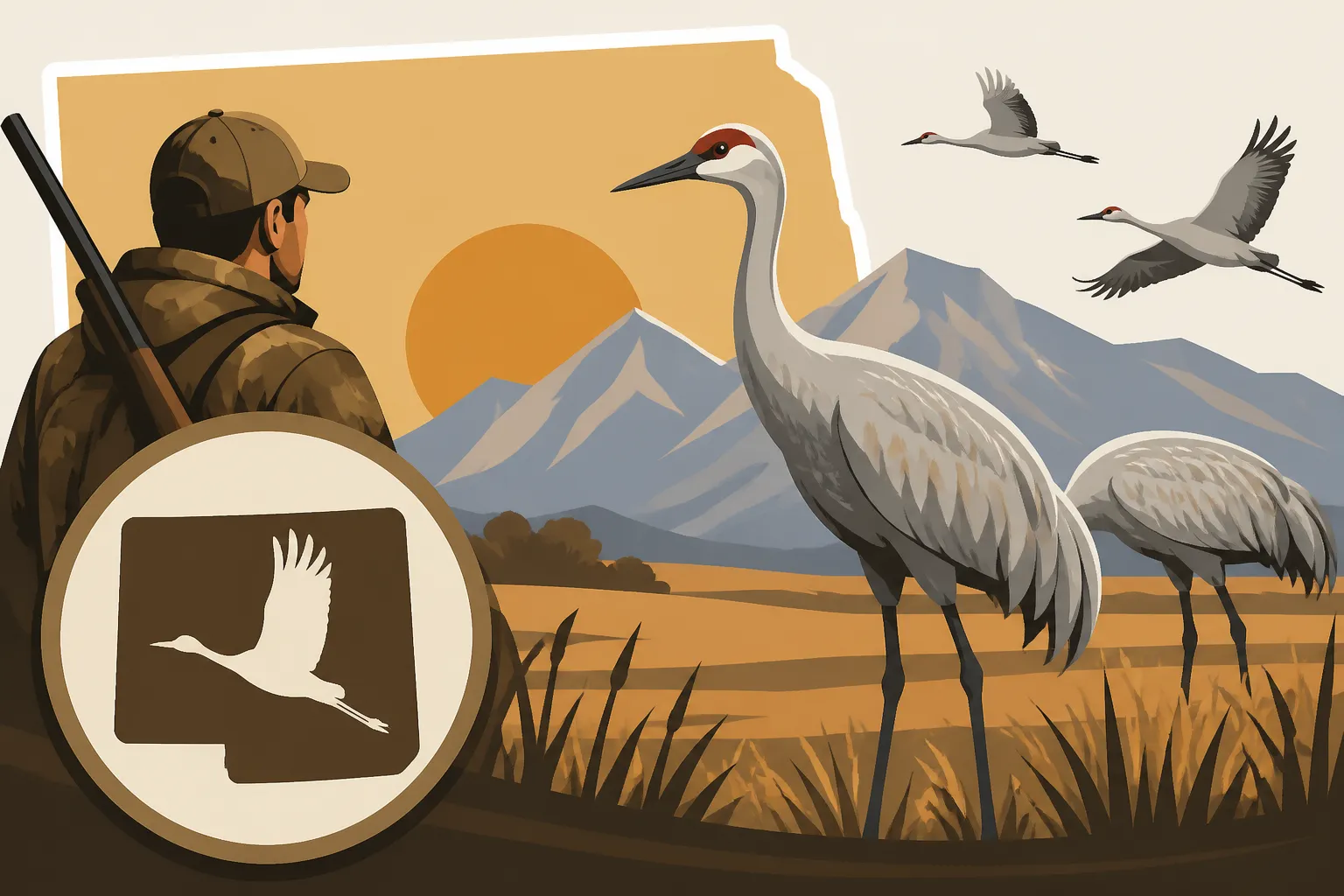
Hunting sandhill cranes in Wyoming offers a unique and exciting challenge, but getting your hands on one of those coveted permits can feel like navigating a maze. Unlike general hunting licenses, sandhill crane permits are limited, specific, and often subject to a draw, which means you need to understand the application process inside and out to even have a chance. This guide will walk you through everything you need to know about securing a Wyoming sandhill crane permit, from understanding the specific seasons and areas to the application steps and what to expect after you apply, ensuring you're fully prepared for this specialized hunt.
Understanding Wyoming's Sandhill Crane Season and Permits
Wyoming's approach to sandhill crane hunting is very specific, rooted in conservation efforts and the migratory nature of these magnificent birds. It's not as simple as picking up an over-the-counter tag like for some small game. There's a reason for this, and understanding it will help you appreciate the process.
Why Sandhill Crane Permits are So Specific
Sandhill cranes are classified as migratory game birds under federal law, meaning their management involves both state and federal agencies. This dual oversight leads to very precise regulations, often including limited quotas to ensure sustainable populations. Unlike big game, which might have statewide general seasons in some areas, sandhill crane hunts are typically confined to specific hunt areas for designated, shorter seasons. These limitations are critical for biologists to monitor population trends and ensure that hunting doesn't negatively impact the overall health of the species. It's a careful balancing act between providing hunting opportunities and maintaining a healthy, migratory population that spans continents. This is why you won't find an unlimited number of permits; each one is carefully allocated.
When you think about the vast distances these birds travel, sometimes thousands of miles from their breeding grounds to their wintering sites, it becomes clear why a coordinated, specific management plan is essential. Wyoming, as a crucial stopover and breeding ground for various crane populations, plays a vital role in this broader conservation picture. The specific permit process ensures that harvest numbers remain within sustainable limits, often aligned with federal guidelines set by the U.S. Fish and Wildlife Service, which oversees migratory bird populations.
Key Dates and Deadlines for Application
Applying for a sandhill crane permit in Wyoming is not an impulse decision; it requires careful planning around specific deadlines. While I can't provide current year-stamped dates, the general window for application typically falls in the summer months, often leading up to a late summer or early fall season. These deadlines are rigid, and missing them means you'll have to wait until the next year. It's crucial to check the Wyoming Game and Fish Department's official website well in advance of the season you wish to hunt. They will publish the exact dates for application periods, draw results, and season dates for each hunt area.
It's a good practice to set reminders on your calendar as soon as the previous year's regulations are released or, even better, subscribe to notifications from the Game and Fish Department. Many hunters, especially those who rely on resources like GoHunt for their research, start planning their applications months ahead. The application process itself is usually conducted online through the Game and Fish Department's licensing system. Be prepared to pay an application fee, which contributes to the administrative costs of running the draw and managing the species. Just like other draws, this fee is typically non-refundable, regardless of whether you are successful in drawing a permit.
Hunt Areas and Quotas
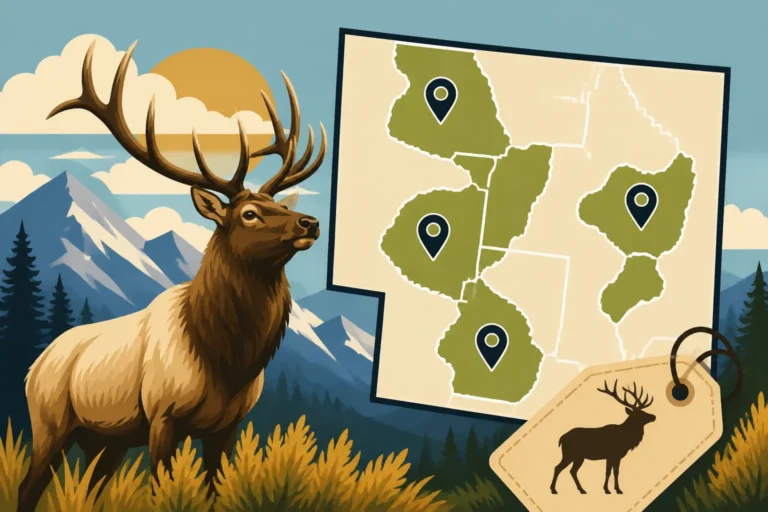
Wyoming doesn't offer a blanket statewide sandhill crane season. Instead, hunting is permitted in specific hunt areas, each with its own designated quota of birds and a set number of available permits. These areas are typically chosen based on crane migration patterns, local populations, and accessibility for hunters. You might find areas designated for specific crane zones, such as the "Pacific Flyway" or "Central Flyway" zones, reflecting the migratory corridors these birds use.
It’s important to familiarize yourself with these specific hunt areas and their associated quotas. The Game and Fish Department's annual regulations booklet will detail which areas are open, how many permits are available for each, and the specific season dates for those areas. Some areas might have very limited permits, making them highly competitive, while others might offer a slightly better chance. For example, some units might focus on agricultural areas where cranes feed heavily, while others might be more remote. Researching these areas, perhaps using tools found on GoHunt, can give you an edge in understanding where your best chances might lie. The number of permits is directly tied to population data and management objectives, ensuring that the harvest remains sustainable for the species.
The Step-by-Step Application Process
Navigating the online application system can feel a bit daunting if you're not used to it, but with a clear understanding of the steps, it's quite manageable. Being prepared with all your information before you start will make the process much smoother.
Setting Up Your Wyoming Game and Fish Account
Before you can even think about applying for a sandhill crane permit, or any other hunting license in Wyoming, you'll need a profile within the Wyoming Game and Fish Department's Electronic Licensing System (ELS). This is your central hub for all things licensing, applications, and preference points (though preference points are not typically a factor for sandhill cranes). If you don't already have an account, you'll need to create one. This usually involves providing personal details such as your full name, date of birth, mailing address, and contact information. You'll also need to declare your residency status.
When creating or updating your profile, ensure all information is accurate and up-to-date. Inaccurate information can lead to issues with your application or even invalidation of a drawn license. For non-residents, you'll want to verify that all your details are consistent with any past applications or licenses. This system is designed to streamline the process, but it relies on accurate data from the applicant. Make sure you also have your hunter education information readily available if you were born after 1965, as Anyone Born After 1965 Needs Wyoming Hunter Education and this will be required.
Navigating the Application Portal for Sandhill Cranes
Once your ELS account is in order, you can access the application portal. Look for the "Apply for Licenses" or similar section. You'll then need to select the "Migratory Birds" category or specifically "Sandhill Crane Permit." The system will guide you through a series of screens where you'll select the season year, the specific hunt area you're applying for (based on your research of quotas and zones), and confirm your eligibility.
It’s important to pay close attention to the specific permit type. Unlike some big game licenses that might have various types (e.g., antlered vs. antlerless), sandhill crane permits are generally straightforward, but you must select the correct species and area. The application will ask for your choices, and sometimes you can list alternate choices if the system allows. Review your selections carefully before moving forward, as mistakes can be costly. Remember to cross-reference the areas with the latest regulations to ensure you're applying for the correct zone and season dates. Resources like the Wyoming Hunt Planner can be invaluable here.
Important Details for Your Application
Beyond your personal information and hunt area choice, there are a few other critical components to your application. First, you will need a valid Wyoming Conservation Stamp. This stamp is generally required for anyone hunting or fishing in Wyoming, with a few exceptions. Think of it as a small investment in the state's wildlife management and habitat programs. You can purchase this stamp directly through the ELS system at the time of your application if you don't already have one.
Second, be prepared for the application fee. As mentioned earlier, this fee is typically non-refundable. You'll need a valid credit or debit card to complete the transaction online. Third, ensure you meet the hunter education requirements. If you were born after January 1, 1965, you must have successfully completed a hunter education course. You'll input your hunter education certificate number during the application process. Finally, always double-check all information before submitting your application. Once submitted, it's very difficult, if not impossible, to make changes. Taking a few extra minutes to review can save you a lot of headache down the road. You can also refer to topics like Wyoming Nonresident Application Fee per Species for a general understanding of associated costs.
After You Apply: What to Expect
Once you've submitted your application, the waiting game begins. This can be the most nerve-wracking part of the process, but knowing what to expect can help manage the anticipation.
Understanding the Draw Results
Wyoming's Game and Fish Department typically has a set schedule for releasing draw results, which they publish in their annual regulations. For sandhill cranes, results often come out a few weeks or months before the season opens, giving successful applicants time to plan their hunt. You'll usually receive an email notification or you can log directly into your ELS account to check your status.
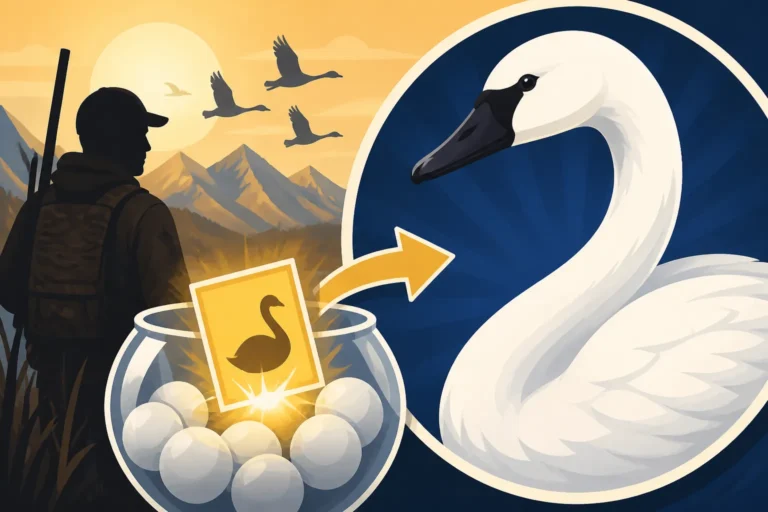
If you are successful in the draw, congratulations! Your permit will be viewable and printable from your online account. If you are unsuccessful, don't despair. The draw is often a lottery system for migratory birds, and limited quotas mean many applicants don't draw every year. Use this as a learning experience. Many hunters rely on draw odds data, sometimes available through third-party services like GoHunt, to strategize future applications. This data can help you understand the competitiveness of certain hunt areas and inform your choices next time around.
What to Do If You Draw a Permit
Drawing a sandhill crane permit is an exciting moment, but your responsibilities don't end there. First, you'll need to print your permit and ensure you carry it with you at all times while hunting. Wyoming has specific tagging requirements, and while migratory bird tags might differ slightly from big game tags, the principle is the same: once you harvest a bird, you must immediately attach the tag in the manner prescribed by the regulations. Wyoming Carcass Coupon and Tagging Rules provides a good general overview of the tagging mindset, even if the specifics vary for cranes.
Beyond the physical tag, you'll also need to carry proof of your hunter education if applicable, and your conservation stamp. Game wardens in the field can and do check these documents. It’s also crucial to understand and adhere to federal HIP (Harvest Information Program) requirements, which involve registering annually for migratory bird hunting to help track harvest data. Make sure you read through the entire migratory bird section of the Wyoming Game and Fish regulations booklet, as it contains critical information on legal shooting hours, bag limits, possession limits, and any specific reporting requirements for sandhill cranes. For example, Wyoming Legal Shooting Hours for Big Game gives a general idea of how specific these timeframes can be, and similar rules apply to birds.
Strategies for Future Applications If Unsuccessful
If the draw doesn't go your way, it's not the end of the world. Unlike big game draws where preference points play a huge role, sandhill crane permits generally operate more like a pure lottery. This means everyone essentially starts fresh each year. Your best strategy is persistence and smart research. Review the draw odds from the previous season (often available on the Game and Fish website or through scouting platforms) to see which areas might be less competitive.
Consider applying with a group of friends if permissible by regulations; sometimes applying as a party can slightly alter your odds, depending on the species and system rules. Continue to monitor Wyoming Game and Fish Department updates for any changes to hunt areas or quotas that might influence your choices. Don't be afraid to try different areas or application strategies year after year. Every application is a chance, and with enough persistence, your number will eventually come up. It's all about playing the odds and staying informed, a philosophy often championed by services like GoHunt for their members.
Preparing for Your Wyoming Sandhill Crane Hunt
Once you have that permit in hand, the real fun begins: preparing for the hunt itself. Sandhill crane hunting is a unique experience that combines elements of waterfowl and upland bird hunting, often taking place in vast, open agricultural fields or along river bottoms.
Essential Gear and Scouting Tips
Successful sandhill crane hunting often hinges on effective setup and camouflage. Decoys are paramount, as cranes are incredibly wary. You'll want to invest in realistic full-body decoys, often larger than typical goose decoys, to draw birds in. A good blind is also critical, whether it's a layout blind in a field or natural cover along a waterway. Given the open terrain, Optics Power for Wyoming's Long Sightlines can be very helpful for spotting birds at a distance. Don't forget a quality shotgun, appropriate non-toxic shot (often steel or bismuth, as lead shot is generally prohibited for migratory birds), and plenty of shells.
Scouting is just as important as your gear. Before the season, spend time observing crane patterns. Where do they feed? Where do they roost? What flight paths do they use between these locations? E-Scouting a Unit Before the Season Opens can help you pinpoint potential feeding grounds or water sources. Look for areas with waste grain or easily accessible water. When you're in the field, pay attention to Reading Wind on an Open-Country Stalk, as wind direction will greatly influence how birds approach your decoy spread and how they hear your calls. Cranes have incredible eyesight, so concealment and realistic decoy spreads are non-negotiable.
General Hunting Regulations and Ethics
Beyond your permit, you must adhere to all state and federal migratory bird regulations. This includes legal shooting hours, which are typically from one-half hour before sunrise to sunset. Exceeding bag or possession limits is a serious offense, so know them well. Retrieval of downed birds is also a critical ethical and legal responsibility; never leave a harvested bird in the field. This also ties into The Meat Salvage Requirements for Big Game, emphasizing that wasting game is unacceptable.
When hunting near private land, always be acutely aware of property boundaries. Even if you have a permit for a public land unit, birds might fly over or land on private ground. Respecting private property is paramount, and obtaining permission if a bird lands on private land is often necessary for retrieval. Retrieving Game From Private Land in Wyoming outlines this critical aspect. Ethical hunting also means making clean, quick kills and being considerate of other hunters in the area. Electronic calls are generally not legal for migratory game birds, so stick to traditional mouth calls, but always check the current regulations carefully regarding Electronic Calls and What Wyoming Allows as rules can vary by species.
Learning More About Sandhill Cranes
To truly enhance your hunting experience, take the time to learn about sandhill cranes themselves. Understanding their behavior, migration patterns, and habitat preferences will make you a more effective and appreciative hunter. There are several distinct populations of sandhill cranes, and Wyoming hosts birds from both the Pacific and Central Flyways, depending on the region. Knowledge about their vocalizations can help you identify them from afar and mimic their calls more effectively.
Their diet primarily consists of grains, insects, and small invertebrates, which is why agricultural fields are often prime hunting locations. Learning to distinguish their calls from other birds, understanding their flocking behavior, and knowing how they interact with their environment will provide a richer hunting experience. Reading up on the species through scientific publications, conservation group websites, or even platforms like GoHunt which often feature species-specific information, can deepen your appreciation for these ancient birds. Their incredible migrations and complex social structures are truly fascinating, adding another layer to the challenge and reward of pursuing them in Wyoming.
Disclaimer
This article is for general informational purposes only and does not constitute professional advice. Laws, prices and regulations vary by location and change over time. Consult a qualified professional for guidance on your specific situation.