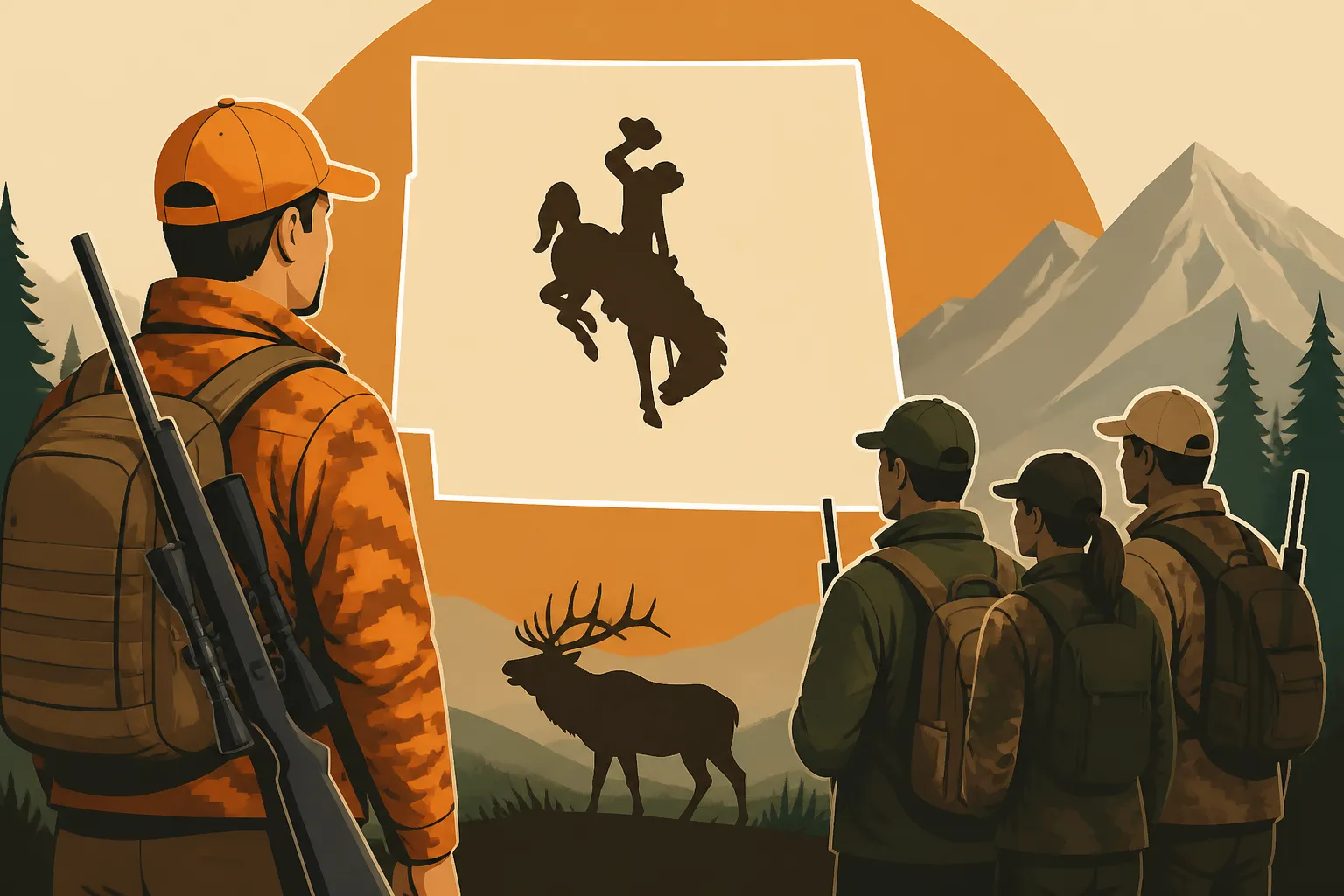
How Many Nonresidents One Resident Guide May Take
Navigating Wyoming's hunting regulations can feel like trying to track a mature bull elk through fresh powder – confusing and easy to lose the trail, especially when you're a nonresident trying to understand the guide rules. One of the most frequently asked questions revolves around the number of nonresidents a single resident friend or family member can legally guide in the vast wilderness areas. This guide will meticulously break down those rules, offering clarity and practical advice for planning your next Wyoming adventure.
Understanding Wyoming's Resident Guide Rules for Nonresidents
Wyoming is famous for its incredible public land hunting opportunities, but it also has specific regulations designed to manage access and preserve the quality of the hunting experience, particularly in its breathtaking wilderness areas. These rules are crucial for nonresidents to understand before they even think about packing their bags.
The Core of the Wyoming Guide Law for Nonresidents
The heart of Wyoming's nonresident guide law stems from a desire to ensure responsible hunting practices and, in some interpretations, to safeguard opportunities and local knowledge within the state. Primarily, this regulation applies when a nonresident hunter ventures into a designated wilderness area to hunt big game, which includes species like elk, deer, bighorn sheep, and moose. The idea is that these remote, often challenging landscapes require a certain level of experience and local understanding for both safety and ethical hunting. It's not just about knowing where the animals are; it's about navigating treacherous terrain, understanding weather patterns that can change in an instant, and being prepared for emergencies far from any road. These wilderness areas are wild in the truest sense of the word, and the state wants to make sure hunters entering them are adequately supported. This is where the resident guide comes in. You can learn more about Wyoming's Wilderness Guide Law for Nonresidents to get a full picture.
The "Resident Guide" in Wyoming: What It Really Means
When we talk about a "resident guide" in Wyoming, it's really important to distinguish this from a licensed, professional outfitter. A resident guide, in the context of this specific regulation, is typically a Wyoming resident friend or family member who accompanies a nonresident into a designated wilderness area. This individual isn't charging for their services; they're simply there to comply with the state's requirement for nonresident hunters in these specific zones. They're not a professional business, nor are they expected to possess the same commercial licenses or insurance that a full-time outfitter would.
To be a legal resident guide, the individual must be at least 18 years old, be a Wyoming resident, and file a "Resident Guide Affidavit" with the Wyoming Game and Fish Department before the hunt. This affidavit is a formal document stating they will accompany the nonresident hunter(s) into the wilderness area. It’s a declaration that they understand their role and the limitations of it. Critically, these resident guides cannot accept any payment or valuable consideration for their services. This "no payment" rule is a fundamental aspect of the resident guide law and clearly differentiates them from commercial outfitters. It prevents casual guiding from becoming an unregulated business, ensuring that professional guiding services operate under proper licensure and oversight. For a deeper dive, read up on The Affidavit a Wyoming Resident Guide Must File and whether Can a Resident Guide Accept Payment?.
The Exact Ratio: One Resident Guide, How Many Nonresidents?
This is where many hunters get tangled up. It's a straightforward rule, but one that demands strict adherence to avoid legal trouble in the field.
The Hard Limit: One-to-Two Ratio
Wyoming law is quite clear: one resident guide may accompany no more than two nonresident hunters into a designated wilderness area for big game hunting. It's a hard limit, a strict "one-to-two" ratio. This means if you're a nonresident planning a hunt with two friends, you'd need one resident guide to accompany your group. If your group expands to three nonresident hunters, you would then need two resident guides to legally enter a wilderness area. One resident guide cannot legally take three nonresidents.
Let's look at a few common scenarios:
- Scenario 1: Two Nonresident Friends: You and a buddy, both nonresidents, want to hunt elk in the Washakie Wilderness. You'd need one resident friend to accompany you. This resident friend would file the affidavit, and the three of you could legally hunt together.
- Scenario 2: Three Nonresident Cousins: You, your two cousins (all nonresidents) dream of a bighorn sheep hunt in the Fitzpatrick Wilderness. For this group of three nonresidents, you'd need two separate resident guides, each filing their own affidavit, to ensure compliance with the one-to-two ratio. One resident would guide two of you, and the second resident would guide the third. This often leads to logistical challenges, as you might imagine.
- Scenario 3: One Nonresident Hunter: If you're hunting solo as a nonresident in a wilderness area, you still need one resident guide with you. The ratio means "up to two," so one is certainly permitted.
This specific number isn't arbitrary. It's designed to ensure that the resident guide can effectively supervise and assist the nonresident hunters, especially in the challenging and remote environment of a wilderness area. It balances the access opportunity for nonresidents with the state's regulatory objectives for safety and management. If you're wondering When Wyoming Requires a Guide or How Many Nonresidents One Resident Guide May Take, this specific ratio is key.
Practical Implications for Group Hunting
This one-to-two ratio has significant practical implications, especially for larger groups of nonresident hunters. If you and a big group of friends from out of state want to experience a Wyoming wilderness hunt together, you'll quickly realize that lining up enough resident guides who are willing and able to dedicate their time (for free, remember!) can be a huge hurdle.
Imagine a group of six nonresident friends hoping to hunt in the Bridger-Teton National Forest's wilderness. They would require three separate resident guides, each committed to the hunt, and each filing their individual affidavits. Coordinating schedules, ensuring everyone meets the resident criteria, and being clear about the "no payment" rule can become a logistical nightmare. It's not impossible, but it demands a deep pool of generous resident friends.
This often leads groups to consider alternatives. For many, a licensed outfitter becomes the most practical and sometimes the only feasible option. Outfitters are professionals who already meet all the legal requirements, including possessing the necessary permits to operate in wilderness areas and employing licensed professional guides. They handle the logistics, the ratios, and all the bureaucratic red tape, allowing hunters to focus on the experience itself.
Exceptions and Nuances to the Guide Rule
While the one-to-two rule for resident guides in wilderness areas is strict, it's crucial to understand its specific scope. Not every hunt in Wyoming requires a guide, and not every situation with a nonresident triggers this particular regulation.
When a Guide Isn't Needed: The Loophole for Non-Wilderness Areas
One of the biggest misunderstandings surrounds where this guide requirement actually applies. It's vital to remember that the Wyoming resident guide rule for nonresidents only comes into play when you are hunting big game within a designated wilderness area.
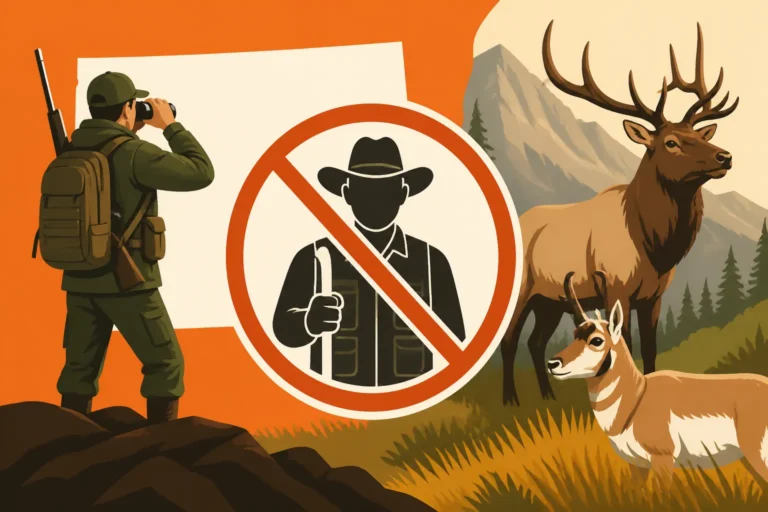
Wyoming boasts vast amounts of public land managed by the Bureau of Land Management (BLM) and the U.S. Forest Service (USFS) that are not designated wilderness. These areas offer incredible hunting opportunities, and in these non-wilderness zones, nonresidents are absolutely free to hunt independently without any guide requirement whatsoever. You can pursue elk, deer, antelope, and other species on your own or with other nonresident friends, as long as you have the appropriate licenses and adhere to all other state and federal regulations.
This distinction is massive for planning a hunt. If you're a nonresident looking to go on a DIY hunt in Wyoming, focusing your efforts on units or hunt areas that are outside of designated wilderness is perfectly legal and common. Many nonresidents successfully harvest big game each year on these general public lands, relying on their own skills, scouting, and equipment. This also highlights the importance of truly understanding your chosen Wyoming Hunt Areas That Limit Your Weapon Choice and whether Which Wyoming Wilderness Areas Trigger the Rule for guide rules.
The "Family Member" Consideration
Another common area of confusion is whether being a "family member" exempts someone from the guide rule. While Wyoming does have some provisions that make it easier for family members to mentor youth hunters or to assist with certain aspects of hunting, it's critical to understand that the one-to-two nonresident to resident guide ratio still applies in designated wilderness areas, even if your resident guide is a close family member.
The law does not make an exception for blood relatives or spouses when it comes to the wilderness guide requirement. Your resident brother, father, or uncle would still need to file the affidavit and adhere to the one-to-two nonresident hunter limit, and they still couldn't accept payment. The spirit of the law focuses on the location (wilderness) and the residency status of the guide, not the relationship between the guide and the nonresident hunter.
It's easy to get these different regulations mixed up, especially when other states might have varying rules. Always refer to the specific wording of the Wyoming Game and Fish Department regulations for the most accurate information on Exceptions to Wyoming's Guide Requirement.
Navigating the Regulations: Resources and Best Practices
Understanding these rules is one thing; putting them into practice for a successful hunt is another. It requires careful planning and knowing where to turn for reliable information.
Always Consult the Official Regulations
The single most important piece of advice for any hunter in Wyoming, especially nonresidents, is to always, always, always consult the official Wyoming Game and Fish Department (WGFD) regulations. These are the definitive source for all hunting laws, season dates, hunt area boundaries, and, of course, guide requirements. Laws and regulations can change, even subtly, from year to year. Relying on outdated information or hearsay from a forum can lead to serious legal consequences, not to mention a ruined hunt.
The WGFD website is an invaluable resource. They publish detailed hunting regulations booklets for each species, which are typically available online well in advance of the application periods. These booklets will clearly outline which hunt areas are considered designated wilderness and thus trigger the guide requirement. They also provide the forms for the Resident Guide Affidavit. Don't be afraid to call the WGFD regional offices directly if you have specific questions that aren't clearly answered in the regulations. Their staff are there to help ensure hunters are compliant.
When a Licensed Outfitter is the Better Option
For many nonresident hunters, particularly those without resident friends who can commit to guiding, or those who simply prefer a more structured and supported hunt, hiring a licensed outfitter is often the best and most straightforward option. Professional outfitters are fully permitted, insured, and deeply knowledgeable about the areas they operate in, including designated wilderness. They are equipped to handle all the logistics, from securing the necessary permits and providing professional guides (who are allowed to be paid!) to arranging camp, food, and animal retrieval.
Choosing a reputable outfitter can be a significant investment, but it provides peace of mind and significantly increases the chances of a successful and safe hunt, especially in challenging wilderness environments. When looking for an outfitter, it's wise to do your homework. Platforms like BookYourHunt and GoHunt can be excellent resources for researching outfitters, reading reviews, and comparing packages. They often provide detailed profiles, photos, and contact information to help you vet potential outfitters. Remember to inquire about their experience in the specific wilderness area you're interested in, their success rates, and what exactly is included in their prices. Asking thorough Questions Worth Asking Before You Book is critical.
Outfitters employ professional guides who are licensed by the state and are legally able to accompany and be paid for guiding nonresident hunters. This removes the logistical burden of finding and relying on an unpaid resident friend to fulfill the guide requirement. If you're contemplating a full-service experience, understanding What a Wyoming Drop Camp Hunt Costs or Vetting a Wyoming Outfitter Before You Send a Deposit will be crucial steps in your planning. Ultimately, whether you pursue a self-guided hunt outside of wilderness, find a resident guide for a wilderness adventure, or enlist the services of a professional outfitter, thorough preparation and strict adherence to Wyoming's hunting regulations are paramount for a rewarding experience. For those considering Hunting Solo Against Hiring a Guide, weigh the pros and cons carefully, especially when considering wilderness areas.
| Feature | Resident Guide (Non-Commercial) | Licensed Outfitter (Commercial) |
|---|---|---|
| Eligibility | Wyoming Resident, 18+ | Licensed by WY Board of Outfitters, Insured, Permitted |
| Payment | Cannot accept payment or valuable consideration | Receives payment for services |
| Guide Ratio | 1 resident guide per max 2 nonresident hunters | Varies by outfitter/hunt type; employs licensed guides |
| Wilderness Areas | Required for nonresidents hunting big game in wilderness | Operates legally in wilderness with proper permits |
| Logistics | Requires personal coordination with friends/family | Provides comprehensive trip planning, camp, food, etc. |
| Affidavit/Permits | Files Resident Guide Affidavit with WGFD | Holds commercial permits for public lands, including wilderness |
| Responsibility | Ethical and safety oversight of accompanying nonresidents | Full professional responsibility for client safety & experience |
Disclaimer
This article is for general informational purposes only and does not constitute professional advice. Laws, prices and regulations vary by location and change over time. Consult a qualified professional for guidance on your specific situation.