Hunting Solo Against Hiring a Guide
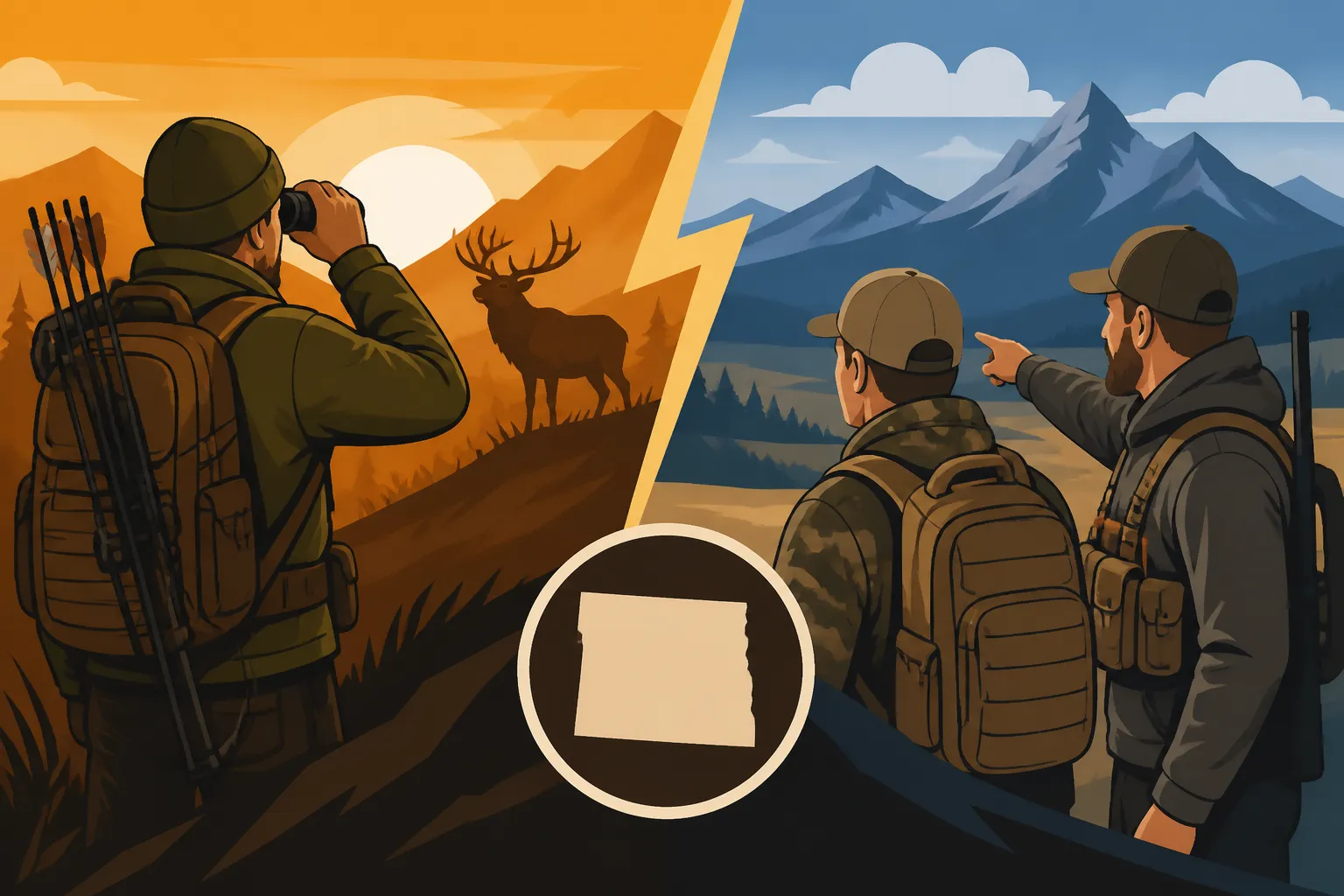
It's a classic internal debate for any hunter dreaming of a Wyoming adventure: do you embrace the rugged independence of a solo, do-it-yourself hunt, or do you invest in the experience and expertise that a seasoned guide brings to the table? Both paths offer incredible opportunities, but they come with very different demands and rewards, and understanding these distinctions is key to planning a hunt that truly fits your goals, skills, and budget in the vast landscapes of Wyoming. This guide will dive deep into the considerations for both solo and guided hunts, helping you weigh your options realistically.
The Allure of the Solo Hunter: Exploring the DIY Dream
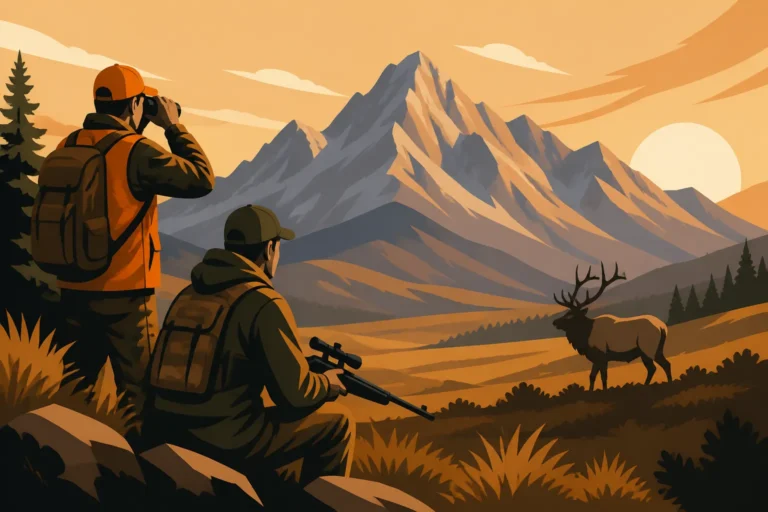
There’s an undeniable romanticism to the idea of packing your truck, throwing a tent in the back, and heading off into the Wyoming wilderness entirely on your own terms. For many, the challenge of a do-it-yourself (DIY) hunt represents the purest form of hunting, a true test of skill, endurance, and self-reliance. It’s an opportunity to completely immerse yourself in the landscape and the process without external pressures.
The Freedom and Challenge of DIY
Choosing a solo hunt means you’re the master of your own destiny. You pick the dates, the unit, the strategy, and every detail in between. This autonomy is incredibly appealing. You can wake up when you want, stay out as late as you need, and pursue game with whatever method you feel most confident in. There’s no schedule to adhere to other than your own, and no expectations from a guide to meet. It’s just you, the mountains, and the animals.
However, this freedom comes wrapped in immense challenges. Every logistical detail, every navigation decision, every field dressing chore, and every recovery effort falls squarely on your shoulders. If you’re hunting elk in the remote country of the Bridger-Teton National Forest, for example, and you’re fortunate enough to connect, you’re looking at a multi-day effort to get that meat out, potentially miles from the nearest road. There’s no one to share the burden, no one to bounce ideas off of when the going gets tough, and no one to pull you out of a sticky situation if something goes wrong. This is the ultimate test of preparedness and resilience.
Cost Savings and Resourcefulness
One of the biggest drivers for many hunters considering a solo DIY hunt is the cost savings. When you don't hire a guide, you're essentially eliminating one of the largest expenses of a hunting trip. Instead of paying for guide fees, lodging, meals, and specialized equipment provided by an outfitter, you're responsible for your own transportation, food, gear, and licenses. This can translate into significant savings, especially for a nonresident tag. Wyoming Nonresident Elk License Price is already a considerable investment, and adding a guide can double or even triple that figure.
This necessitates a high degree of resourcefulness. You'll be spending a lot of time on detailed planning, which often includes extensive E-Scouting a Unit Before the Season Opens from your kitchen table, poring over maps, and studying herd movements. You'll need to know about How Many Square Miles of BLM Wyoming Holds and how to legally access it. Every piece of gear, from your tent to your optics, needs to be well-researched and functional because there's no backup. Your budget might be leaner, but your knowledge and preparation need to be richer.
The Practical Realities of a Guided Hunt in Wyoming
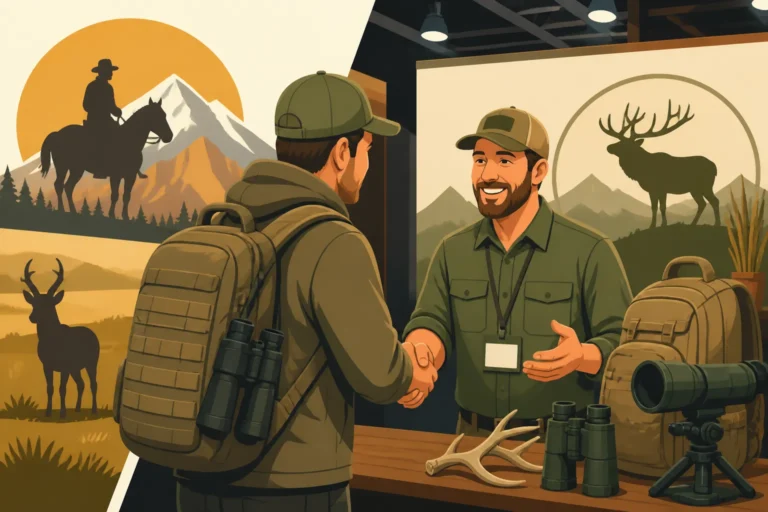
While the DIY dream is strong, the reality of hunting in Wyoming, especially for big game like elk, mule deer, or bighorn sheep, can be incredibly daunting. The terrain is vast, rugged, and unforgiving, and the learning curve for an unfamiliar hunter can be steep. This is where a professional guide or outfitter truly shines, offering an invaluable layer of expertise, logistics, and safety that can dramatically increase your chances of success and provide a more comfortable experience.
Local Knowledge and Expertise
A professional guide brings an intimate, real-time understanding of the hunting area that no amount of e-scouting can fully replicate. They know the subtle nuances of game movement, the most productive feeding and bedding areas, and how animals react to pressure in specific drainages or timber blocks. They’re often on the ground weeks or months before the season opens, scouting and tracking, identifying patterns and individual animals. This local knowledge is a massive advantage, especially in units where game might be widely dispersed or where specific conditions, like early snow or drought, alter typical behavior.
Furthermore, a guide understands the local regulations inside and out. They know about Wyoming's Wilderness Guide Law for Nonresidents, which can be a critical factor for hunting species like elk, moose, or bighorn sheep in designated wilderness areas. They can help you interpret Wyoming Elk Season Dates Are Set Hunt Area by Hunt Area and ensure you’re always hunting legally and ethically, preventing costly mistakes or misunderstandings of complex rules.
Logistics, Safety, and Increased Success Odds
One of the biggest benefits of a guided hunt is the complete removal of logistical burdens. Imagine arriving in Wyoming, knowing your horse is saddled, your camp is set up, meals are prepared, and your guide has a plan for the day, whether you're trying to Bugle a Wyoming Bull Into Bow Range or Stalking Pronghorn Across Wyoming's Open Sagebrush. This frees you up to focus entirely on the hunt itself, conserving your energy for the physical demands of the chase. Many outfitters provide critical gear like pack animals, specialized optics, and even proper Bear Safety Practices in an Outfitter Camp in grizzly country, taking the pressure off your personal packing list. The Gear List Your Outfitter Will Send will usually be very specific.
Safety is another huge consideration. Hunting in remote Wyoming can be dangerous, with unpredictable weather, rough terrain, and the potential for wildlife encounters. Guides are trained in wilderness first aid and have communication devices, like satellite phones, for emergencies. They know the terrain, how to navigate it safely, and how to react if someone gets injured. This peace of mind is invaluable. While no guide can guarantee a kill, their expertise, scouting efforts, and ability to put you in front of animals significantly increase your odds of success compared to going it alone in unfamiliar territory.
Weighing the Pros and Cons: Solo vs. Guided
Deciding between a solo and a guided hunt isn't about one being inherently "better" than the other. It's about finding the right fit for you, your experience level, your budget, and what you hope to gain from the hunt. Let's break down some of the key factors.
Cost vs. Investment
The financial aspect is often the first hurdle. A DIY hunt is almost always cheaper in terms of direct expenses. You're buying your tag, your fuel, your food, and perhaps some new gear. That's largely it. You can plan a Planning a DIY Public Land Hunt in Wyoming for a fraction of what a guided trip might cost.
However, a guided hunt isn't just an expense; it's an investment. You're investing in the guide's knowledge, their equipment, their time scouting, their camp, their horses, and their crew. This investment often translates into a higher probability of success, a more comfortable experience, and a much steeper learning curve for future hunts. For many, the value of that experience, especially for a once-in-a-lifetime tag like a Shiras moose or bighorn sheep, far outweighs the additional cost. While you might initially flinch at The Average Cost of a Guided Wyoming Elk Hunt, consider the potential for a richer, more productive hunt.
Experience Level and Physical Demands
For an inexperienced hunter, especially a nonresident new to the West, a guided hunt can be an invaluable introduction to Wyoming hunting. You learn about animal behavior, tracking, field judging, and recovery techniques from a professional. It's like a master class in Western hunting. If you're not confident in your navigation skills, wilderness survival, or your ability to handle an animal after the shot, a guide provides crucial support.
A solo hunt, on the other hand, demands a high level of experience and self-sufficiency. You need to be competent in all aspects of hunting and wilderness travel. This includes strong navigation skills, excellent physical conditioning for Physical Conditioning for a Mountain Hunt, and the mental fortitude to endure tough conditions alone. Recovery of a large animal like an elk is a monumental task for one person, often requiring multiple trips and specialized equipment. If you're not an experienced backcountry hunter, starting with a guided trip might be a safer and more enjoyable entry point.
Success Rate and Emotional Payoff
While success is never guaranteed, a good outfitter often boasts impressive success rates, meaning a higher percentage of their clients either harvest an animal or get a legitimate shot opportunity. This is due to their intimate knowledge of the area, pre-season scouting, and the resources they bring to bear. Many hunters feel that paying for a guide significantly increases their chances of bringing home meat or a trophy, especially when their hunting time is limited to a specific week.
However, the emotional payoff of a solo DIY hunt, when successful, can be unparalleled. Every step of the process, from drawing the tag to the final pack-out, is a personal victory. The sense of accomplishment that comes from finding, stalking, harvesting, and recovering an animal entirely on your own terms in a challenging environment is a feeling few guided hunts can truly match. It’s a profound connection to the land and to your own capabilities.
Here’s a quick overview of key differences:
| Feature | Solo DIY Hunt | Guided Hunt |
|---|---|---|
| Cost | Generally lower, covering licenses, fuel, food, gear | Significantly higher, covering guide fees, lodging, services |
| Logistics | All on you: planning, navigation, camp, recovery | Largely handled by outfitter: camp, horses, meals, recovery assistance |
| Local Knowledge | Requires extensive self-study (e-scouting, maps) | Provided by expert guide with real-time, on-the-ground intel |
| Experience Level | High degree of self-sufficiency and backcountry experience needed | Good for all levels; especially beneficial for beginners or those new to Western hunting |
| Physical Demands | Very high, especially for animal recovery | Can be high, but logistics often make it less taxing on hunter's personal capacity |
| Safety | Solely your responsibility; higher inherent risk in remote areas | Enhanced by guide's training, communication, and knowledge of terrain |
| Success Odds | Variable, dependent on hunter's skill and luck | Generally higher due to guide's expertise and resources |
| Emotional Reward | Deep sense of personal accomplishment and self-reliance | Focus on the hunt, often a more relaxed experience with camaraderie |
Making the Right Choice for Your Wyoming Adventure
Ultimately, the choice between hunting solo and hiring a guide in Wyoming boils down to a blend of personal preference, practical constraints, and what you envision as a successful and fulfilling hunt. There's no single "right" answer, and what works for one person might be entirely wrong for another.
Assessing Your Skills and Resources
Before you commit to either path, take a brutally honest inventory of your skills and resources. Are you proficient with maps and GPS in featureless terrain? Can you handle extreme weather changes? Are you physically capable of hiking miles with a heavy pack over steep, uneven ground, day after day? Do you have the mental toughness to endure discomfort and potential setbacks? Have you practiced enough to feel confident making a shot under pressure after a grueling climb? Resources like GoHunt can be invaluable for gathering information, analyzing draw odds, and planning out potential units, but they won't put boots on the ground for you.
If you’re a seasoned backcountry enthusiast with years of experience, a solo DIY hunt might be exactly what you crave. If you’re newer to Western hunting, or if your time and physical limitations are a concern, a guided hunt offers a more structured and supported experience. Consider if this is your first big game hunt out West or if you have a group of experienced friends to share the DIY burden.
Defining Your Hunting Goals
What does a successful hunt look like to you? Is it solely about punching a tag on a trophy animal, or is the experience itself paramount? For some, the adventure of exploring new country, testing their skills, and simply being out in nature is the reward, regardless of whether an animal is harvested. For others, particularly those who have invested significant time and money in a draw, the goal is very much to fill a tag.
If your primary goal is maximizing your chances of harvesting a specific animal, especially a sought-after species or a trophy-class animal in a difficult unit, a guided hunt often provides the best odds. Outfitters are often focused on maximizing client success, and their entire operation is geared towards putting you in a position to harvest. If your goal is a deeply personal challenge, a connection to the wild, and proving your self-reliance, the solo DIY route is the undeniable winner.
Looking Ahead to Future Hunts
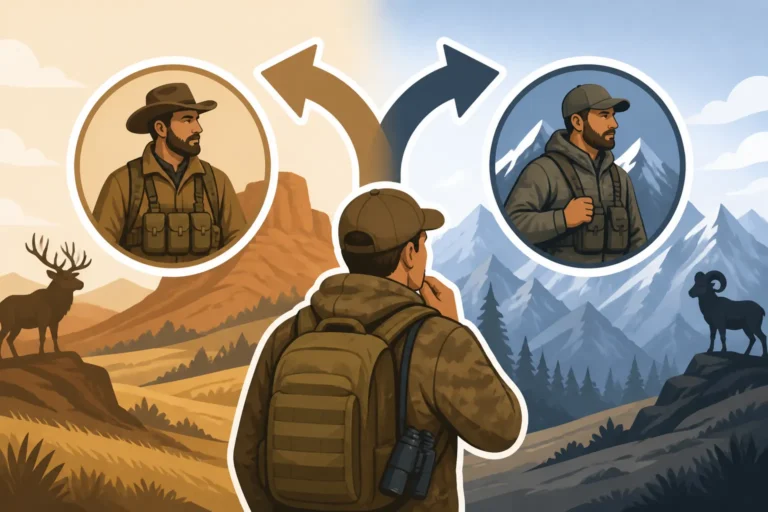
The beauty of Wyoming hunting is that it's not a one-and-done decision. Many hunters start with a guided hunt to learn the ropes, gain confidence, and experience the terrain with the benefit of professional support. They use that experience as a springboard for future DIY hunts, slowly building their own expertise and gear cache. You might even find a semi-guided option, or a drop camp, to be a good middle ground, offering some outfitter support without the full cost of a fully guided trip. Drop Camps: Packed In and Left to Hunt can be an excellent option for those seeking a balance.
Conversely, an experienced DIY hunter might occasionally splurge on a guided hunt for a specific species in a remote area, or simply for the convenience and luxury of having all the logistics handled. The key is to view each hunt as a learning opportunity and to be flexible in your approach, constantly evaluating what makes the most sense for your current circumstances and aspirations. Don't be afraid to try both over time and see which style resonates most with your hunting spirit.
Disclaimer
This article is for general informational purposes only and does not constitute professional advice. Laws, prices and regulations vary by location and change over time. Consult a qualified professional for guidance on your specific situation.