Leasing Private Ground in Wyoming
Many hunters dream of a high-quality hunting experience, but the reality of drawing coveted tags, navigating crowded public lands, or constantly seeking permission can be incredibly frustrating. Sometimes, the path to a less stressful and potentially more successful hunt lies in securing exclusive access. This guide will walk you through everything you need to know about leasing private ground in Wyoming, offering a detailed look at how it works, what to expect, and how to approach landowners.
Why Consider Leasing Private Land for Hunting?
The allure of Wyoming's vast public lands is undeniable, drawing hunters from across the globe. However, this popularity comes with its own set of challenges, from increasing hunter pressure to the complexity of drawing tags in prime areas. For many, leasing private ground offers a compelling alternative, providing a more controlled and often more rewarding hunting experience. It's about shifting from hoping for an opportunity to creating one.
Exclusive Access and Reduced Pressure
One of the most significant advantages of leasing private land is the exclusivity it provides. Imagine having hundreds or even thousands of acres to yourself, or at least sharing it with a very limited, predetermined group of fellow hunters. This stands in stark contrast to the often-bustling nature of public land, where you might find yourself competing with dozens of other hunters for the same elk herd or mule deer buck. That feeling of solitude, of truly being immersed in the hunt without constant interruption, can dramatically enhance the experience.
On public ground, especially during general seasons, it’s not uncommon to bump into other hunters, hear distant shots, or find fresh boot tracks in what you thought was a remote basin. This pressure can push game animals into thicker cover, make them more nocturnal, and generally reduce their visible activity. On private land, however, the animals often feel less threatened, maintaining more natural movement patterns and providing better opportunities for observation and a thoughtful stalk. This calmer environment can lead to a more relaxed hunt, allowing you to focus on strategy and the natural rhythms of the wildlife.
Potential for Quality Animals and Management
Landowners often manage their property with wildlife in mind, whether intentionally through specific habitat improvements or simply by limiting access. This can lead to a healthier, more stable population of game animals, and potentially, better trophy quality. When hunting pressure is controlled, bucks and bulls have a higher chance of reaching maturity, developing larger racks, and establishing consistent patterns that can be learned and exploited over time.
A lease agreement might even allow for some input on wildlife management strategies, such as setting harvest quotas for certain age classes of animals or participating in habitat improvement projects. While this is less common with short-term leases, longer-term agreements or those on larger ranches might open the door to a more collaborative approach. For example, a landowner might be open to specific doe harvest goals to balance the herd, or strategically planting food plots in certain areas. This kind of active management can lead to a consistently high-quality hunting experience year after year, building a stronger connection to the land and its wildlife.
Amenities and Convenience
Beyond the hunting itself, private land leases can offer a level of convenience and amenities rarely found on public land. This might include access to established cabins, bunkhouses, or even basic dry camps. Imagine not having to pack in all your gear for a spike camp, or having a warm, dry place to return to after a long day in the field. Some leases might even include vehicle access on private roads, saving countless miles of walking and allowing easier retrieval of downed game.
These amenities can be a huge bonus, especially for hunters with physical limitations, families, or those simply looking for a more comfortable experience. While not every private lease will offer luxury accommodations, even a secure parking area, an outhouse, or a simple shed for gear storage can make a world of difference. When considering a lease, always inquire about what facilities, if any, are included.
Understanding Wyoming's Private Land Landscape
Wyoming is often seen as a land of wide-open public spaces, and while that's true to a significant extent, there's also an enormous amount of private ground that plays a crucial role in the state's hunting opportunities. Understanding this landscape, especially the types of landowners you'll encounter and the unique challenges like checkerboard land, is key to successfully navigating the world of private land leases.
Ranching Culture and Landowner Priorities
Wyoming has a deep-rooted ranching culture, and much of the state's private land is owned by multi-generational ranching families. For these landowners, their property is not just a place, it's their livelihood, their heritage, and often their home. When approaching a landowner, it's vital to understand and respect this perspective. Hunting access is often a secondary consideration, and relationships are built on trust, respect, and mutual benefit.
A rancher's priority will always be their livestock, fences, roads, and water sources. Any hunting agreement must align with these core interests. Trespassing, leaving gates open, driving off-road, or disturbing livestock are absolute deal-breakers and can quickly sour a relationship that took years to build. Being a responsible, respectful, and communicative lessee can go a long way in securing long-term access. Many ranchers are open to hunting, but they need to know their property will be treated with care.
The Checkerboard Land Pattern
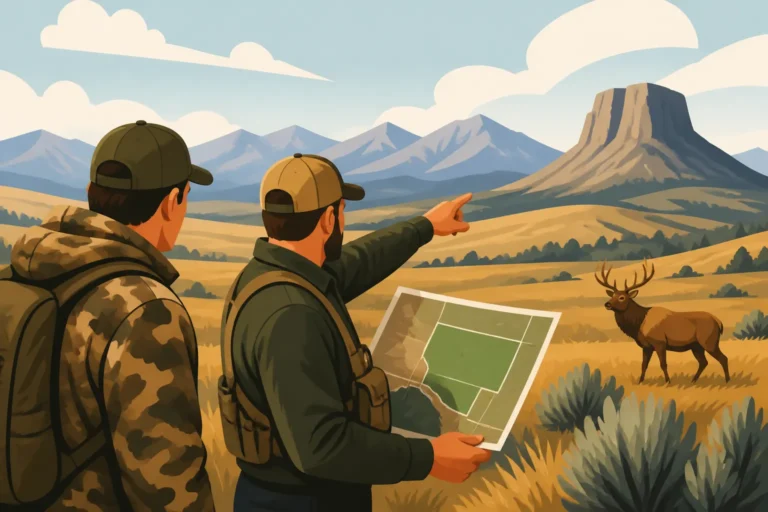
One unique aspect of Wyoming's land ownership, particularly in the southern and central parts of the state, is the "checkerboard" pattern. This historical legacy, stemming from railroad land grants, results in alternating sections of public (often BLM or State Trust Land) and private ground. On a map, it looks exactly like a checkerboard, with public and private squares side-by-side. While Corner Crossing Is Legal in Wyoming, With Limits Worth Knowing, navigating this pattern for hunting can be incredibly complex.
Leasing private ground within a checkerboard area can be a game-changer, as it might unlock access to otherwise landlocked public parcels. However, it also means you need to be exceptionally diligent with your mapping and navigation to ensure you stay on your leased land or legally accessible public ground. Relying solely on a general understanding can lead to accidental trespassing, which is never a good situation. This is where advanced mapping tools become invaluable, allowing you to clearly delineate your leased boundaries and adjacent public lands.
State Trust Lands and Access Considerations
Beyond federal public lands and private ranches, Wyoming also has significant acreage of State Trust Land. These lands are managed by the Office of State Lands and Investments, with the primary purpose of generating revenue for public institutions, primarily schools. While these lands are generally open to public access for hunting, specific rules and regulations apply. It's not uncommon for State Trust Lands to be leased by ranchers for grazing, and sometimes, access across private parcels is required to reach them.
When considering a private land lease, it's worth checking if it adjoins or provides access to State Trust Land. This can effectively expand your hunting area. However, always verify the specific access rules for any State Trust Land you plan to hunt. While direct access may be possible, remember that the land itself is still managed under its own set of guidelines, which can differ from those on BLM or National Forest lands. Wyoming State Trust Land Hunting provides a good overview of these rules.
Finding and Vetting Private Land Lease Opportunities
The idea of leasing private hunting ground sounds great, but where do you even begin to find these opportunities in a state as vast as Wyoming? It’s not always as simple as seeing a "for lease" sign on the side of the road. Finding the right property and ensuring it meets your expectations requires a proactive and diligent approach.
Online Platforms and Databases
In the digital age, several online platforms have emerged to connect hunters with private landowners offering leases. These websites act as marketplaces, allowing landowners to list their properties and hunters to browse available options. This can be a great starting point, especially if you're new to the private land leasing scene or are looking for options across different regions of Wyoming.
Some platforms, like BookYourHunt, specialize in guided hunts but may also feature properties available for self-guided leases. Others might focus more specifically on lease-only arrangements. Websites like GoHunt also offer extensive resources, including draw odds and application strategies, which can indirectly help you identify areas with strong game populations that might also have private land opportunities. When using these platforms, pay close attention to the details provided: species available, acreage, duration of the lease, amenities, and any specific rules set by the landowner. Treat these listings as a first impression, and be prepared to do further research.
Direct Landowner Contact
While online platforms are convenient, sometimes the most rewarding leases come from direct contact with landowners. This often requires a more grassroots approach, involving research, polite inquiries, and a bit of old-fashioned networking. Start by identifying areas in Wyoming that hold the species you're interested in, perhaps by looking at herd unit data or draw odds for specific areas. Then, use plat maps or county assessor records to identify landowners in those areas.
Approaching landowners directly means making a good first impression. A polite, respectful, and prepared conversation is key. Don't just show up unannounced. A thoughtful letter of introduction or a phone call to schedule a meeting can be much more effective. Clearly state your intentions, your experience as a responsible hunter, and what you're looking for. Be ready to discuss how you would care for their property and minimize any impact. Many leases are never advertised, found instead through word-of-mouth or by hunters who took the initiative to knock on doors (or rather, make a phone call or send a letter).
What Questions to Ask and Red Flags to Watch For
Once you've identified a potential lease, a thorough vetting process is crucial. This is where you dig into the details and ensure the property and agreement align with your expectations. Don't be afraid to ask specific questions:
- Game Populations: What species are present, and what are typical harvest numbers or trophy quality? Does the landowner have trail camera photos or historical data?
- Boundaries and Access: Are the property boundaries clearly marked? What are the access points, and are there any restrictions on vehicle use? How do you navigate public and private boundaries, especially in checkerboard areas?
- Rules and Restrictions: Are there specific rules about weapon types, hunting methods, guest hunters, camping, or campfires? Are there any areas off-limits due to livestock or residential buildings?
- Amenities: What, if anything, is included in terms of lodging, water, or facilities?
- Previous Leases/Hunters: Has the property been leased before? What was the experience like for both the landowner and the hunters?
- Liability: What are the landowner's expectations regarding liability, and will a waiver be required?
Watch out for red flags: a landowner who is vague about property boundaries, unwilling to provide references, or who pressures you for a quick decision without a formal agreement. Be wary of promises that sound too good to be true, or properties that are priced unusually low without a clear explanation. Always insist on a written lease agreement, no matter how friendly the landowner seems. A handshake deal is good for a few things, but not usually for several thousand dollars and a hunting season.
Navigating Lease Agreements and Costs
The financial aspect and the legalities of a hunting lease can seem daunting, but breaking them down makes them much more manageable. Understanding what typically goes into a lease agreement and how costs are determined will help you negotiate fairly and avoid surprises down the line. It's an investment, and like any investment, you want to be well-informed.
Common Lease Agreement Clauses
A solid hunting lease agreement protects both the landowner and the lessee. It should be a comprehensive document that clarifies expectations, responsibilities, and limitations. While specific clauses will vary, here are some common elements you should expect to see:
- Parties Involved and Property Description: Clearly identifies the landowner and the hunter(s) or hunting group, along with a legal description of the leased property, often including acreage and specific boundaries.
- Term of Lease: Specifies the start and end dates of the agreement, whether it's for a single season, multiple years, or a specific period within the hunting calendar.
- Payment Terms: Outlines the total lease fee, payment schedule (e.g., upfront, installments), and accepted payment methods. It should also address what happens if payments are missed.
- Permitted Activities: Defines what activities are allowed on the property (hunting specific species, scouting, camping, fishing, etc.) and explicitly states what is prohibited (e.g., commercial guiding, timber cutting, unauthorized vehicle use).
- Liability and Indemnification: This is a big one. It outlines who is responsible in case of accidents, injuries, or property damage. Typically, the lessee will be required to indemnify the landowner and hold them harmless, often requiring proof of liability insurance.
- Hunter Numbers and Guest Policy: Specifies how many hunters are allowed on the property at any given time and outlines rules for bringing guests, including any additional fees or notice requirements.
- Access and Gates: Defines approved entry points, requirements for locking gates, and respecting existing roads and trails.
- Conservation and Wildlife Management: May include clauses regarding ethical hunting practices, reporting harvests, adherence to game laws, and potentially even specific management goals like antler point restrictions or doe harvest quotas.
- Termination Clause: Details the conditions under which either party can terminate the agreement early, such as breach of contract, non-payment, or significant rule violations.
- Force Majeure: This clause addresses unforeseen circumstances beyond anyone's control, such as wildfires, floods, or disease outbreaks that might impact hunting or access.
Never sign a lease agreement you don't fully understand. If necessary, consult an attorney, especially for long-term or high-value leases.
Factors Influencing Lease Costs
The cost of leasing private hunting ground in Wyoming can vary wildly, from a few thousand dollars for a basic seasonal lease to tens of thousands for exclusive access to prime trophy land. Several factors influence these prices:
- Acreage and Location: Larger properties generally command higher prices, as do properties in well-known, high-demand hunting areas with a reputation for quality animals. A prime elk hunting property near a national forest boundary will fetch a premium over a smaller parcel of antelope ground on the open prairie.
- Species Availability and Quality: If the property consistently produces trophy-class elk, mule deer, or even bighorn sheep (a very rare and expensive lease indeed), the price will reflect that. Leases for common game like antelope or cow elk will typically be less expensive. Wyoming Nonresident Elk License Price and Wyoming Nonresident Deer and Antelope Prices give you an idea of the value of the underlying tags.
- Exclusivity: A lease that grants exclusive access to a single hunter or a small, defined group will be more expensive than a property where the landowner leases different portions to multiple groups throughout the season.
- Amenities: Properties that offer lodging, water, electricity, a meat processing area, or even horse facilities will naturally cost more than raw land with no improvements.
- Duration of Lease: A multi-year lease might offer a slightly lower annual rate compared to a single-season agreement, as it provides the landowner with more consistent income.
- Landowner's Management Goals: Some landowners view leases purely as income, while others use them as a tool for wildlife management or to mitigate depredation. Their specific goals can influence the price.
- Market Demand: Like any commodity, hunting leases are subject to supply and demand. In years with strong game populations or high interest in Wyoming hunts, prices might increase.
It’s crucial to have a clear understanding of your budget and what you’re willing to pay for. Don't be afraid to negotiate, especially if you're offering a multi-year commitment or proposing ways to improve the property.
Insurance and Liability Considerations
Liability is a serious concern for both landowners and hunters. As a lessee, you will almost certainly be required to sign a liability waiver, releasing the landowner from responsibility for accidents, injuries, or property damage that occurs on their land. It's an unfortunate but necessary part of doing business in today's world.
Beyond signing a waiver, many landowners now require lessees to carry their own liability insurance, naming the landowner as an additional insured party. This protects both parties in case of a serious incident. Organizations like the National Wild Turkey Federation (NWTF) or some outdoor insurance providers offer specialized hunting lease liability insurance policies at a reasonable cost. This small investment can provide significant peace of mind and is often a non-negotiable requirement for securing a lease. Always discuss insurance requirements with the landowner early in the negotiation process.
The Pros and Cons of Leasing Hunting Ground
Leasing private hunting ground in Wyoming can be a fantastic way to pursue your passion, but it’s not a one-size-fits-all solution. Like any significant investment of time and money, there are distinct advantages and disadvantages to consider. It’s important to weigh these carefully against your personal hunting goals, budget, and desired experience.
Advantages: Exclusivity, Quality, and Control
The benefits of a private land lease often revolve around a sense of ownership and control, which can translate into a higher quality hunting experience.
Firstly, exclusivity is paramount. On your leased ground, you don't have to worry about showing up before dawn only to find another truck already parked at your glassing knob. You know who else, if anyone, will be on the property, and when. This drastically reduces hunter competition and pressure on the game, often leading to more relaxed animals and better opportunities. You can scout without fear of giving away your spots, and your stands or blinds will be undisturbed. This peace of mind alone can make the investment worthwhile for many.
Secondly, the potential for quality animals can be significantly higher. When game is not constantly harassed, it tends to follow more natural patterns, grow older, and often bigger. Landowners who lease their ground often manage it with wildlife in mind, either through agricultural practices that benefit deer and elk, or by simply limiting disturbance. You might find properties with excellent feed, water, and cover, providing a sanctuary where animals can thrive. Over time, you can even implement your own management strategies, in coordination with the landowner, to enhance habitat or influence herd dynamics.
Finally, a lease offers a high degree of control and predictability. You know exactly where you can hunt, what the rules are (because you helped define them), and you can plan your hunts with confidence. This extends to things like scouting throughout the year, setting up trail cameras without worrying about theft, or even leaving equipment in the field. This level of control allows for more effective planning and execution of your hunting strategy, turning the unknown into the familiar. You can scout E-Scouting a Unit Before the Season Opens with a better understanding of the ground you'll have access to.
Disadvantages: Cost, Restrictions, and Landowner Relations
Despite the numerous benefits, private land leasing comes with its own set of challenges, particularly financial ones and those related to managing relationships.
The most obvious disadvantage is the cost. Leasing private ground, especially in a state like Wyoming known for its big game, can be a substantial expense. This investment typically far exceeds the cost of a public land tag and might even rival a fully guided hunt. You're paying for the access, the exclusivity, and potentially the amenities. For many hunters, this financial barrier is simply too high, making public land hunting or more affordable alternatives their only option. It also means that if your season is unsuccessful, you've still made that significant financial outlay with no guarantee of a harvest.
Secondly, while you gain control over your hunting activities, you are also subject to landowner restrictions. Your lease agreement will likely outline what you can and cannot do on the property. This could include limitations on guest hunters, specific vehicle access routes, rules about campfires, or even restrictions on what type of game you can harvest (e.g., antler point restrictions beyond state regulations). While these rules are often reasonable, they might conflict with your preferred hunting style or limit flexibility. It’s a trade-off between freedom on public land and controlled access on private.
Finally, managing landowner relations requires ongoing effort and respect. You are a guest on someone's property, and maintaining a positive relationship is crucial for the longevity of your lease. Issues can arise, from disagreements over property use to unexpected livestock movements, or even simple misunderstandings. You must be prepared to communicate effectively, address concerns promptly, and demonstrate consistent respect for the landowner's property and livelihood. A breakdown in this relationship can lead to the termination of your lease, regardless of what's written in the contract. Building a positive rapport is an ongoing commitment, not a one-time event.
Alternative Private Land Access Options in Wyoming
While a full season lease offers exclusive access and control, it's not the only way to hunt private ground in Wyoming. For many hunters, the cost or commitment of a lease is simply too much. Fortunately, there are several other avenues to explore that can provide excellent hunting opportunities on private land without requiring a comprehensive lease agreement. These options offer varying degrees of access, cost, and commitment, allowing you to choose what best fits your hunting style and budget.
Day Leases and Trespass Fees
A common and often more affordable alternative to a full seasonal lease is a day lease or a trespass fee arrangement. This typically involves paying a landowner a set fee for a specific number of hunting days, or sometimes just a single day, on their property. The price can vary significantly depending on the species, the quality of the hunting, and the demand for access. You might pay a modest fee for a trespass hunt for antelope, while a day hunt for a trophy mule deer or elk could be substantially more expensive.
This option is particularly popular for species like antelope, which often inhabit vast, accessible private ranches, and for which a shorter hunt duration is common. The Decoy Distance That Actually Pulls Antelope Bucks is a prime strategy for such a hunt. It offers the benefit of private land access, reducing pressure and often increasing success rates, without the long-term commitment or high upfront cost of a full lease. However, you'll likely have less control over specific hunting dates, and the landowner might allow other hunters on the property on different days. Always clarify these details before committing. Be sure to ask about any specific vehicle access rules and if retrieving game will be easier than on public land.
Landowner Tags and Guided Hunts
In Wyoming, landowners can receive a certain number of landowner licenses for elk, deer, and antelope, provided their property meets specific acreage requirements and provides suitable habitat for the species. These are not guaranteed tags but are part of a program designed to compensate landowners for providing habitat and allowing public access. While these tags are often highly sought after by residents, some landowners may use them to package into guided hunt opportunities.
This leads to another form of private land access: booking a guided hunt through an outfitter who has secured access to private ground, potentially utilizing landowner tags. In this scenario, you're not leasing the land yourself; rather, you're paying an outfitter for a guided experience that takes place on private property. This can be an excellent option for nonresidents, especially when considering Wyoming's Wilderness Guide Law for Nonresidents (which doesn't apply to private land but highlights the general guide rules). It takes the burden of finding and vetting private land off your shoulders, as the outfitter handles all the access arrangements. While often more expensive than a self-guided lease, it includes the expertise of a guide, lodging, meals, and usually a higher probability of success. What a Guided Wyoming Elk Hunt Costs will give you an idea of the financial commitment.
Access Yes and Hunter Management Areas
Wyoming Game and Fish Department operates programs designed to enhance public hunting access to both private and state lands. These initiatives are not strictly "leasing" in the traditional sense, but they provide valuable opportunities to hunt on private ground that landowners have enrolled in the program.
The Access Yes program compensates landowners who allow public hunting access on their private land. These areas are designated as "Walk-In Areas" (WIAs) or "Hunter Management Areas" (HMAs).
- Walk-In Areas (WIAs) typically require no prior permission slip; you simply walk in and hunt according to the posted rules and state regulations. They are marked with distinctive yellow signs.
- Hunter Management Areas (HMAs) are often larger and may require a free, printable permission slip from the Wyoming Game and Fish Department website before you hunt. These slips often specify dates, species, and hunter quotas. Hunter Management Areas Do Need One is an essential read if you plan to utilize these.
Both WIAs and HMAs provide a fantastic way to access private land, often without any direct cost beyond your hunting license and conservation stamp. These programs are a win-win, offering landowners financial incentive for allowing access, and giving hunters valuable ground to pursue game. Always consult the most current WGFD Access Yes brochure and maps to identify these areas and understand their specific rules before heading afield. This is public access on private land, so while it may not offer the same exclusivity as a private lease, it definitely beats having no access at all.
| Access Type | Cost Structure | Exclusivity/Pressure | Control/Flexibility | Landowner Relationship |
|---|---|---|---|---|
| Full Seasonal Lease | Annual/Seasonal Fee | High exclusivity, low pressure | High control, great flexibility | Direct, ongoing, mutual respect essential |
| Day Lease / Trespass Fee | Per day/hunt fee | Moderate exclusivity, low pressure | Limited control, dates often set by landowner | Direct, transaction-focused, less ongoing |
| Guided Hunt (Private Land) | Package price (per hunter) | High exclusivity, low pressure | Low control (guide directs hunt) | Indirect (via outfitter), focus on client service |
| Access Yes (WIA/HMA) | Free (with license) | Low exclusivity, moderate pressure | Low control, strict posted rules | Indirect (via WGFD program), rules are paramount |
Disclaimer
This article is for general informational purposes only and does not constitute professional advice. Laws, prices and regulations vary by location and change over time. Consult a qualified professional for guidance on your specific situation.